NEWS
Automatic poultry feeding system engineering unlocks optimal growth rates while cutting feed waste below 0.8% across commercial broiler operations.
Precision volumetric adjustment of pralson feeder pan settings stabilizes flock uniform growth and minimizes feed conversion ratio drift.
Calibrated cone gap controls handle diverse feed forms from fine crumbles to 4 mm pellets effortlessly.
Preventive maintenance protocols preserve internal drive auger components and prevent costly mechanical motor fatigue.
Smart management of feed drop mechanism tolerances yields significant cost savings over entire production cycles.
Get professional poultry farm construction guidance, equipment selection solutions, and the latest price lists.
Please contact us, WhatsApp NO. : +8613582487372, click to learn more.
Pralson Feeder Volumetric Mechanism Overview
Optimizing poultry nutrition management requires precision, durability, and robust equipment design operating at 1.5 kw motor capacity.
Pralson feeders deliver reliable feed distribution across commercial broiler and layer facilities, minimizing feed conversion ratio drift while mitigating feed wastage with high-efficiency automatic poultry feeding system integration working under 380 v operating voltage.
Precise volumetric feed adjustment ensures consistent flock growth from brooding through harvest using commercial poultry feeder pans with 14-inch pan diameter.
This engineering guide details technical procedures, structural calibration steps, and practical strategies required to accurately adjust feed volume in Pralson pan feeding systems utilizing modern poultry feeder pan technology operating at 450 kg/h line capacity.
Technical Specifications & Pan Settings Matrix
Data is for reference only. Swipe horizontally to view full table.
Pre-Adjustment Safety And Equipment Checklist
Safety & preparation protocol
Power isolation safety always disconnect main breaker power providing 50 hz power frequency to winch system and central feed line drive motor before manually altering setting collars on any commercial poultry feeder.
Structural inspection protocol verify main suspension steel cable with 3.0 mm wire gauge is untangled and anti-roost wire tensioners are functional across all bays supporting the automatic poultry feeding system.
Component wear assessment check feed cone sleeves and ratcheting teeth operating within 85% relative humidity for micro-fractures, dust buildup, or mechanical deformation that could prevent smooth index locking in pralson feeders.
Tool calibration ensure standard depth gauge or digital caliper with 0.01 mm resolution is available for high-precision verification during initial calibration runs of poultry feeder pan lines.
Feeder Index Gap Calibration Standards
Data is for reference only. Swipe horizontally to view full table.
Step-By-Step Guide To Adjusting Feed Volume
Relieve cable tension and lower feed line
Lower pralson auger line running along 150 m maximum length to a comfortable working height using central manual crank or motorized winch system with 0.75 kw lifting rating.
Ensure all pralson feeders rest evenly without tilting along the active poultry feeder pan line.
Disengage the pralson quick-lock collar
Locate dual-locking spring tab requiring 15 n manual pressure located on upper sleeve of Pralson feed drop tube.
Depress lock tab firmly to unlock adjustment ring from current index groove within your automatic poultry feeding system operating at ambient 25°c temperature.
Rotate adjustment ring to target notch
Rotate outer cylinder clockwise through 60-degree rotation arc to decrease feed volume (lowering h) or counter-clockwise to increase feed volume (raising h).
Align primary indicator arrow directly with designated notch number corresponding to your flock age using commercial poultry feeder settings calibrated for 12 birds per pan feeding density.
Engage lock mechanism and test fit
Release spring tab into desired index groove with 2.5 mm detent depth.
Listen for an audible "click" ensuring mechanical detent is fully seated in pralson feeders subjected to 35 kg/m² structural load limits.
Verify pan cannot shift under force of active bird activity.
Validate feed flow rate
Run feed motor manually for 30 seconds at 0.5 m/s auger linear speed to observe feed distribution.
Check that feed fills cone uniformly without bridge formation or excessive pan overflow exceeding 50 grams per minute margin.
Recommended Notch Settings By Feed Type
Data is for reference only. Swipe horizontally to view full table.
Recommended Maintenance Schedule For Pralson Feeders
Data is for reference only. Swipe horizontally to view full table.
Troubleshooting Volumetric Discrepancies
Data is for reference only. Swipe horizontally to view full table.
5 Essential Tips For Maximizing Feeder Performance
Tip 1: Leverage brood flood capabilities early
During first 7 days, utilize pralson 360-degree flooding feature at 0.25 bar line pressure to maximize chick access to feed without manual tray filling in your automatic poultry feeding system.
Tip 2: Match lip height to bird crest
Keep pralson feeders pan lip level at 12 cm height threshold with lower neck/crop height of birds as they grow to force correct feeding posture and prevent pan raking.
Tip 3: Calibrate feeders by batch density
Adjust notch settings when switching feed suppliers; variations in pellet durability measured at 95% pdl rating significantly change flow characteristics in every commercial poultry feeder.
Tip 4: Enforce rigid line alignment
Ensure feed lines are pulled completely taut under 800 n tensile force to prevent line deflection, which alters internal auger clear gaps and skews poultry feeder pan delivery volumes.
Tip 5: Implement automated end-control sensing
Regularly calibrate proximity sensors rated Ip67 waterproof in control pan to prevent auger over-run, reducing mechanical load on drive motor.
Economic Impact Of Precise Feed Adjustment
Data is for reference only. Swipe horizontally to view full table.
Note: Financial valuations listed above are in usd; European union standard reference only.
Technical Diagnostic Matrix For Feed Line Winching
Data is for reference only. Swipe horizontally to view full table.
Why Choose Pralson Commercial Poultry Equipment?
Pralson delivers industrial-grade feeding solutions engineered to withstand demanding farm environments constructed with 2.8 mm wall thickness.
Constructed from high-impact, uv-stabilized virgin polypropylene with 85 shore d hardness, pralson feeders resist chemical corrosion, cracking, and structural wear from aggressive bird contact.
By integrating engineered precision controls, intuitive lock sleeves, and long-lasting auger components rated for 10,000 operational hours into each commercial poultry feeder, system operators optimize feeding efficiency.
Deploying high-performance poultry feeder pan networks reduces maintenance downtime and protects profitability across modern poultry operations supporting 50,000-bird housing capacity.
Upgrade farm operations with pralson automatic poultry feeding system technology where superior engineering meets reliable poultry management.
Frequently Asked Questions
Q1: How often should pralson feeders index notch settings be adjusted during a 42-day broiler cycle?
A1: Index notch settings require adjustment at least 4 key growth transitions day 1 (brooding flood mode), day 8 (notch 2 for crumbles), day 15 (notch 3 for micro pellets), and day 22 (notch 4 for standard 3 mm pellets).
Fine-tuning gap clearance h by 2 mm increments prevents pan overfill and reduces fcr drift.
Q2: What is the primary cause of uneven feed depth across a 150-meter automatic poultry feeding system line?
A2: Uneven feed depth is primarily caused by improper suspension wire tensioning resulting in sag along central auger pipes.
A 5 cm sag along the feed line alters internal feed repose angles, causing head-end pans to overfill while tail-end pans suffer flow restriction.
Q3: Can pralson poultry feeder pan units handle high-fiber mash diets without bridging?
A3: Yes, pralson pans handle high-fiber mash diets with bulk densities between 480 kg/m³ and 540 kg/m³ when adjusted to +1 notch above standard baseline settings.
Increasing discharge gap clearance h prevents cohesive bridging in the drop cone sleeve during elevated humidity conditions.
Taiyu (HK) Group - One Of China Largest Pralson Feeders Exporter
Pralson feeders engineered by taiyu feature high-impact virgin polypropylene components delivering precise 6-stage volumetric notch adjustments with 0.8 mm gap accuracy to eliminate feed waste across high-density commercial poultry operations.
Direct global factory sales eliminate distributor markups, guaranteeing competitive pricing for comprehensive poultry equipment solutions delivered worldwide.
Complete turnkey engineering capabilities encompass custom barn layout design, automated drive motor integration, and on-site technical installation support for global poultry projects.
Manufacturing facilities operate under iso 9001 certification, utilizing advanced injection molding machinery to produce ultra-durable feeding, drinking, and ventilation hardware.
Seamless international logistics networks provide full end-to-end supply chain control, delivering fully integrated poultry farming systems directly to client site locations.
Contact Us To Received Your Customized Poultry Farm Plan
Headquarters And Branchs
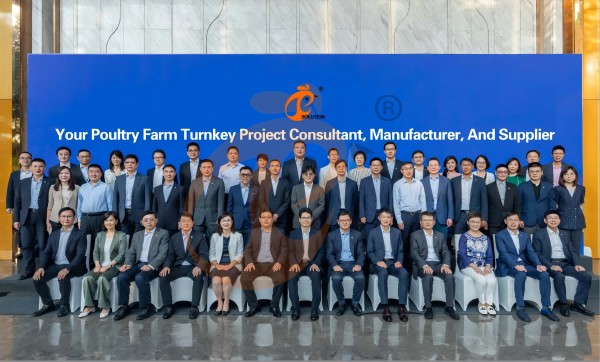
Hong Kong Headquarter Management Team
Hong Kong Headquarter Taiyu Industrial Group CO., LTD
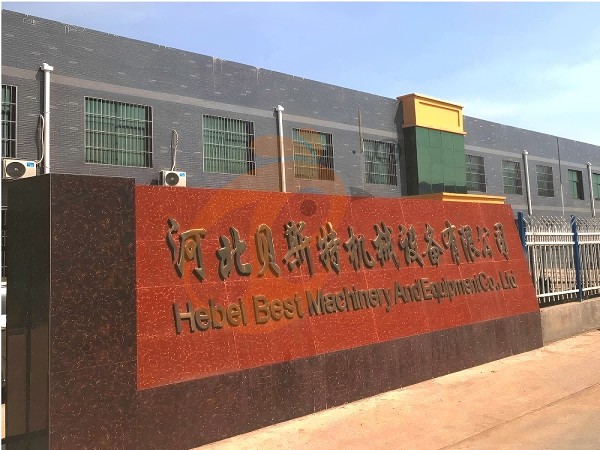
China Hebei Best Machinery And Equipment CO., LTD
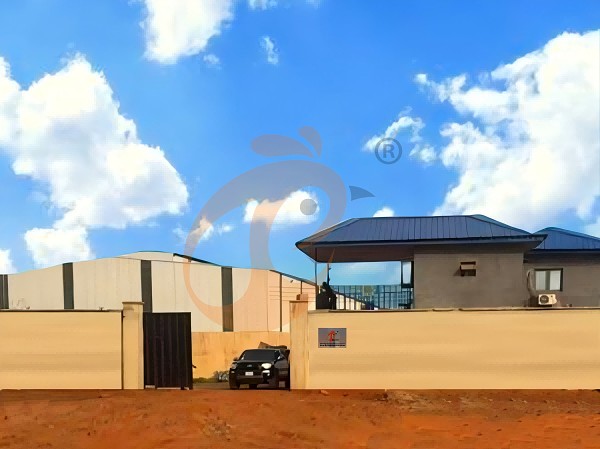
Nigeria Vanke Machinery And Equipment CO., LTD
Tanzania Best Machinery And Equipment CO., LTD
Ethiopia Best Hebei Machinery Manufacturing PLC


Reception /24 online WhatsApp NO. : +8613582487372
Share


More
 Unmatched Advantage Of Battery Cage Systems In Latin America | Taiyu
- Key Advantages Of Chicken Battery Cage Designs In Africa | Taiyu
 Proven Advantages Of Chicken Cage Systems For Southeast Asia | Taiyu
- Essential Advantage Of Chicken Battery Cages
- Newest Poultry Equipment List And Price Complete Guide For 1,000 To 100,000+ Birds
- Newest Fully Automated Poultry Farm Equipment List And Cost For 1,000–100,000+ Birds
- Top 11 Popular And Different Poultry Farm Equipment For 1,000 To 100,000+ Chickens
- 11 Exact Tips Of Automatic Poultry Equipment Vs Semi-Automatic Poultry Equipment