NEWS
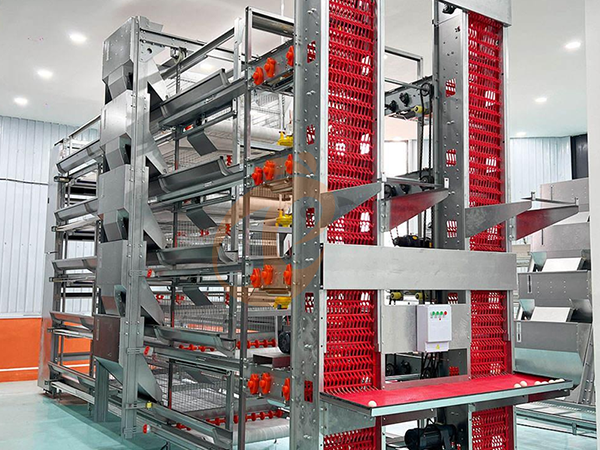
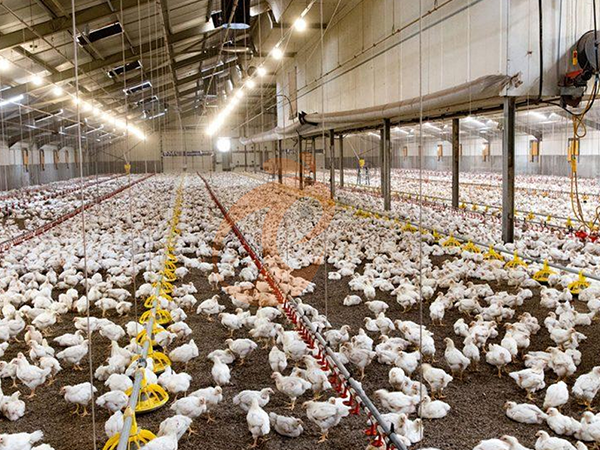
Floor rearing system maintenance combines equipment durability, operating costs, preventive servicing, and technical support for reliable poultry production.
Automatic feeding systems, nipple drinkers, and ventilation fans coordinate daily operations across commercial houses with 30,000–44,000 m³/h airflow capacity.
Preventive inspections, compatible spare parts, and documented service schedules help control repair expenses and reduce unexpected downtime.
Energy monitoring, cleaning procedures, and environmental controls support stable housing conditions while simplifying routine equipment management.
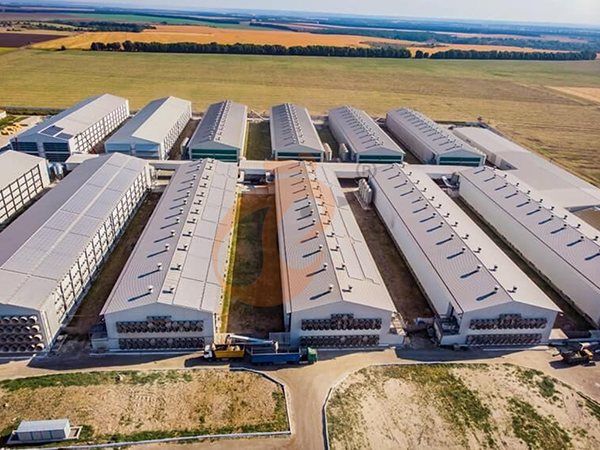
Turn-key poultry equipment planning connects customized layouts, installation, commissioning, and maintenance support for scalable farm projects and long-term investment planning.
Get professional poultry farm construction guidance, equipment selection solutions, and the latest price lists.
Please contact us, WhatsApp NO. : +8613582487372, click to learn more.
Equipment Quality And Material Durability
Data is for reference only.Swipe horizontally to view full table.
Specifications are reference values; final selection depends on equipment models and poultry-house engineering requirements.
Equipment materials and manufacturing quality influence replacement frequency in a floor rearing system.
Corrosion-resistant structures, reliable motors, and replaceable wear components simplify routine servicing.
When comparing poultry equipment manufacturers, review material specifications, warranty coverage, component compatibility, and spare-parts availability rather than purchase prices alone.
Engineering Essentials: Six Factors Affecting Long-Term Costs
Factor 1 — Equipment Quality
Select durable materials, dependable motors, and components designed for repeated cleaning and continuous floor rearing system operation.
Factor 2 — Labor Requirements
Automatic poultry feeding systems reduce repetitive manual work and simplify daily management.
Factor 3 — Energy Consumption
Efficient motors and coordinated environmental controls help manage electricity demand in a floor rearing system.
Factor 4 — Preventive Maintenance
Routine inspection and timely replacement help prevent minor faults from becoming equipment failures.
Factor 5 — Cleaning And Biosecurity
Correct washing, disinfection, and drying procedures protect poultry equipment and support flock hygiene.
Factor 6 — Spare Parts And Technical Support
Accessible replacement components and professional assistance help minimize floor rearing system repair delays.
These factors interact throughout the equipment lifecycle.
A complete poultry equipment package should balance initial investment, serviceability, operating efficiency, and after-sales support.
Labor And Automation Costs
Data is for reference only.Swipe horizontally to view full table.
Actual requirements depend on bird type, age, equipment model, and local operating conditions.
Automation can improve consistency while reducing repetitive labor in a floor rearing system.
However, motors, sensors, water regulators, and electrical components still require maintenance.
Commercial farms should evaluate automatic poultry feeding systems according to flock capacity, staffing arrangements, and technical support availability.
Maintenance Cost Comparison: Investment And Operating Expenses
Data is for reference only.Swipe horizontally to view full table.
European union standard reference only: monetary comparisons should use consistent quotation terms, applicable taxes, and installation scope.
These figures should be calculated from actual farm records rather than assumed industry averages.
For a meaningful lifecycle comparison, obtain itemized floor rearing system quotations and document recurring expenses separately from initial capital investment.
Technique Card: Preventive Maintenance Schedule
Daily Inspection
Check feed distribution, water leakage, fan operation, unusual noise, and controller alarms.
Weekly Servicing
Inspect drive components, remove accumulated dust, and check accessible fasteners and connections.
Between-Flock Servicing
Clean suitable surfaces, flush waterlines, examine structural components, and replace damaged parts.
Maintenance Records
Record failures, labor hours, replacement expenses, and recurring defects to improve future planning.
Maintenance intervals should follow manufacturer instructions and actual operating conditions.
Before servicing floor rearing system machinery, isolate the power supply and follow applicable safety procedures.
Energy Efficiency And Ventilation Performance
Data is for reference only.Swipe horizontally to view full table.
Values are indicative engineering references, not universal specifications for every poultry house.
Ventilation equipment affects heat removal, moisture control, and indoor air quality.
Dirty fan blades, damaged shutters, or inaccurate sensors can reduce floor rearing system performance.
A manufacturer should calculate the ventilation arrangement using house dimensions, bird requirements, and regional climate conditions.
Process Structure: Maintenance Management Workflow
01
Inspect
Review equipment condition and operating records.
Diagnose
Identify faults and prioritize corrective work.
Repair
Install compatible parts using approved procedures.
Test
Verify operation of each affected subsystem.
Document
Record expenses and update the maintenance plan.
A standardized workflow helps farm managers coordinate technicians, spare parts, and floor rearing system inspections.
Suppliers offering installation, commissioning, and technical documentation can help establish consistent maintenance procedures across multiple poultry houses.
Cleaning, Biosecurity, And Equipment Protection
Data is for reference only.Swipe horizontally to view full table.
Environmental and equipment settings must be adapted to bird age, production stage, housing design, and applicable welfare requirements.
Cleaning should follow floor rearing system manufacturers' chemical compatibility and electrical protection instructions.
Properly designed access points, removable components, and organized service areas make inspection and sanitation easier.
Integrated poultry equipment planning helps farms coordinate cleaning requirements with everyday production operations.
Equipment Combination Recommendations For Different Farm Needs
Data is for reference only.Swipe horizontally to view full table.
These are preliminary configuration references.
Final equipment quantities and specifications require project-specific engineering.
Purchasing a coordinated floor rearing system package can simplify installation, operator training, and future expansion.
A poultry equipment manufacturer can prepare a customized layout based on building dimensions, flock size, local climate, and production objectives.
Spare Parts, Warranty, And Technical Support
Data is for reference only.Swipe horizontally to view full table.
A reliable floor rearing system supplier provides more than individual machines.
Installation guidance, commissioning, operating manuals, and spare-parts support can influence the overall cost of ownership.
Confirm service conditions and exclusions before signing the purchase contract.
Conclusion: Invest In Long-Term Floor Rearing Performance
Floor rearing system maintenance costs depend on equipment quality, labor, energy consumption, preventive servicing, cleaning, and supplier support.
An integrated design helps farms coordinate these requirements while simplifying equipment management.
For poultry producers planning a new house or upgrading existing facilities, a complete package of automatic feeding equipment, nipple drinking systems, ventilation fans, and environmental controls provides a practical starting point.
Contact a professional poultry equipment manufacturer for a customized equipment layout, technical specifications, installation plan, and spare-parts proposal.
Comparing complete system requirements and long-term servicing arrangements helps you make an informed equipment investment.
Frequently Asked Questions
Q1: What determines floor rearing system maintenance costs?
A1: Equipment durability, electricity consumption, labor, cleaning, and spare-parts availability determine ongoing expenses.
Review actual operating records over several flock cycles to establish a realistic maintenance budget.
Q2: Which equipment components require regular inspection?
A2: Automatic feeders, nipple drinkers, ventilation fans, motors, and environmental sensors require scheduled inspection.
Follow manufacturer maintenance intervals and verify operating conditions against equipment specifications.
Q3: How can poultry farms reduce long-term maintenance expenses?
A3: Use compatible poultry equipment, maintain critical spare parts, and implement preventive maintenance procedures.
Monitoring energy consumption and repair frequency helps identify recurring expenses and improve equipment planning.
Taiyu (HK) Group - One Of China's Toppest Floor Rearing System Manufacturer
Floor rearing system solutions integrate automatic feeding, nipple drinking, ventilation, and environmental controls, with project-specific equipment sizing and installation planning
Global factory-direct supply provides poultry equipment configurations, component specifications, and customized quotations for commercial poultry projects
Integrated poultry equipment manufacturing supports coordinated procurement, equipment compatibility, and standardized replacement parts
Turn-key engineering services cover house layout planning, equipment selection, installation coordination, and commissioning support
Technical documentation, spare-parts planning, and after-sales assistance support equipment operation across different poultry production facilities
Contact Us To Received Your Customized Poultry Farm Plan
Headquarters And Branchs
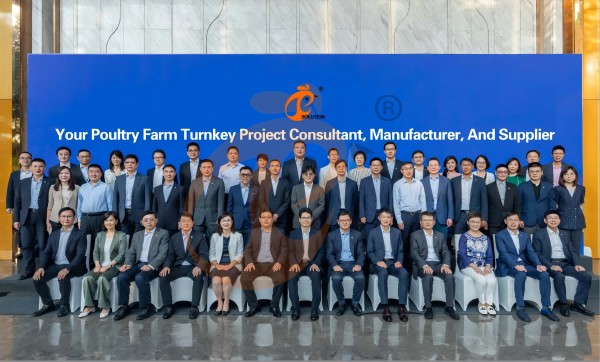
Hong Kong Headquarter Management Team
Hong Kong Headquarter Taiyu Industrial Group CO., LTD
China Hebei Best Machinery And Equipment CO., LTD
Nigeria Vanke Machinery And Equipment CO., LTD
Tanzania Best Machinery And Equipment CO., LTD
Ethiopia Best Hebei Machinery Manufacturing PLC
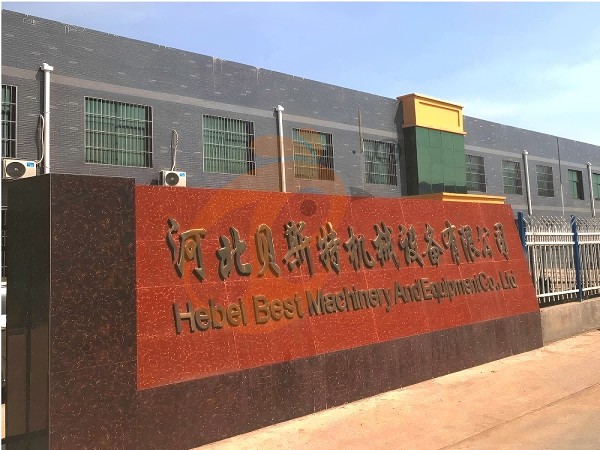
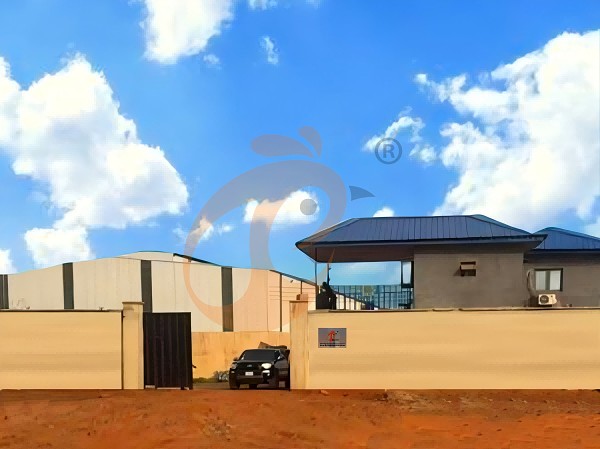
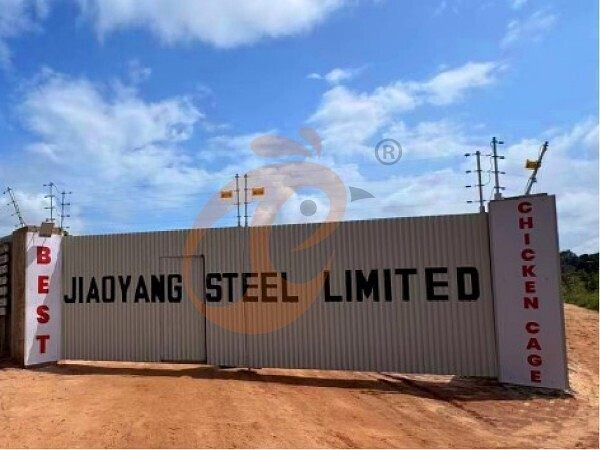
Reception /24 online WhatsApp NO. : +8613582487372
Share


More
 Unmatched Advantage Of Battery Cage Systems In Latin America | Taiyu
- Key Advantages Of Chicken Battery Cage Designs In Africa | Taiyu
 Proven Advantages Of Chicken Cage Systems For Southeast Asia | Taiyu
- Essential Advantage Of Chicken Battery Cages
- Newest Poultry Equipment List And Price Complete Guide For 1,000 To 100,000+ Birds
- Newest Fully Automated Poultry Farm Equipment List And Cost For 1,000–100,000+ Birds
- Top 11 Popular And Different Poultry Farm Equipment For 1,000 To 100,000+ Chickens
- 11 Exact Tips Of Automatic Poultry Equipment Vs Semi-Automatic Poultry Equipment