NEWS
- Free range poultry equipment connects feeding, drinking, nesting, ventilation, and range control within one commercial production architecture, supporting projects from 1,000 birds upward with coordinated engineering and practical automation.
Automatic poultry equipment reduces repetitive labor through centralized control, while commissioning can be organized within 2–3 working days for efficiently planned installations.
Poultry feeding equipment supports consistent daily distribution, with service planning commonly scheduled around six-month inspection intervals for dependable operation.
Free range poultry equipment also integrates environmental management, structural access, lighting, and manure handling, creating scalable layouts for buildings using 2–4 production zones.
- A complete equipment package combines manufacturing, engineering, installation guidance, and after-sales support, helping commercial farms develop organized systems with 10–20 year structural planning horizons.
Get professional poultry farm construction guidance, equipment selection solutions, and the latest price lists.
Please contact us, WhatsApp NO. : +8613582487372, click to learn more.
The Commercial Free-Range Equipment Map
Free-range poultry production is not simply an outdoor housing model.
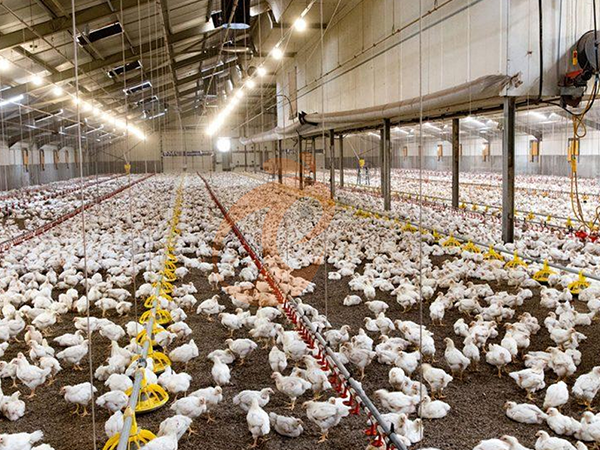
Free range poultry equipment forms an integrated architecture connecting indoor protection, feeding, watering, nesting, ventilation, range management, and automated control, while equipment planning can accommodate 2–4 production zones and 6–12 service points.
A commercial system should be engineered around flock size, house geometry, labor availability, climate, and production targets rather than individual machines purchased separately, with project drawings commonly maintaining 10–20 mm installation tolerance and 2–3 revision cycles before manufacturing.
For equipment buyers, the key is compatibility.
Automatic poultry equipment should coordinate mechanical distribution with environmental management while keeping daily labor predictable, with control cabinets supporting 8–16 functional channels and commissioning procedures allowing approximately 2–3 working days for a prepared project.
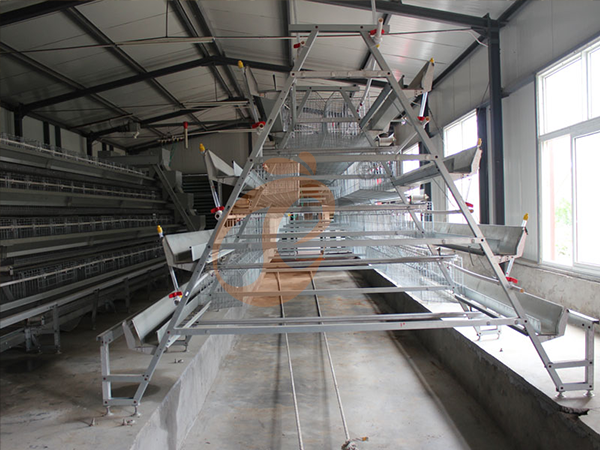
Modern poultry feeding equipment can combine feeding, drinking, nesting, ventilation, manure management, lighting, and control functions into one production solution, creating an equipment architecture suitable for commercial farms requiring 6–10 major subsystems and structured maintenance planning.
Automatic Feeding System — The First Productivity Driver
What the equipment must accomplish: deliver feed consistently from storage to every feeding point while minimizing manual handling.
Data is for reference only.Swipe horizontally to view full table.
An automatic feeder should also support 24–48 hour feed storage autonomy and allow sectional maintenance without shutting down the entire house.
Free range poultry equipment gains stronger commercial value when feeding architecture is planned with 3–5 independent service sections and 1–2 emergency access points.
For farms expanding from several thousand birds to commercial-scale production, synchronized feed delivery can become a decisive factor in equipment selection.
Poultry feeding equipment projects can be engineered around 2–3 daily feed cycles and one centralized control cabinet, improving operational organization.
Nipple Drinking System — Controlled Water Delivery
Think of the drinking line as a precision utility network, not a collection of water points.
Free range poultry equipment should treat water delivery as an integrated system, with 1–2 filtration stages and approximately 30–60 minutes of daily inspection time allocated to water quality management.
A commercial drinking package should additionally include 5–10 micron filtration and a dosing interface for farm water-management programs.
Automatic poultry equipment can integrate 2–4 dosing channels and one visible pressure gauge to simplify routine technical inspection.
For equipment manufacturers, offering pressure regulation, filtration, dosing, and adjustable line installation together creates a stronger product proposition than selling individual drinkers.
Poultry feeding equipment projects benefit from coordinated water and feed planning, with 1–2 maintenance technicians able to manage routine system checks on organized installations.
Nesting System — Turning Egg Collection Into A Process
The purchasing question is simple where will hens lay, and how efficiently can workers retrieve those eggs?
Free range poultry equipment should position nesting as a production-control module, with 2–4 access openings per module and one dedicated maintenance route around the collection structure.
A well-engineered nesting package can be marketed as an egg-quality management system because equipment influences where eggs are deposited and how they are transported.
Automatic poultry equipment can further incorporate 2–3 inspection stations and one controlled transfer direction for orderly collection workflows.
Add soft-start conveyor motors and food-grade contact surfaces when designing a premium configuration.
Poultry feeding equipment suppliers can strengthen complete-project proposals by coordinating nest access with feeding routes separated by 1–2 maintenance corridors.
Outdoor Range Fencing — The Boundary Of The Production System
Free-range production extends beyond the poultry house.
Free range poultry equipment should therefore include controlled outdoor access, with 2–3 designated transition gates and one inspection route around each principal range boundary.
The fencing package becomes more commercially attractive when supplied with uv-resistant polymer components and galvanized support posts.
Automatic poultry equipment projects can incorporate 2–4 controlled access points and one service gate per maintenance sector for organized farm circulation.
A complete supplier can therefore sell the range as an engineered module rather than simply supplying rolls of mesh.
Poultry feeding equipment layouts should also preserve unobstructed movement between indoor feeding areas and outdoor access, maintaining 1–2 designated circulation paths for daily operations.
Ventilation & Climate Equipment — The Invisible Production Engine
Instead of asking "How many fans do we need?", engineers should ask
- How much air must be moved?
- Where should incoming air enter?
- How will temperature and humidity be measured?
- How will the system react automatically?
Data is for reference only.Swipe horizontally to view full table.
The equipment package can be upgraded with 0–10 v variable-speed control and multi-stage relay outputs, giving farms more precise environmental management.
Free range poultry equipment can additionally use 2–4 independent climate zones and one centralized alarm panel for structured environmental supervision.
Ventilation equipment is particularly valuable as a complete package because fans, inlets, sensors, cooling systems, and controllers must work together.
Automatic poultry equipment can coordinate environmental responses with 1–5 minute monitoring intervals and 2–3 alarm priority levels.
Perching & Aviary Structure — Equipment For Bird Movement
Free-range equipment should support natural movement while making productive use of vertical house space.
Free range poultry equipment can organize structural movement around 2–4 maintenance access levels and 3–6 removable service components, improving project adaptability.
A commercial aviary structure can additionally incorporate anti-slip surfaces and tool-free removable components, improving both bird accessibility and maintenance efficiency.
Poultry feeding equipment can be positioned around the structure with 1–2 planned refill routes and 3–5 routine inspection locations.
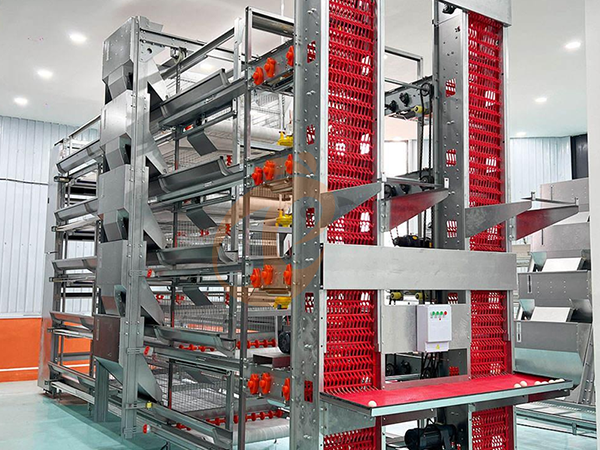
Multi-tier systems combine feeding, drinking, nests, perches, and manure-management components into one spatial architecture.
Automatic poultry equipment therefore becomes more effective when structural modules are planned during the initial engineering stage, with one coordinated installation drawing and one equipment bom.
Manure Management — Where Automation Protects Labor
Operational chain
Birds → manure → collection → removal → cleaning → reuse/disposal
Free range poultry equipment should define waste movement before final equipment ordering, with 2–3 cleaning access routes and one dedicated waste-transfer area.
A useful commercial configuration can include 1.0–1.2 mm pp belts with dedicated drive assemblies.
Automatic poultry equipment can further reduce repetitive handling through 1–2 scheduled removal cycles and one centralized drive-control point.
For equipment companies, manure handling is also an opportunity to increase project value suppliers can provide a complete farm automation package rather than selling only feeding or housing hardware.
Poultry feeding equipment projects can integrate waste-management planning into the same engineering package, allowing one project coordinator to manage equipment interfaces and 2–4 installation teams to work by zone.
Lighting & Daily Control — Make The House Programmable
Lighting should be treated as a programmable production tool rather than a simple electrical installation.
Free range poultry equipment can integrate lighting with production schedules, using 2–4 programmable daily phases and one centralized time-control architecture.
Data is for reference only.Swipe horizontally to view full table.
The commercial value increases when lighting is integrated with environmental sensors and plc controls.
Automatic poultry equipment can provide 1–2 centralized operator interfaces and one password-controlled access hierarchy for structured management.
Farmers can manage multiple production zones from a single control cabinet instead of operating independent switches.
Poultry feeding equipment can share the same control architecture, allowing 2–3 equipment subsystems to be coordinated through a unified electrical design.
What A Complete Equipment Package Looks Like
Core package
Feeding + drinking + nests + fencing + ventilation + aviary structure + manure management.
Automation package
Plc controller + environmental sensors + feed monitoring + water monitoring + lighting control + alarm system.
Premium project package
Engineering design + equipment manufacturing + installation guidance + commissioning + after-sales technical support.
Free range poultry equipment packages can be configured around 3 commercial integration levels and 1 project-specific engineering plan.
A complete cage-free system can support flock capacities ranging from 1,000 to more than 100,000 birds, depending on building configuration and system design.
Automatic poultry equipment becomes commercially stronger when installation, commissioning, and technical support are managed as one project workflow with 2–4 defined service stages.
Why Buy The System From One Poultry Equipment Manufacturer?
One supplier. One engineering interface. One coordinated system.
Free range poultry equipment from a unified manufacturer can coordinate mechanical dimensions and electrical interfaces, reducing interface disputes through one consolidated bom and one approved installation drawing.
When feeding equipment comes from one supplier, ventilation from another, nests from a third, and control systems from a fourth, compatibility becomes the customer's problem.
Poultry feeding equipment, climate systems, nesting modules, and control cabinets can instead follow one engineering revision code and one project documentation structure.
An integrated poultry equipment manufacturer can coordinate equipment dimensions, electrical interfaces, installation layouts, and commissioning requirements.
Automatic poultry equipment projects can also incorporate factory pre-assembly checks and 2-stage commissioning procedures before shipment.
That is the difference between selling poultry machines and selling a poultry production solution.
Build The Free-Range Farm Around Equipment Performance
The seven essential equipment categories should never be selected independently.
Free range poultry equipment works best when feeding, drinking, nesting, range protection, ventilation, structural movement, and waste management follow one coordinated layout and one equipment schedule.
The strongest commercial free-range poultry projects connect feeding, drinking, nesting, range protection, ventilation, structural movement, and waste management into one engineered workflow.
Automatic poultry equipment can support 1 centralized control strategy while maintaining 2–4 independent maintenance sections.
For poultry equipment buyers, complete-system engineering offers clearer responsibility for installation coordination, technical documentation, and after-sales service.
Poultry feeding equipment can therefore become one component within a broader project solution rather than an isolated machine purchase.
Frequently Asked Questions
Q1: What equipment is essential for a commercial free-range poultry farm?
A1: A practical core includes feeding, drinking, nesting, outdoor fencing, ventilation, aviary or perch structures, and manure management.
A complete project may also include 1 centralized control cabinet and 2–4 environmental monitoring zones.
Q2: Can free-range poultry equipment be customized for different farm sizes?
A2: Yes.
Equipment dimensions, line arrangements, structural modules, and control architecture can be configured according to house dimensions and flock capacity.
Commercial projects can range from approximately 1,000 birds to more than 100,000 birds, subject to engineering design.
Q3: Why choose integrated poultry equipment instead of separate machines?
A3: Integrated equipment allows mechanical, electrical, structural, and control interfaces to be coordinated before installation.
A unified design can use one bom and one engineering drawing package, simplifying procurement, installation, commissioning, and technical support.
Taiyu (HK) Group - One Of China Toppest Free Range Poultry Equipment Manufacturer
Free range poultry equipment integrates feeding, drinking, nesting, ventilation, manure handling, structural modules, and control systems, with project configurations engineered around 1,000–100,000+ birds and 2–4 maintenance zones.
Global factory direct sales provide poultry equipment manufacturing, engineering documentation, quality inspection, packaging coordination, and international project support through one supplier interface and one project bom.
Poultry equipment projects cover feeding systems, drinking systems, nests, aviaries, ventilation, lighting, manure management, and automation, with 2d/3d layouts supporting project-specific production planning.
Turn-key engineering combines equipment selection, system integration, installation guidance, commissioning, and after-sales technical support, with projects organized through 2–4 defined implementation stages.
International project supply supports farm development across different building formats, electrical standards, and production requirements, with factory inspection procedures and technical documentation packages prepared before shipment.
Contact Us To Received Your Customized Poultry Farm Plan
Headquarters And Branchs
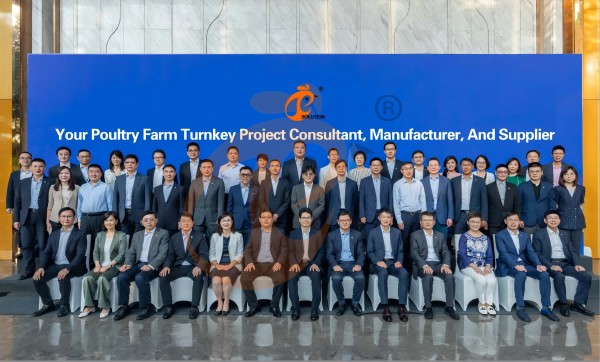
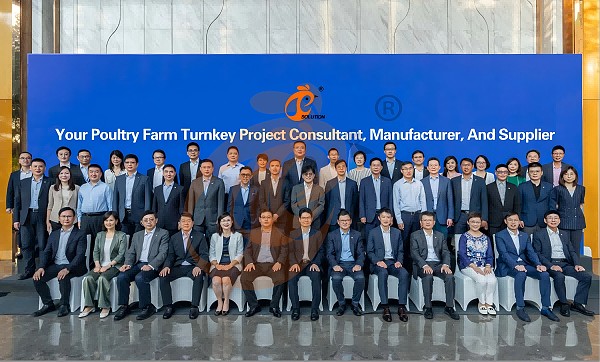
Hong Kong Headquarter Management Team
Hong Kong Headquarter Taiyu Industrial Group CO., LTD
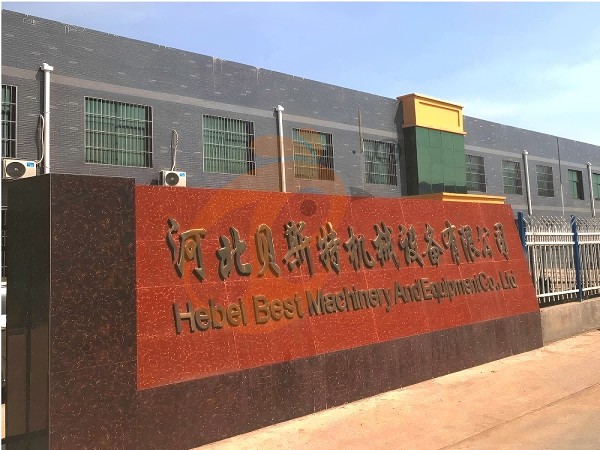
China Hebei Best Machinery And Equipment CO., LTD
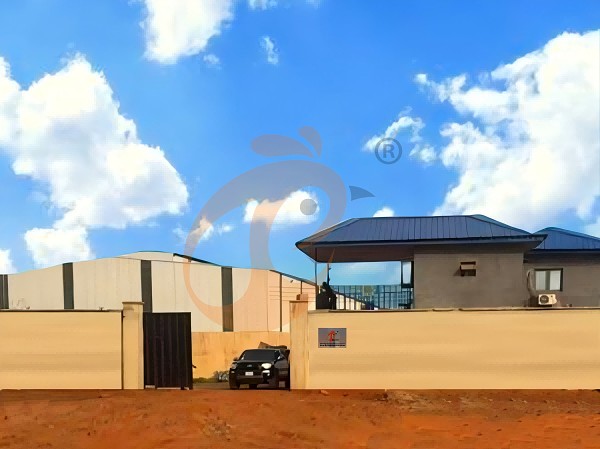
Nigeria Vanke Machinery And Equipment CO., LTD
Tanzania Best Machinery And Equipment CO., LTD
Ethiopia Best Hebei Machinery Manufacturing PLC
Reception /24 online WhatsApp NO. : +8613582487372
Share


More
 Unmatched Advantage Of Battery Cage Systems In Latin America | Taiyu
- Key Advantages Of Chicken Battery Cage Designs In Africa | Taiyu
 Proven Advantages Of Chicken Cage Systems For Southeast Asia | Taiyu
- Essential Advantage Of Chicken Battery Cages
- Newest Poultry Equipment List And Price Complete Guide For 1,000 To 100,000+ Birds
- Newest Fully Automated Poultry Farm Equipment List And Cost For 1,000–100,000+ Birds
- Top 11 Popular And Different Poultry Farm Equipment For 1,000 To 100,000+ Chickens
- 11 Exact Tips Of Automatic Poultry Equipment Vs Semi-Automatic Poultry Equipment