NEWS
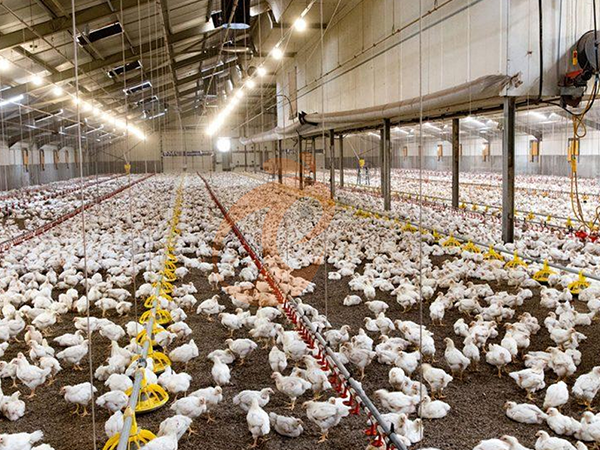
Free range poultry system management integrates automatic poultry feeding systems, nipple drinking systems, and poultry ventilation equipment for commercial farms operating across multiple production stages.
Seven daily checks cover feed delivery, water quality, ventilation, egg collection, outdoor access, flock health, and equipment maintenance.
Automatic poultry equipment helps reduce repetitive labor and maintain consistent operations across commercial facilities.
Integrated poultry farm equipment connects sensors, motors, conveyors, and controllers for coordinated monitoring and maintenance.
Equipment planning considers building dimensions, production targets, and a 20–30% expansion allowance to support future farm development.
Get professional poultry farm construction guidance, equipment selection solutions, and the latest price lists.
Please contact us, WhatsApp NO. : +8613582487372, click to learn more.
Daily Check: Inspect Feeding Equipment
Data is for reference only.Swipe horizontally to view full table.
Consistent feeding supports flock uniformity and production performance. Inspect feed availability, augers, motors, and distribution points during each morning walkthrough.
Adult laying hens commonly consume approximately 110–120 g of feed daily, depending on breed and production conditions.
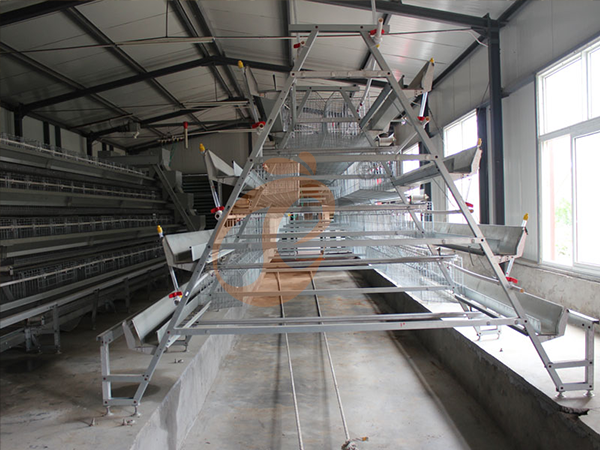
Equipment recommendation automatic poultry feeding systems combine storage hoppers, conveying augers, and feeder pans to reduce manual handling and maintain consistent feed distribution.
Daily Check: Verify Drinking Water Quality
Data is for reference only.Swipe horizontally to view full table.
Clean water supports hydration and egg production. Inspect pipelines for leaks, blocked nipples, and sediment.
Compare water consumption against the flock's established baseline and investigate unexpected changes.
Equipment recommendation automatic poultry drinking systems combine nipple drinkers, pressure regulators, filters, and dosing pumps to provide controlled water delivery and simplify routine management.
Daily Check: Monitor Ventilation And Temperature
Data is for reference only.Swipe horizontally to view full table.
Ventilation removes excess heat, moisture, and airborne contaminants.
For a poultry house measuring 1,000 m², fan selection must account for bird weight, stocking density, seasonal conditions, and required air exchange.
Equipment recommendation poultry ventilation equipment combines exhaust fans, environmental controllers, and digital sensors to regulate indoor conditions and trigger alarms when readings exceed configured limits.
Daily Check: Inspect Nesting And Egg Collection Systems
Data is for reference only.Swipe horizontally to view full table.
Clean, accessible nests encourage appropriate laying behavior. Inspect nesting surfaces and conveyor belts daily, and record cracked eggs to identify handling problems.
For commercial planning, annual production targets commonly range from 280–330 eggs per hen, depending on strain and management.
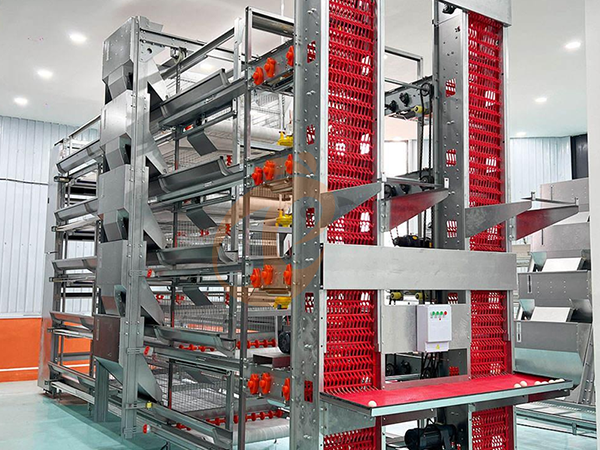
Equipment recommendation automatic poultry nesting systems and egg collection conveyors reduce manual carrying and streamline egg transfer to central collection areas.
Daily Check: Evaluate Litter And Outdoor Access
Data is for reference only.Swipe horizontally to view full table.
Inspect litter, drainage, fencing, and pop-hole mechanisms daily, particularly after rainfall.
Free-range poultry systems should also provide weather protection and predator control appropriate to the site.
Europan union requirements must be checked against the applicable production and certification rules.
Equipment recommendation galvanized poultry fencing, automatic pop-hole doors, and drainage equipment support controlled outdoor access and routine range management.
Daily Check: Observe Flock Health And Behavior
Data is for reference only.Swipe horizontally to view full table.
Observe bird movement, breathing, distribution, and feeding behavior during daily inspections.
Sudden changes in consumption or production may indicate health problems, environmental stress, or equipment faults.
Maintain flock records for at least 12 months where required by farm procedures or applicable regulations.
Equipment recommendation poultry monitoring equipment includes water meters, feed-level sensors, environmental sensors, and digital production records to support timely fault detection.
Daily Check: Review Equipment Safety And Maintenance
Data is for reference only.Swipe horizontally to view full table.
Record equipment faults, operating hours, and replaced components.
Follow manufacturer maintenance schedules and isolate electrical power before servicing moving machinery.
A planned maintenance review every 3–6 months can help identify wear before equipment failure.
Equipment recommendation durable poultry equipment with standardized motors, corrosion-resistant components, and accessible service points simplifies maintenance and spare-parts management.
Engineering Essentials: Equipment Configuration
Capacity planning
Match feeder access, drinking capacity, and ventilation performance to flock population and building dimensions.
Material selection
Specify corrosion-resistant components suitable for routine cleaning, disinfection, and humid farm environments.
System integration
Coordinate feeding, drinking, ventilation, and alarm controls to simplify operation and fault identification.
An integrated poultry equipment layout should preserve service access, emergency exits, and bird movement routes.
Modular equipment design also allows future extensions without unnecessarily redesigning the entire facility.
Practical Tip Card: Daily Management
Standardize inspections
Follow a fixed inspection route and assign responsibilities to designated operators.
Track performance
Record feed intake, water consumption, egg production, and equipment faults.
Prepare spare parts
Maintain compatible replacement nipples, sensors, belts, and electrical components.
Train operators
Document startup, shutdown, emergency response, and safe maintenance procedures.
Consistent records help identify recurring faults and improve poultry equipment maintenance planning.
Assigning responsibilities by shift further reduces missed inspections and incomplete records.
Recommended Equipment Combinations
Package A
Essential automation
Automatic feeding lines, feed hoppers, nipple drinkers, pressure regulators, and filtration units for farms upgrading manual operations.
Package B
Environmental management
Exhaust fans, environmental controllers, temperature sensors, humidity sensors, and alarms for coordinated climate control.
Package C
Layer farm automation
Nesting systems, egg collection conveyors, automatic feeders, drinking lines, and production monitoring equipment.
Select poultry equipment according to flock size, building layout, labor availability, and local regulations. Integrated equipment packages simplify procurement, installation coordination, commissioning, and ongoing maintenance.
Daily Operation Workflow
01
Morning inspection
Check feed delivery, water supply, alarms, and environmental readings.
02
Flock inspection
Observe bird behavior, litter condition, nests, and outdoor access.
03
Equipment inspection
Review egg collection, motors, conveyors, and visible faults.
04
Record and correct
Document irregularities and resolve operational problems.
05
End-of-day verification
Confirm feeding, drinking, ventilation, and emergency systems are operational.
Effective free-range poultry management combines daily inspections, trained operators, and suitable poultry equipment. Automated feeding, drinking, ventilation, nesting, and egg collection systems support consistent operations and manageable maintenance requirements.
Frequently Asked Questions
Q1: What equipment is essential for a free-range poultry system?
A1: Core equipment includes automatic feeders, nipple drinkers, ventilation fans, nesting systems, and environmental controllers.
Capacity should match flock size and applicable welfare requirements.
Q2: How often should poultry equipment be inspected?
A2: Inspect feeding, drinking, ventilation, and flock conditions daily.
Follow manufacturer schedules for servicing motors, conveyors, and electrical components.
Q3: How can automatic poultry equipment improve efficiency?
A3: Automation reduces repetitive manual tasks and supports consistent feed delivery, water supply, and environmental monitoring.
Taiyu (HK) Group - One Of China Largest Free Range Poultry System Manufacturer
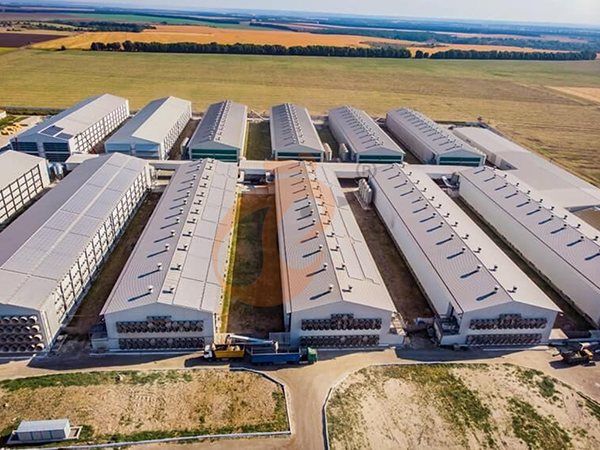
Free-range poultry systems integrate feeding, drinking, ventilation, and egg collection equipment for commercial projects accommodating 5,000–100,000 birds.
Global factory-direct supply provides poultry equipment, technical specifications, and project-based equipment configurations for international customers.
Product ranges include feeders, drinkers, environmental controllers, nesting systems, conveyors, and replacement components.
Turn-key engineering services cover project planning, equipment selection, layout coordination, installation guidance, and commissioning.
Technical support includes operator training, spare-parts coordination, and after-sales service for international poultry farming projects.
Contact Us To Received Your Customized Poultry Farm Plan
Headquarters And Branchs
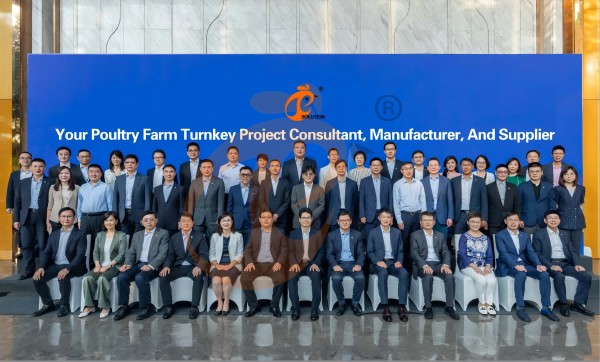
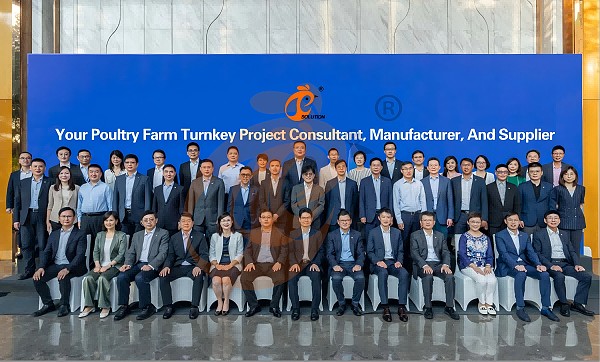
Hong Kong Headquarter Management Team
Hong Kong Headquarter Taiyu Industrial Group CO., LTD
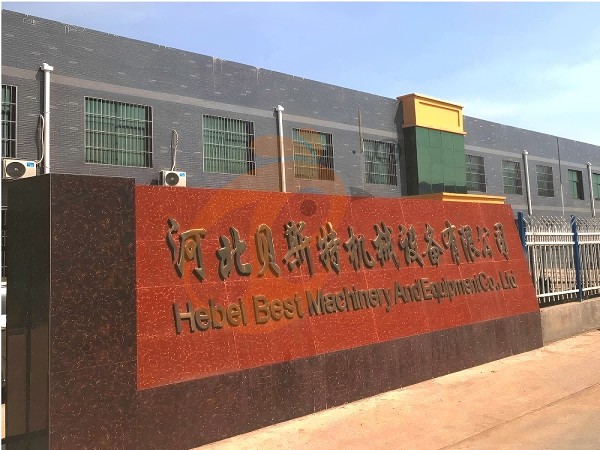
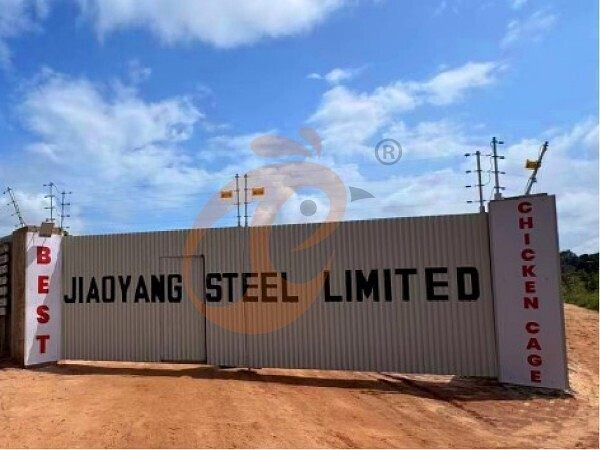
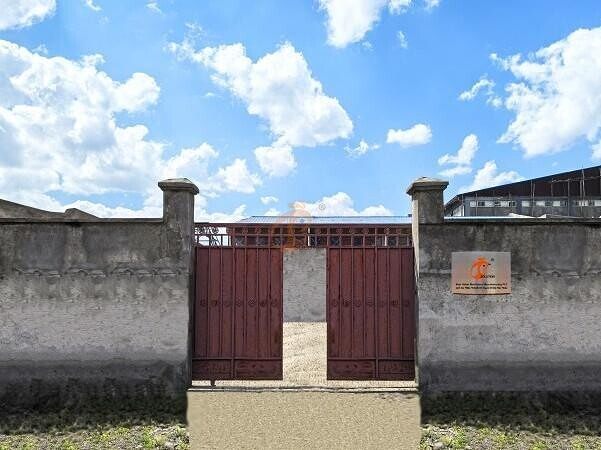
China Hebei Best Machinery And Equipment CO., LTD
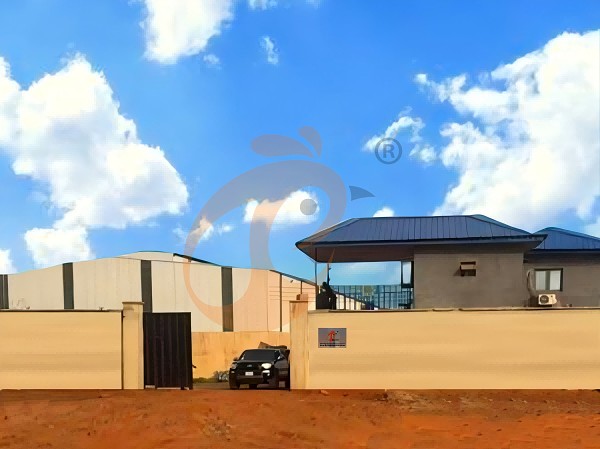
Nigeria Vanke Machinery And Equipment CO., LTD
Tanzania Best Machinery And Equipment CO., LTD
Ethiopia Best Hebei Machinery Manufacturing PLC
Reception /24 online WhatsApp NO. : +8613582487372
Share


More
 Unmatched Advantage Of Battery Cage Systems In Latin America | Taiyu
- Key Advantages Of Chicken Battery Cage Designs In Africa | Taiyu
 Proven Advantages Of Chicken Cage Systems For Southeast Asia | Taiyu
- Essential Advantage Of Chicken Battery Cages
- Newest Poultry Equipment List And Price Complete Guide For 1,000 To 100,000+ Birds
- Newest Fully Automated Poultry Farm Equipment List And Cost For 1,000–100,000+ Birds
- Top 11 Popular And Different Poultry Farm Equipment For 1,000 To 100,000+ Chickens
- 11 Exact Tips Of Automatic Poultry Equipment Vs Semi-Automatic Poultry Equipment