NEWS
Deploy automated poultry floor feeding systems to control feed conversion ratio and save $14,000 annually.
Maintain precise ventilation equipment and climate sensors to eliminate temperature variations above 1.5°C across floor spans.
Install leak-proof broiler nipple drinking lines operating at 25 mbar pressure to keep litter moisture below 25%.
Calibrate motor-driven line winching systems every 3 days to adjust pan rim levels within 15 mm accuracy.
Integrate smart poultry house environmental controllers with 32-bit microprocessors to deliver 6 m³/h/kg airflow dynamically.
Get professional poultry farm construction guidance, equipment selection solutions, and the latest price lists.
Please contact us, WhatsApp NO. : +8613582487372, click to learn more.
Feed Conversion Dynamics In Floor Systems
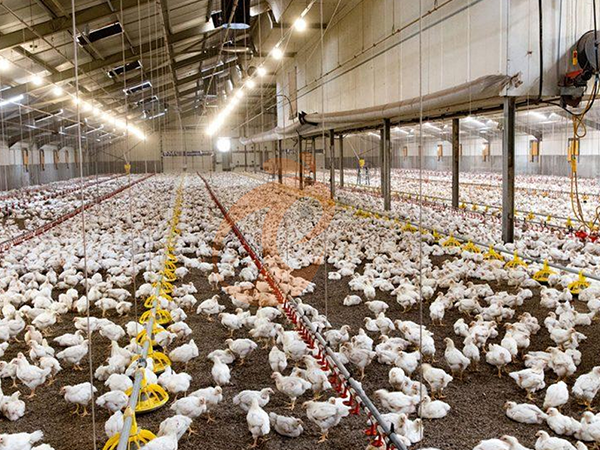
Deploying automated poultry floor feeding systems enables commercial operations to maintain an optimal feed conversion ratio of 1.48 across 50,000 birds.
Floor rearing environments introduce severe physical forces that accelerate feed waste levels to 3.5% across 150-meter spans.
Unlike caged setups, floor-raised poultry expend up to 18 kcal/kg/day in kinetic energy during movement while accessing floor pan feeders.
Improper broiler pan feeder clearance below 80 mm causes direct mechanical spillage into floor litter matrixes.
Microclimates dropping below 18°c force birds to convert 12% more dietary calories into core body heat maintenance.
Damp litter exceeding 30% moisture harbors pathogens that reduce intestinal villi height by up to 250 μm.
Auger conveying distances exceeding 120 meters cause particle size separation, dropping fine protein concentration by 1.8%.
Quantitative Benchmarks For Floor Operations
Monitoring standard poultry equipment indicators allows engineers to isolate automated poultry floor feeding systems inefficiencies from biological health issues.
Data is for reference only. Swipe horizontally to view full table.
Step 1: Automated Pan Feeding Optimization
Automated poultry floor feeding systems serve as the core mechanical interface for bird nutrition delivered through commercial floor pan feeders.
Maximizing pan delivery efficiency requires precise adjustments of anti-waste rims and auger delivery speeds set to 18 m/min.
Our heavy-duty floor pan feeders feature a patented 14-spoke grill design with a 65 mm rim depth that eliminates feed flicking.
Data is for reference only. Swipe horizontally to view full table.
Precision Microclimate & Ventilation Control
Thermal stress increases bird respiration to over 160 breaths per minute while operating climate-controlled poultry housing.
Using automated poultry floor feeding systems alongside negative-pressure tunnel ventilation preserves uniform air movement across floor spans up to 24 meters wide.
Air pressure stabilization maintaining static air pressure via tunnel ventilation prevents cold air dumping near floor pan feeders.
Temperature gradient elimination proper climate automation prevents air temperature differentials exceeding 1.5°c across floor spans.
Metabolic Protection eliminating temperature variations prevents birds from converting feed energy into metabolic thermal regulation.
Data is for reference only. Swipe horizontally to view full table.
Nipple Drinking Systems & Litter Management
Water intake ratios averaging 1.8:1 relative to feed consumption directly dictate digestion rates when managing automated poultry floor feeding systems.
A wet floor environment with moisture exceeding 35% around floor pan feeders damages intestinal health, leading to lower nutrient absorption.
Closed-pipe broiler nipple drinking lines operating at 25 mbar line pressure ensure consistent water delivery without spilling onto floor litter.
Our closed stainless-steel broiler nipple drinking lines utilize 360-degree trigger pins calibrated to 120 g actuation force to ensure hydration at 12–15 birds per nipple.
Data is for reference only. Swipe horizontally to view full table.
Step 4: Mechanical Height & Line Calibration
As floor birds grow, automated poultry floor feeding systems lines must be adjusted by 15–20 mm every 3 days.
If floor pan feeders are set below back height, birds flick feed onto the litter; if set above 50 mm past back height, daily intake drops by up to 12 grams per bird.
Engineered poultry line winching systems with a 1,000 kg tensile cable capacity enable millimeter-accurate adjustments along the entire line.
Feed Quality & Physical Form Preservation
Preserving feed physical form with a pellet durability Index of 92% optimizes feed intake in automated poultry floor feeding systems.
Excessive mechanical friction inside feed auger delivery tubes generating over 45°c surface heat degrades pellets into dust fines under 1.0 mm that floor pan feeders cannot retain effectively.
Data is for reference only. Swipe horizontally to view full table.
Our high-capacity feed silo and auger conveyance systems utilize smooth-wall 75 mm galvanized steel piping and 45-degree wide-radius elbows to prevent pellet breakage during 2.5 ton/hour transport volumes.
Lighting Uniformity & Behavioral Management
Illumination uniformity exceeding 80% directly influences bird movement and feeding frequency around automated poultry floor feeding systems.
Non-uniform lighting with lux variations greater than 15 lux creates shaded zones, causing overcrowding at specific floor pan feeders while leaving others underutilized.
Using dimmable, Ip67 poultry led lighting systems operating on 48 v dc produces balanced, flicker-free illumination across the entire floor layout.
Balanced light distribution ensures equal bird distribution within a 0.5 meter radius of all floor pan feeders.
Data is for reference only. Swipe horizontally to view full table.
Comprehensive System Integration For Optimal FCR
Integrating automated poultry floor feeding systems, broiler nipple drinking lines, climate controls, and poultry led lighting systems into a single automated framework controlled by 32-bit microprocessors maximizes floor rearing efficiency.
Connecting automated floor pan feeders with smart poultry house environmental controllers ensures feeding schedules adapt dynamically to ambient temperature changes, ventilation rates of 6 m³/h/kg, and flock growth metrics.
Continuous real-time communication between subsystem sensors prevents feed accumulation during thermal stress events.
Dynamic sensor feedback maintains optimal feed availability without encouraging bird overcrowding along feed lines.
Financial Return Analysis On Equipment Upgrades
Upgrading to modern automated poultry floor feeding systems directly yields financial returns by lowering fcr by 0.04 to 0.08 points and reducing operational labor requirements by 12 hours per batch.
European union standard reference only.
Data is for reference only. Swipe horizontally to view full table.
Maintenance Protocols For Long-Term Efficiency
Daily inspections: clean proximity sensors on end floor pan feeders operating at 24 v dc, monitor line height alignment, and verify water pressure gauges reading 0.2 bar.
Weekly maintenance: inspect auger drive belts for 10 mm deflection limits, flush broiler nipple drinking lines at 2.0 bar pressure, and check winching wire tension on automated poultry floor feeding systems.
Flock turnaround protocol: sanitize pan assemblies with 200 ppm chlorine solution, inspect feed tube connections for wear tolerances within 0.5 mm, and calibrate motor drive gears.
Equipment Selection Guide For Modern Floor Rearing
Choosing engineered automated poultry floor feeding systems built for high-density floor environments housing up to 45 kg/m² biomass is essential for long-term flock performance and operational profitability.
Our company delivers complete floor rearing solutions designed to maximize feed conversion and streamline barn management:
Heavy-duty floor pan feeders constructed with 2.8 mm thick polypropylene polymers, engineered to stop feed flicking and reduce waste.
Closed stainless drinking systems leak-proof broiler nipple drinking lines operating up to 3.5 bar system pressure that keep litter dry and lower disease pressure.
High-torque silo & auger conveyors continuous 350 kg capacity drive units that protect pellet durability from silo to pan.
Automated environmental controllers integrated smart poultry house environmental controllers with ±0.1°c temperature sensor precision that regulate ventilation, static pressure, and feeding schedules in real time.
Contact our engineering team today to audit your house layout and receive a tailored quote on high-efficiency equipment upgrades.
Frequently Asked Questions
Q1: How do automated poultry floor feeding systems directly improve house feed conversion ratios?
A1: Automated poultry floor feeding systems maintain precise 35 mm fill heights and utilize 65 mm anti-spill pan rims, preventing mechanical spillage and maintaining an optimal 1.48 fcr across 50,000 broilers.
Q2: What line pressure setting is required for broiler nipple drinking lines to maintain dry litter?
A2: Broiler nipple drinking lines should operate at a static line pressure of 25 mbar with 120 g trigger pin actuation force to prevent floor dripping and keep litter moisture below 25%.
Q3: Why should smart poultry house environmental controllers be integrated with automated feed lines?
A3: Smart poultry house environmental controllers dynamically regulate 6 m³/h/kg minimum ventilation rates, preventing temperature shifts above 1.5°c that force birds to burn feed energy for core body thermoregulation.
Taiyu (HK) Group - One Of China Largest Automated Poultry Floor Feeding System Exporter
Our high-capacity automated poultry floor feeding system incorporates 0.75 kw drive motors operating at 350 rpm with Ø 45 mm tensile steel augers to deliver 2.5 tons per hour across 150-meter floor lines without feed segregation.
We deliver factory-direct solutions directly from our global manufacturing facilities to eliminate distributor markups and guarantee rapid equipment deployment for large-scale operations.
Our complete range of commercial poultry equipment includes feed silos, automated feeding lines, nipple drinking systems, and climate control infrastructure built to international standards.
We provide full turn-key project management covering engineering design, structural layout, equipment supply, installation supervision, and system commissioning.
Our global technical support network ensures 24/7 technical assistance, spare parts supply, and routine maintenance guidance for maximum operational uptime.
Contact Us To Received Your Customized Poultry Farm Plan
Headquarters And Branchs
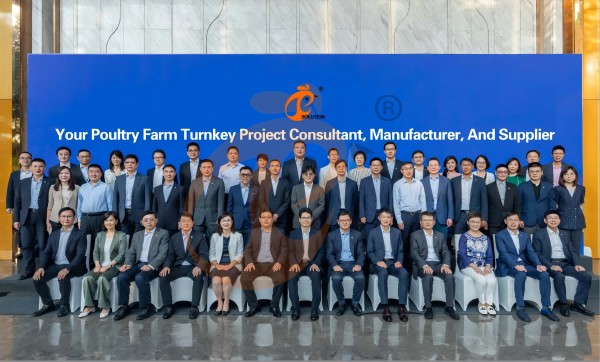
Hong Kong Headquarter Management Team
Hong Kong Headquarter Taiyu Industrial Group CO., LTD
China Hebei Best Machinery And Equipment CO., LTD
Nigeria Vanke Machinery And Equipment CO., LTD
Tanzania Best Machinery And Equipment CO., LTD
Ethiopia Best Hebei Machinery Manufacturing PLC
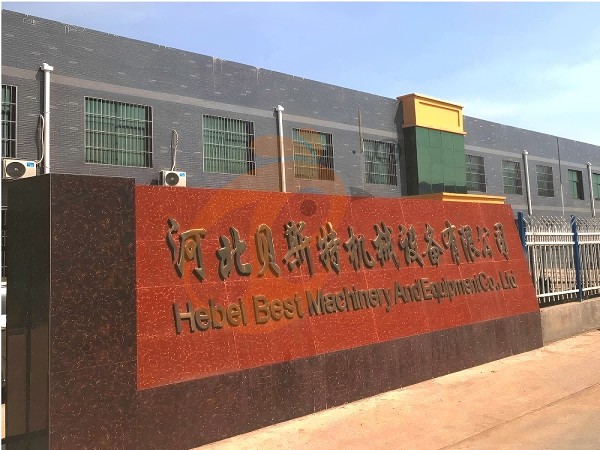
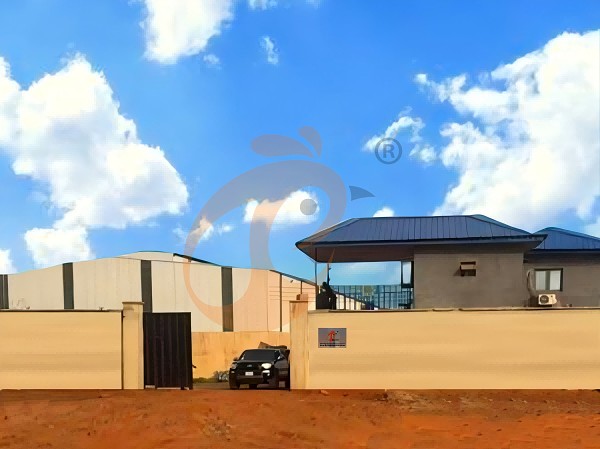
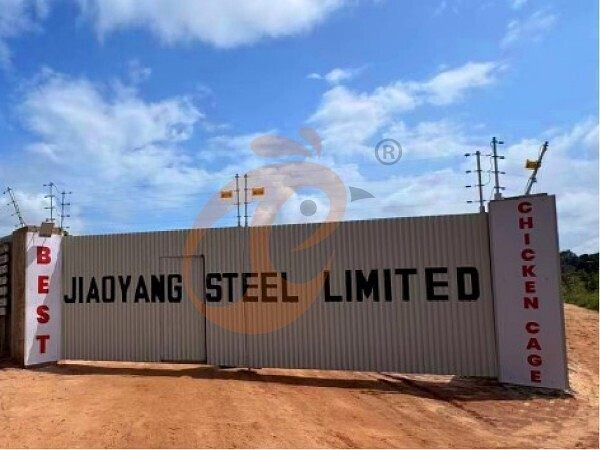
Reception /24 online WhatsApp NO. : +8613582487372
Share


More
 Unmatched Advantage Of Battery Cage Systems In Latin America | Taiyu
- Key Advantages Of Chicken Battery Cage Designs In Africa | Taiyu
 Proven Advantages Of Chicken Cage Systems For Southeast Asia | Taiyu
- Essential Advantage Of Chicken Battery Cages
- Newest Poultry Equipment List And Price Complete Guide For 1,000 To 100,000+ Birds
- Newest Fully Automated Poultry Farm Equipment List And Cost For 1,000–100,000+ Birds
- Top 11 Popular And Different Poultry Farm Equipment For 1,000 To 100,000+ Chickens
- 11 Exact Tips Of Automatic Poultry Equipment Vs Semi-Automatic Poultry Equipment