NEWS
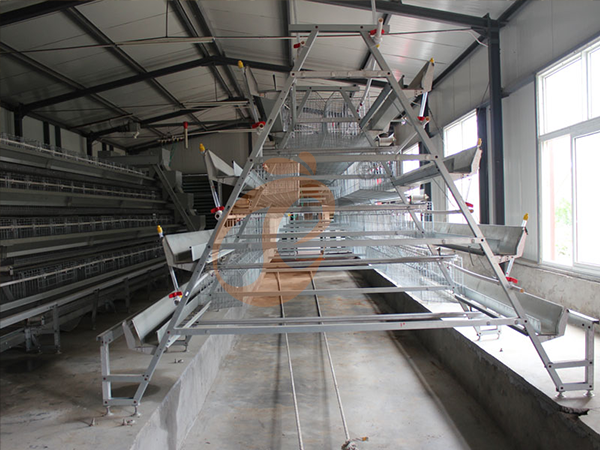
Layer chicken cages combine durable housing, automated handling, and structured maintenance for reliable commercial egg production across demanding poultry operations.
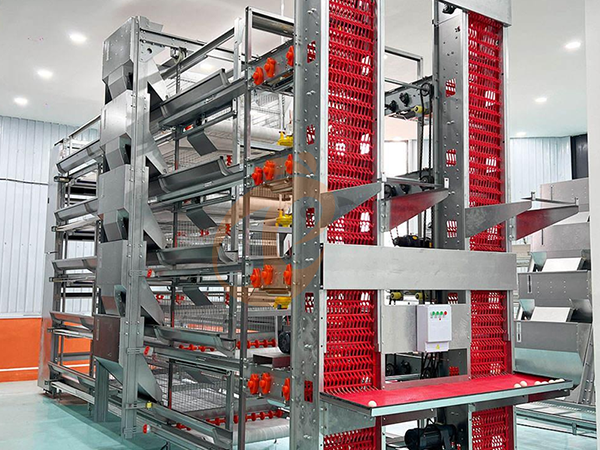
Automatic layer cage systems coordinate feeding, drinking, manure removal, and egg collection while supporting efficient workflows, reduced labor, and scalable production.
Seven maintenance priorities cover structures, feeders, drinkers, manure belts, egg collection, accessories, corrosion control, and preventive records for long-term reliability.
Dimensions, capacities, inspection intervals, and component specifications help align poultry cage system selection with layouts, flock capacity, and maintenance planning.
Commercial configuration data, service routines, and engineering guidance support informed equipment planning, replacement decisions, project upgrades, and sustainable operating value.
Get professional poultry farm construction guidance, equipment selection solutions, and the latest price lists.
Please contact us, WhatsApp NO. : +8613582487372, click to learn more.
Engineering Key Points: Why Cage Maintenance Matters
Layer chicken cages operate continuously under demanding farm conditions with daily production cycles.
Feed dust, manure, humidity, ammonia, vibration, and frequent cleaning gradually affect equipment.
A planned maintenance program protects production continuity and helps farms control replacement costs throughout the equipment lifecycle.
Engineering Priorities
- Inspect layer chicken cages every 30 days.
- Keep ammonia exposure below 20 ppm where farm management standards require it.
- Maintain house relative humidity around 50–70%.
- Check automatic layer cage system vibration at least every 90 days.
- Keep poultry cage system maintenance records for each production cycle.
A professionally engineered layer chicken cage combines durable materials with feeding, drinking, manure removal, egg collection, and environmental-control equipment.
Maintenance Schedule Table: Build A Routine
Data is for reference only.Swipe horizontally to view full table.
A preventive schedule allows layer chicken cage operators to identify mechanical problems before production interruption.
Tip Card: Keep The Cage Structure Stable
Tip Card — Structural Stability
Check: Bolts, brackets, welded joints, cage supports, and frame alignment.
Watch For
- Layer chicken cage bolt loosening above 2 mm visible movement.
- Frame deviation exceeding 5 mm.
- Damaged joints longer than 10 mm.
- Uneven support points above 3 mm.
Best practice tighten or replace damaged components promptly instead of waiting for structural failure.
A poultry cage system with properly maintained connections provides a stable foundation for continuous commercial operation.
Cleaning And Corrosion Control Table
Data is for reference only.Swipe horizontally to view full table.
Corrosion control for layer chicken cages should focus on moisture sources, manure accumulation, damaged coatings, and joints where organic material can remain trapped.
Process Structure: A Simple 5-Step Inspection Workflow
Step 1 — Observe
Walk through the layer chicken cage house and identify abnormal noise, vibration, leakage, or deformation within 15 minutes per inspection zone.
Step 2 — Check
Inspect cage frames, feeding lines, drinking lines, manure belts, motors, and controls at 3 inspection points per row.
Step 3 — Clean
Remove feed residue and manure from automatic layer cage system operating areas using a planned cleaning cycle of 7 days.
Step 4 — Adjust
Correct belt tracking, tighten fasteners, and restore feeder or drinker operation within 24 hours of identifying a fault.
Step 5 — Record
Record poultry cage system condition using 1 maintenance sheet per production line.
A structured workflow turns layer chicken cage maintenance into repeatable management instead of emergency repair.
Feeding Equipment Maintenance Table
Data is for reference only.Swipe horizontally to view full table.
A reliable automatic layer cage system supports consistent feed distribution while reducing repetitive manual work.
Equipment Combination Recommendation
For commercial layer farms, layer chicken cages become more efficient when equipment is designed as an integrated production system.
Recommended Configuration
Layer Chicken Cages
↓
Automatic Feeding System
↓
Automatic Drinking System
↓
Manure Removal System
↓
Egg Collection System
↓
Environmental Control System
A complete poultry cage system can be configured around house dimensions, flock capacity, automation requirements, and expansion plans.
Drinking System Inspection Table
Data is for reference only.Swipe horizontally to view full table.
Because layer chicken cages require continuous water access, drinking equipment deserves daily attention.
A properly configured automatic layer cage system can simplify routine operation and reduce leakage-related maintenance.
Skill Card: Protect The Manure Removal System
Skill Card — Manure Belt Care
1. Keep poultry cage system belt tracking deviation within 10 mm.
2. Inspect roller surfaces every 7 days.
3. Remove buildup exceeding 5 mm.
4. Check drive components after every 100 operating hours.
5. Stop the system if belt damage exceeds 50 mm.
Automatic manure removal is an important part of modern layer chicken cage equipment.
Proper belt maintenance keeps manure moving efficiently and reduces unnecessary manual cleaning.
Egg Collection And Cage Accessories Table
Data is for reference only.Swipe horizontally to view full table.
Small accessories can significantly affect layer chicken cage performance across the complete production line.
Correct belt alignment and properly matched collection equipment help reduce unnecessary mechanical stress.
Layer Chicken Cage Configuration Reference
Data is for reference only.Swipe horizontally to view full table.
Seven Key Tips At A Glance
Data is for reference only.Swipe horizontally to view full table.
The most effective maintenance strategy for layer chicken cages is preventive rather than reactive.
Selecting suitable automatic layer cage system specifications also makes inspection, component replacement, and future expansion more manageable.
Maintenance Checklist: Turn Equipment Into Long-Term Value
Before Operation
- ☐ Check layer chicken cage stability.
- ☐ Confirm feeders are functioning.
- ☐ Test drinking lines.
- ☐ Check manure removal equipment.
- ☐ Inspect egg collection equipment.
During Operation
- ☐ Watch for abnormal noise.
- ☐ Monitor leakage and vibration.
- ☐ Check feed and water delivery.
- ☐ Observe belts and drive systems.
During Scheduled Maintenance
- ☐ Tighten connections.
- ☐ Clean critical components.
- ☐ Inspect corrosion.
- ☐ Replace damaged parts.
- ☐ Record maintenance results.
A layer chicken cage is more than a housing structure because equipment integration directly affects daily farm management.
A complete poultry cage system can combine automated feeding, drinking, manure removal, egg collection, and environmental-control equipment for commercial production.
For new layer houses or upgrades, an experienced automatic layer cage system supplier can match equipment configuration with building dimensions, flock capacity, automation requirements, and maintenance strategy.
Frequently Asked Questions
Q1: How often should layer chicken cages receive preventive inspection?
A1: Monthly structural inspection is a practical starting point, while daily checks should cover drinking equipment, visible cage conditions, and automatic layer cage system operation.
Q2: What equipment should be integrated with a layer chicken cage?
A2: An automatic layer cage system can integrate feeding, drinking, manure removal, egg collection, and environmental control into one coordinated production line.
Q3: How can a poultry cage system reduce maintenance pressure?
A3: A poultry cage system with automated material handling reduces repetitive manual operations, while scheduled inspections help identify equipment faults before larger repairs become necessary.
Taiyu (HK) Group - One Of China Largest Layer Chicken Cage Supplier
Layer chicken cages feature configurable 4-, 8-, 12-, or 16-tier structures, 60 × 62.5 × 48 cm cells, and 8 birds per cell for commercial layer-house projects.
Global factory-direct poultry equipment supply supports coordinated cage, feeding, drinking, manure, egg collection, and environmental-control configurations.
Turn-key poultry equipment engineering covers project planning, equipment matching, production coordination, installation guidance, and commissioning support.
Poultry equipment solutions support new farms, capacity expansion, equipment replacement, and integrated commercial layer-house projects.
Factory-based manufacturing enables direct technical communication, specification confirmation, component matching, and project-oriented equipment delivery.
Contact Us To Received Your Customized Poultry Farm Plan
Headquarters And Branchs
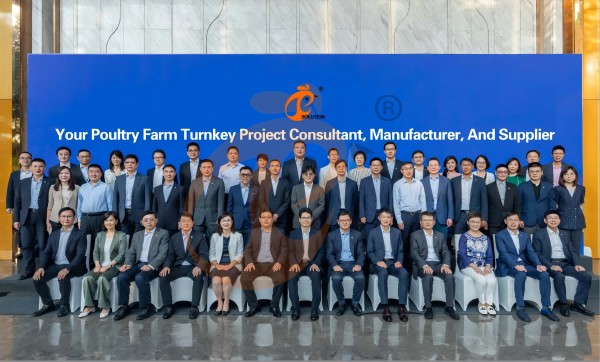
Hong Kong Headquarter Management Team
Hong Kong Headquarter Taiyu Industrial Group CO., LTD
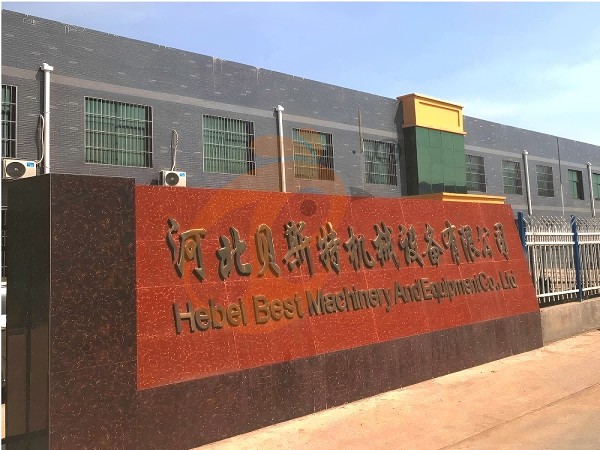
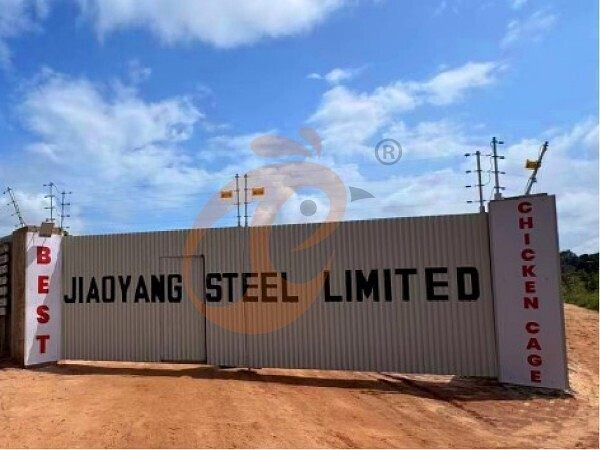
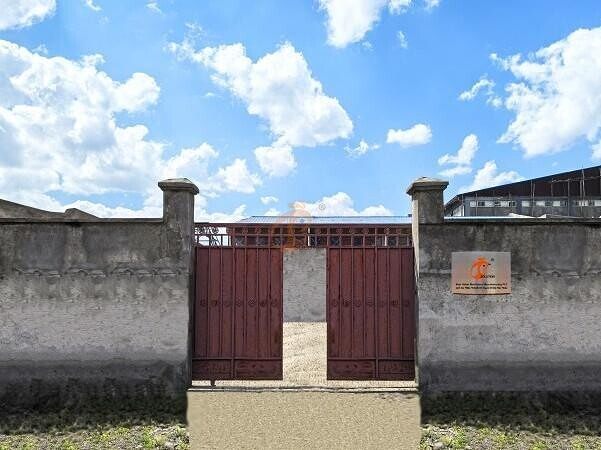
China Hebei Best Machinery And Equipment CO., LTD
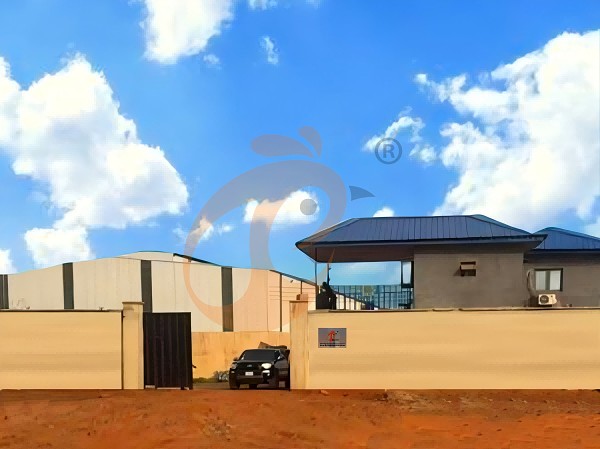
Nigeria Vanke Machinery And Equipment CO., LTD
Tanzania Best Machinery And Equipment CO., LTD
Ethiopia Best Hebei Machinery Manufacturing PLC
Reception /24 online WhatsApp NO. : +8613582487372
Share


More
 Unmatched Advantage Of Battery Cage Systems In Latin America | Taiyu
- Key Advantages Of Chicken Battery Cage Designs In Africa | Taiyu
 Proven Advantages Of Chicken Cage Systems For Southeast Asia | Taiyu
- Essential Advantage Of Chicken Battery Cages
- Newest Poultry Equipment List And Price Complete Guide For 1,000 To 100,000+ Birds
- Newest Fully Automated Poultry Farm Equipment List And Cost For 1,000–100,000+ Birds
- Top 11 Popular And Different Poultry Farm Equipment For 1,000 To 100,000+ Chickens
- 11 Exact Tips Of Automatic Poultry Equipment Vs Semi-Automatic Poultry Equipment