NEWS
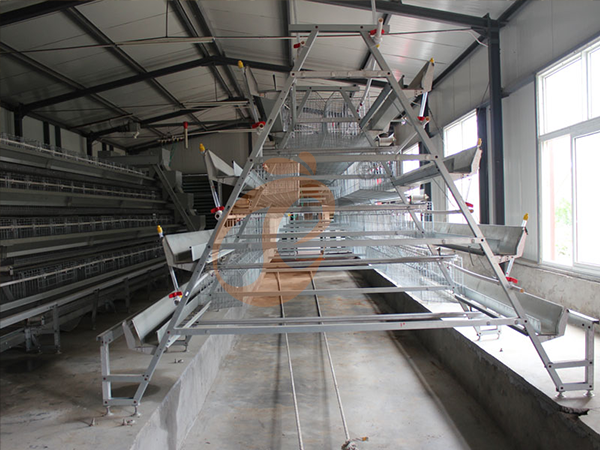
- Commercial layer chicken cages combine hygienic housing, automated handling, and sanitation, with service zones typically organized across 20–30 m sections.
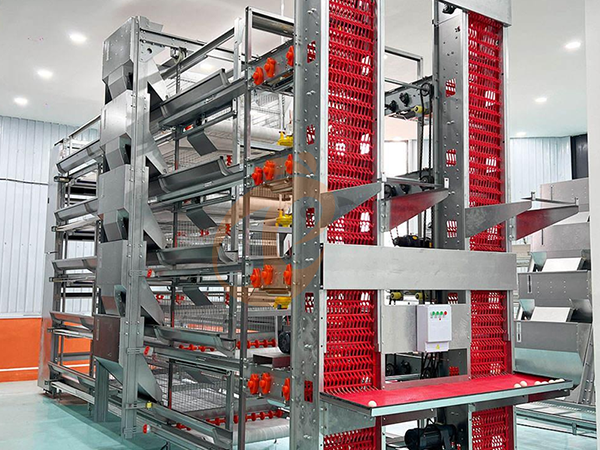
Automatic layer cage systems connect feeding, drinking, manure removal, egg collection, and environmental management into coordinated production workflows.
Poultry manure removal systems reduce organic accumulation and support faster cleaning cycles, while galvanized structures improve corrosion resistance during repeated washing.
Practical sanitation depends on sequential dry cleaning, pressure washing, system flushing, disinfection, drying, and equipment verification.
- Commercial layer chicken cages deliver stronger operational value when cleanability, automation, maintenance access, and poultry equipment integration guide project design.
Get professional poultry farm construction guidance, equipment selection solutions, and the latest price lists.
Please contact us, WhatsApp NO. : +8613582487372, click to learn more.
Six-Step Commercial Cleaning Workflow
Data is for reference only.Swipe horizontally to view full table.
Commercial layer chicken cages follow a six-step workflow combining mechanical manure removal, wet cleaning, system sanitation, chemical disinfection, and drying into one repeatable commercial procedure.
Step 1 — Empty The Cage And Perform Dry Cleaning
Preparation remove birds according to farm production schedules and biosecurity procedures.
Commercial layer chicken cages require motor, control-panel, and electrical-connector protection before washing, maintaining approximately 1.0 m separation from direct spray and using waterproof protection rated Ip55 or above where applicable.
Dry-cleaning sequence remove loose manure and dust with mechanical scrapers and brushes, using 30–50 mm brush widths around cage corners and wire intersections.
Automatic layer cage systems transfer waste away from cage tiers, while poultry manure removal systems can support vertical arrangements covering 2–4 cage tiers.
Equipment Inspection Before Washing
Data is for reference only.Swipe horizontally to view full table.
Commercial layer chicken cages should be inspected as integrated mechanical systems rather than separate components, with modular sections around 1.95 m simplifying installation and replacement.
Step 2 — Pressure Wash From Top To Bottom
Washing direction clean commercial layer chicken cages from upper components toward lower sections, maintaining a nozzle distance of approximately 300–500 mm and an operating angle near 45°.
Focus on wire joints, manure-belt supports, feed troughs, drinking-line brackets, and lower cage areas.
Automatic layer cage systems benefit from controlled pressure washing, while galvanized poultry equipment can use coating specifications around 80–100 g/m² for demanding wet environments.
Major Cage Components And Cleaning Requirements
Data is for reference only.Swipe horizontally to view full table.
Commercial layer chicken cages with accessible components simplify sanitation and routine maintenance, while modular construction can limit individual service intervention to approximately 30–60 minutes per service zone.
Step 3 — Clean The Feeding And Drinking Systems
Feed and water systems require dedicated attention because they directly interact with birds.
Commercial layer chicken cages should have feed troughs completely emptied before washing, while pipelines can be flushed using approximately 2–3 pipeline volumes per cleaning operation.
For automatic layer cage systems, inspect regulators, terminal assemblies, filters, and nipple outlets, with routine line cleaning scheduled around 7-day intervals according to farm water conditions.
Poultry manure removal systems should remain isolated from water-service sanitation because internal water hygiene depends on filtration, pressure regulation, pipeline design, and flushing procedures.
Hygiene Control Points For Automated Systems
Data is for reference only.Swipe horizontally to view full table.
Automation converts repetitive maintenance into structured system management, allowing commercial layer chicken cages to coordinate multiple rows through centralized control cabinets and cable routes positioned approximately 1.8–2.2 m above the service floor.
Step 4 — Apply Disinfection Correctly
Chemical stage: Apply an approved disinfectant to commercial layer chicken cages according to product-label requirements and local regulations, with contact time commonly specified around 10–30 minutes.
Coverage remains essential across cage surfaces, floors, supports, and contact areas, while calibrated dosing equipment can provide 1 mL measurement resolution.
Automatic layer cage systems should never be treated with mixed disinfectants unless manufacturers explicitly permit combinations.
Cleaning removes physical contamination, while disinfection addresses remaining microbial loads, making both stages essential within a professional sanitation sop.
Suggested Cleaning Frequency
Data is for reference only.Swipe horizontally to view full table.
Cleaning frequency for commercial layer chicken cages should reflect flock density, climate, manure characteristics, house configuration, and biosecurity procedures, with poultry manure removal systems incorporated into production calendars covering 30–90 days.
Step 5 — Dry The House And Verify Equipment
Data is for reference only.Swipe horizontally to view full table.
Drying commercial layer chicken cages requires environmental conditions around 18–24°c before bird re-entry, helping prevent residual moisture after sanitation.
Automatic layer cage systems should undergo functional testing after drying, with each drive unit operated for approximately 3 minutes before production resumes.
Step 6 — Build Hygiene Into The Cage System
Data is for reference only.Swipe horizontally to view full table.
The most effective sanitation strategy starts with commercial layer chicken cages engineered for accessibility, durability, and automation.
Automatic layer cage systems can integrate galvanized structures with feeding, drinking, egg collection, and manure-removal equipment.
Frequently Asked Questions
Q1: How often should commercial layer chicken cages be cleaned?
A1: Commercial layer chicken cages should follow a sanitation schedule based on manure conditions, flock density, climate, and farm biosecurity procedures.
Q2: Why is automatic manure removal important for cage hygiene?
A2: Poultry manure removal systems continuously transfer accumulated waste away from cage areas, reducing organic buildup between scheduled sanitation operations.
Q3: Which equipment should be checked after washing?
A3: Automatic layer cage systems should be checked across cage structures, conveyors, feeding lines, drinking equipment, drive assemblies, sensors, and electrical controls before birds return.
Taiyu (HK) Group - One Of China Toppest Commercial Layer Chicken Cages Manufacturer
Commercial layer chicken cages integrate galvanized cage structures with automated feeding, drinking, manure removal, and egg collection, supporting engineered poultry projects with 3–12 tiers
Global factory-direct supply covers complete poultry equipment, including cage systems, feeding lines, drinking systems, manure handling, egg collection, ventilation, and control components
Turn-key engineering supports project planning, equipment layout, manufacturing, installation guidance, commissioning, and technical documentation for commercial layer production facilities
Poultry equipment configurations can be engineered according to house dimensions, flock capacity, automation requirements, regional standards, and customer operating specifications
European union standard reference only commercial equipment specifications can be coordinated with applicable project requirements, while direct factory production supports controlled procurement and technical communication
Contact Us To Received Your Customized Poultry Farm Plan
Headquarters And Branchs
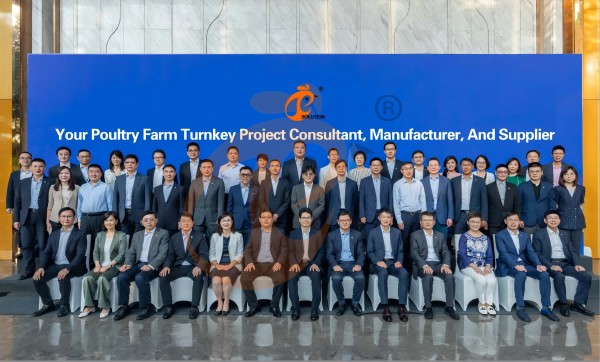
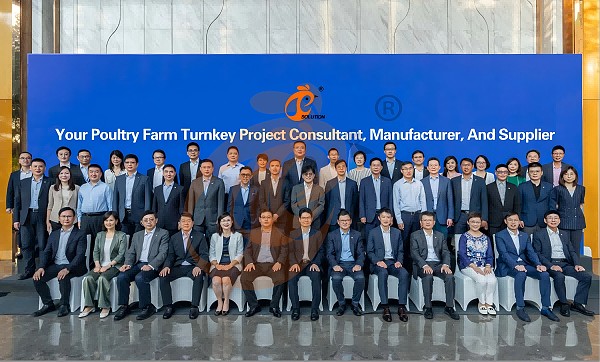
Hong Kong Headquarter Management Team
Hong Kong Headquarter Taiyu Industrial Group CO., LTD
China Hebei Best Machinery And Equipment CO., LTD
Nigeria Vanke Machinery And Equipment CO., LTD
Tanzania Best Machinery And Equipment CO., LTD
Ethiopia Best Hebei Machinery Manufacturing PLC
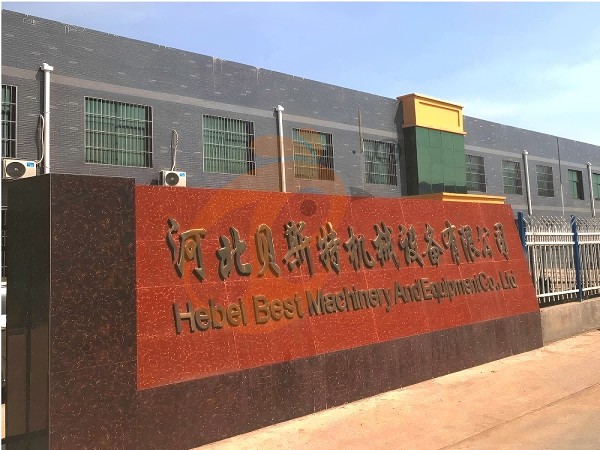
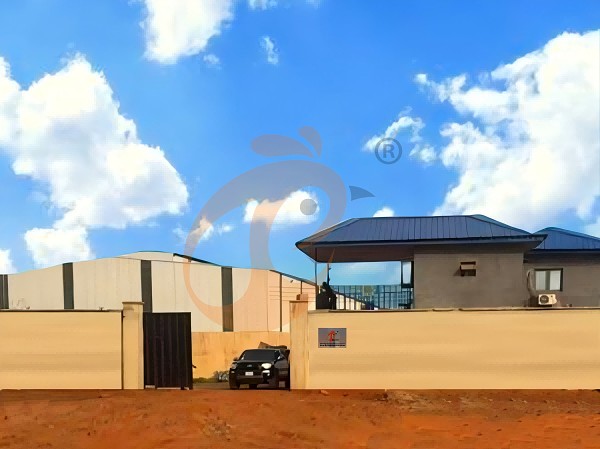
Reception /24 online WhatsApp NO. : +8613582487372
Share


More
 Unmatched Advantage Of Battery Cage Systems In Latin America | Taiyu
- Key Advantages Of Chicken Battery Cage Designs In Africa | Taiyu
 Proven Advantages Of Chicken Cage Systems For Southeast Asia | Taiyu
- Essential Advantage Of Chicken Battery Cages
- Newest Poultry Equipment List And Price Complete Guide For 1,000 To 100,000+ Birds
- Newest Fully Automated Poultry Farm Equipment List And Cost For 1,000–100,000+ Birds
- Top 11 Popular And Different Poultry Farm Equipment For 1,000 To 100,000+ Chickens
- 11 Exact Tips Of Automatic Poultry Equipment Vs Semi-Automatic Poultry Equipment