NEWS
- Nipple drinker positioning influences poultry access, water hygiene, and flock management, with 5–7 drinking points supporting efficient daily distribution.
Adjustable poultry drinking systems simplify height correction through 20–40 mm increments, reducing unnecessary handling across commercial chicken houses.
Chicken waterer systems combine nipple performance, filtration, pressure control, suspension, and pipeline alignment for measurable operating consistency.
Proper equipment configuration supports 60–80 m line sections, while regular inspection helps maintain reliable water delivery throughout production cycles.
- Commercial poultry equipment selection should balance 100,000 activation targets, 50–100 μm filtration, durable construction, and practical maintenance.
Get professional poultry farm construction guidance, equipment selection solutions, and the latest price lists.
Please contact us, WhatsApp NO. : +8613582487372, click to learn more.
Nipple Drinker Height: Technical Reference By Growth Stage
Correct nipple drinker positioning should follow the physical development of the flock.
Instead of relying on vague descriptions, operators can use measurable installation parameters to establish a repeatable drinking-line setup.
Data is for reference only.Swipe horizontally to view full table.
These figures provide a starting reference rather than a substitute for flock observation.
Breed, housing design, nipple specification, and production target should all be considered when configuring commercial nipple drinker equipment.
Tip #1 — Set The Line According To Bird Posture
The first practical rule is simple: use the chicken's drinking posture as the adjustment reference.
A properly configured nipple drinker system allows the bird to approach the nipple without excessive body movement.
During commissioning, operators should inspect several points along the line instead of judging the system from a single nipple.
For example, a commercial drinking line can be configured with 25–30 mm suspension-cable adjustment increments and inspected at 3–5 positions per 100-meter line.
This makes height correction more systematic and reduces inconsistent settings between sections.
An adjustable poultry drinking system makes these corrections faster while maintaining stable equipment positioning.
Nipple Drinker Specifications For Commercial Poultry Houses
Nipple performance depends on more than the mounting position.
The technical specification of the nipple drinker determines how the water system performs under different flock conditions.
Data is for reference only.Swipe horizontally to view full table.
For poultry equipment manufacturers, component selection should be based on measurable engineering specifications rather than appearance alone.
Material grade, thread standard, sealing material, and operating pressure all influence long-term nipple drinker system performance.
Tip #2 — Adjust The Drinking Line Gradually
Height adjustment should be incorporated into the flock-management routine rather than treated as a one-time installation task.
A practical sequence is:
Inspect the flock → measure the current position → adjust the suspension → test nipple activation → observe drinking behavior.
For example, operators can make each correction in 20–40 mm increments and allow approximately 10–15 minutes of observation before making another change.
This creates a controlled adjustment process instead of moving the complete nipple drinker line repeatedly without evaluating the result.
An adjustable poultry drinking system makes this procedure considerably easier because the suspension mechanism can be modified without dismantling the water pipeline.
Five Measurable Signs Your Drinker Line Needs Attention
Think of the nipple drinker line as a performance indicator for your poultry house.
Sign 1: water leakage — inspect the litter directly beneath nipple locations after routine flock activity.
Sign 2: line alignment — use a visual or laser reference across multiple suspension points.
Sign 3: nipple response — manually activate representative nipples during inspection.
Sign 4: pressure consistency — compare pressure readings between the inlet and terminal section.
Sign 5: structural movement — check whether the water line moves excessively when birds contact the equipment.
For example, a maintenance program can inspect the system every 7 days and record pressure at 2–3 representative points.
This creates historical data that helps identify developing nipple drinker equipment problems before they affect the whole house.
Drinker Height And Equipment Design: Comparison
The adjustment mechanism matters almost as much as the nipple drinker itself.
Data is for reference only.Swipe horizontally to view full table.
For commercial poultry farms, equipment should not merely deliver water.
It should support efficient management from chick placement through market weight or laying production.
An adjustable nipple drinker system provides a practical equipment foundation for these production requirements.
Tip #3 — Keep The Drinking Line Properly Aligned
A long nipple drinker line should be treated as one engineered system.
Even when individual nipples are correctly installed, uneven suspension points can create differences in access and water delivery.
During installation, operators can use a laser level with ±2 mm measurement accuracy and verify suspension points at regular intervals.
After commissioning, a 1–2 mm/m alignment tolerance can be used as a practical installation reference.
This approach is particularly valuable for automated poultry houses where drinking lines may extend across substantial building lengths.
Accurate installation reduces the need for repeated manual correction after the flock enters the house.
Installation Quality-Control Checklist
Professional poultry equipment installation should include documented inspection rather than relying entirely on visual judgment.
Data is for reference only.Swipe horizontally to view full table.
Recording these results before bird placement provides a technical baseline for later maintenance.
It also makes nipple drinker equipment commissioning easier to standardize across multiple poultry houses.
Tip #4 — Match Nipple Performance With Water Demand
Nipple selection should correspond to the production stage and expected water demand.
A nipple drinker line designed for commercial use needs sufficient water delivery without creating unnecessary spillage.
When evaluating a nipple, examine its flow rate at a defined pressure, rather than looking only at the nominal model name.
For instance, testing at 0.2 mpa provides a consistent reference when comparing different valve configurations.
Water quality also deserves attention.
A filtration system using a 50–100 μm filter element can reduce particulate contamination before water reaches the nipple valves.
This helps protect small internal valve components and supports more consistent operation.
Tip #5 — Select A System Designed For Fast Adjustment
The suspension mechanism is an important part of poultry-house equipment because it determines how easily the nipple drinker line can be repositioned.
Consider the following operating scenario
A house contains 10 drinking lines, each requiring seasonal adjustment.
If every line requires manual dismantling, maintenance becomes labor-intensive.
A cable-based adjustment system can allow the operator to reposition the complete line from designated adjustment points.
For automated or semi-automated poultry houses, integrating the drinking system with the house's equipment layout can further simplify management.
The objective is to reduce unnecessary intervention while maintaining precise equipment positioning.
Integrated Drinking-System Configuration
A complete nipple drinker solution involves multiple components working together.
Data is for reference only.Swipe horizontally to view full table.
This integrated approach allows poultry producers to consider the drinking system as part of the entire chicken-house infrastructure.
When nipples, pipelines, regulators, filters, drainage components, and suspension equipment are properly matched, installation and maintenance become easier to standardize.
A complete poultry drinking system can therefore provide coordinated control across multiple equipment interfaces.
Turn Nipple Adjustment Into Better Poultry Equipment Management
The five practical tips are ultimately about turning daily flock management into a measurable process:
1. Use bird development as the adjustment reference.
2. Make controlled, incremental height changes.
3. Verify the alignment of the complete water line.
4. Select nipple and filtration specifications according to system requirements.
5. Invest in an adjustment mechanism designed for commercial poultry houses.
A professional nipple drinker system should provide more than water delivery.
It should combine durable materials, reliable valves, engineered pipelines, practical suspension components, and convenient adjustment mechanisms.
For poultry producers planning a new chicken house or upgrading an existing installation, equipment selection should therefore focus on measurable specifications, system compatibility, installation efficiency, and long-term maintenance.
As a poultry house equipment manufacturer, we focus on supplying complete drinking-line solutions designed for commercial production.
From stainless-steel nipple drinkers and water pipelines to filtration, pressure regulation, suspension, and height-adjustment components, every part can be configured around the requirements of the poultry house.
The right drinking equipment turns a routine management task into a controlled production process helping poultry farms achieve more consistent equipment operation and a more efficient house-management workflow.
Frequently Asked Question
Q1: How often should nipple drinker height be adjusted?
A1: Nipple drinker height should be reviewed as flock body size changes rather than according to a rigid calendar.
A practical inspection interval is every 7 days, with smaller corrections made according to observed bird posture and equipment position.
Q2: What pressure should a commercial nipple drinker system use?
A2: A commercial nipple drinker system should be configured according to the selected valve specification and pipeline design.
A representative operating range of 0.1–0.3 mpa can serve as an engineering reference during system configuration and commissioning.
Q3: Why is suspension design important for nipple drinker systems?
A3: Suspension directly influences line stability, alignment, and adjustment efficiency.
A properly engineered nipple drinker installation can use dedicated adjustment points and 2.0–3.0 mm suspension cable to support practical commercial operation.
Taiyu (HK) Group - One Of China Toppest Nipple Drinker Manufacturer
Nipple drinker systems integrate stainless-steel valve components, adjustable suspension, and commercial water-line engineering for poultry houses requiring stable drinking access.
Global factory-direct supply covers poultry equipment components, customized specifications, production inspection, and international project coordination.
Turn-key engineering integrates drinking lines with filtration, pressure regulation, suspension structures, and related poultry equipment according to house layouts.
Project execution supports commercial poultry farms through equipment matching, technical documentation, installation guidance, and coordinated delivery from factory production.
Oem and customized manufacturing supports different poultry-house capacities, pipeline configurations, nipple arrangements, and regional engineering requirements.
Contact Us To Received Your Customized Poultry Farm Plan
Headquarters And Branchs
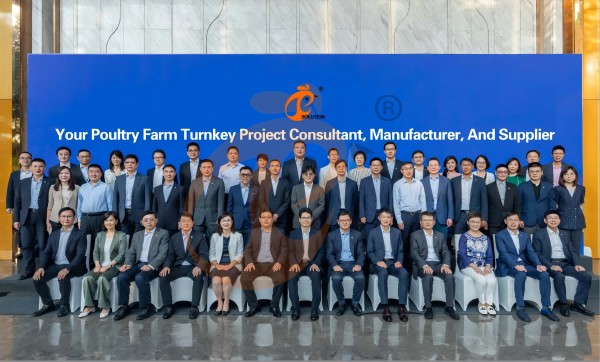
Hong Kong Headquarter Management Team
Hong Kong Headquarter Taiyu Industrial Group CO., LTD
China Hebei Best Machinery And Equipment CO., LTD
Nigeria Vanke Machinery And Equipment CO., LTD
Tanzania Best Machinery And Equipment CO., LTD
Ethiopia Best Hebei Machinery Manufacturing PLC
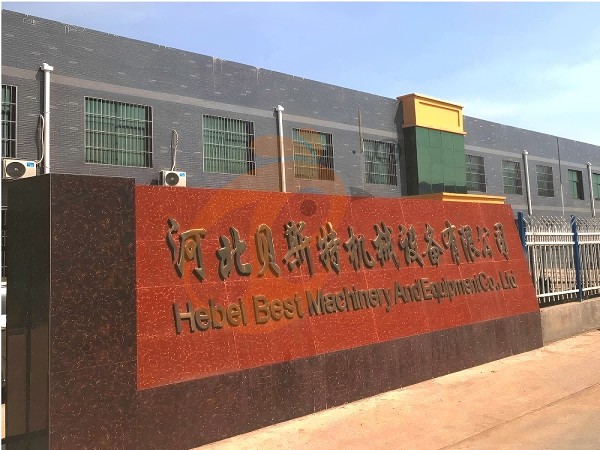
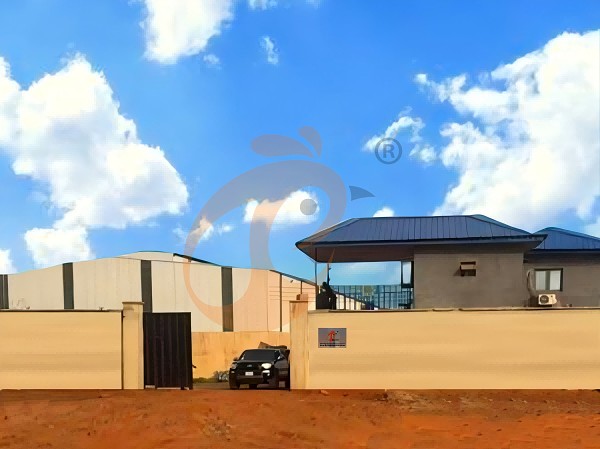
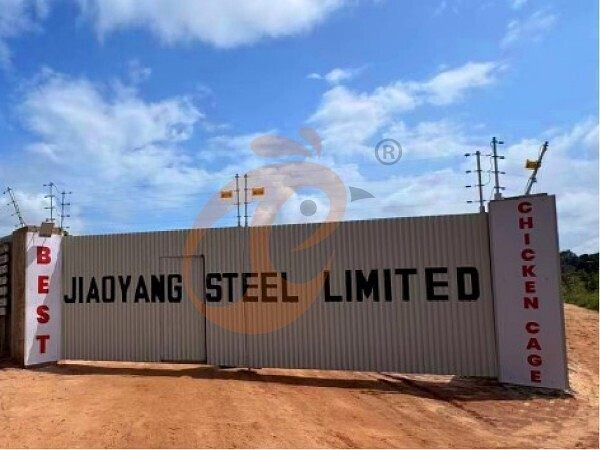
Reception /24 online WhatsApp NO. : +8613582487372
Share


More
 Unmatched Advantage Of Battery Cage Systems In Latin America | Taiyu
- Key Advantages Of Chicken Battery Cage Designs In Africa | Taiyu
 Proven Advantages Of Chicken Cage Systems For Southeast Asia | Taiyu
- Essential Advantage Of Chicken Battery Cages
- Newest Poultry Equipment List And Price Complete Guide For 1,000 To 100,000+ Birds
- Newest Fully Automated Poultry Farm Equipment List And Cost For 1,000–100,000+ Birds
- Top 11 Popular And Different Poultry Farm Equipment For 1,000 To 100,000+ Chickens
- 11 Exact Tips Of Automatic Poultry Equipment Vs Semi-Automatic Poultry Equipment