NEWS
Pellet machine performance combines controlled compression, material flow, conditioning, and mechanical stability for consistent poultry feed production.
Conditioning temperatures of 75–85°C and moisture monitoring help optimize pellet formation across different feed formulations.
Die configurations from 2.0–6.0 mm support varied pellet sizes for broiler, layer, and starter feeds.
Preventive inspections every 100–250 operating hours help identify bearing wear, gearbox issues, and roller deterioration.
Integrated production lines connect crushing, mixing, pelleting, cooling, screening, and packing, supporting capacities of 1.5–8.0 t/h and scalable feed manufacturing.
Get professional poultry farm construction guidance, equipment selection solutions, and the latest price lists.
Please contact us, WhatsApp NO. : +8613582487372, click to learn more.
Symptom Diagnosis Table
Data is for reference only.Swipe horizontally to view full table.
Engineering Point: Diagnose The Process In The Correct Order
The first troubleshooting principle for a pellet machine is to separate material, conditioning, compression, transmission, and discharge instead of changing several settings simultaneously.
A typical poultry operation running 16 hours/day can improve diagnosis by changing only one variable during each controlled test.
Start with material entering the poultry feed pellet machine.
Particle distribution, formulation, and ingredient characteristics can substantially influence pellet formation, while die design, roller configuration, conditioning, and formulation interact during pelleting.
A feed mill processing 3–5 tonnes per hour should therefore diagnose the complete production process rather than immediately replacing the Chicken Feed pellet machine.
Conditioning Parameter Table
Data is for reference only.Swipe horizontally to view full table.
Conditioning directly affects starch activation, material plasticity, and extrusion behavior in a pellet machine.
Published technical guidance commonly places poultry-feed conditioning around 75–85°c, while practical settings vary according to formula and equipment configuration.
A poultry feed pellet machine should therefore use conditioning parameters matched to raw materials rather than applying one fixed recipe.
Tips Card: Five Checks Before Replacing Parts
Tip 1 — Check the operating history.
Record the previous 3 production batches and compare their behavior with the current batch processed through the pellet machine.
Tip 2 — Check the electrical load trend.
A motor rated at 110 kw should be evaluated against its actual load pattern instead of relying only on one instantaneous reading from the poultry feed pellet machine.
Tip 3 — Inspect the feed path
Foreign material, bridging, and feeder restrictions can interrupt production, while a feeder inspection covering 360° of the inlet path can reveal deposits.
Tip 4 — Listen for mechanical changes.
Compare current operating sound with a baseline recorded at 1 m from the chicken feed pellet machine enclosure.
Tip 5 — Test one adjustment at a time.
Keep each trial under the same production recipe and document results after 10 consecutive production cycles.
Die And Roller Technical Table
Data is for reference only.Swipe horizontally to view full table.
Die geometry is a major engineering variable because hole diameter, effective thickness, compression ratio, and hole pattern influence pellet formation and machine performance.
For a pellet machine, correct die configuration should match formula characteristics and required pellet dimensions.
A chicken feed pellet machine with precision die and roller selection can provide more consistent compression across repeated production batches.
Flow Structure: Five-Step Troubleshooting Route
Step 1 → Identify the symptom
Classify the issue as output, pellet appearance, mechanical behavior, or electrical behavior in the Pellet Machine.
Step 2 → Verify material flow
Check whether feed reaches the compression chamber continuously.
Step 3 → Verify conditioning
Confirm prepared mash matches the production recipe entering the poultry feed pellet machine.
Step 4 → Inspect compression components
Examine the die, rollers, scraper, knife, and related assemblies.
Step 5 → Conduct a controlled restart
After correction, restart gradually and compare results against the original production record from the chicken feed pellet machine.
This sequence is useful on automated poultry feed lines using plc-controlled feeders, 4–20 ma sensors, and automatic overload protection.
Pellet Application Table
Data is for reference only.Swipe horizontally to view full table.
Different poultry stages require different pellet dimensions, so pellet machine die selection should follow bird age and formulation requirements.
A poultry feed pellet machine can be configured around different die specifications when production covers multiple feed formulas.
A chicken feed pellet machine should not rely on one die specification for every poultry growth stage.
Equipment Combination Recommendation
For poultry farms seeking stable production, a complete pellet machine line is usually more effective than purchasing a pelletizer as an isolated machine.
A practical configuration is hammer mill → mixer → conditioner → pellet mill → cooler → screener → packing machine, with the electrical system sized according to planned production capacity.
For a new feed plant, a poultry feed pellet machine line should be designed around required finished-feed volume rather than selecting equipment only by motor rating.
A properly matched system can use one centralized control cabinet, two material conveyors, and one automated weighing section to simplify operation.
A professional equipment supplier should provide die selection, installation guidance, commissioning, spare-parts support, and operator training for the chicken feed pellet machine.
Mechanical Inspection Table
Data is for reference only.Swipe horizontally to view full table.
Preventive maintenance for a pellet machine should be based on measurable conditions rather than waiting for complete failure.
Bearing temperature, lubrication condition, shaft alignment, and component wear provide practical indicators for mechanical deterioration.
A poultry feed pellet machine maintenance plan should connect inspection records with spare-part preparation and scheduled production shutdowns.
Production Monitoring Table
Data is for reference only.Swipe horizontally to view full table.
Production data should be reviewed together because a change in pellet durability may originate from formulation, conditioning, die specifications, or cooling rather than one pellet machine component.
A chicken feed pellet machine production record should connect output measurements with batch formulation and maintenance history.
Equipment Selection Checklist
When purchasing poultry feed equipment, evaluate the pellet machine as part of the complete production system.
Ask whether the manufacturer can provide at least 2 die configurations customized according to different poultry feed formulas and pellet sizes.
Also check the supplier’s engineering capability for the poultry feed pellet machine.
A reliable project should include 3 core services: equipment configuration, commissioning, and after-sales technical support.
Spare dies, rollers, bearings, electrical components, and other wear parts should be available according to the production plan.
For farms planning future expansion, a chicken feed pellet machine system should leave adequate capacity for additional processing equipment.
A production line designed for 20% future capacity growth can be easier to upgrade than a system operating at its absolute design limit.
Final Troubleshooting Table
Data is for reference only.Swipe horizontally to view full table.
Pellet machine troubleshooting becomes more efficient when operators combine process data with mechanical inspection.
The 5 key steps symptom identification, conditioning verification, die and roller inspection, drive-system inspection, and complete-line evaluation provide a practical framework for poultry feed production.
For poultry farms and commercial feed mills, equipment quality is the foundation of troubleshooting efficiency.
A properly engineered combination of crushing, mixing, conditioning, pelleting, cooling, screening, and packing equipment can create a more stable production process around a poultry feed pellet machine.
Choosing a supplier that provides customized equipment design, precision dies, complete poultry feed lines, installation, training, spare parts, and technical support can reduce repeated production problems.
Frequently Asked Questions
Q1: What should be checked first when a pellet machine loses output?
A1: Check material flow, conditioning consistency, die condition, and motor-load behavior before replacing components.
Q2: How often should a poultry feed pellet machine receive preventive inspection?
A2: Critical components can be checked every 100–250 operating hours, with schedules adjusted according to workload and manufacturer specifications.
Q3: Can a chicken feed pellet machine produce different poultry feed sizes?
A3: Yes, suitable die-hole configurations can support different pellet dimensions when formulation, conditioning, compression, and cooling parameters are properly matched.
Taiyu (HK) Group - One Of China Toppest Pellet Machine Manufacturer
Pellet machine systems are engineered for poultry feed applications, with configurable production capacity from 1.5–8.0 t/h and die specifications matched to feed formulation.
Global factory-direct supply integrates poultry equipment, including crushing, mixing, conditioning, pelleting, cooling, screening, conveying, and packing systems.
Turn-key engineering covers project layout, equipment configuration, electrical integration, commissioning, operator training, and production-line coordination for commercial poultry projects.
Export-oriented manufacturing supports poultry farms, feed mills, and agricultural projects across international markets with equipment packages and technical documentation.
Integrated chicken feed pellet machine solutions combine mechanical engineering, process control, spare-parts planning, and after-sales technical support for scalable production.
Contact Us To Received Your Customized Poultry Farm Plan
Headquarters And Branchs
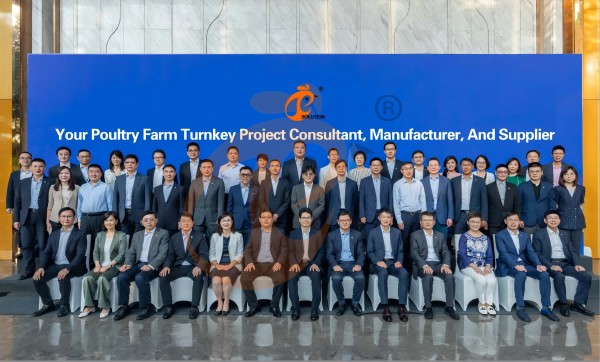
Hong Kong Headquarter Management Team
Hong Kong Headquarter Taiyu Industrial Group CO., LTD
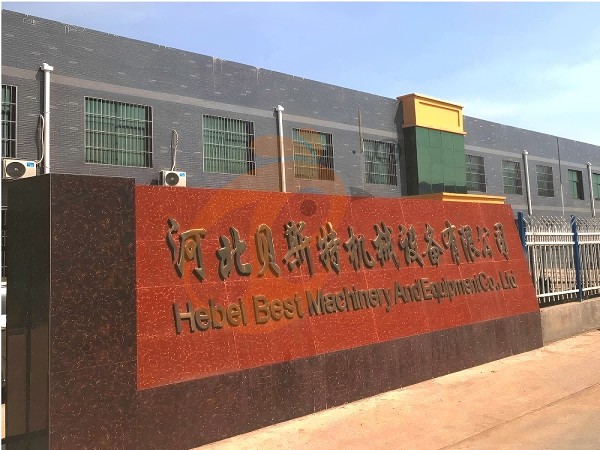
China Hebei Best Machinery And Equipment CO., LTD
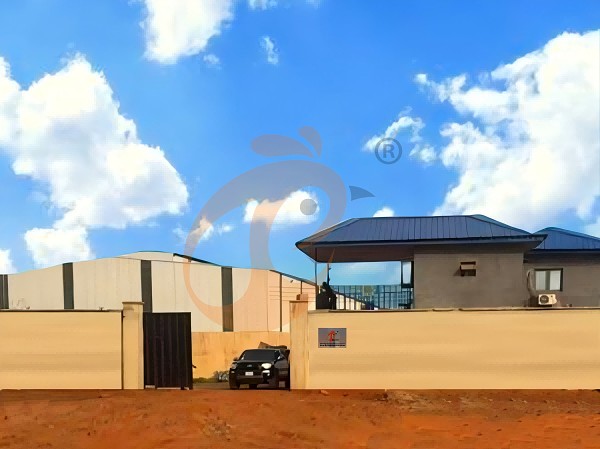
Nigeria Vanke Machinery And Equipment CO., LTD
Tanzania Best Machinery And Equipment CO., LTD
Ethiopia Best Hebei Machinery Manufacturing PLC

Reception /24 online WhatsApp NO. : +8613582487372
Share


More
 Unmatched Advantage Of Battery Cage Systems In Latin America | Taiyu
- Key Advantages Of Chicken Battery Cage Designs In Africa | Taiyu
 Proven Advantages Of Chicken Cage Systems For Southeast Asia | Taiyu
- Essential Advantage Of Chicken Battery Cages
- Newest Poultry Equipment List And Price Complete Guide For 1,000 To 100,000+ Birds
- Newest Fully Automated Poultry Farm Equipment List And Cost For 1,000–100,000+ Birds
- Top 11 Popular And Different Poultry Farm Equipment For 1,000 To 100,000+ Chickens
- 11 Exact Tips Of Automatic Poultry Equipment Vs Semi-Automatic Poultry Equipment