NEWS
- Layer chicken cages directly influence egg handling, shell protection, labor efficiency, and saleable output, with commercial H-type systems commonly configured for 4–8 tiers and automated collection routes.
Better egg protection starts with cage geometry, controlled transfer, smooth conveyors, and accurate installation, while automatic layer cage systems can reduce unnecessary manual contact during daily collection.
Six practical methods cover cage selection, egg transfer, belt maintenance, floor geometry, collision control, and house stability, giving producers measurable ways to address avoidable shell damage.
Integrated poultry equipment connects feeding, drinking, manure removal, ventilation, and collection, allowing farms to build coordinated production systems for projects ranging from 20,000 to 200,000 layers.
- Professional layer farming equipment also supports standardized maintenance, modular expansion, and project-specific configuration, helping producers balance egg quality, operating efficiency, and long-term equipment investment.
Get professional poultry farm construction guidance, equipment selection solutions, and the latest price lists.
Please contact us, WhatsApp NO. : +8613582487372, click to learn more.
Start With The Real Cost Of Egg Breakage
Egg breakage often originates from several connected points rather than one isolated fault.
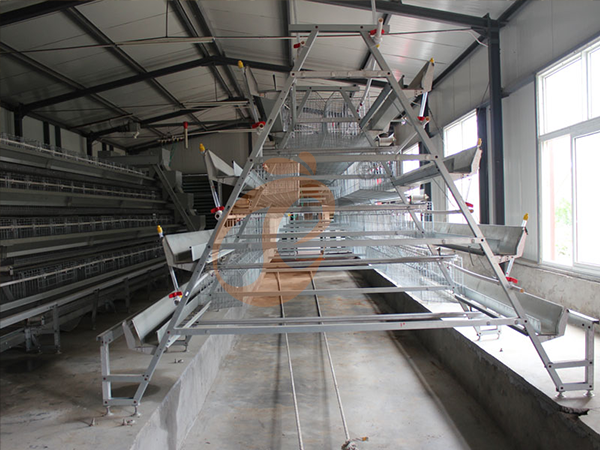
A properly engineered layer chicken cages system controls egg movement from the cage floor toward collection, while cage modules can be configured around 400–600 mm in depth.
The objective is to prevent unnecessary impact before damaged eggs reach the collection room.
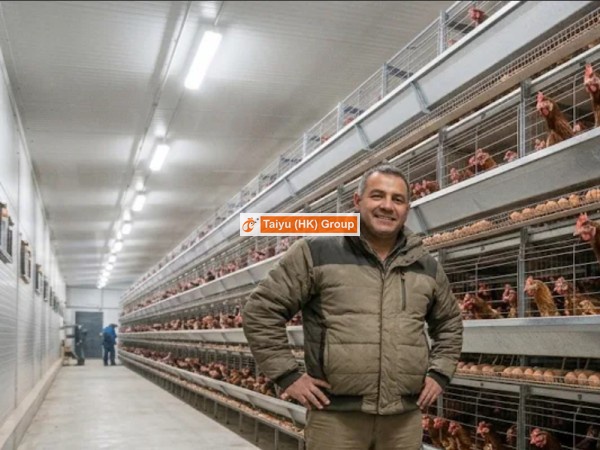
Automatic layer cage systems can integrate feeding, drinking, manure removal, and egg handling, while commercial installations may operate across buildings exceeding 80 m in length.
For equipment buyers, cage construction should therefore be evaluated as part of the complete production system.
Galvanized components, accurate welding, compatible conveyors, and modular accessories determine how consistently a poultry house performs during extended operation.
Choose A Cage System Designed For Egg Protection
Data is for reference only.Swipe horizontally to view full table.
Cage construction determines how reliably eggs leave the bird area.
Precision-produced layer chicken cages maintain consistent welding and forming across repeated modules, while galvanized steel provides corrosion protection for long-term commercial use.
For large farms, manufacturing consistency becomes increasingly important as cage rows become longer.
A dimensional difference repeated across hundreds of modules can affect installation quality, making automatic layer cage systems more dependent on accurate component manufacturing.
A professional poultry equipment supplier should therefore provide complete cage specifications rather than focusing only on bird capacity.
Material treatment, structural strength, component replacement, and installation accuracy should all be included in the equipment evaluation.
Control The Complete Egg Transfer Path
Hen → cage floor → egg roll-out → egg belt → transfer conveyor → collection room
Each transition should keep egg movement controlled instead of allowing uncontrolled drops or abrupt changes in direction.
Layer chicken cages work most effectively when cage outlets, belts, and conveyors are engineered as one route, with collection systems serving multiple rows through centralized equipment.
Long collection routes require stable synchronization.
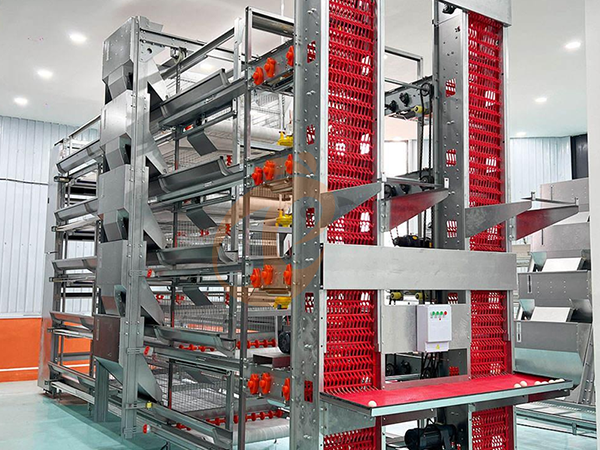
An automatic egg collection system can connect several cage sections to one transfer route, while conveyor arrangements can be designed around 6–12 parallel cage rows.
Complete poultry equipment also simplifies project coordination because cage positioning and collection routes are determined before installation.
Such planning reduces conflicts between structural supports, feeding lines, manure belts, ventilation equipment, and egg conveyors.
Maintain The Egg Belt And Collection Equipment
Data is for reference only.Swipe horizontally to view full table.
Egg belts require routine inspection because accumulated debris, worn joints, and poor tracking can affect egg movement.
For layer chicken cages operating in multi-row houses, maintenance teams should inspect belt joints, rollers, bearings, and drive assemblies according to actual operating conditions.
Preventive maintenance is preferable to waiting for collection failures.
A poultry equipment maintenance plan can schedule inspections around production cycles, while modular conveyor components make individual worn parts easier to replace.
The collection system should also remain accessible to operators.
Practical access reduces service time and helps farms restore automatic layer cage equipment quickly after mechanical faults.
Get The Cage Floor Geometry Right
The problem
Eggs begin moving immediately after laying, so cage-floor geometry has a direct role in the transfer process.
Layer chicken cages require consistent floor forming across repeated modules to prevent irregular movement between adjacent sections.
The engineering solution
Floor construction should provide a stable route toward the collection side without sudden structural changes.
Automatic layer cage systems benefit from accurately manufactured floor sections because repeated modules maintain similar operating conditions across the same tier.
Why equipment quality matters
Production accuracy matters most when one design is repeated hundreds of times.
A commercial cage project may contain 500–2,000 cage modules, making small manufacturing inconsistencies difficult to correct after installation.
The cage should therefore be selected together with the complete poultry equipment layout rather than as an independent metal structure.
Reduce Egg Collision During Collection
Data is for reference only.Swipe horizontally to view full table.
Collision commonly occurs where eggs change direction, accumulate, or transfer between surfaces.
Automatic egg collection equipment reduces unnecessary handling by moving eggs continuously from cage rows toward centralized collection.
Transfer design becomes especially important for high-output houses.
Layer chicken cages can be connected to centralized collection equipment so several tiers feed the same transportation route without repeated manual handling.
Receiving surfaces also deserve attention because rigid transfer points can increase impact.
A complete poultry equipment design should therefore consider conveyor transitions together with cage-row positioning.
Keep Hens Comfortable And The House Stable
Data is for reference only.Swipe horizontally to view full table.
Stable house conditions support consistent bird behavior and production.
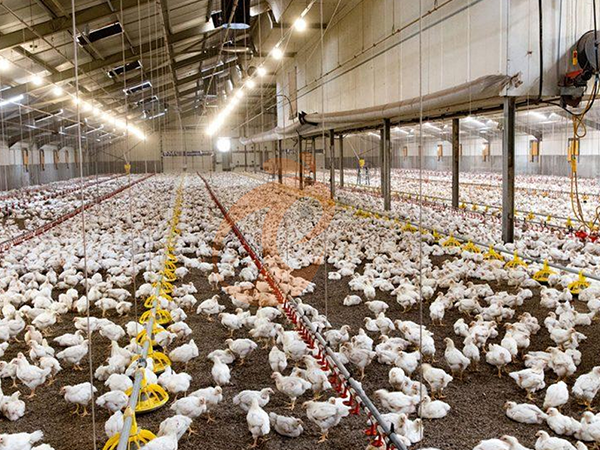
Automatic feeding and drinking systems can distribute resources along long layer chicken cages, while ventilation equipment maintains planned airflow throughout the building.
Feeding equipment should be selected according to flock size and line arrangement.
A properly configured poultry equipment system can reduce repeated manual movement, keeping daily farm operations more consistent.
Water delivery requires similar attention.
Nipple systems provide controlled access across cage rows, while integrated environmental equipment helps maintain operating conditions during changing weather.
Watch For These Five Warning Signs
01 — Breakage concentrated at one row
Isolate the affected section first.
A 10–20 m inspection zone can reveal local cage, belt, or transfer problems without disrupting the complete layer chicken cages installation.
02 — Eggs accumulating before collection
Record collection output at fixed intervals.
A 15-minute observation cycle can show whether accumulation occurs continuously or only during specific production periods.
03 — Damage increasing during handling
Compare manual and automatic transfer sections.
A 7-day production comparison can provide useful evidence before changing poultry equipment.
04 — Repeated belt stops
Record every unexpected interruption.
A stop lasting more than 30 seconds deserves inspection because accumulated eggs may create additional contact points.
05 — Different rows showing different results
Compare individual cage sections instead of using only whole-house averages.
A 24-hour row-based production record can help identify localized equipment problems.
Compare Equipment Before You Buy
Data is for reference only.Swipe horizontally to view full table.
The lowest equipment price does not necessarily produce the lowest cost per saleable egg.
Layer chicken cages should be evaluated according to structural quality, automation compatibility, installation requirements, and expected service conditions.
For expansion projects, future capacity should be considered before equipment is purchased.
A farm targeting 50,000 layers may require different conveyor, feeding, and manure configurations from a smaller installation, making poultry equipment planning essential.
A professional supplier can calculate cage quantities and supporting equipment from actual building dimensions.
Engineering calculations should account for building length, cage arrangement, maintenance access, and future expansion.
Use A Daily Egg-Breakage Inspection System
Data is for reference only.Swipe horizontally to view full table.
Daily inspection converts egg breakage into measurable operating data.
Farm teams can compare production records with layer chicken cages maintenance conditions instead of relying only on visual judgment.
A structured record should identify location, equipment status, production output, and corrective action.
A 30-day record provides enough operating history to identify recurring patterns in many commercial poultry houses.
Maintenance teams can then separate cage-related problems from conveyor or drive-system faults.
Such records also help poultry equipment suppliers recommend specific replacement components rather than unnecessary full-system changes.
Build A Complete Layer House Equipment System
Data is for reference only.Swipe horizontally to view full table.
Egg breakage should be considered within the complete farm equipment design.
Layer chicken cages form the housing foundation, while feeding, drinking, manure removal, ventilation, and collection systems determine how efficiently the house operates.
Equipment should be coordinated before installation rather than modified after construction.
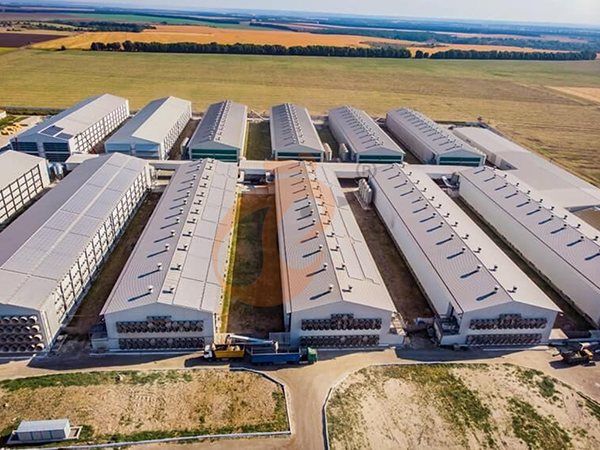
For production areas of 10,000–20,000 m², early planning can prevent conflicts between cage rows, service corridors, conveyors, and environmental systems.
A complete poultry equipment supplier can combine cage configuration with feeding, drinking, manure, ventilation, control, and egg collection systems.
Such integration provides one engineering structure for procurement, installation, commissioning, and maintenance.
Frequently Asked Questions
Q1: How do layer chicken cages help reduce egg breakage?
A1: Layer chicken cages create a controlled route from the bird area toward egg collection.
Consistent cage construction across multiple tiers helps maintain similar handling conditions throughout the production house.
Q2: Does automatic egg collection reduce egg damage?
A2: Automatic egg collection reduces repeated manual handling and provides continuous mechanical transfer.
Centralized systems can connect several cage rows while reducing unnecessary egg movement between collection stages.
Q3: What should farmers check before buying poultry equipment?
A3: Farmers should compare cage construction, collection compatibility, automation level, maintenance access, and complete project engineering.
Equipment should also be selected for the intended operating schedule, particularly where houses run 16–24 hours daily.
Taiyu (HK) Group - One Of China Biggest Layer Chicken Cages Manufacturer
Layer chicken cages provide engineered multi-tier housing with galvanized structures and modular configurations, supporting commercial projects with up to 200 birds per module according to project design
Global factory direct sales connect manufacturing, technical configuration, quality control, and international supply for commercial poultry equipment projects
Poultry equipment covers layer cages, automatic feeding, nipple drinking, manure removal, ventilation, environmental control, and egg collection systems
Turn-key engineering coordinates layout design, equipment selection, production, installation, commissioning, and technical support from one project interface
International factory supply supports complete layer-farm equipment planning for different building dimensions, flock capacities, automation levels, and production requirements
Contact Us To Received Your Customized Poultry Farm Plan
Headquarters And Branchs
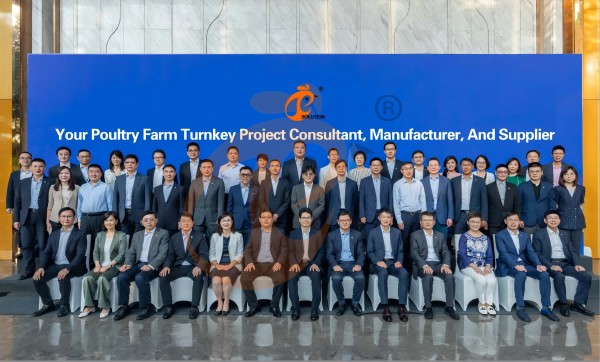
Hong Kong Headquarter Management Team
Hong Kong Headquarter Taiyu Industrial Group CO., LTD
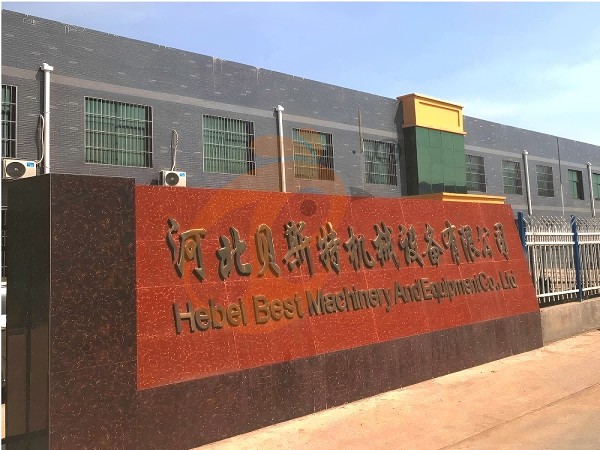
China Hebei Best Machinery And Equipment CO., LTD
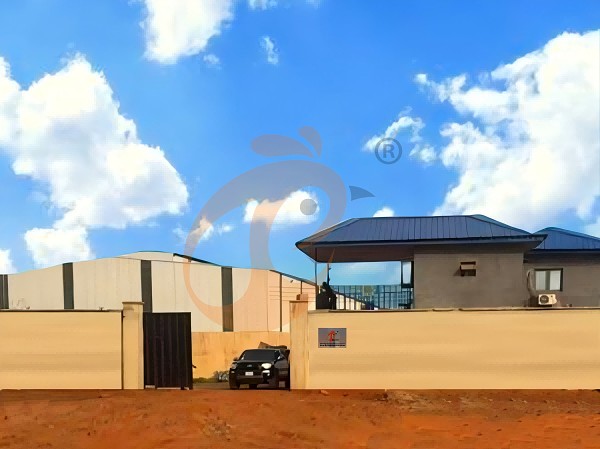
Nigeria Vanke Machinery And Equipment CO., LTD
Tanzania Best Machinery And Equipment CO., LTD
Ethiopia Best Hebei Machinery Manufacturing PLC
Reception /24 online WhatsApp NO. : +8613582487372
Share


More
 Unmatched Advantage Of Battery Cage Systems In Latin America | Taiyu
- Key Advantages Of Chicken Battery Cage Designs In Africa | Taiyu
 Proven Advantages Of Chicken Cage Systems For Southeast Asia | Taiyu
- Essential Advantage Of Chicken Battery Cages
- Newest Poultry Equipment List And Price Complete Guide For 1,000 To 100,000+ Birds
- Newest Fully Automated Poultry Farm Equipment List And Cost For 1,000–100,000+ Birds
- Top 11 Popular And Different Poultry Farm Equipment For 1,000 To 100,000+ Chickens
- 11 Exact Tips Of Automatic Poultry Equipment Vs Semi-Automatic Poultry Equipment