NEWS
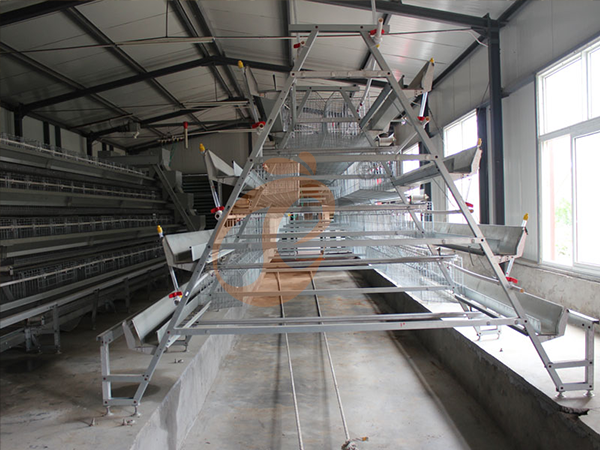
- Broiler chicken cage systems combine controlled housing, feeding, drinking, ventilation, and manure handling, with 3–4 tiers supporting organized commercial production.
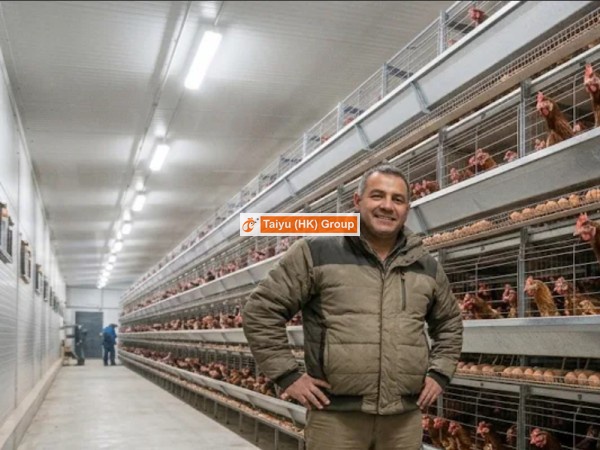
Broiler chicken cages improve management consistency through engineered access points, mechanical components, and approximately 1.0–1.2 m service aisles.
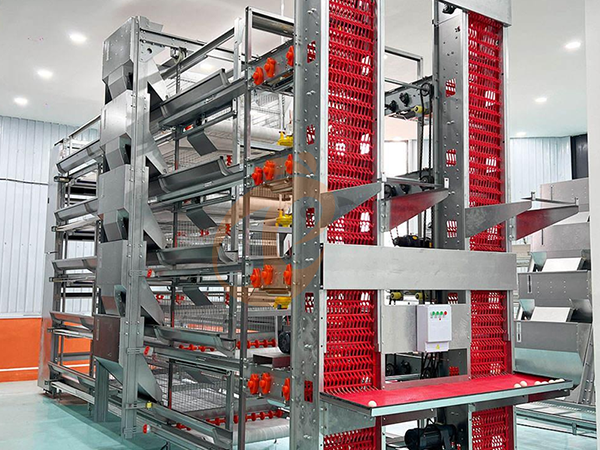
Automated broiler cage systems connect feeding, drinking, ventilation, waste removal, and monitoring, reducing dependence on repetitive manual operations across commercial houses.
Proper equipment selection coordinates bird comfort, hygiene, airflow, maintenance, and automation, while 2.0–2.5 kg target weights guide structural and production planning.
- Integrated equipment investment strengthens operational control, supports preventive maintenance, and creates measurable production workflows for expanding poultry farms with 10,000–30,000 birds.
Get professional poultry farm construction guidance, equipment selection solutions, and the latest price lists.
Please contact us, WhatsApp NO. : +8613582487372, click to learn more.
Optimize Stocking Density And Cage Dimensions
Data is for reference only.Swipe horizontally to view full table.
Cage geometry affects bird distribution and management efficiency, while broiler chicken cage systems can incorporate approximately 1.5–2.0 m internal working zones for practical flock inspection.
Final-weight planning should accompany broiler cage selection, with structural loading calculations considering approximately 35–45 kg/m² distributed operational load for equipment planning.
Make Water Availability Consistent
Data is for reference only.Swipe horizontally to view full table.
Water management requires controlled installation, with broiler chicken cages using approximately 1–2% pipeline gradient for flushing and drainage efficiency.
Hot-weather operation should also consider incoming water conditions, with broiler chicken cage systems benefiting from drinking water around 18–24°c during thermal-stress periods.
Engineer Ventilation Around Air Exchange
Data is for reference only.Swipe horizontally to view full table.
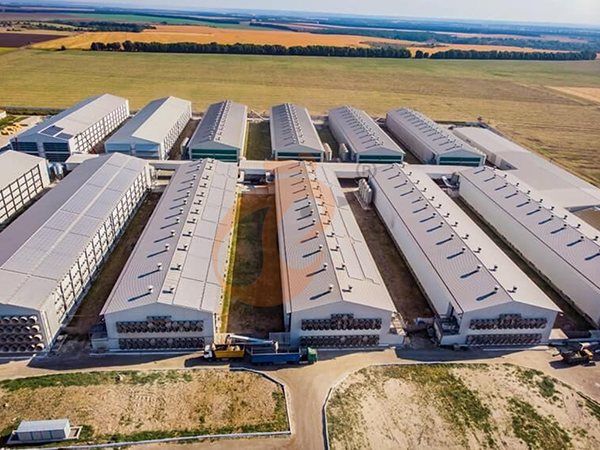
Ventilation performance depends on fan capacity and house volume, while broiler chicken cage systems can be planned around a 120 m × 15 m building footprint.
Air distribution should cover cage tiers, with broiler chicken cages supporting sensor positioning at approximately three vertical elevations for environmental comparison.
Remove Manure On A Defined Schedule
Data is for reference only.Swipe horizontally to view full table.
Manure accumulation affects house hygiene and air quality, while broiler chicken cage systems can complete mechanical belt cycles within approximately 15–30 minutes.
Discharge planning should match downstream handling, with broiler chicken cages connecting to transfer equipment positioned around 1.5–2.0 m above ground.
Use Automation To Detect Operational Changes
Data is for reference only.Swipe horizontally to view full table.
Automation links environmental conditions with equipment operation, while broiler chicken cage systems can record operating data at 1–5 minute intervals.
Larger installations can centralize control functions, with broiler chicken cages supporting approximately 8–16 independent control channels for coordinated operation.
Six Methods, One Integrated Cage System
Data is for reference only.Swipe horizontally to view full table.
Integrated broiler chicken cage systems combine cage frames, feeding, drinking, manure, and climate equipment into one architecture, reducing interface complexity through approximately 8–12 m modular sections.
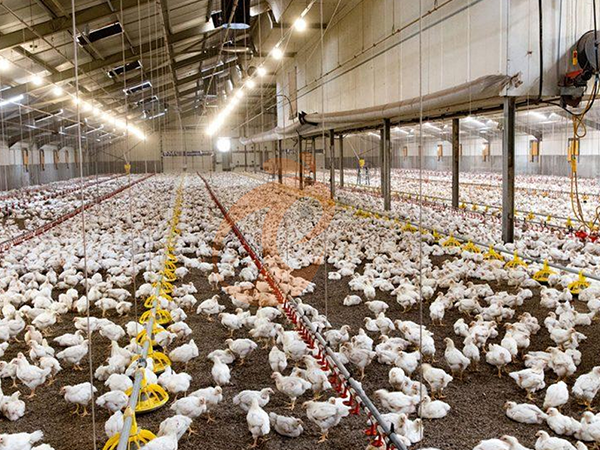
For commercial houses, broiler chicken cages can centralize multiple operating points, allowing teams to prioritize flock observation and scheduled maintenance across 10,000–30,000 birds.
Compare The Production Workflow
Data is for reference only.Swipe horizontally to view full table.
As house capacity expands, broiler chicken cage systems consolidate operating information through centralized interfaces, with approximately 20 cage rows representing a practical scale for automated coordination.
Standardized programming can coordinate feeding, ventilation, and manure cycles, while broiler chicken cages allow farms to establish operating sequences around 24-hour production schedules.
Build A Mortality-Reduction Program Around Equipment Reliability
Data is for reference only.Swipe horizontally to view full table.
Reliable broiler chicken cage systems depend on planned inspections because one mechanical fault can interrupt several production functions, while approximately 90-day sensor calibration supports stable monitoring.
Professional installation also matters, with broiler chicken cages requiring motor-shaft alignment around 0.5–1.0 mm according to equipment design.
Turn Six Proven Methods Into A Profitable Broiler Production System
Data is for reference only.Swipe horizontally to view full table.
Mortality reduction requires coordinated broiler chicken cage systems, combining housing, feeding, drinking, ventilation, manure handling, and monitoring into one production workflow with approximately 8–12 m modular installation sections.
For expansion projects, broiler chicken cages should match house layout, flock targets, climate requirements, and service planning, supporting approximately 2.0–2.5 kg market-weight programs.
The commercial objective remains measurable: fewer preventable interruptions, consistent operation, lower manual workload, and stronger production-cost control through engineered automated broiler cage systems with approximately 14–90 day maintenance cycles.
Frequently Asked Questions
Q1: What equipment helps reduce mortality in broiler chicken cage systems?
A1: Integrated feeding, drinking, ventilation, manure, and climate-control equipment supports consistent flock management, while a 24-hour monitoring framework improves operational response.
Q2: How does automatic feeding support broiler chicken cages?
A2: Automatic feed delivery maintains scheduled distribution across cage rows, while an auger system operating around 36–42 rpm supports controlled mechanical delivery.
Q3: Why is manure removal important for broiler cage systems?
A3: Mechanical manure removal reduces waste accumulation inside production houses, with scheduled belt operation helping maintain sanitation and environmental management.
Taiyu (HK) Group - One Of China Largest Broiler Chicken Cage Systems Manufacturer
Broiler chicken cage systems integrate galvanized cage structures, automated feeding, nipple drinking, manure removal, and climate control, with modular sections supporting 1,200 mm cage-length configurations.
Global factory-direct supply covers complete poultry equipment packages, engineering drawings, component production, quality inspection, and export coordination for commercial projects.
Turn-key engineering supports project planning, equipment layout, installation guidance, commissioning procedures, and technical documentation across international poultry production facilities.
Integrated poultry equipment solutions coordinate cage systems, feeding lines, drinking systems, ventilation, manure conveyors, electrical cabinets, and environmental controllers under one project specification.
Factory production enables direct commercial communication, equipment customization, container loading coordination, and technical support for scalable broiler-house installations.
Contact Us To Received Your Customized Poultry Farm Plan
Headquarters And Branchs
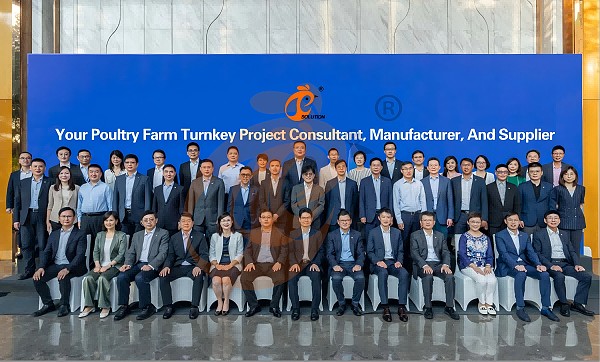
Hong Kong Headquarter Management Team
Hong Kong Headquarter Taiyu Industrial Group CO., LTD
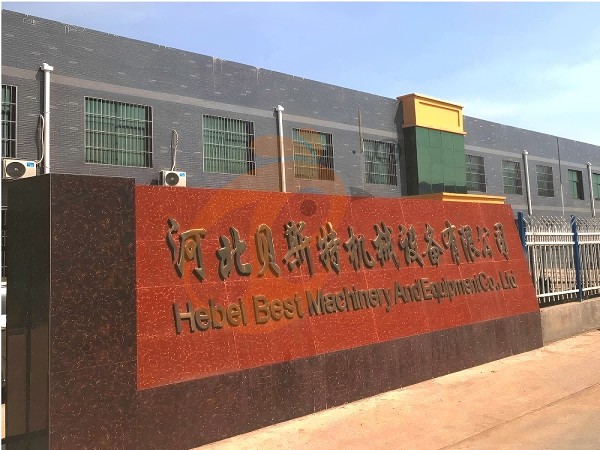
China Hebei Best Machinery And Equipment CO., LTD
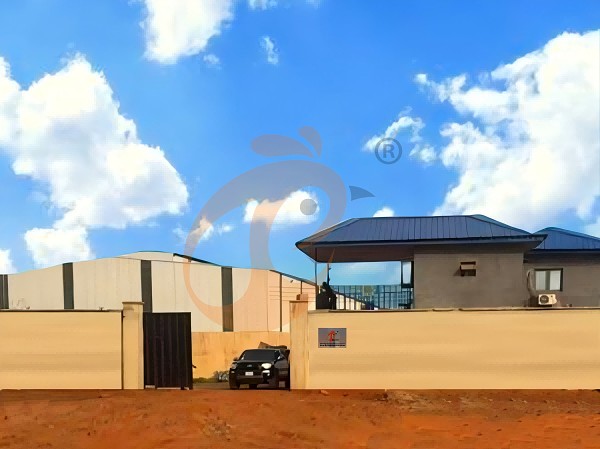
Nigeria Vanke Machinery And Equipment CO., LTD
Tanzania Best Machinery And Equipment CO., LTD
Ethiopia Best Hebei Machinery Manufacturing PLC
Reception /24 online WhatsApp NO. : +8613582487372
Share


More
 Unmatched Advantage Of Battery Cage Systems In Latin America | Taiyu
- Key Advantages Of Chicken Battery Cage Designs In Africa | Taiyu
 Proven Advantages Of Chicken Cage Systems For Southeast Asia | Taiyu
- Essential Advantage Of Chicken Battery Cages
- Newest Poultry Equipment List And Price Complete Guide For 1,000 To 100,000+ Birds
- Newest Fully Automated Poultry Farm Equipment List And Cost For 1,000–100,000+ Birds
- Top 11 Popular And Different Poultry Farm Equipment For 1,000 To 100,000+ Chickens
- 11 Exact Tips Of Automatic Poultry Equipment Vs Semi-Automatic Poultry Equipment