NEWS
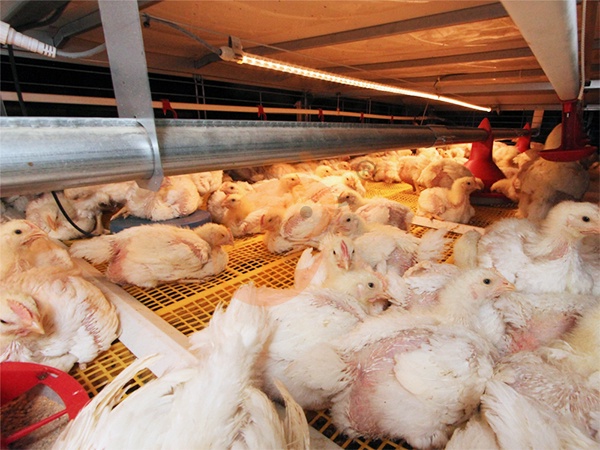
Floor rearing poultry farming combines housing design, automation, and measurable equipment specifications for commercial production.
Automatic poultry feeding systems improve feed distribution while supporting consistent daily operation across different house sizes.
Poultry nipple drinking systems help coordinate water delivery, litter control, sanitation, and routine flock management.
Poultry ventilation systems connect airflow, cooling, sensors, and environmental controllers into one practical management structure.
Seven management priorities, equipment selection criteria, biosecurity details, and integrated engineering considerations create a stronger commercial production framework.
Get professional poultry farm construction guidance, equipment selection solutions, and the latest price lists.
Please contact us, WhatsApp NO. : +8613582487372, click to learn more.
Management Tip #1: Build An Efficient Feeding System
Data is for reference only.Swipe horizontally to view full table.
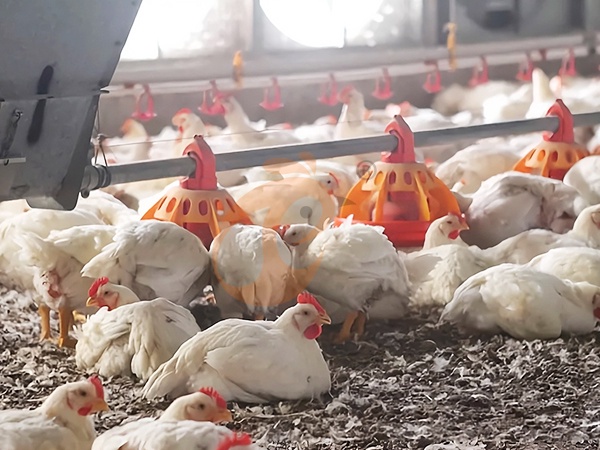
Floor rearing poultry farming requires feed distribution to correspond with flock behavior rather than simply filling equipment to maximum capacity.
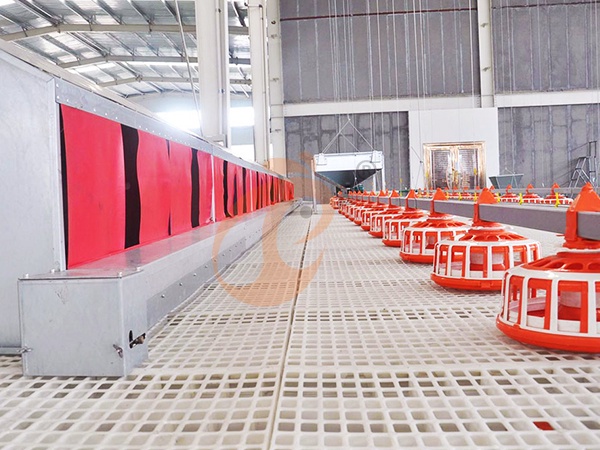
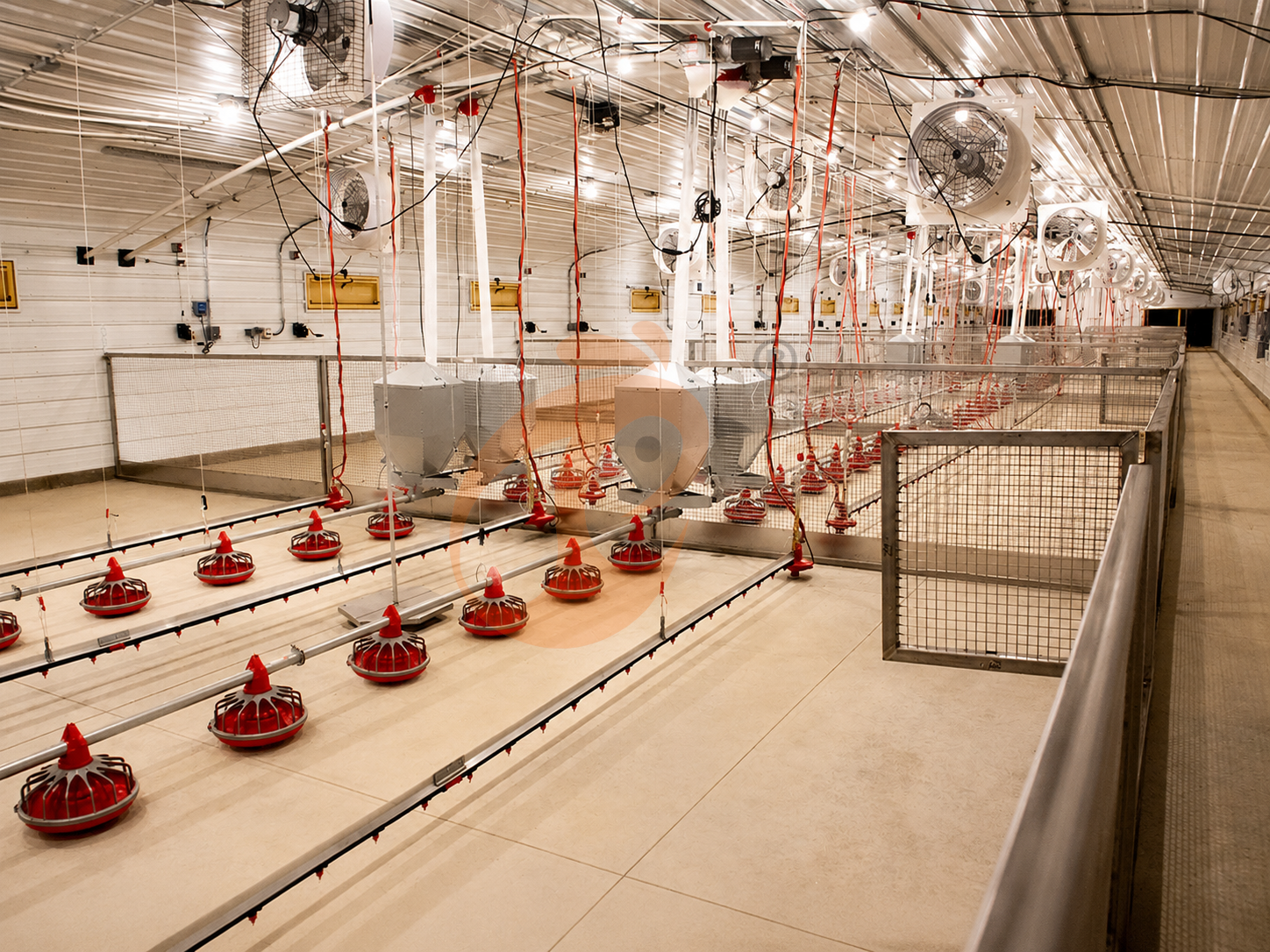
Automatic poultry feeding systems can use adjustable pan height while maintaining a level feed line throughout the operating length.
Feed depth adjustment can remain within approximately 10–25 mm for different management stages.
Programmable feeding equipment can divide daily delivery into multiple events, while a 0.37–0.75 kw winch motor supports practical line-height adjustment.
Management Tip #2: Treat Water As A Production System
Use this operational sequence
Inspect → measure → adjust → record
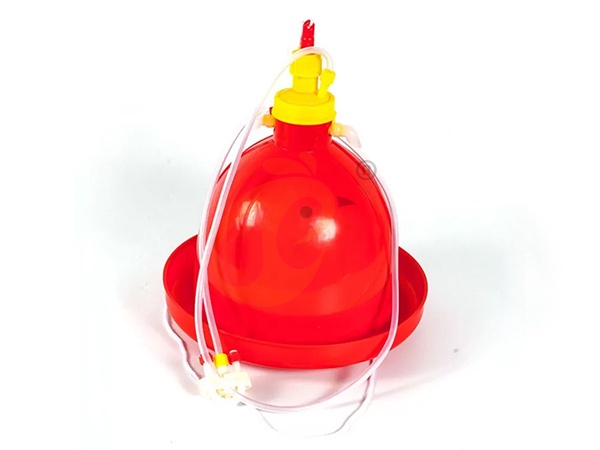
Floor rearing poultry farming depends on dependable water delivery, making poultry nipple drinking systems an important component of daily production control.
Nipple drinking systems should be selected according to bird type, house configuration, and water-delivery requirements.
A 1.5–2.0 m line suspension interval can provide practical support for long drinking lines.
Automatic poultry feeding systems and poultry nipple drinking systems should be positioned to maintain convenient bird access without creating unnecessary traffic concentration.
Water-line management should include pressure regulation, flushing, filtration, and routine inspection.
A 120–200 micron filtration stage can be incorporated upstream to protect drinking components from suspended particles.
Management Tip #3: Control Air Before It Becomes A Problem
Data is for reference only.Swipe horizontally to view full table.
Floor rearing poultry farming requires ventilation equipment to match house volume, bird population, climate, and airflow strategy.
Poultry ventilation systems should distribute air across the occupied area rather than concentrate airflow around individual fans.
A 0.8–1.2 m/s target inlet air velocity can be considered when engineering suitable air distribution.
Environmental control should respond to measured conditions rather than relying exclusively on visual inspection.
A digital controller with a 10–32°c sensor operating range can provide practical measurement coverage for common poultry-house applications.
Management Tip #4: Make Litter Management A Daily Priority
Think of litter as a diagnostic signal rather than merely a floor material.
Floor rearing poultry farming can use litter condition as an operational indicator for drinking, airflow, stocking, and house-management performance.
Wet litter → check drinkers → check ventilation → check stocking density → check house humidity → correct the cause.
Poultry nipple drinking systems can reduce unnecessary water spillage, while poultry ventilation systems help remove moisture from occupied areas.
Litter depth can be maintained around 50–100 mm depending on the production system and bedding material.
Regular inspection at several house locations can identify localized problems before moisture conditions extend across larger flock areas.
Management Tip #5: Use Automation To Reduce Labor Pressure
Data is for reference only.Swipe horizontally to view full table.
Floor rearing poultry farming benefits when automation removes repetitive work without removing operator oversight.
Automatic poultry feeding systems, poultry nipple drinking systems, and poultry ventilation systems can connect through centralized controls for coordinated daily management.
A centralized controller can support up to 8–16 independently controlled equipment outputs depending on system architecture.
Data logging at 1–5 minute intervals can provide a practical operating history for troubleshooting and maintenance review.
Management Tip #6: Design For The Entire Production Cycle
Do not purchase equipment as isolated products.
Floor rearing poultry farming should be evaluated through a complete sequence.
House size → bird capacity → equipment capacity → control strategy → maintenance access
Automatic poultry feeding systems should correspond with feed-storage capacity, while poultry ventilation systems should correspond with air-inlet design and controller logic.
A modular installation using standardized components can simplify upgrades and equipment replacement.
A minimum 300 mm maintenance clearance around key service components can improve accessibility during inspection.
Management Tip #7: Choose Equipment That Supports Biosecurity
Data is for reference only.Swipe horizontally to view full table.
Floor rearing poultry farming benefits from equipment that reduces unnecessary contact points and simplifies cleaning procedures.
Poultry nipple drinking systems with controlled water release can support cleaner floor conditions, while protected electrical equipment simplifies routine sanitation.
Smooth surfaces, accessible service connections, and organized equipment layouts can make cleaning procedures more practical.
Dedicated service entrances can use a minimum 1.0 m clear doorway width for routine equipment inspection and maintenance.
What Should Farmers Check Before Buying?
Data is for reference only.Swipe horizontally to view full table.
Floor rearing poultry farming purchasing decisions should begin with engineering data rather than catalogue appearance.
Suppliers should provide motor specifications, airflow curves, material grades, electrical requirements, control functions, installation drawings, and spare-parts information.
Automatic poultry feeding systems and poultry ventilation systems should be evaluated against house dimensions and flock capacity before quotation.
A design service life of commonly 8–12 years for major mechanical components can help compare initial investment with expected operating duration.
Why Equipment Quality Matters Over Time
Data is for reference only.Swipe horizontally to view full table.
Floor rearing poultry farming equipment quality should be evaluated through measurable specifications covering motors, bearings, steel protection, electrical tolerance, and mechanical construction.
Poultry ventilation systems operating continuously require balanced mechanical components and appropriate motor insulation to support stable operation.
Installation drawings, commissioning procedures, replacement parts, and troubleshooting guidance can reduce service interruptions.
A 12–24 month equipment warranty period can establish a clearer framework for after-sales responsibility.
Build A Better Floor-Rearing Farm With The Right Equipment
Data is for reference only.Swipe horizontally to view full table.
Floor rearing poultry farming becomes more manageable when the equipment package is engineered around the complete production process.
Automatic poultry feeding systems, poultry nipple drinking systems, and poultry ventilation systems can be configured according to house dimensions, flock capacity, climate, and labor conditions.
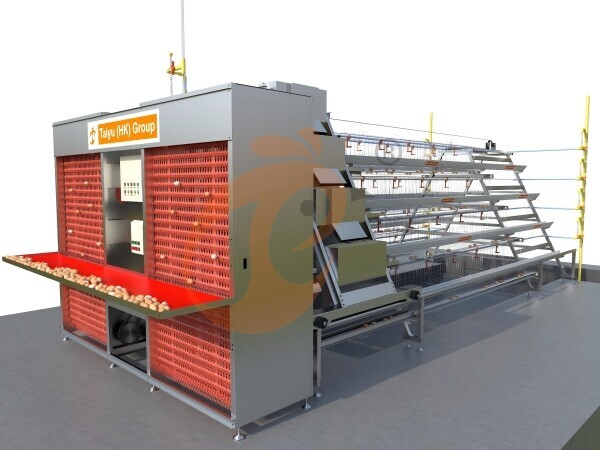
A complete poultry equipment package should connect feeding, drinking, ventilation, cooling, environmental control, and supporting structures.
A properly engineered configuration creates measurable operating conditions and supports consistent commercial production.
Frequently Asked Questions
Q1: What equipment is most important for floor rearing poultry farming?
A1: Automatic poultry feeding systems, poultry nipple drinking systems, and poultry ventilation systems form the core equipment groups for daily floor-rearing management.
A centralized control structure can coordinate multiple systems while operators monitor flock and house conditions.
Q2: How can equipment help control wet litter?
A2: Poultry nipple drinking systems can limit unnecessary water spillage, while poultry ventilation systems support moisture removal from the house.
Litter inspection should also consider water-line condition and airflow distribution before adding replacement bedding.
Q3: How should farmers select a complete poultry equipment package?
A3: Floor rearing poultry farming equipment should be selected from house dimensions, flock capacity, climate, electrical supply, and maintenance requirements.
A complete engineering proposal can then determine equipment quantities, line positions, controller configuration, and installation requirements.
Taiyu (HK) Group - One Of China Toppest Poultry Equipment Manufacturer
Automatic poultry feeding systems integrate feed storage, conveying, distribution, and programmable control for commercial floor rearing poultry farming projects.
Global factory-direct supply covers poultry equipment manufacturing, component matching, technical documentation, and project-based configuration for international customers.
Turn-key engineering supports equipment layout, installation guidance, commissioning coordination, and integrated poultry-house system planning.
Project solutions can combine feeding, drinking, ventilation, cooling, environmental control, electrical cabinets, and supporting poultry equipment according to site specifications.
Factory engineering teams provide scalable configurations for new houses, modernization projects, replacement programs, and multi-house commercial poultry production facilities.
Contact Us To Received Your Customized Poultry Farm Plan
Headquarters And Branchs

Hong Kong Headquarter Management Team
Hong Kong Headquarter Taiyu Industrial Group CO., LTD
China Hebei Best Machinery And Equipment CO., LTD
Nigeria Vanke Machinery And Equipment CO., LTD
Tanzania Best Machinery And Equipment CO., LTD
Ethiopia Best Hebei Machinery Manufacturing PLC




Reception /24 online WhatsApp NO. : +8613582487372
Share


More
 Poultry Equipment Daily Operation | 7 Essential Best Practices
- How To Optimize Stocking Density In Layer Chicken Cages | 5 Practical Tips
- 7 Practical Ways To Extend Pralson Feeder Lifespan
- How To Troubleshoot Pellet Machine Problems | 5 Key Steps
- Free Range Poultry Farming Profit | 6 Key Factors Explained
- Floor Rearing System Maintenance Cost | 6 Factors Affecting Long-Term Use
 How To Train Staff To Use Poultry Equipment | 5 Key Steps
- Layer Chicken Cage Maintenance | 7 Key Tips For Long-Term Use