NEWS
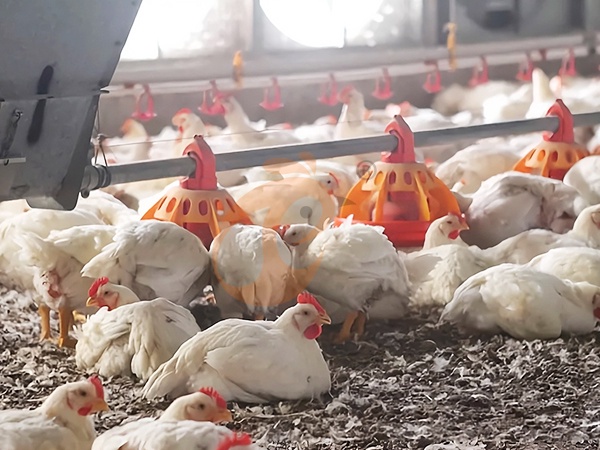
Poultry nipple drinkers support controlled water access, with 24-hour availability and 8–12°c temperature variation across commercial flock production cycles.
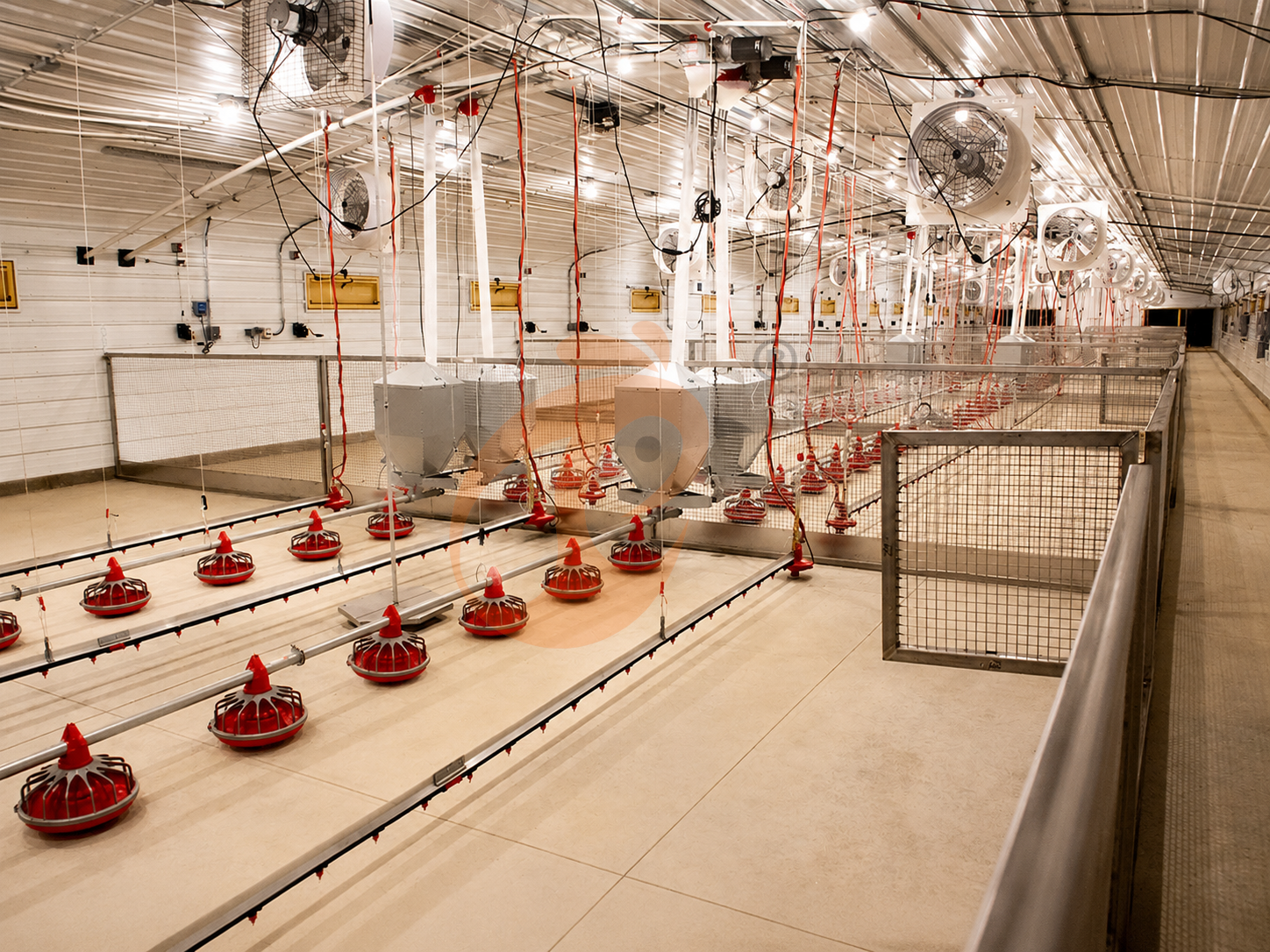
Automatic poultry drinker system design connects hygiene, pressure control, filtration, and flock access through 25 mm pipelines for dependable daily operation.
Poultry drinking system engineering can reduce exposure while supporting 0.6 m/s flushing and 80-micron filtration during scheduled sanitation procedures.
Nipple drinkers also improve litter management through drip control, with 28 mm cups and 200 mm cup spacing around drinking points.
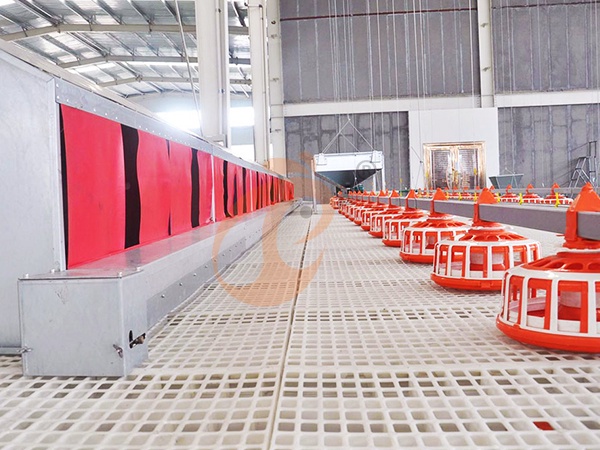
Commercial poultry nipple drinkers combine automation, scalability, inspection, and turnkey engineering across 600 mm adjustment travel for varied house layouts.
Get professional poultry farm construction guidance, equipment selection solutions, and the latest price lists.
Please contact us, WhatsApp NO. : +8613582487372, click to learn more.
System Components And Engineering Parameters
Data is for reference only.Swipe horizontally to view full table.
A commercial poultry drinking system should be purchased as an integrated line rather than unrelated components, with nipple drinkers, regulators, pipelines, and flushing assemblies engineered together.
Professional poultry nipple drinkers also require compatible suspension and pressure-control components, creating a coordinated installation rather than a collection of independent parts.
Cleaner Water Through Closed Delivery
The operational sequence is simple
Open water → environmental exposure → contamination opportunities → additional cleaning work
Closed nipple line → controlled access → reduced exposure → easier sanitation management
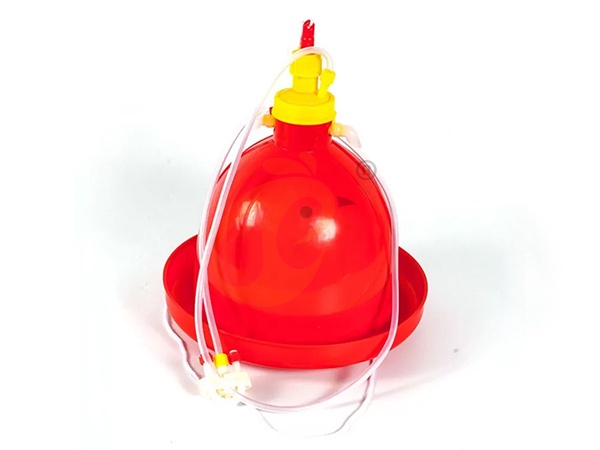
Nipple drinkers release water when birds activate the mechanism, while poultry nipple drinkers minimize direct exposure to litter, dust, and environmental contaminants.
Automatic poultry drinker system architecture therefore creates a commercial equipment advantage by supporting continuous flock access and routine sanitation without depending on exposed water containers.
Water Hygiene And System Protection
Data is for reference only.Swipe horizontally to view full table.
Water quality affects both flock management and equipment performance, making filtration, flushing, and monitoring essential parts of a professional nipple drinkers installation.
Poultry drinking system engineering should address suspended particles, mineral deposits, and biofilm because accumulated material can interfere with moving components and increase maintenance requirements.
Controlled Delivery Supports Flock Performance
Consider the hydraulic relationship
Water demand changes → bird growth changes → required flow changes → equipment adjustment becomes necessary.
Nipple drinkers therefore require appropriate flow management throughout the production cycle, while poultry nipple drinkers must maintain usable water access as birds increase in size.
Automatic poultry drinker system configuration should allow operators to monitor flow during different growth stages rather than treating one setting as suitable for every production period.
Nipple drinkers become commercially valuable when hydraulic performance can be adjusted according to flock development, water demand, and house management requirements.
Drip-Control Engineering
Data is for reference only.Swipe horizontally to view full table.
The drip cup should be engineered as part of nipple drinkers rather than treated as an independent accessory, because mounting geometry directly affects residual-water control.
Poultry drinking system suppliers can create stronger commercial value by matching cups, seals, pins, and nipple mechanisms during equipment selection.
Automation Reduces Routine Labor
Manual watering workers manage water distribution.
Automatic watering workers manage system condition.
Nipple drinkers allow operators to shift attention from repeated water handling toward equipment inspection, flock observation, and environmental management.
An automatic poultry drinker system can connect regulators, meters, filtration, and flushing points into a centralized operating structure, supporting 15-minute inspection routines and daily consumption recording.
Commercial Automation Architecture
Data is for reference only.Swipe horizontally to view full table.
Automatic poultry drinker system architecture becomes more practical when workers can inspect pressure, service filters, flush lines, and adjust drinking height without dismantling the complete installation.
Nipple drinkers should therefore be selected according to house layout, service access, suspension requirements, and maintenance procedures rather than component price alone.
Purchasing And Acceptance Checklist
Data is for reference only.Swipe horizontally to view full table.
A professional supplier should provide installation drawings, component specifications, spare-part lists, commissioning procedures, and complete nipple drinkers system documentation.
Poultry drinking system procurement should also verify pressure requirements, connection compatibility, maintenance access, and installation tolerances before production equipment reaches the farm.
The Complete Drinking System Creates Value
Water access
↓
Controlled delivery
↓
Hygiene management
↓
Litter control
↓
Automation
↓
Commercial production efficiency
Nipple drinkers connect water access, hygiene, litter management, automation, and equipment reliability within one integrated production system.
Poultry nipple drinkers become more valuable when pipelines, regulators, filtration, suspension, drip control, and flushing components are engineered as one complete solution.
An automatic poultry drinker system should ultimately provide measurable installation performance, straightforward maintenance, and adaptable configuration for commercial poultry projects.
Frequently Asked Questions
Q1: Why are nipple drinkers important for poultry?
A1: Nipple drinkers provide controlled water release directly at the drinking point, reducing exposed water contact and supporting automated operation.
A properly configured line can also use approximately 2.0 m support spacing for stable installation.
Q2: How do nipple drinkers help maintain better water hygiene?
A2: Nipple drinkers create a closed delivery path, while filtration and scheduled flushing help control sediment and internal buildup.
A practical system can combine 80-micron filtration with routine line sanitation.
Q3: What should buyers check before purchasing a poultry drinking system?
A3: Buyers should evaluate nipple compatibility, pipeline dimensions, pressure regulation, filtration, suspension, flushing, installation drawings, and after-sales support.
Commercial projects should also verify actual house dimensions before selecting line quantities and configurations.
Taiyu (HK) Group - One Of China Toppest Nipple Drinkers Manufacturer
Nipple drinkers provide controlled poultry water delivery through precision-engineered components, with configurable systems supporting commercial houses and 360° activation for flexible bird access
Global factory-direct supply covers integrated poultry equipment, including drinking lines, filtration, pressure regulation, suspension systems, and project-specific components
Turn-key engineering coordinates equipment selection, house measurement, hydraulic planning, installation documentation, commissioning procedures, and technical support for complete poultry projects
Factory production supports international project execution with standardized components, engineering drawings, spare-parts planning, and coordinated delivery for commercial farm construction
Poultry equipment projects can be configured from individual drinking lines to complete farm systems, with technical coordination covering layout, installation, commissioning, and after-sales service
Contact Us To Received Your Customized Poultry Farm Plan
Headquarters And Branchs

Hong Kong Headquarter Management Team
Hong Kong Headquarter Taiyu Industrial Group CO., LTD
China Hebei Best Machinery And Equipment CO., LTD
Nigeria Vanke Machinery And Equipment CO., LTD
Tanzania Best Machinery And Equipment CO., LTD
Ethiopia Best Hebei Machinery Manufacturing PLC




Reception /24 online WhatsApp NO. : +8613582487372
Share


More
 Poultry Equipment Daily Operation | 7 Essential Best Practices
- How To Optimize Stocking Density In Layer Chicken Cages | 5 Practical Tips
- 7 Practical Ways To Extend Pralson Feeder Lifespan
- How To Troubleshoot Pellet Machine Problems | 5 Key Steps
- Free Range Poultry Farming Profit | 6 Key Factors Explained
- Floor Rearing System Maintenance Cost | 6 Factors Affecting Long-Term Use
 How To Train Staff To Use Poultry Equipment | 5 Key Steps
- Layer Chicken Cage Maintenance | 7 Key Tips For Long-Term Use