NEWS
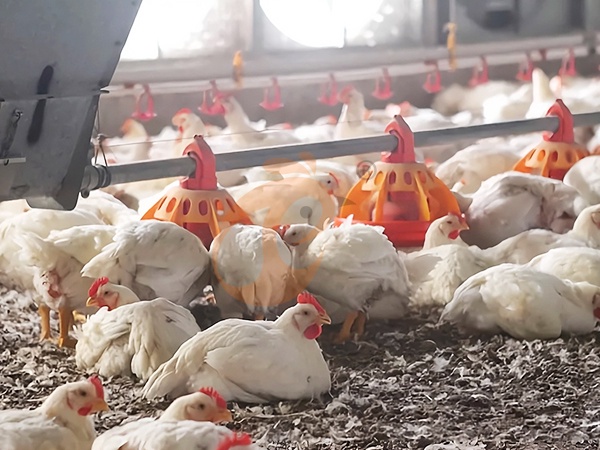
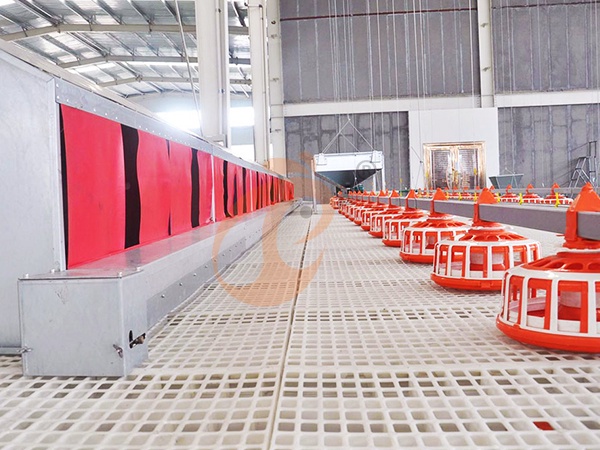
Pralson feeders combine a poultry feeder system and automatic poultry feeder approach for controlled commercial feeding, supporting houses operating 8–12 hours daily with organized feed movement across production areas.
Chicken feeding equipment can influence distribution, access, spillage, labor, and maintenance, making feeder configuration important for houses handling 20,000–100,000 birds.
Pralson feeders support five practical methods: controlled distribution, feeder management, spillage reduction, consistent bird access, and scheduled operation using measurable equipment parameters.
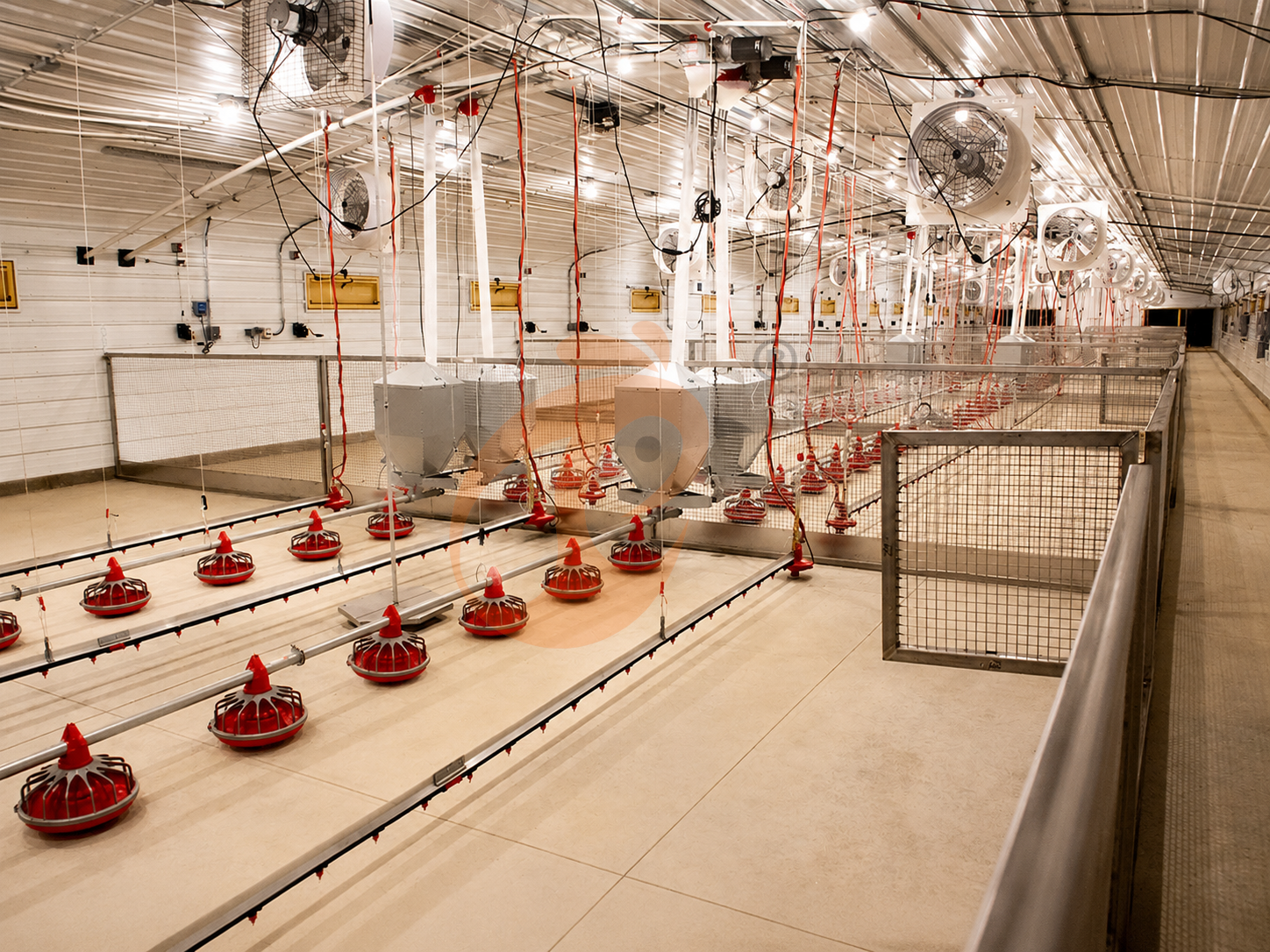
Automatic poultry feeder configurations help connect storage, conveying, feeding lines, and pans, while poultry feeder system planning can accommodate multiple circuits and house layouts.
Pralson feeders provide a technical equipment foundation for reducing avoidable feed losses, improving feeding control, and supporting scalable poultry-house infrastructure across different production models.
Get professional poultry farm construction guidance, equipment selection solutions, and the latest price lists.
Please contact us, WhatsApp NO. : +8613582487372, click to learn more.

Feed Waste Is More Than Spilled Feed — It Is Lost Profit
Feed represents a major portion of poultry production expenditure, so even a small quantity of unnecessary loss can affect flock economics.
Pralson feeders, combined with chicken feeding equipment, support controlled feed handling for commercial poultry houses operating approximately 8–12 hours daily.
Feed efficiency follows a practical chain
Storage → delivery → distribution → bird access → consumption
Pralson feeders connect these stages through mechanical feeding equipment, with conveying distances commonly reaching 50–150 m per feeding line.
A weakness at any point can create waste.
Automatic poultry feeder configurations can support 2–4 feeding circuits, depending on house dimensions and production requirements.
Control Feed Distribution
Data is for reference only.Swipe horizontally to view full table.
The first method is simple put the right amount of feed in the right place.
Pralson feeders provide a poultry feeder system that can be configured around poultry-house dimensions rather than manual feed placement.
Feeding lines can follow house length, bird population, and equipment layout, with feeder spacing commonly arranged around 0.8–1.2 m per pan.
Improve Feeder Management
The 3-question check
1. Is feed reaching every feeding area?
If not, increasing total feed supply may increase waste.
Pralson feeders can support automatic poultry feeder operation with conveying rates around 300–800 kg/h, subject to system configuration.
2. Are birds disturbing feed from the feeder?
Pralson feeders should be positioned according to flock development, with practical feeder height adjustment commonly ranging around 5–15 cm.
3. Is the feeder adjusted appropriately?
Chicken feeding equipment settings should correspond with flock age, house arrangement, and operating requirements.
Reduce Spillage At The Feeder
Data is for reference only.Swipe horizontally to view full table.
Spilled feed may look insignificant when viewed one feeder at a time.
Pralson feeders become economically relevant when repeated losses occur across 10,000-bird houses operating for 42 days.
That equals 420,000 bird-days of feeding activity, making poultry feeder system efficiency a measurable production consideration.
Pralson feeders turn feed delivery into a controlled equipment process rather than constant manual distribution.
A complete chicken feeding equipment installation can combine conveying equipment, drive components, feeding lines, and feeder pans across several hundred or several thousand birds.
Make Bird Access More Consistent
From "more feed" to "better access"
Many producers respond to feeding competition by providing more feed.
Pralson feeders focus instead on organized access, where automatic poultry feeder placement works with house width, density, and flock development.
More feed does not automatically mean better feeding.
A better approach is to improve accessibility and distribution.
Commercial feeding layouts can provide approximately 10–20 cm of usable feeder circumference per bird, depending on production stage.
Pralson feeders support feeding access through structured poultry feeder system arrangements.
The objective is not to fill every feeder as much as possible.
The objective is to provide feed where and when needed, while feeder lines can accommodate birds from placement through market or laying age.
Build A Consistent Feeding Routine
Data is for reference only.Swipe horizontally to view full table.
Feed efficiency is not created by equipment alone.
Pralson feeders provide the equipment foundation, while chicken feeding equipment requires regular inspection across drives, lines, suspension components, pans, and controls.
Farm teams can establish inspection routines every 7 days and maintain records for equipment condition.
Five Methods At A Glance
Data is for reference only.Swipe horizontally to view full table.
These five methods work best together.
Pralson feeders integrate storage, conveying, drive units, lines, and feeder components according to poultry-house requirements.
A complete poultry feeder system can be planned around house length, bird population, feeding circuits, and equipment capacity.
The Hidden Cost: A Simple Farm Calculation
Use this formula
Annual feed waste cost = daily feed loss × feed price × production days
For example, if a farm loses feed each day, the loss may initially appear acceptable.
Pralson feeders make feed consumption easier to evaluate when daily records cover multiple lines, houses, and production cycles.
Now multiply daily loss across multiple feeding lines, multiple poultry houses, production cycles, and current feed prices.
A 50,000-bird operation with 120 g daily intake and 1% feed loss exposes approximately 60 kg of feed daily to potential waste.
The result can become a meaningful operating expense.
Pralson feeders should therefore be evaluated through total operating economics rather than purchase price alone.
European union standard reference only.
What Makes The Feeding System Matter?
Data is for reference only.Swipe horizontally to view full table.
A poultry house is an integrated production environment.
Pralson feeders, as part of chicken feeding equipment, operate alongside ventilation, climate control, drinking systems, flooring, and lighting.
Feeding equipment has a direct relationship with feed handling and consumption.
That makes pralson feeders a production-management component rather than a basic accessory.
A professionally configured poultry feeder system can also use suspension points at approximately 2–3 m intervals for installation stability.
Pralson Feeder Selection: Start With The Farm
Do not start with "which feeder is cheapest?"
Start with
Farm scale → bird type → house layout → feeding capacity → management goals
Then evaluate the appropriate equipment configuration.
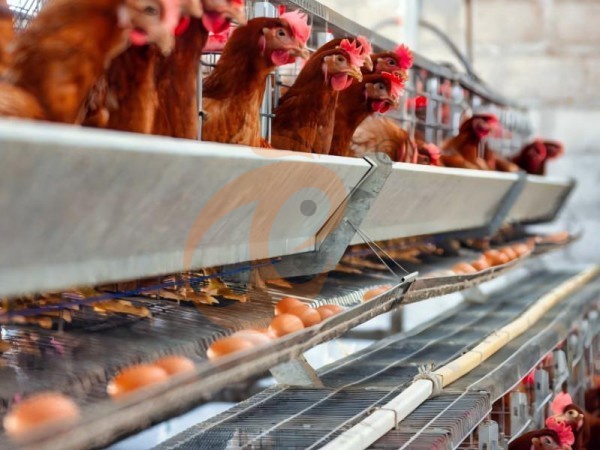
Pralson feeders can serve commercial layer, broiler, breeder, and other poultry projects, including houses accommodating approximately 20,000–100,000 birds.
Different projects require different automatic poultry feeder arrangements, conveying layouts, drive configurations, and controls.
Pralson can evaluate feeding equipment according to the actual farm environment.
The right feeder is not necessarily the cheapest feeder.
Pralson feeders should be selected according to long-term feeding requirements, installation compatibility, and equipment utilization.
Electrical planning can include 380 v three-phase systems where applicable, supporting complete chicken feeding equipment infrastructure planning.
Feed-Waste Reduction Checklist
Data is for reference only.Swipe horizontally to view full table.
Use this checklist as part of routine poultry-house management.
Pralson feeders support a continuous process of observe → measure → adjust → maintain.
Regular records allow poultry feeder system operators to identify changes in feed presentation, conveying performance, and equipment condition.
Turn Feed Savings Into A Competitive Advantage
Data is for reference only.Swipe horizontally to view full table.
Feed is too valuable to waste.
Pralson feeders combine controlled delivery, organized presentation, and equipment-based management for commercial poultry production.
The five methods controlled distribution, feeder management, spillage reduction, bird access, and consistent routines form a practical framework for automatic poultry feeder operation.
Pralson feeders provide an equipment-focused approach to feeding control, farm operation, and modern poultry-house management.
When every kilogram of feed matters, chicken feeding equipment matters too.
Choose pralson feeders.
Control your feeding process.
Reduce avoidable waste.
Build a more efficient poultry operation.
Frequently Asked Questons
Q1: What causes feed waste around poultry feeders?
A1: Pralson feeders can help address unnecessary losses caused by excessive feed presentation, poor positioning, uneven conveying, and equipment misalignment.
Daily inspection intervals of around 24 hours provide practical monitoring points.
Q2: How can pralson feeders help reduce feed spillage?
A2: Pralson feeders combine controlled feed presentation with mechanical conveying and feeder-line management.
Pan configuration, feeder position, and operating settings should be matched with flock requirements rather than using excessive feed delivery.
Q3: How should a poultry feeding system be selected?
A3: Pralson feeders should be selected according to bird population, house dimensions, feed capacity, line arrangement, and electrical infrastructure.
Commercial projects may involve 20,000–100,000 birds per house and require different system configurations.
Taiyu (HK) Group - One Of China Biggest Pralson Feeders Manufacturer
Pralson feeders provide automated poultry feeding with conveying capacities around 300–800 kg/h, supporting controlled feed movement across commercial poultry-house layouts.
Global factory direct supply integrates poultry equipment manufacturing, component coordination, and project-oriented production for international farm installations.
Poultry equipment packages can combine feeding systems with ventilation, drinking, environmental control, housing, and related farm infrastructure.
Turn-key engineering supports project planning from equipment specification and layout coordination through installation guidance and commissioning requirements.
International project delivery connects factory manufacturing with farm-scale technical requirements, supporting scalable poultry production systems across different markets.
Contact Us To Received Your Customized Poultry Farm Plan
Headquarters And Branchs

Hong Kong Headquarter Management Team
Hong Kong Headquarter Taiyu Industrial Group CO., LTD
China Hebei Best Machinery And Equipment CO., LTD
Nigeria Vanke Machinery And Equipment CO., LTD
Tanzania Best Machinery And Equipment CO., LTD
Ethiopia Best Hebei Machinery Manufacturing PLC




Reception /24 online WhatsApp NO. : +8613582487372
Share


More
 Poultry Equipment Daily Operation | 7 Essential Best Practices
- How To Optimize Stocking Density In Layer Chicken Cages | 5 Practical Tips
- 7 Practical Ways To Extend Pralson Feeder Lifespan
- How To Troubleshoot Pellet Machine Problems | 5 Key Steps
- Free Range Poultry Farming Profit | 6 Key Factors Explained
- Floor Rearing System Maintenance Cost | 6 Factors Affecting Long-Term Use
 How To Train Staff To Use Poultry Equipment | 5 Key Steps
- Layer Chicken Cage Maintenance | 7 Key Tips For Long-Term Use