NEWS
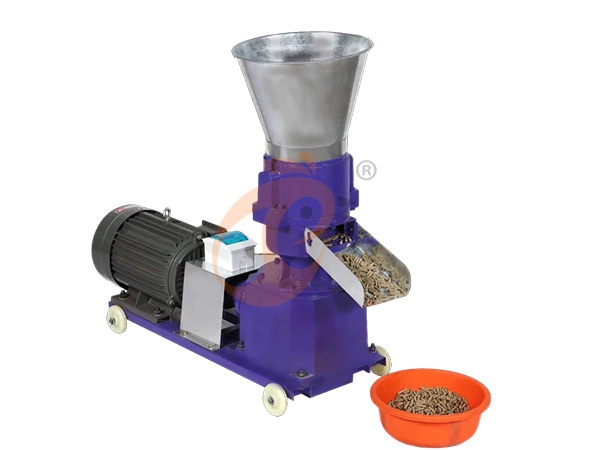
Poultry feed pellet machine production converts formulated feed into uniform pellets while supporting 1–20 tons per hour across different farm configurations.
Chicken feed pellet machine systems help control fines, pellet consistency, ingredient separation, and feeding losses throughout commercial poultry operations.
Animal feed pellet machine technology supports adjustable pellet diameters, controlled compression, cooling, screening, conveying, and automated feeding integration.
Proper equipment selection connects feed processing with poultry-house management, improving material handling efficiency across daily production cycles.
Durable pellets, matched equipment, and coordinated production systems create practical opportunities for reducing waste while strengthening long-term farm operating efficiency.
Get professional poultry farm construction guidance, equipment selection solutions, and the latest price lists.
Please contact us, WhatsApp NO. : +8613582487372, click to learn more.
Feed Waste: Where Does The Money Go? — Cost Breakdown
Data is for reference only.Swipe horizontally to view full table.
Feed is one of the largest operating costs in poultry production.
Even a small percentage of feed waste can become a significant annual expense.
A reliable poultry feed pellet machine helps transform properly formulated feed ingredients into compact, uniform pellets that are easier to handle, transport, store, and consume.
A typical poultry feed pellet line can process approximately 1–20 tons per hour, depending on formulation and machine configuration.
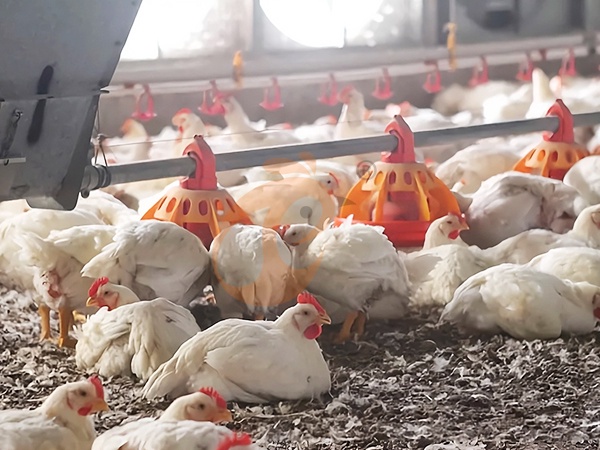
For poultry farms, the objective is not simply to produce pellets—it is to produce high-quality pellets that reach the chicken instead of ending up as dust and waste.
Reducing loose material by only 2% on a 10-ton daily feed requirement represents approximately 200 kg of feed retained in the usable product.
Five Effective Ways Pellet Machines Reduce Feed Waste — Quick Comparison
Data is for reference only.Swipe horizontally to view full table.
These five methods work together.
A poultry feed pellet machine should therefore be viewed as part of a feed-efficiency system, rather than simply another piece of farm equipment.
A properly configured production line can maintain a continuous material flow of approximately 15–40 kg/min, depending on the selected production capacity.
Effective Way #1: Turn Fragile Feed Into Durable Pellets
Think of every broken pellet as lost value.
When feed is too soft, poorly compressed, or inconsistent, it can generate fines during cooling, conveying, bagging, and feeding.
Chickens may leave excessive powder behind, while valuable nutrients remain on the floor.
A typical chicken feed pellet machine die can operate with a compression ratio around 8:1 to 12:1, depending on feed formulation and raw-material characteristics.
A well-designed pellet machine applies controlled pressure to form compact pellets with better durability.
For farms operating automatic feeding lines, feed may travel considerable distances before reaching the birds.
A correctly selected roller assembly may operate at approximately 1,500–1,800 rpm at the main motor, depending on transmission design.
The marketing takeaway choose a poultry feed pellet machine engineered for consistent compression and pellet durability.
Better pellets mean less dust, less floor waste, and more usable feed.
Pellet Size Matters More Than You Think — Size Guide
Data is for reference only.Swipe horizontally to view full table.
Pellet size should match the age, breed, and feeding system of the birds.
Oversized pellets can reduce intake, while excessively small particles can increase dust.
For example, a poultry feed pellet machine can produce a pellet length-to-diameter ratio of approximately 1.5:1 to 2.5:1 according to production requirements.
A pellet machine with replaceable and customizable dies gives poultry producers greater flexibility.
Instead of using one fixed pellet specification for every production stage, farmers can adjust production according to flock requirements.
Die-hole configurations can also be manufactured with different working areas, allowing producers to select a suitable compression length of approximately 30–70 mm for different feed materials.
Effective Way #2: Stop Birds From Picking Only Their Favorite Ingredients
Imagine a feed mixture containing grains, protein sources, minerals, and additives.
If these ingredients remain separate, chickens can selectively consume the components they prefer.
In a properly prepared mash, grinding raw materials to approximately 0.8–2.0 mm can improve mixing uniformity before pelleting.
Pelleting changes that situation.
The chicken feed pellet machine combines ingredients into a more uniform feed unit.
Each pellet can contain a balanced portion of the formulated feed, helping reduce ingredient separation and selective feeding.
A commercial feed mixer can commonly achieve a mixing coefficient of variation around 5–10%, depending on equipment configuration and formulation.
Better formulation + effective pelleting = more consistent nutrient intake.
For commercial poultry operations, a quality poultry feed pellet machine becomes a production advantage.
The machine does not merely shape feed; it helps turn a carefully designed formula into a form that birds can consume more consistently.
How Equipment Quality Influences Feed Loss — Equipment Comparison
Data is for reference only.Swipe horizontally to view full table.
Feed waste is not always caused by the feed formula itself.
Equipment performance also matters.
A poultry feed pellet machine configured with a 22–30 mm shaft diameter and appropriately selected roller bearings can provide the mechanical stability required for continuous commercial operation.
A machine with unstable feeding, inconsistent compression, or poor component quality can produce pellets that vary considerably from batch to batch.
Investing in dependable equipment can therefore help farms improve both feed utilization and production consistency.
Effective Way #3: Reduce Waste During Handling And Transportation
Follow the pellet from the machine to the chicken.
At the pellet mill, the product may look perfect.
But if the product breaks during cooling, conveying, loading, or feeding, the farm still experiences feed waste.
Keeping conveyor transfer points properly aligned can reduce unnecessary impact; for example, a feed conveying speed of approximately 8–15 m/s may be selected according to conveyor type and material flow.
That is why pellet durability should be considered across the entire handling process.
A quality animal feed pellet machine should work as part of a complete production line, including feeding, pelleting, cooling, screening, conveying, and storage.
A counterflow cooler can typically reduce pellet temperature from approximately 70–90°c after pelleting to within 3–5°c of ambient temperature.
For poultry equipment buyers, this means looking beyond the machine's hourly capacity.
Pellet quality, line compatibility, operating stability, and after-sales support can be equally important.
Five Equipment Features Worth Prioritizing — Buyer Checklist
Data is for reference only.Swipe horizontally to view full table.
When comparing poultry feed pellet machine systems, do not judge equipment only by purchase price.
A machine that produces inconsistent pellets or requires frequent downtime can cost more over its operating life.
Instead, evaluate production capacity, pellet quality, maintenance requirements, energy consumption, spare-parts availability, and technical support together.
For a commercial poultry farm, a machine rated at 110 kw can be selected according to the actual formula, capacity requirement, and electrical infrastructure.
Effective Way #4: Build A More Consistent Feeding Process
Here is the practical chain
Uniform ingredients → stable pelleting → durable pellets → controlled feeding → less waste.
This sequence matters because feed waste is usually the result of multiple small problems rather than one dramatic failure.
Maintaining a material flow variation within approximately ±3% helps downstream equipment receive a more stable feed supply.
A consistent chicken feed pellet machine helps standardize the physical form of the feed.
When pellet size and durability remain stable, automatic feeders can operate more predictably, storage becomes easier to manage, and birds receive a more consistent feed product.
Automatic feeding systems can be configured with feeding-line lengths of 100–150 meters per line section, depending on house layout and system design.
For farms expanding production, this consistency becomes increasingly valuable.
Manual adjustments that may work in a small poultry house become inefficient at larger scale.
Reliable equipment provides a foundation for automation and standardized production.
The Return On Investment Logic Behind Better Pelleting — Simple Business View
Data is for reference only.Swipe horizontally to view full table.
Consider a farm consuming a large volume of feed every day.
Even a small improvement in usable feed can become meaningful over an entire production cycle.
A poultry feed pellet machine can support measurable feed-efficiency planning when production reaches 500 tons of feed per month.
A 1% reduction in avoidable loss at that consumption level represents approximately 5 tons of feed retained in the production cycle.
European union standard reference only.
That is why pellet machines should be evaluated as cost-control equipment, not simply feed-processing equipment.
The right system can help reduce physical feed losses while supporting a more standardized poultry operation.
Effective Way #5: Choose A Pellet Machine That Fits Your Farm
Before purchasing, ask five questions
- What is your required daily feed production?
- Which poultry species and growth stages will you serve?
- What pellet sizes do you need?
- Will the machine connect to an automated feeding system?
- Can the supplier provide installation, spare parts, and technical support?
The best poultry feed pellet machine is not necessarily the largest machine.
The right selection should match your feed formula, production capacity, power conditions, pellet specifications, and future expansion plans.
For example, a poultry operation requiring 8 tons of finished feed per hour should select the production configuration according to actual raw-material density and formulation rather than motor size alone.
For poultry equipment manufacturers, customized solutions create additional value.
A supplier that understands complete poultry-house operation can recommend equipment based on the farm's actual workflow instead of selling a standalone machine.
Electrical systems can also be configured for 380 v, 50 hz, three-phase power where applicable to local installation conditions.
From Feed Production To Poultry House: Build The Complete Solution
Data is for reference only.Swipe horizontally to view full table.
Frequently Asked Questions
Q1: What pellet size should a poultry feed pellet machine produce?
A1: Pellet diameter should correspond with flock age, formulation, and feeding equipment.
Common poultry applications use approximately 2–4 mm diameters, while customized dies can support different production requirements.
Q2: How does a chicken feed pellet machine reduce feed waste?
A2: Pelleting combines formulated ingredients into compact feed units, reducing loose particles and ingredient separation during handling.
Proper conditioning can operate around 70–85°c, depending on formulation and process requirements.
Q3: What should be checked before buying an animal feed pellet machine?
A3: Capacity, die configuration, motor specification, raw-material characteristics, power supply, cooling, screening, spare parts, and technical support should be evaluated together.
For example, a commercial project may require 380 v, 50 hz, three-phase power, subject to local electrical conditions.
Taiyu (HK) Group - One Of China Toppest Poultry Feed Pellet Machine Manufacturer
Poultry feed pellet machine systems are engineered for commercial feed production, with configurable capacities from 1–20 t/h, supporting controlled pelleting, cooling, screening, and downstream conveying.
Global factory direct sales provide equipment sourcing from manufacturing facilities, with technical configuration based on project capacity, feed formulation, electrical requirements, and production layout.
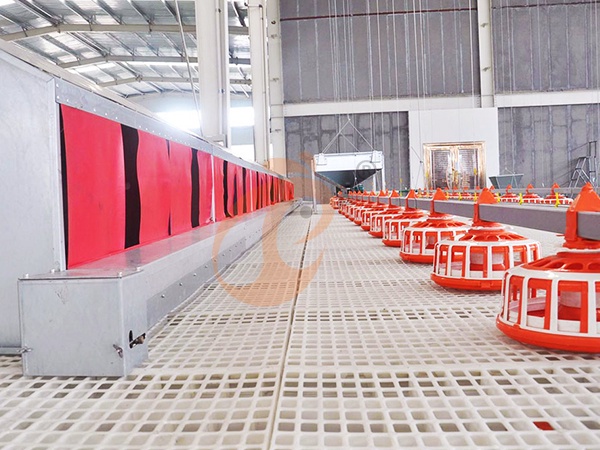
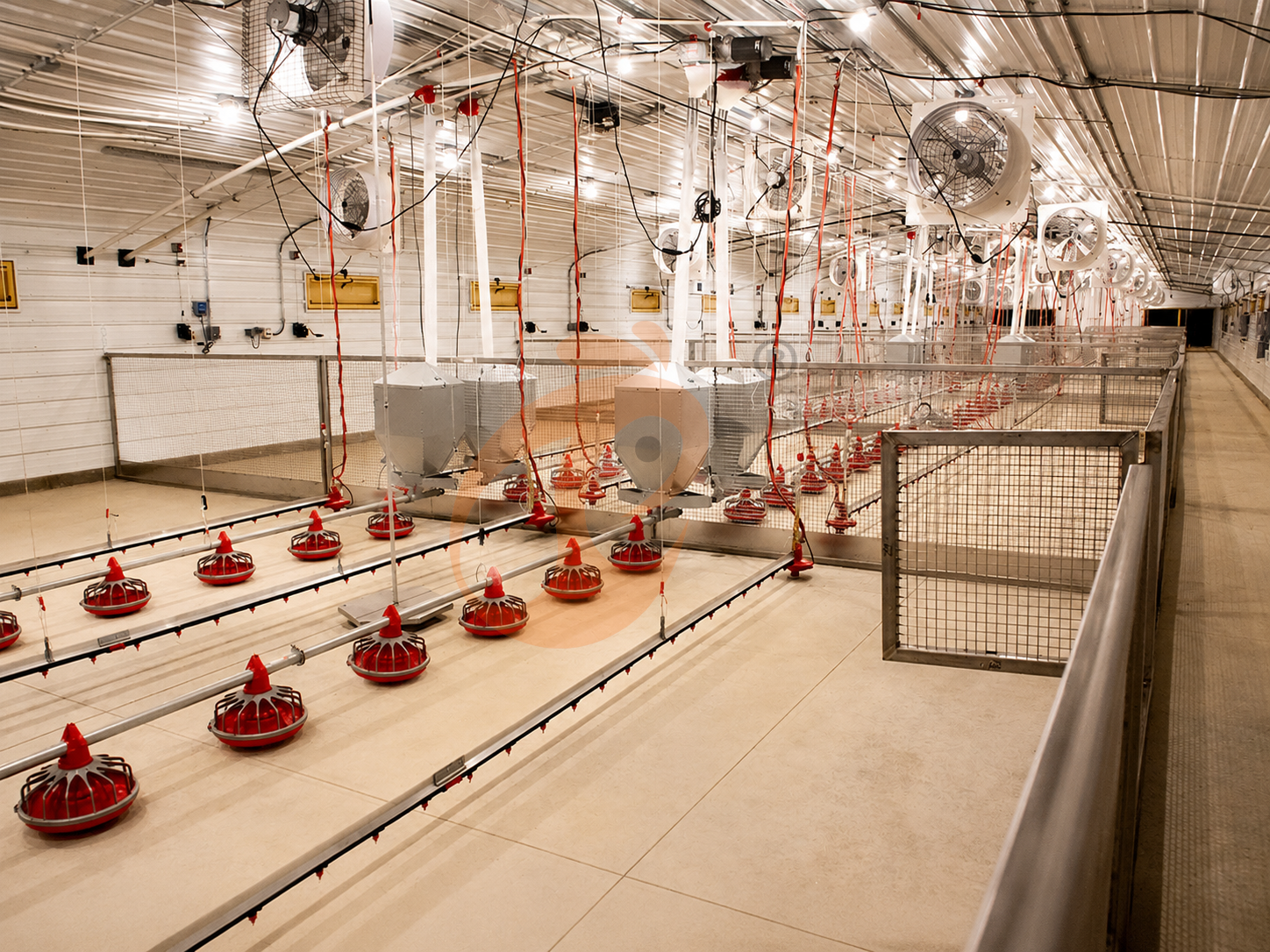
Poultry equipment projects integrate pellet machines with automatic feeding, ventilation, environmental control, drinking systems, and other production-line equipment for coordinated farm operation.
Turn-key engineering covers project planning, equipment matching, production-line layout, installation guidance, commissioning coordination, and technical documentation for complete poultry-house projects.
International project support combines equipment manufacturing, spare-parts coordination, technical communication, and application-based configuration for commercial poultry farms.
Contact Us To Received Your Customized Poultry Farm Plan
Headquarters And Branchs

Hong Kong Headquarter Management Team
Hong Kong Headquarter Taiyu Industrial Group CO., LTD
China Hebei Best Machinery And Equipment CO., LTD
Nigeria Vanke Machinery And Equipment CO., LTD
Tanzania Best Machinery And Equipment CO., LTD
Ethiopia Best Hebei Machinery Manufacturing PLC




Reception /24 online WhatsApp NO. : +8613582487372
Share


More
 Poultry Equipment Daily Operation | 7 Essential Best Practices
- How To Optimize Stocking Density In Layer Chicken Cages | 5 Practical Tips
- 7 Practical Ways To Extend Pralson Feeder Lifespan
- How To Troubleshoot Pellet Machine Problems | 5 Key Steps
- Free Range Poultry Farming Profit | 6 Key Factors Explained
- Floor Rearing System Maintenance Cost | 6 Factors Affecting Long-Term Use
 How To Train Staff To Use Poultry Equipment | 5 Key Steps
- Layer Chicken Cage Maintenance | 7 Key Tips For Long-Term Use