NEWS
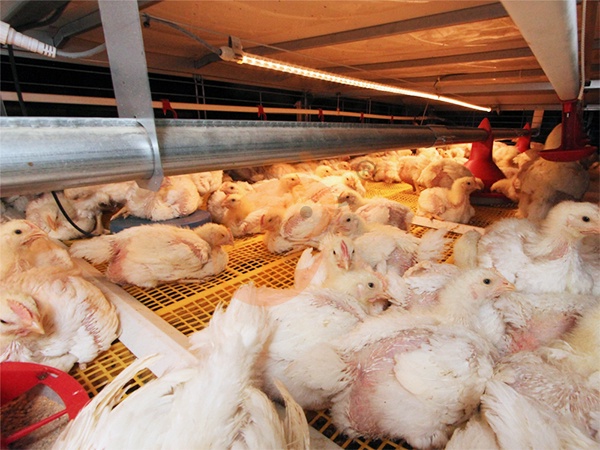
Free range poultry system combines feeding, watering, nesting, ventilation, lighting, and outdoor access into one coordinated production platform, supporting projects from 2,000 to 100,000+ birds.
Automated free range poultry equipment reduces repetitive handling while maintaining organized flock movement, with integrated controls capable of monitoring multiple production zones throughout each operating day.
A properly engineered automatic poultry feeding system supports consistent feed distribution while equipment zoning helps accommodate outdoor movement, nesting behavior, inspection access, and commercial workflow.
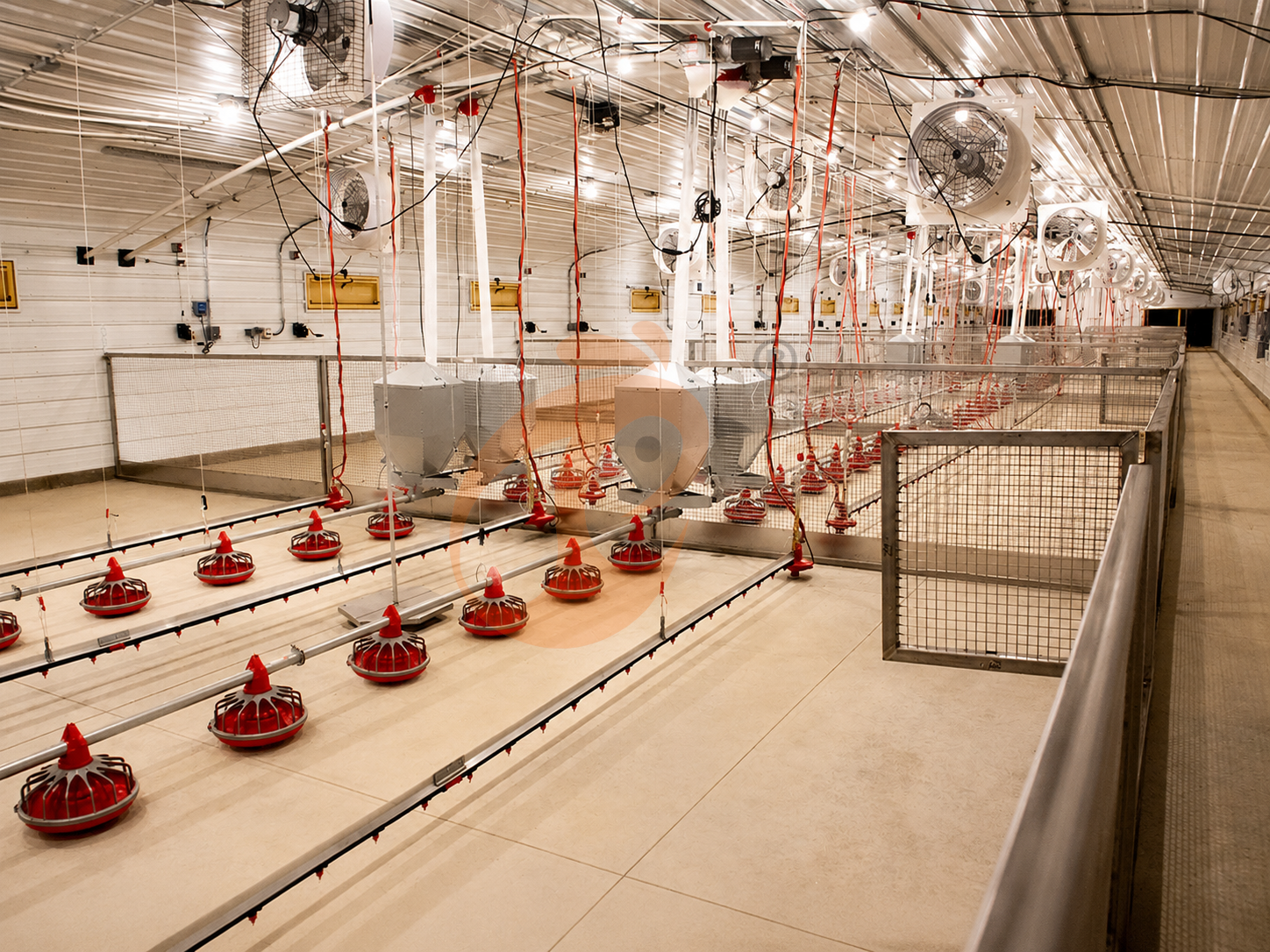
Integrated poultry house ventilation system technology connects environmental sensors, fans, inlets, curtains, and alarms, creating a controllable operating structure for changing outdoor conditions.
From individual modules to complete turnkey projects, free range poultry system engineering provides scalable infrastructure for producers seeking measurable labor efficiency, organized egg handling, and long-term equipment compatibility.
Get professional poultry farm construction guidance, equipment selection solutions, and the latest price lists.
Please contact us, WhatsApp NO. : +8613582487372, click to learn more.
Start With The Production Question: What Should A Modern Poultry House Deliver?
A free range poultry system is not simply a house with an outdoor door.
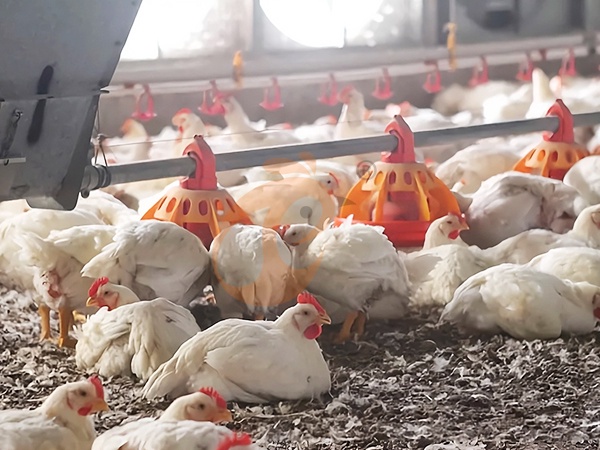
A free range poultry equipment package connects feeding, drinking, nesting, ventilation, lighting, manure handling, bird movement, and outdoor access as one equipment architecture.
For commercial producers, the real question is not whether birds can go outside, but whether equipment can keep production organized while birds use that freedom.
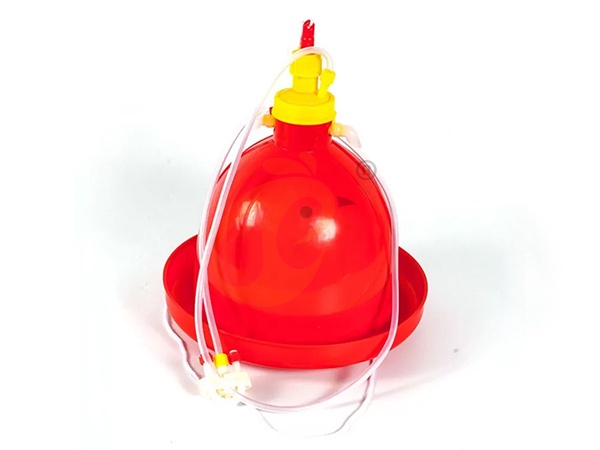
A well-designed free range poultry system can combine automatic feed distribution with 24-hour water availability, reducing routine labor while keeping the flock supplied.
This is particularly important when outdoor movement changes the distribution of birds throughout the building.
The commercial advantage is straightforward free range poultry system equipment becomes the control layer between welfare requirements and production efficiency.
Free Range System Architecture: Equipment Parameters That Matter
Data is for reference only.Swipe horizontally to view full table.
The free range poultry system configuration should be selected according to bird type, flock size, building geometry, climate, and applicable local standards.
For example, free range poultry equipment should distribute feeding and watering points according to flock movement, while a commercial installation may use 2–4 independent water zones for practical inspection and maintenance.
Official guidance emphasizes that feeding and watering facilities should be distributed so birds can access them readily.
Turn Outdoor Access Into A Managed Production Advantage
Problem → equipment response → business result
Outdoor access creates a more variable flock distribution than a conventional enclosed system.
Birds may concentrate around doors, feeders, drinkers, shaded areas, or preferred resting locations.
If equipment is poorly arranged, free range poultry system operation can translate into uneven feed access, dirty water points, unnecessary egg accumulation, and additional labor.
A professional free range poultry equipment configuration solves these issues through equipment zoning.
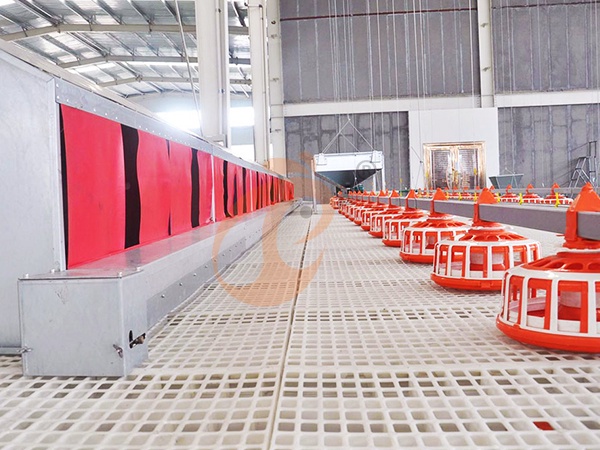
Feed lines, drinking lines, nest entrances, ventilation inlets, and access points are positioned as one coordinated layout rather than as independent components.
For example, a properly engineered free range poultry System can use 10–20 minute monitoring cycles and 24 v door actuators to respond to changing house conditions.
The objective is to make bird movement compatible with predictable equipment operation.
This is where a poultry equipment supplier creates value beyond selling individual machines free range poultry system equipment is designed around the flock's actual movement pattern.
Outdoor Access Design: Parameters For A Commercial Free Range House
Data is for reference only.Swipe horizontally to view full table.
Outdoor-access requirements vary by certification program and jurisdiction.
Australian guidance, for example, specifies a minimum access period and gives dimensional guidance for openings, while u.s. organic regulations establish separate indoor and outdoor provisions.
These figures should therefore be treated as design references rather than universal legal requirements.
Use Automation To Replace Repetitive Labor
Manual routine
Feed inspection → water inspection → egg collection → manure observation → environmental adjustment → door management
Automated workflow
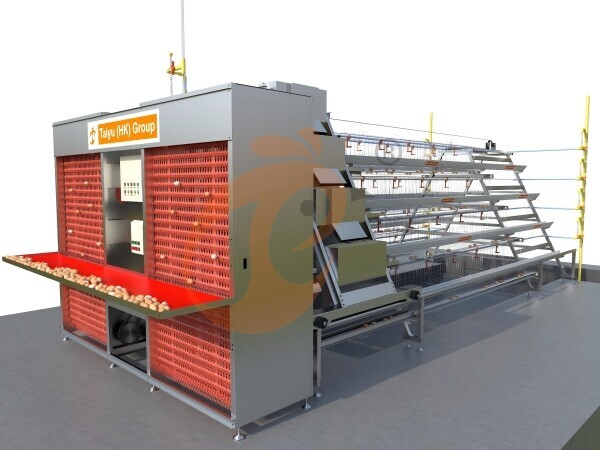
Feed hopper → automatic conveying → pan distribution → nipple drinking → automated nest collection → manure removal → environmental control
The difference is not merely convenience.
Free range poultry system automation allows operators to move from repeatedly performing basic tasks toward monitoring system performance.
A commercial automatic poultry feeding system can integrate 5–10 programmable feeding periods and 1–3 independent feed circuits, depending on house configuration.
Such functions make it easier to identify equipment deviations before they become flock-management problems.
For farms expanding from several thousand birds to larger commercial populations, labor scalability becomes an equipment-selection issue.
The right free range poultry system should therefore be evaluated by the number of operations removed from the daily manual workload, not simply by purchase price.
Feeding System: Precision Components For Consistent Feed Distribution
Data is for reference only.Swipe horizontally to view full table.
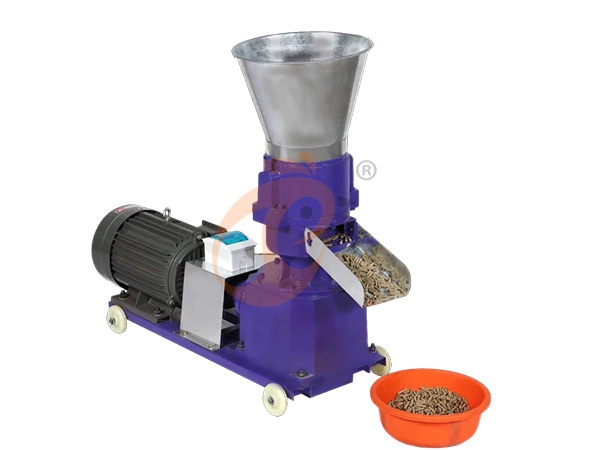
The free range poultry system feeding configuration should be designed around the complete feed path rather than one feeder component.
Pipe dimensions, auger capacity, motor selection, hopper volume, and pan arrangement must work together.
A free range poultry equipment package can additionally use 230/400 v three-phase power and 2–6 feed motors per house, depending on project scale.
For producers, this creates a direct sales advantage: a poultry equipment supplier offering complete feeding engineering can provide a coordinated installation instead of leaving customers to integrate incompatible components from multiple vendors.
Make Egg Collection A Product-Quality Strategy
The commercial chain is simple.
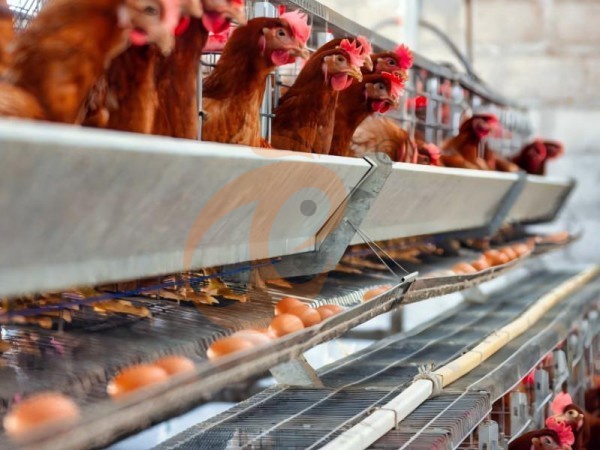
Nest design → controlled laying area → conveyor collection → reduced floor eggs → cleaner handling → lower sorting pressure
Free range poultry system operation gives birds more opportunities to move, scratch, perch, and explore.
That makes nest management particularly important for commercial egg operations.
The equipment should encourage hens to enter dedicated nesting areas while keeping feed, water, and resting zones logically separated.
Nest placement should also consider worker access for inspection and maintenance.
A modern free range poultry equipment collection system can incorporate 400–600 mm egg-belt widths and 30–90 minute collection intervals, allowing equipment configuration to match flock size and egg-flow patterns.
This is a stronger sales proposition than simply saying "automatic egg collection."
The real value is a coordinated egg-management process designed to protect product quality from the nest to the collection point.
Nesting & Egg-Handling Parameters For Commercial Production
Data is for reference only.Swipe horizontally to view full table.
Industry and regulatory references recognize dedicated nesting as an important part of non-cage housing.
Fao guidance provides specific nest-allocation and dimensional references, while efsa recommends enclosed nests with suitable nest-floor materials.
Free range poultry system design should therefore coordinate nesting capacity with 30–45 mm egg-transfer rollers and 1–2 collection transfer points, according to the building arrangement.
Environmental Control Equipment: Professional Specification Set
Data is for reference only.Swipe horizontally to view full table.
Ventilation, heating, cooling, feeding, watering, and alarm systems are identified in poultry welfare guidance as equipment requiring appropriate design and backup arrangements.
A free range poultry system can therefore combine ventilation controls with 2–8 alarm channels and 60–120 seconds emergency response logic for project-level protection.
Convert Welfare-Oriented Design Into Equipment Value
Free range poultry system welfare-oriented engineering can connect bird behavior with equipment configuration instead of treating welfare and production as separate objectives.
U.s. organic rules, for example, address perches, litter, scratching, dust bathing, indoor space, and outdoor access as connected housing considerations.
For an equipment manufacturer, the commercial positioning is clear: sell the farm a production environment, not seven unrelated machines.
Scale The System With The Farm
The final free range poultry system capacity should always be calculated from actual building dimensions, flock type, production objective, climate, local regulations, and management method.
Frequently Asked Questions
Q1: What does a free range poultry system include?
A1: A free range poultry system normally integrates feeding, drinking, nesting, egg collection, ventilation, lighting, manure handling, environmental control, and outdoor-access equipment.
A commercial configuration can use multiple independent control zones to separate house functions and simplify maintenance.
Q2: How does free range equipment reduce daily labor?
A2: Free range poultry system automation transfers repetitive activities from manual operation to programmed equipment.
Automatic feeding, egg collection, ventilation, and access control can reduce operator intervention across several scheduled operating cycles.
Q3: How should a free range poultry system be selected?
A3: Selection should begin with flock capacity, building dimensions, climate, production method, certification requirements, and future expansion.
Engineering should then match power supply requirements and house-zone architecture with the selected poultry equipment.
Any currency-related commercial calculation should use usd, with European union standard reference only where applicable.
Taiyu (HK) Group - One Of China Most Famous Free Range Poultry System Manufacturer
Free range poultry system integrates feeding, drinking, nesting, ventilation, egg collection, manure management, and outdoor-access equipment into coordinated commercial poultry-house engineering.
Global factory direct sales provide integrated poultry equipment manufacturing, component coordination, technical documentation, and project-based equipment supply for international farms.
Poultry equipment packages can be engineered according to flock capacity, building dimensions, electrical architecture, climate conditions, certification requirements, and future expansion plans.
Turn-key engineering covers project layout, equipment configuration, production coordination, installation guidance, commissioning support, and system integration from initial design through operation.
International project execution supports free range poultry system deployment through structured equipment specifications, modular configurations, engineering communication, and commercial project coordination.
Contact Us To Received Your Customized Poultry Farm Plan
Headquarters And Branchs

Hong Kong Headquarter Management Team
Hong Kong Headquarter Taiyu Industrial Group CO., LTD
China Hebei Best Machinery And Equipment CO., LTD
Nigeria Vanke Machinery And Equipment CO., LTD
Tanzania Best Machinery And Equipment CO., LTD
Ethiopia Best Hebei Machinery Manufacturing PLC




Reception /24 online WhatsApp NO. : +8613582487372
Share


More
 Poultry Equipment Daily Operation | 7 Essential Best Practices
- How To Optimize Stocking Density In Layer Chicken Cages | 5 Practical Tips
- 7 Practical Ways To Extend Pralson Feeder Lifespan
- How To Troubleshoot Pellet Machine Problems | 5 Key Steps
- Free Range Poultry Farming Profit | 6 Key Factors Explained
- Floor Rearing System Maintenance Cost | 6 Factors Affecting Long-Term Use
 How To Train Staff To Use Poultry Equipment | 5 Key Steps
- Layer Chicken Cage Maintenance | 7 Key Tips For Long-Term Use