NEWS
- Performance connects automatic poultry feeder design with reliable feed delivery across commercial houses, supporting projects from 5,000 to 50,000 birds.
Pralson feeder optimization combines chicken feeding system configuration, flock access, maintenance discipline, and measurable operating control for stronger production consistency.
Management also considers installation accuracy, feed-flow behavior, mechanical inspection, and operator routines, with commissioning periods of 2–4 hours establishing useful baselines.
systems can support automatic chicken feeder applications where labor efficiency, feed management, and equipment coordination directly influence operating economics.
- Selection becomes more valuable when engineering specifications, serviceability, and complete poultry-house integration are evaluated together across 2 or more production cycles.
Get professional poultry farm construction guidance, equipment selection solutions, and the latest price lists.
Please contact us, WhatsApp NO. : +8613582487372, click to learn more:
Start With The Right Feeder Configuration
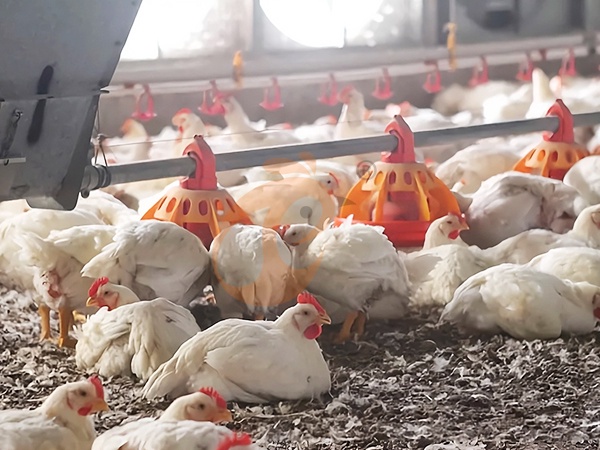
The first step is matching the pralson feeder configuration to poultry-house layout and flock size.
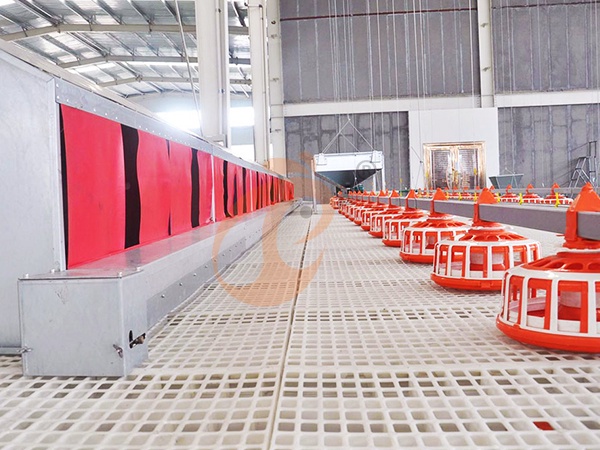
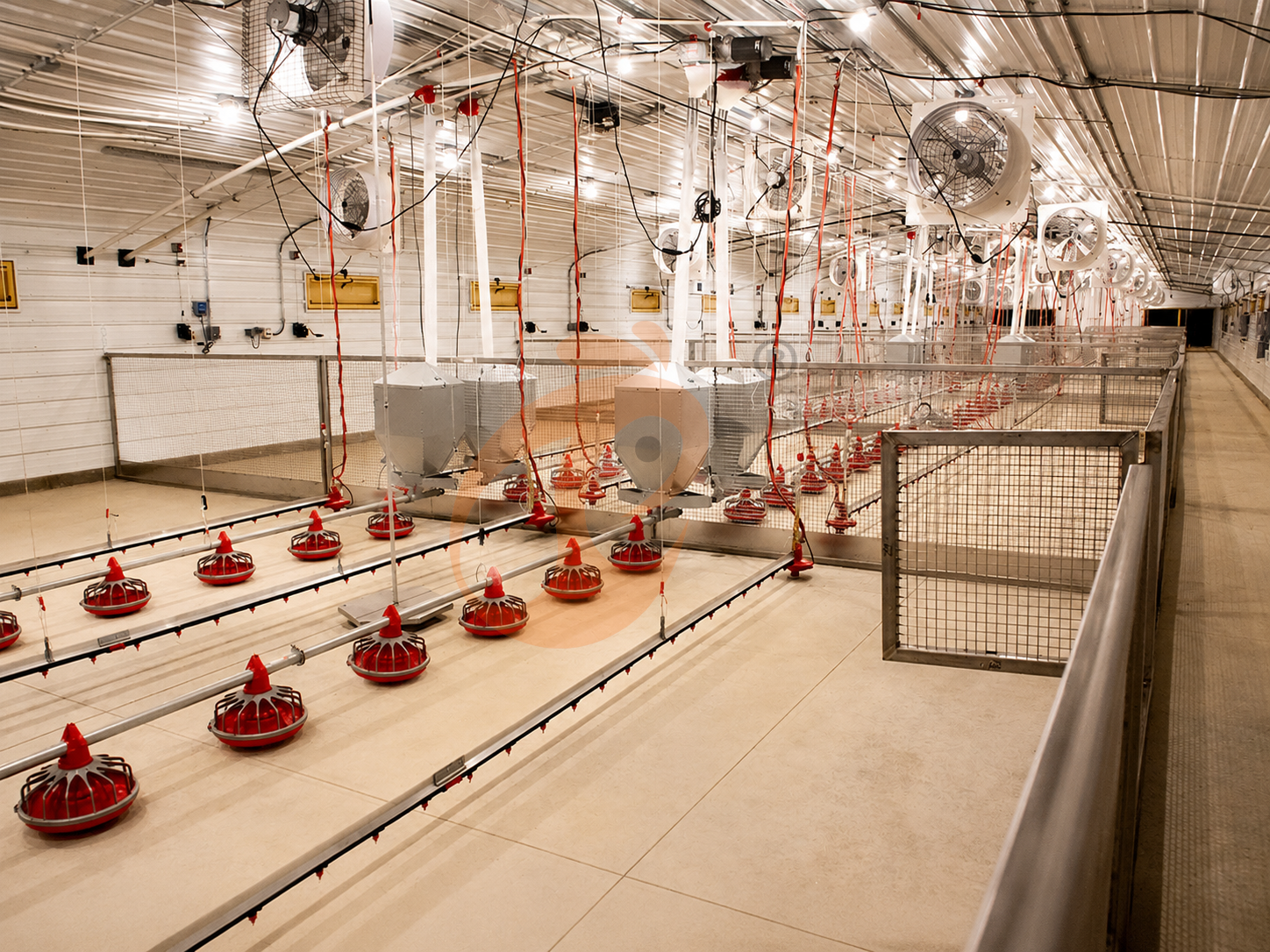
An automatic poultry feeder should be planned according to line quantity, house dimensions, and feeding capacity.
Correct configuration prevents unnecessary extensions and helps maintain balanced equipment loading throughout the house.
For commercial projects, feeder planning can also account for a 2.0–3.0 m service aisle width and a 2.5–3.5 m equipment installation height, depending on house structure and management requirements.
Data is for reference only.Swipe horizontally to view full table.
The pralson feeder should be planned as part of the house layout rather than installed as an isolated component.
During project design, maintaining a 0.8–1.2 m equipment clearance zone around service points can provide workers with practical access for inspection and adjustment.
Adjust Feeder Height As The Flock Grows
Bird growth changes the relationship between the pralson feeder, bird posture, and feed surface.
An automatic chicken feeder with adjustable suspension allows the feeding line to follow flock development instead of remaining at one position throughout the cycle.
In practice, adjustment can be incorporated into routine flock management at 7-day intervals, allowing operators to respond to physical development before access problems become operational issues.
Data is for reference only.Swipe horizontally to view full table.
Operators should observe bird posture while making pralson feeder height changes rather than relying on a fixed calendar alone.
A 15–20 minute observation period after adjustment can reveal whether birds distribute themselves naturally around the feeder line.
Control Feed Level For Better Feed Utilization
Feed level directly affects how birds interact with the pralson feeder pan.
An automatic poultry feeder can use feed-flow controls to establish repeatable settings for different production stages.
Automated operation can also coordinate feed delivery with a 4–8 hour feeding schedule and programmed daily feeding periods.
Data is for reference only.Swipe horizontally to view full table.
A practical pralson feeder operating method is to record feed consumption against flock size instead of adjusting equipment based only on visual impressions.
For example, a 2–5% daily change in feed intake should trigger a review of feed distribution, bird behavior, and equipment operation before further mechanical adjustments are made.
Turn Routine Inspection Into Preventive Maintenance
A commercial pralson feeder line contains multiple moving components, so preventive maintenance should be structured around measurable inspection points.
Operators can check motors, drive units, augers, suspension components, and feeder pans according to a documented schedule.
A 30-minute weekly equipment inspection can provide a practical routine, while detailed maintenance can be scheduled around production-cycle milestones.
Data is for reference only.Swipe horizontally to view full table.
Maintenance records become more useful when pralson feeder inspections include measurable values rather than general comments.
Recording motor current variation within ±10% of rated operating value and checking fastener torque according to manufacturer specifications can help identify developing mechanical issues before feeding interruptions occur.
Use Flock Behavior As Your Performance Indicator
Bird behavior provides an operational feedback signal that pralson feeder specifications alone cannot provide.
When birds distribute consistently along the feeding line, operators can compare behavior with feed consumption and equipment records.
When unusual clustering appears, the corresponding feeder section should be inspected rather than immediately changing the entire system.
A 10–15 minute flock-observation window during scheduled feeding can provide useful information without significantly increasing labor requirements.
Data is for reference only.Swipe horizontally to view full table.
Instead of judging pralson feeder performance from one observation, operators can compare results over 3 consecutive feeding cycles.
A consistent record helps distinguish temporary flock responses from genuine equipment-performance issues.
Optimize The Entire System, Not Just Individual Components
The pralson feeder should work as one integrated system connecting feed storage, conveying, drive units, control devices, suspension structures, and pans.
Optimizing one component while ignoring others can limit complete-system performance.
Pralson equipment is most effective when project planning considers the entire feed-delivery route, with installation teams coordinating equipment around a 1–2% floor gradient and suitable service access.
Data is for reference only.Swipe horizontally to view full table.
System optimization should also consider operating sequences for the pralson feeder.
A 10–15 second motor start delay can coordinate multiple feeder lines where required, while a 5–10 second shutdown delay can help clear residual feed from conveying sections.
Build A Six-Step Operating Checklist
Once the pralson feeder is installed, operators need a repeatable procedure rather than relying on individual experience.
The six-step method can become a farm sop covering configuration, height adjustment, feed control, maintenance, flock observation, and system integration.
A weekly sop review cycle and monthly equipment-performance record can provide management with a structured basis for continuous improvement.
Data is for reference only.Swipe horizontally to view full table.
The value of a standardized pralson feeder checklist is that every adjustment can be connected to an observable result.
Such records give farm managers a clearer picture of how equipment settings influence daily operation.
Why Equipment Design Matters
The pralson feeder operates repeatedly throughout production cycles, making mechanical construction and component compatibility important purchasing considerations.
An automatic chicken feeder should combine practical serviceability with coordinated system design for automated feeding environments.
Project specifications can also accommodate 24-hour continuous-duty operating requirements and multiple feeding lines controlled from a centralized panel.
Data is for reference only.Swipe horizontally to view full table.
The equipment selection process should examine pralson feeder serviceability as well as initial specifications.
A feeder that can be inspected quickly and adjusted systematically gives farm personnel greater control over daily operating conditions.
From Installation To Daily Operation
The difference between an installed pralson feeder and an optimized feeder is the quality of commissioning and daily management.
After installation, operators should verify feed movement, pan filling, line suspension, motor operation, and sensor response before full production.
A commissioning process of 2–4 hours per complete feeding line can provide time for functional testing, while recording the first 3 operating cycles creates a useful reference for future troubleshooting.
Data is for reference only.Swipe horizontally to view full table.
This commissioning stage makes pralson feeder installation quality measurable.
Proper testing allows the farm team to establish a baseline before normal production begins.
Evaluate Equipment Through Operating Economics
Pralson feeder performance should ultimately connect with operating economics.
Automated feeding can reduce repetitive manual work while providing a more controlled feed-delivery process.
For a commercial farm, small differences in daily efficiency can become significant over an entire production cycle.
A 42–49 day broiler production period provides sufficient operating time for equipment-management improvements to accumulate into measurable value.
Data is for reference only.Swipe horizontally to view full table.
The correct investment calculation for pralson feeder equipment should include purchase, installation, labor, maintenance, feed management, and downtime.
This approach provides a more realistic evaluation of total equipment value, with 3–5% annual maintenance-budget variation worth monitoring during long-term planning.
Quick Technical Reference For Farm Operators
Farm personnel often need immediate answers rather than lengthy manuals, making pralson feeder operating references useful beside the control cabinet.
A compact reference can turn key requirements into practical field data for different operators.
A one-page operating sheet and daily 5-minute visual check can make routine feeder management easier.
Data is for reference only.Swipe horizontally to view full table.
The purpose of these Pralson feeder figures is not to replace the equipment manufacturer's installation manual.
Instead, values provide farm operators with a measurable framework for identifying when further inspection or adjustment may be necessary.
Make Every Feeding Cycle More Efficient
The six optimization steps create a complete pralson feeder management cycle: configure the system, adjust it for flock development, control feed delivery, maintain mechanical components, observe flock response, and evaluate the complete installation.
Pralson feeder equipment can turn automated feeding from a basic labor-saving function into a more controlled part of modern poultry-house management.
Farms can also compare performance across 2 or more production cycles to identify whether equipment adjustments are producing consistent operational improvements.
Data is for reference only.Swipe horizontally to view full table.
For poultry producers planning a new chicken-house project or upgrading an existing pralson feeder system, equipment selection should be based on measurable performance, compatibility, and serviceability.
Pralson feeder equipment combines automated feed delivery with adjustable mechanical components and systematic control, providing a practical foundation for organized poultry management.
Frequently Asked Questions
Q1: What should be checked first when pralson feeder performance changes?
A1: Check feed delivery behavior, mechanical movement, flock distribution, and recent equipment adjustments before changing multiple settings simultaneously.
Q2: How often should pralson feeder settings be reviewed?
A2: Review settings during flock development and use a 7-day management interval as a practical reference for scheduled checks.
Q3: Why is complete-system optimization important for pralson feeder equipment?
A3: Feed storage, conveying, drive components, sensors, suspension, and pans operate as one system, so isolated adjustments may not resolve distribution or efficiency issues.
Taiyu (HK) Group - One Of China Toppest Pralson Feeder Manufacturer
Pralson feeder provides an integrated feeding-equipment solution combining conveying, controlled feed distribution, drive assemblies, sensors, and adjustable feeder structures for commercial poultry projects.
Global factory-direct supply covers poultry equipment engineering, component manufacturing, quality inspection, export packing, and international project coordination.
Turn-key engineering integrates feeding systems with complete poultry-house equipment according to house dimensions, flock capacity, utility conditions, and installation requirements.
Project delivery supports overseas customers through equipment selection, technical documentation, installation coordination, commissioning guidance, and after-sales engineering communication.
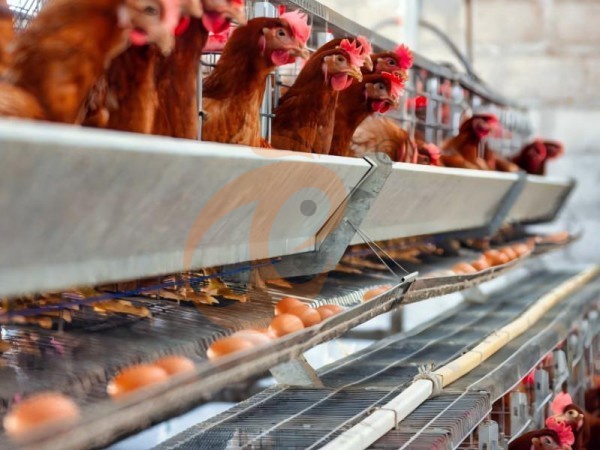
Factory production enables project-based equipment configuration for broiler, layer, and breeder facilities, with coordinated specifications across mechanical and electrical assemblies.
Contact Us To Received Your Customized Poultry Farm Plan
Headquarters And Branchs

Hong Kong Headquarter Management Team
Hong Kong Headquarter Taiyu Industrial Group CO., LTD
China Hebei Best Machinery And Equipment CO., LTD
Nigeria Vanke Machinery And Equipment CO., LTD
Tanzania Best Machinery And Equipment CO., LTD
Ethiopia Best Hebei Machinery Manufacturing PLC




Reception /24 online WhatsApp NO. : +8613582487372
Share


More
 Poultry Equipment Daily Operation | 7 Essential Best Practices
- How To Optimize Stocking Density In Layer Chicken Cages | 5 Practical Tips
- 7 Practical Ways To Extend Pralson Feeder Lifespan
- How To Troubleshoot Pellet Machine Problems | 5 Key Steps
- Free Range Poultry Farming Profit | 6 Key Factors Explained
- Floor Rearing System Maintenance Cost | 6 Factors Affecting Long-Term Use
 How To Train Staff To Use Poultry Equipment | 5 Key Steps
- Layer Chicken Cage Maintenance | 7 Key Tips For Long-Term Use