NEWS
poultry farm upgrades are becoming essential as medium-scale producers face rising feed prices, labor shortages, and tighter profit margins
Medium operations typically manage 5,000–50,000 birds, where small efficiency gains translate into significant financial impact
Modern equipment, data-driven management, and automation are now proven profit accelerators
This guide focuses on practical, investment-ready improvements rather than theoretical concepts
Get professional poultry farm construction guidance, equipment selection solutions, and the latest price lists.
Please contact us, WhatsApp NO. : +8613582487372, click to learn more:
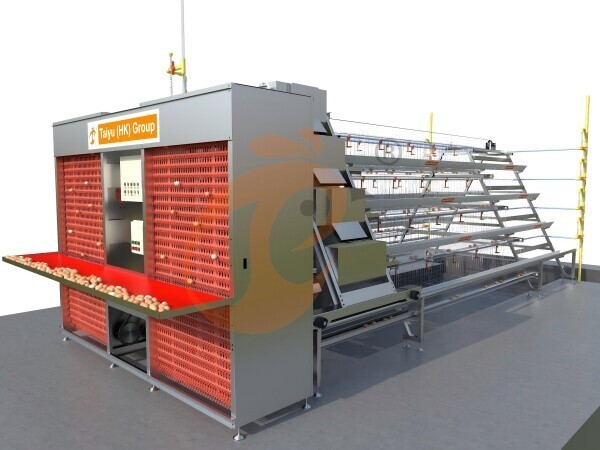
Hot Sale Poultry Farm Equipment
Optimize Feed Conversion Ratio For Sustainable Cost Control
Feed efficiency remains the most powerful driver of profitability in any poultry operation.
For a medium poultry farm, feed commonly represents 65 %–75 % of total operating expenses, making Feed Conversion Ratio (FCR) optimization a non-negotiable priority.
Well-managed farms consistently outperform industry averages by combining precision feeding systems, consistent feed formulation, and stable environmental conditions.
Even a 0.1 improvement in FCR can result in measurable cost savings per production cycle.
Key Feed Efficiency Benchmarks
Data is for reference only.Swipe horizontally to view full table.
USD values are based on local averages, European Union standards for reference only.
Advanced feeding lines with automatic distribution and height adjustment help stabilize intake, particularly in larger poultry farm houses where manual feeding leads to uneven consumption.
Feed Strategy Upgrade Areas
Data is for reference only.Swipe horizontally to view full table.
By integrating these upgrades, a medium poultry farm can realistically reduce feed-related expenses by USD 20,000–45,000 per year, depending on flock size.
Reduce Mortality Through Biosecurity And Environmental Stability
Mortality reduction is one of the fastest ways to improve return on investment without increasing production volume.
Each lost bird represents lost revenue, wasted feed, and unrecovered fixed costs.
In poorly controlled environments, mortality can exceed 5 %–7 %.
Optimized poultry farm operations consistently maintain mortality below 3 %, even in challenging climates.
Mortality Impact On Financial Performance
Data is for reference only.Swipe horizontally to view full table.
USD values are estimates, European Union standards for reference only.
Environmental Control Parameters
Data is for reference only.Swipe horizontally to view full table.
Stable environments reduce stress, improve immunity, and lower disease incidence across the entire poultry farm.
Introduce Automation To Improve Labor And Precision Management
Labor inefficiency remains a hidden cost in many medium-scale farms.
Manual operations limit scalability, consistency, and data visibility.
Automation allows one worker to manage 2–3× more birds while improving accuracy.
For a modern poultry farm, automated feeding, drinking, manure removal, and climate systems are no longer luxury investments.
Automation Return On Investment Breakdown
Data is for reference only.Swipe horizontally to view full table.
Operating Cost Comparison
Data is for reference only.Swipe horizontally to view full table.
Automation typically delivers full payback within 18–36 months for medium poultry farm upgrades.
Expand Revenue Streams Beyond Primary Poultry Products
Profit stability improves significantly when farms diversify income sources.
Relying solely on live bird sales exposes producers to market volatility.
Modern poultry farm models increasingly integrate secondary revenue channels such as eggs, manure, spent birds, and value-added processing.
Revenue Stream Distribution Example
Data is for reference only.Swipe horizontally to view full table.
USD estimates, European Union standards for reference only.
Monthly Income Illustration
Data is for reference only.Swipe horizontally to view full table.
Diversification reduces cash-flow risk and strengthens long-term poultry farm sustainability.
Leverage Data, KPIs, And Smart Management Systems
Data-driven decision-making separates high-return on investment farms from average performers.
Key Performance Indicators (KPIs) provide early warnings and optimization opportunities.
Core KPI Targets
Data is for reference only.Swipe horizontally to view full table.
IoT And Intelligent Control System Application
Modern poultry farm facilities increasingly deploy IoT-based intelligent control systems.
Sensors continuously monitor temperature, humidity, ammonia, CO₂, water flow, and feed intake.
Real-time dashboards enable remote supervision, while automated alerts reduce response time to abnormal conditions.
Commercial operations applying intelligent control systems report mortality reductions of 1 %–1.8 %, feed savings of 8 %–12 %, and labor efficiency improvements exceeding 30 %, making IoT integration a high-impact upgrade.
Frequently Asked Questions
Q1: How much investment is required to upgrade a medium poultry farm?
A1: Typical upgrade budgets range from USD 80,000 to USD 250,000 depending on automation level, housing size, and equipment scope. European Union standards for reference only.
Q2: Which upgrade delivers the fastest return on investment?
A2: Feed efficiency improvement and mortality reduction usually generate measurable returns within the first production cycle.
Q3: Can upgrades be phased instead of implemented all at once?
A3: Yes. Most farms prioritize feeding systems and climate control first, then expand toward automation and data platforms.
HB Best – One Of China Most Famous Poultry Farm Manufacturer
Serving customers worldwide across more than 60 countries
Factory direct supply with large-scale manufacturing capacity
Full poultry farm equipment solutions including poultry cage systems
Turnkey engineering covering design, production, installation, and training
Proven performance data supporting higher return on investment and faster payback
Contact Us To Received Your Customized Poultry Farm Plan
Headquarters And Branchs
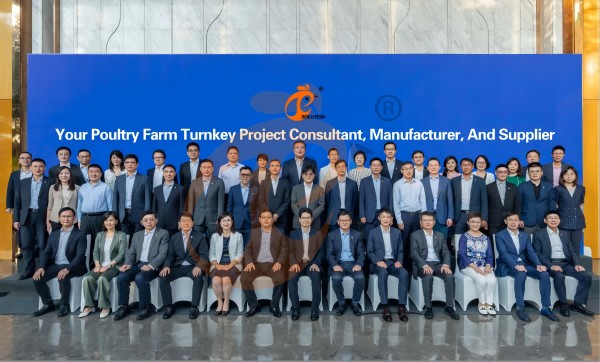
Hong Kong Headquarter Management Team
Hong Kong Headquarter Taiyu Industrial Group CO., LTD
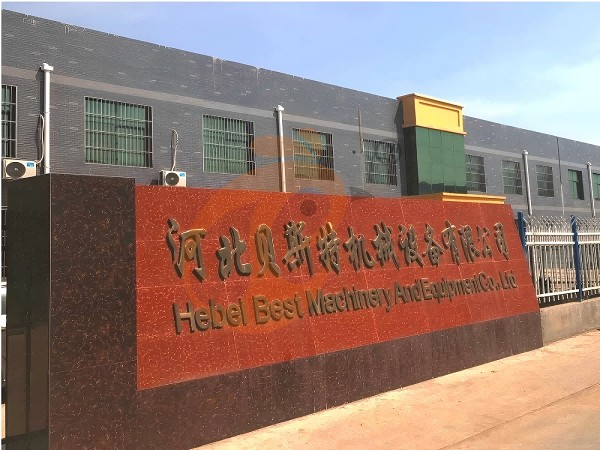
China Hebei Best Machinery And Equipment CO., LTD
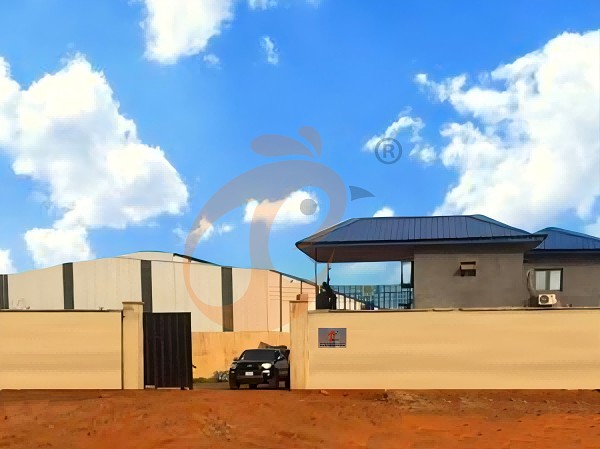
Nigeria Vanke Machinery And Equipment CO., LTD
Tanzania Best Machinery And Equipment CO., LTD
Ethiopia Best Hebei Machinery Manufacturing PLC


Reception /24 online WhatsApp NO. : +8613582487372
Share


More
 5 Steps To Properly Store Pellet Machine Feed Output
- Deep Litter System Maintenance Cost | 6 Long-Term Control Tips
- Is Free Range Poultry Farming Profitable? | 5 Decision Tips
- Floor Rearing System Lighting | 5 Essential Management Guidelines
- How To Improve Efficiency With Poultry Equipment | 6 Practical Methods
- Layer Chicken Cage Flooring | 6 Key Factors Affecting Hen Health
- How To Improve Water Hygiene With Nipple Drinkers | 6 Steps
- 5 Steps To Optimize Pralson Feeder Placement In Chicken Houses