NEWS
The global protein supply chain continues to evolve, and poultry farm operations remain one of the most scalable agricultural models worldwide.
Rising feed prices, labor shortages, and disease risks are forcing producers to focus on efficiency rather than volume alone.
Modern farms now rely on standardized benchmarks, measurable performance indicators, and controlled environments to remain competitive.
Profitability today depends on converting inputs into output with minimal waste and predictable biological performance.
Get professional poultry farm construction guidance, equipment selection solutions, and the latest price lists.
Please contact us, whatsApp to +8618830120193, click to learn more:
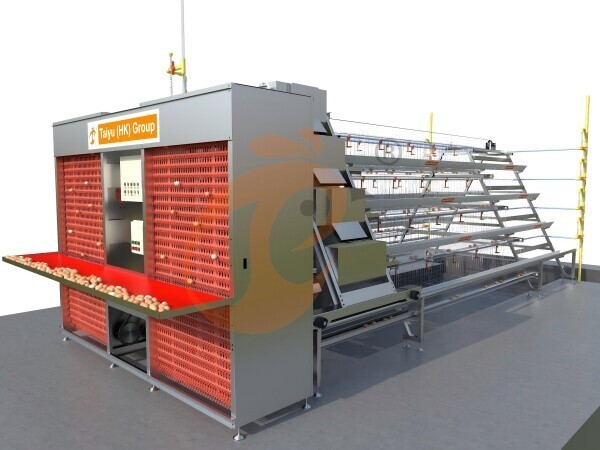
Hot Sale Poultry Farm Equipment
Optimize Feed Conversion Ratio Through Nutrition
Even a small improvement can translate into significant savings when applied across large flocks.
Poor formulation, inconsistent feed particle size, or improper feeding schedules directly increase waste and suppress growth potential.
Balanced amino acid profiles, digestible energy alignment, and phase-specific feeding programs are now standard practice.
Nutritional Standards For Broiler Growth
Data is for reference only.Swipe horizontally to view full table.
Uniform feeder height, proper distribution timing, and consistent lighting schedules further enhance intake efficiency.
These fundamentals form the nutritional backbone of a high-performing poultry farm.
Impact Of Feed Waste On Annual Profit
Data is for reference only.Swipe horizontally to view full table.
Reducing feed waste by just a few percentage points has an immediate and measurable impact on poultry farm profitability.
Implement Precision Environmental Control Systems
A deviation of only 3°C from optimal range can reduce growth rate by approximately 10%.
Modern poultry farm facilities rely on tunnel ventilation, automated heating, evaporative cooling, and programmable controllers.
These systems maintain stable microclimates regardless of seasonal or regional variability.
Ideal Temperature And Humidity Benchmarks
Data is for reference only.Swipe horizontally to view full table.
Precise airflow management reduces ammonia concentration, improves oxygen exchange, and supports consistent daily weight gain across the poultry farm.
Leverage Automation For Labor Efficiency
Automated feeding, drinking, manure removal, and centralized control panels allow a single operator to manage significantly larger bird populations.
In a well-designed poultry farm, one worker can manage up to three times more birds compared to manual systems.
Manual Vs Automated Operations Comparison
Data is for reference only.Swipe horizontally to view full table.
Automation is no longer optional for scalable poultry farm development; it is a structural requirement.
Prioritize Biosecurity And Vaccination Protocols
Preventive biosecurity measures consistently outperform reactive treatment strategies.
Strict access zoning, sanitation checkpoints, and vaccination schedules improve livability rates to above 96% in professionally managed poultry farm systems.
Standard Vaccination And Health Schedule
Data is for reference only.Swipe horizontally to view full table.
Biosecurity Checkpoint Requirements
Data is for reference only.Swipe horizontally to view full table.
These measures protect long-term poultry farm stability and investor confidence.
Focus On Data-Driven Financial Management
One widely accepted industry benchmark is the European production efficiency factor, which combines livability, weight, age, and feed efficiency into a single score.
High-performing poultry farm operations track this indicator at the end of every production cycle.
Performance Benchmarks
Data is for reference only.Swipe horizontally to view full table.
Consistent scores above 380 indicate advanced poultry farm management.
Application Of IoT And Intelligent Control Systems In Farms
Modern poultry farm operations increasingly integrate Internet of things and intelligent control technologies.
Sensors continuously monitor temperature, humidity, air quality, and bird activity.
Globally available data indicates farms using integrated monitoring platforms reduce energy consumption by approximately 15% while improving flock uniformity.
Centralized dashboards allow managers to oversee multiple poultry farm locations remotely, improving scalability and response speed.
Summary Of Investment Returns
Efficiency investments deliver measurable payback periods.
While initial capital costs exist, long-term gains consistently outweigh upfront expenses.
Estimated Return On Investment On Smart Farming Upgrades
Data is for reference only.Swipe horizontally to view full table.
All monetary figures are shown in USD (European Union standard reference only).
Frequently Asked Questions
Q1: How quickly can efficiency improvements impact profitability?
A1: Most improvements such as nutrition optimization and environmental control deliver measurable results within one production cycle.
Q2: Is automation suitable for smaller operations?
A2: Yes. Modular automation systems allow gradual upgrades without full infrastructure replacement.
Q3: What is the most critical factor for long-term success?
A3: Consistent data tracking combined with strict biosecurity protocols ensures sustainable poultry farm performance.
HB Best – One Of China Largest Poultry Farm Manufacturer
Serving more than 80 countries worldwide through factory-direct supply models
Providing complete poultry farm equipment, poultry cage systems, and turnkey engineering solutions
Integrating design, manufacturing, installation, and after-sales technical support
Delivering documented efficiency improvements of 15%–30% across client projects
Supporting scalable poultry farm development from entry-level to industrial complexes
Contact Us To Received Your Customized Poultry Farm Plan
Headquarters And Branchs

Hong Kong Headquarter Management Team
Hong Kong Headquarter Taiyu Industrial Group CO., LTD
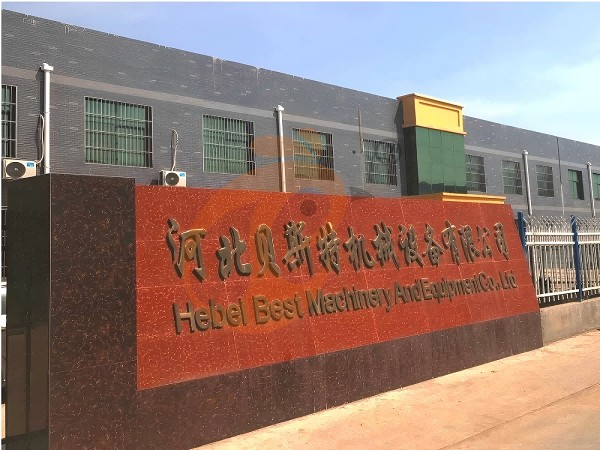
China Hebei Best Machinery And Equipment CO., LTD
Nigeria Vanke Machinery And Equipment CO., LTD
Tanzania Best Machinery And Equipment CO., LTD
Ethiopia Best Hebei Machinery Manufacturing PLC



Reception /24 WhatsApp NO. : +8618830120193
Share


More
 5 Steps To Properly Store Pellet Machine Feed Output
- Deep Litter System Maintenance Cost | 6 Long-Term Control Tips
- Is Free Range Poultry Farming Profitable? | 5 Decision Tips
- Floor Rearing System Lighting | 5 Essential Management Guidelines
- How To Improve Efficiency With Poultry Equipment | 6 Practical Methods
- Layer Chicken Cage Flooring | 6 Key Factors Affecting Hen Health
- How To Improve Water Hygiene With Nipple Drinkers | 6 Steps
- 5 Steps To Optimize Pralson Feeder Placement In Chicken Houses