NEWS
poultry farm feed efficiency directly determines production cost control, growth performance, and long-term profitability.
Feed expenses typically account for up to 70% of total operating costs, making efficiency gains financially critical.
Small improvements in feed utilization can generate substantial savings across a full production cycle.
Structured feeding management improves flock uniformity, health stability, and overall operational sustainability.
Get professional poultry farm construction guidance, equipment selection solutions, and the latest price lists.
Please contact us, WhatsApp NO. : +8613582487372, click to learn more:
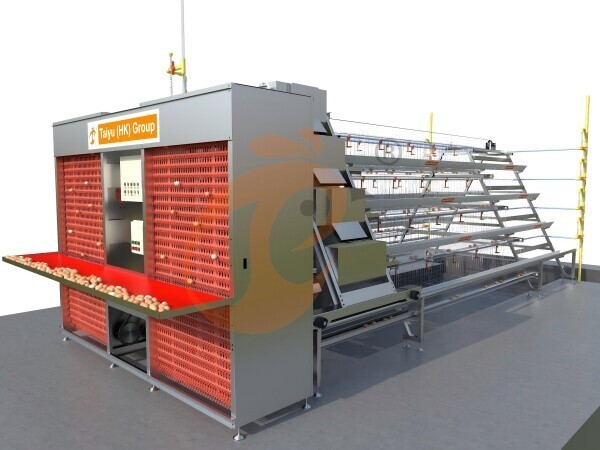
Hot Sale Poultry Farm Equipment
Optimize Feed Physical Quality And Particle Size
Feed physical quality directly affects feeding behavior, nutrient intake, and digestive efficiency.
In a professional poultry farm, optimizing feed form and particle size is one of the fastest ways to improve feed efficiency without changing feed formulas.
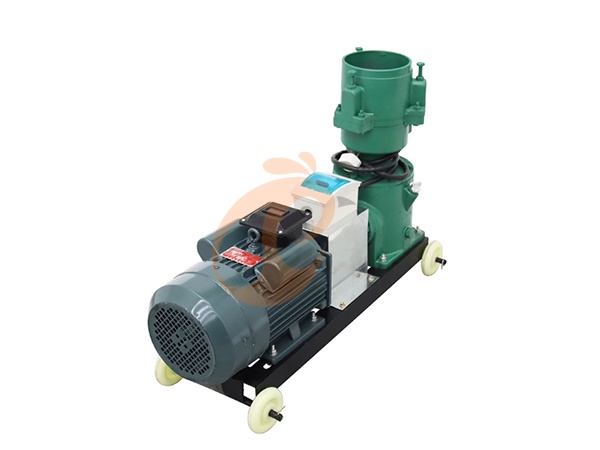
Pelleted feed delivers more uniform intake, lower dust loss, and better growth performance than mash feeds.
Proper particle size selection further supports efficient digestion at each growth stage while reducing feed waste.
Data is for reference only.Swipe horizontally to view full table.
Data is for reference only.Swipe horizontally to view full table.
Optimized feed structure improves feeder flow, reduces segregation, and supports uniform flock development.
In large-scale poultry farm operations, correct particle size control alone can improve overall feed efficiency by 5–10%.
Implement Precise Phase Feeding Programs
Birds experience rapid physiological changes as they grow, and their nutritional requirements shift accordingly.
Phase feeding aligns nutrient density with actual growth needs, preventing unnecessary nutrient loss and overfeeding.
Starter diets prioritize protein and amino acids for early muscle formation.
Grower diets balance protein and energy to support frame development.
Finisher diets increase energy density while reducing excess protein, lowering feed cost per kilogram of live weight gain.
Data is for reference only.Swipe horizontally to view full table.
For any commercial poultry farm, phase feeding reduces total feed consumption while maintaining target growth rates.
Operations transitioning from basic feeding programs to multi-phase strategies typically achieve 3–6% feed cost savings per cycle.
Utilize Feed Additives For Enhanced Digestion
Raw feed ingredients often contain nutrients that birds cannot fully digest without assistance.
Anti-nutritional factors and fiber complexity reduce natural nutrient availability, limiting feed efficiency.
Feed additives enhance digestion by unlocking bound nutrients and improving gut health.
Enzymes improve nutrient release, probiotics stabilize intestinal microflora, and organic acids support enzyme activity and protein
absorption.
Data is for reference only.Swipe horizontally to view full table.
In a high-density poultry farm, feed additives also improve flock consistency and reduce digestive stress.
Even small FCR improvements translate into significant annual savings at commercial scale (European Union standards for reference only).
Feed Storage And Silo Design Impact On Feed Quality
Key Technical Factors Affecting Feed Quality
1. Internal Condensation Control
Temperature fluctuations inside metal silos create condensation on inner walls.
Moisture accumulation increases mold and mycotoxin risk.
Condensation zones typically form in upper silo sections and discharge cones.
Insulated walls and controlled ventilation reduce moisture-related degradation.
2. Silo Cone Angle And Material Flow
Cone angle directly determines feed flow consistency.
Insufficient angle causes material bridging and feed stagnation.
Stagnant feed remains in contact with moisture and oxygen longer.
Inconsistent discharge leads to uneven feed age entering the feeding line.
3. Storage Duration And Nutrient Stability
Prolonged storage accelerates vitamin and fat oxidation.
Nutrient degradation increases after extended holding periods.
Visual appearance of feed does not reflect nutrient loss.
Storage time limits are critical for maintaining feed value.
4. Feed Segregation During Conveying
Long conveying distances increase particle separation.
Fine particles migrate faster than larger pellets.
Segregation causes uneven nutrient distribution at feeders.
Controlled conveying speed reduces separation intensity.
Engineering Reference Parameters
Data is for reference only.Swipe horizontally to view full table.
Data is for reference only.Swipe horizontally to view full table.
Practical Implementation Summary
Match silo volume to bird capacity to limit storage duration.
Design discharge cones to ensure continuous material flow.
Control moisture accumulation through insulation and airflow.
Optimize conveying speed to reduce feed segregation.
Control Environmental Factors And Water Quality
Feed efficiency is closely linked to environmental conditions.
Birds consume feed to maintain body temperature before supporting growth, and temperature stress directly reduces feed utilization.
Water quality plays an equally critical role.
Poor water conditions slow digestion, reduce nutrient absorption, and interfere with medication effectiveness.
Data is for reference only.Swipe horizontally to view full table.
Data is for reference only.Swipe horizontally to view full table.
Stable climate control and clean water protect feed investments.
In intensive poultry farm systems, poor environmental management can increase FCR by 5–8%.
Upgrade To Smart Feeding Systems
Mechanical feed loss is a hidden cost in many operations.
Incorrect feeder height, uneven distribution, and rodent access gradually erode profitability.
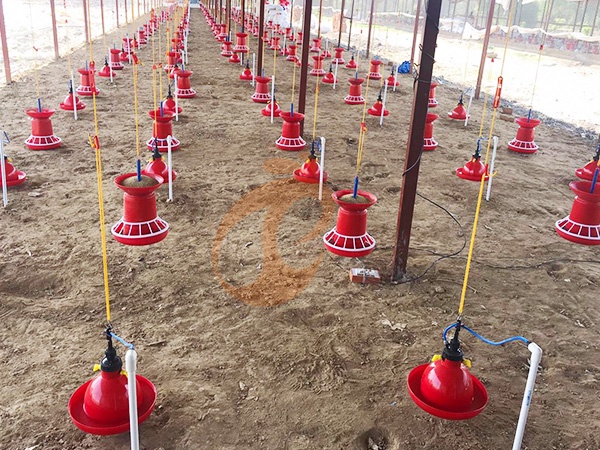
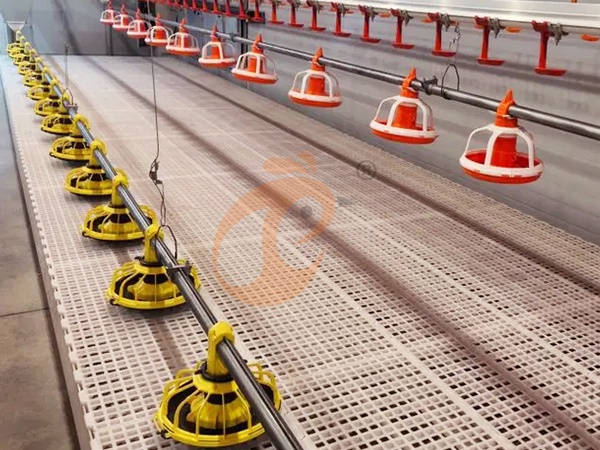
Automated feeding systems reduce waste by delivering feed at optimal height and volume.
These systems also improve uniform access, minimizing competition and size variation within flocks.
Data is for reference only.Swipe horizontally to view full table.
(All monetary values reflect local market averages, European Union standards for reference only.)
For a modern poultry farm, automated feeding systems typically achieve payback within 12–24 months through reduced waste and labor efficiency.
IoT And Intelligent Control Systems In Feed Management
Advanced poultry farm operations increasingly integrate IoT-based intelligent control systems.
Sensors continuously monitor temperature, humidity, ammonia, CO₂, water flow, and feed consumption.
Industry performance data shows that farms using integrated environmental and feeding control platforms achieve 4–7% better FCR compared to manual systems.
Intelligent analytics adjust feeding schedules and environmental parameters in real time, minimizing stress-related intake reduction and feed loss.
Frequently Asked Questions
Q1: How fast can feed efficiency improvements show results?
A1: Most feeding and management adjustments produce measurable FCR improvement within one production cycle of 35–45 days.
Q2: Are feed additives necessary for small-scale farms?
A2: Targeted additives, especially enzymes, benefit both small and large operations by reducing feed cost per kilogram gained.
Q3: Does automation replace skilled labor?
A3: Automation supports labor by reducing repetitive tasks while allowing staff to focus on monitoring and decision-making.
HB Best - One Of China Biggest Poultry Farm Manufacturer
Global supply coverage across more than 80 countries
Factory-direct production with annual capacity exceeding 300,000 equipment sets
Complete poultry farm equipment solutions including poultry cage systems
Full turnkey engineering from design to installation worldwide
Proven data-driven performance supporting long-term Return On Investment
Contact Us To Received Your Customized Poultry Farm Plan
Headquarters And Branchs
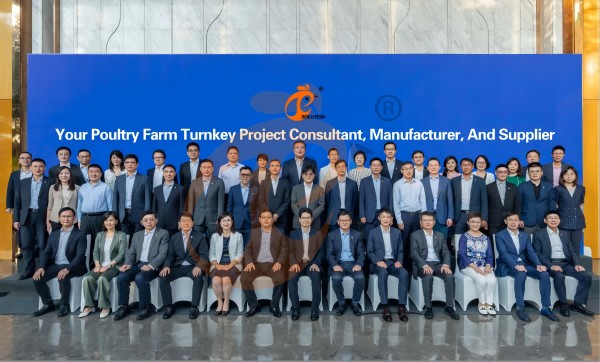
Hong Kong Headquarter Management Team
Hong Kong Headquarter Taiyu Industrial Group CO., LTD
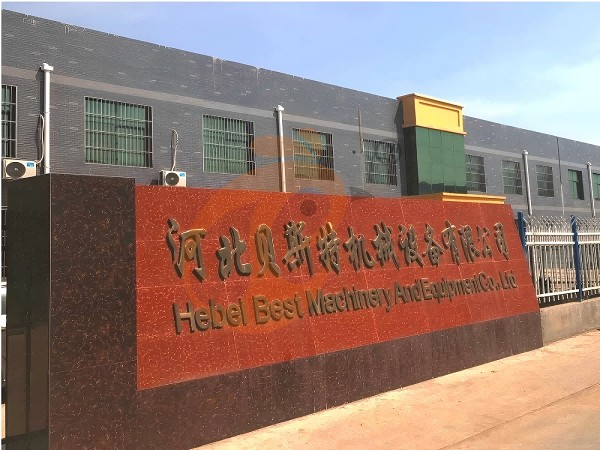
China Hebei Best Machinery And Equipment CO., LTD
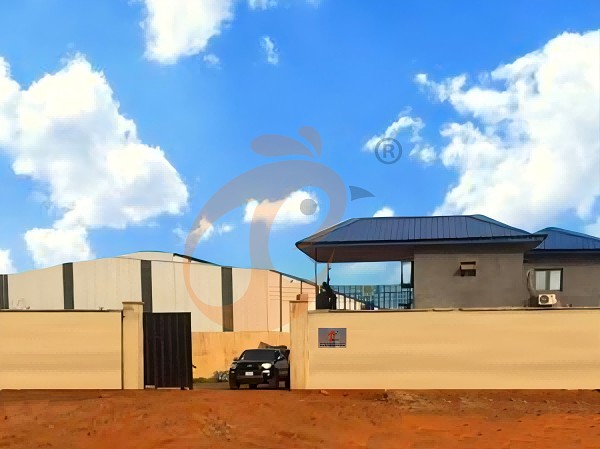
Nigeria Vanke Machinery And Equipment CO., LTD
Tanzania Best Machinery And Equipment CO., LTD
Ethiopia Best Hebei Machinery Manufacturing PLC

Reception /24 online WhatsApp NO. : +8613582487372
Share


More
 5 Steps To Properly Store Pellet Machine Feed Output
- Deep Litter System Maintenance Cost | 6 Long-Term Control Tips
- Is Free Range Poultry Farming Profitable? | 5 Decision Tips
- Floor Rearing System Lighting | 5 Essential Management Guidelines
- How To Improve Efficiency With Poultry Equipment | 6 Practical Methods
- Layer Chicken Cage Flooring | 6 Key Factors Affecting Hen Health
- How To Improve Water Hygiene With Nipple Drinkers | 6 Steps
- 5 Steps To Optimize Pralson Feeder Placement In Chicken Houses