NEWS
A-type battery cage feed consumption is a core cost indicator affecting long-term layer farm profitability
Daily feed intake varies with age, breed, environment, and cage system efficiency
Accurate feed estimation improves feed conversion ratio and egg production stability
Structured feeding management reduces waste and operational uncertainty
This guide explains practical consumption estimates using real production parameters
Get professional poultry farm construction guidance, equipment selection solutions, and the latest price lists.
Please contact us, WhatsApp NO. : +8613582487372, click to learn more:
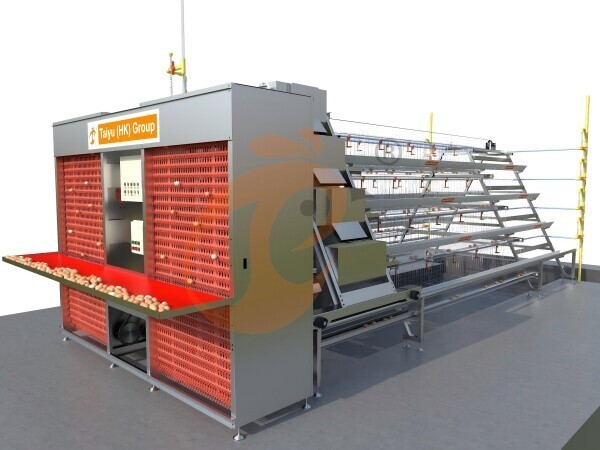
Hot Sale Poultry Farm Equipment
The Critical Role Of Feed Management In A-Type Battery Cage Systems
Feed expenditure represents approximately 60% to 70% of total layer production costs in commercial farms.
Within an A-type battery cage system, feed delivery accuracy directly determines production efficiency and flock uniformity.
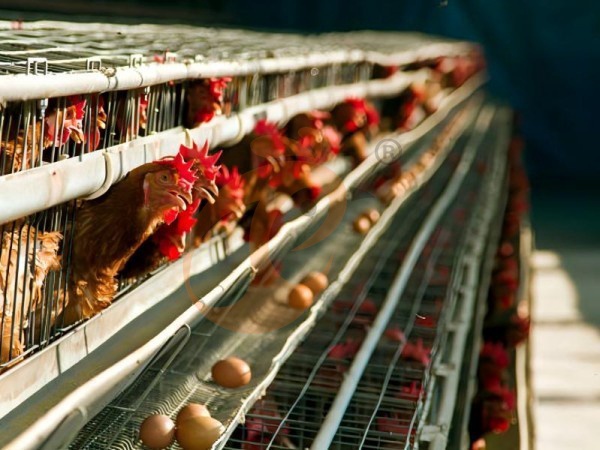
The inclined frame structure improves airflow between cage rows while keeping birds evenly distributed along feeding lines.
This physical design minimizes feed competition and supports predictable intake levels across different cage tiers.
Effective layer feed management in cage system operations requires measurable intake data rather than estimation.
Stable feeding schedules and consistent feed quality allow managers to forecast production costs with greater confidence.
Daily Feed Consumption Based On Growth Stages And Age
Layer hens experience continuous metabolic change throughout their laying cycle.
Feed intake increases gradually from the pre-laying stage, peaks during maximum egg output, and slightly declines toward late production.
Energy, protein, and calcium requirements must align with biological development to avoid underfeeding or excessive waste.
Data is for reference only. Swipe horizontally to view full table.
This stage-based estimation forms the foundation for calculating daily feed intake for layer hens under controlled cage environments.
The Impact Of Breed Genetics On Feed Intake
Modern commercial layer breeds have been selectively developed to optimize feed efficiency under cage housing.
However, body weight differences still influence consumption volume.
A-type battery cages are particularly suitable for brown egg layers due to balanced load distribution and improved monitoring access across tiers.
Data is for reference only. Swipe horizontally to view full table.
When scaling production beyond 20,000 birds, even a 3 g daily difference significantly affects annual feed budgets.
Environmental Temperature And Its Effect On Intake
Ambient temperature strongly influences feed intake behavior.
Birds reduce feed consumption in hot conditions to limit metabolic heat, while colder environments stimulate increased intake.
A-type battery cage systems allow better airflow compared to floor housing, but environmental control remains critical for intake stability.
Data is for reference only. Swipe horizontally to view full table.
Stable environmental management ensures consistent A-type battery cage feed consumption throughout seasonal changes.
Dietary Energy Density And Feed Form
Feed energy concentration directly affects consumption volume.
Higher energy density reduces intake while maintaining egg output, provided nutrient balance remains accurate.
Pelleted and crumbled feeds reduce wastage in cage troughs compared to mash feeds, improving effective feed utilization.
Data is for reference only. Swipe horizontally to view full table.
System Efficiency And Wastage Control
Mechanical design plays a decisive role in actual feed intake versus theoretical consumption.
Deep troughs and curved lips significantly reduce spillage during feeding activity.
Automated feeding trolleys maintain uniform feed distribution across all tiers, eliminating overfeeding in localized areas.
Data is for reference only. Swipe horizontally to view full table.
Technical Advantages Of A-Type Battery Cage Feeding
A-type battery cages provide measurable feeding control that floor systems cannot match.
Uniform feed access improves flock consistency
Early intake deviation alerts health issues
Reduced labor dependency stabilizes feeding routines
Strategic Tips For Reducing Feed Waste
Maintaining daily consumption within 110 g to 120 g per bird ensures cost stability under normal production conditions.
Keep trough fill below one-third depth
Maintain clean water supply at 200 ml - 300 ml per bird daily
Implement strict rodent control programs
Frequently Asked Questions
Q1: What is the normal daily feed intake in an A-type battery cage system?
A1: Most commercial layers consume between 110 g and 120 g per bird per day during peak production.
Q2: Does cage design affect feed consumption accuracy?
A2: Yes. Proper trough depth, bird spacing, and feeding automation directly reduce wastage.
Q3: How does temperature impact daily feed intake?
A3: Higher temperatures reduce intake, while colder conditions increase feed consumption for heat generation.
HB Best - One Of China Biggest Poultry Cage Equipment Manufacturer
HB Best is a professional poultry farm equipment manufacturer providing complete solutions for global egg production projects.
Annual production capacity exceeds 30,000 cage sets supplied worldwide
Factory-direct supply reduces equipment investment costs by 15% to 25% USD (EU standards for reference only)
Integrated poultry cage systems support 10,000 to 500,000 bird projects
Turnkey engineering includes design, installation, and operation guidance
Global logistics network supports on-time delivery and after-sales service
Contact Us To Received Your Customized Poultry Farm Plan
Headquarters And Branchs
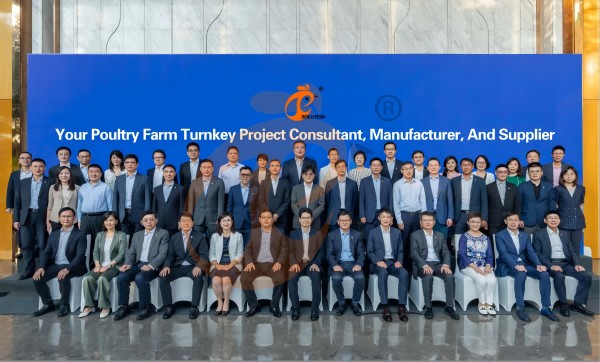
Hong Kong Headquarter Management Team
Hong Kong Headquarter Taiyu Industrial Group CO., LTD
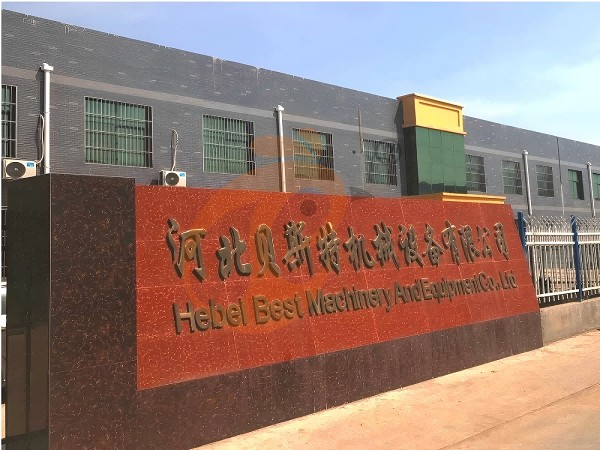
China Hebei Best Machinery And Equipment CO., LTD
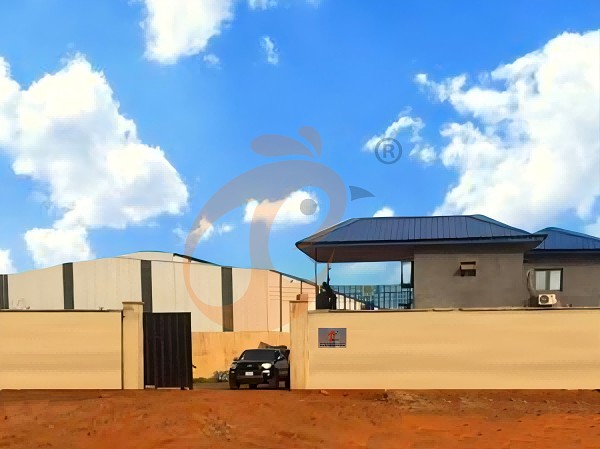
Nigeria Vanke Machinery And Equipment CO., LTD
Tanzania Best Machinery And Equipment CO., LTD
Ethiopia Best Hebei Machinery Manufacturing PLC
Reception /24 online WhatsApp NO. : +8613582487372
Share


More
 5 Steps To Properly Store Pellet Machine Feed Output
- Deep Litter System Maintenance Cost | 6 Long-Term Control Tips
- Is Free Range Poultry Farming Profitable? | 5 Decision Tips
- Floor Rearing System Lighting | 5 Essential Management Guidelines
- How To Improve Efficiency With Poultry Equipment | 6 Practical Methods
- Layer Chicken Cage Flooring | 6 Key Factors Affecting Hen Health
- How To Improve Water Hygiene With Nipple Drinkers | 6 Steps
- 5 Steps To Optimize Pralson Feeder Placement In Chicken Houses