NEWS
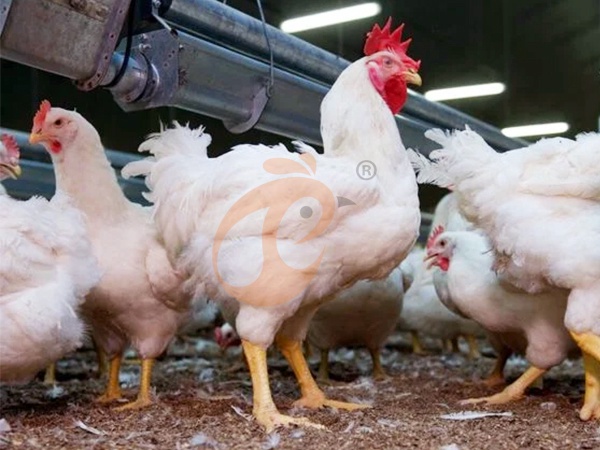
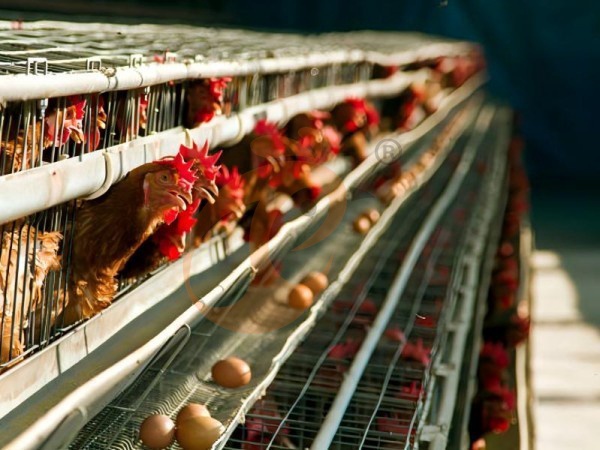
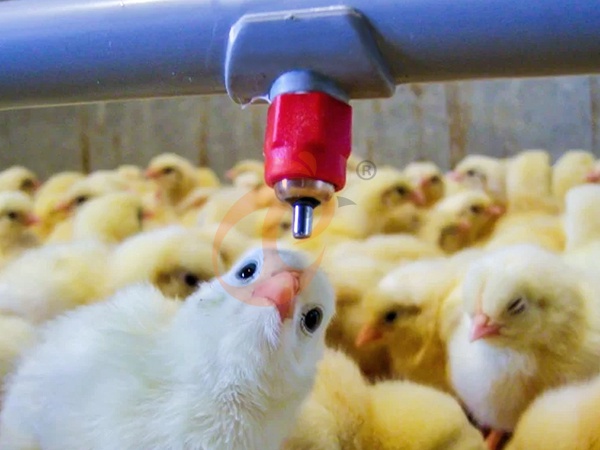
Egypt poultry farming plays a vital role in supplying affordable animal protein to a fast-growing population.
Investors increasingly search for farm layout design, climate management, feeding automation, and cost planning in Egypt poultry farming.
This guide outlines essential equipment selection, construction planning, performance indicators, and modern control technologies used in Egypt poultry farming.
Market demand continues rising, pushing more new farms to adopt automated systems for efficient Egypt poultry farming operations.
The following sections provide structured, data-supported insights to help readers start and optimize Egypt poultry farming projects successfully.
Market Overview And Production Potential In Egypt
Egypt poultry farming supports strong domestic consumption, with national broiler output reaching 1.6 billion birds annually and yearly growth maintained at 3–5%. Rising urban demand and expanding retail distribution channels strengthen investor confidence.
Key performance indicators in Egypt poultry farming operations include:
Average FCR: 1.74
Mortality: 6% for controlled houses
Market Weight: 2.05 kg at 37 days
Liveability: 95%
Recommended Farm Layout Design
Egypt poultry farming frequently uses tunnel-ventilated structures sized between 63–118 m in length. Optimized layouts support worker flow, hygiene control, and efficient feeding line arrangement.
Below is a practical arrangement for a 10,000-bird farm.
Data is for reference only. Swipe horizontally to view full table.
This layout reduces movement overlap and sustains sanitary conditions.
Essential Poultry Farming Equipment
Automated equipment improves temperature management, ensures uniform feeding, and maintains steady drinking flow. Climate variability requires durable systems for Egypt poultry farming.
Data is for reference only. Swipe horizontally to view full table.
Feeding System Options And Cost Comparison
Feed represents the largest operational expense in Egypt poultry farming. Automated delivery reduces waste and improves weight gain uniformity.
Data is for reference only. Swipe horizontally to view full table.
Climate Control And Ventilation In Egypt
Summer temperatures may exceed 41°C, requiring farms to rely on enhanced ventilation systems to avoid heat-induced growth loss.
Target environmental conditions:
Temperature: 22–31°C by growth stage
Humidity: 58%
Air Speed: 2.7 m/s in full tunnel mode
Adequate airflow, evaporative cooling, and automated control reduce mortality during peak heat periods.
Financial Estimate And ROI For A 10,000-Bird Farm
Short-cycle production enables Egypt poultry farming investors to recover capital quickly. This model illustrates typical EGP expenditures (EU standards for reference only).
Data is for reference only. Swipe horizontally to view full table.
A multi-cycle annual schedule offers stable financial performance.
Biosecurity And Disease Prevention Measures
Disease control depends heavily on strict biosecurity. Farms implement the following:
Footbaths and controlled access
Zoning separation
Dedicated clothing
All-in/all-out flock cycles
Managed visitor points
These measures help stabilize flock health across multiple grow-outs.
Performance Benchmarks And Production Targets
The following data indicates target benchmarks for Egypt poultry farming flocks.
Data is for reference only. Swipe horizontally to view full table.
Technology Trends In Egypt Poultry Farming
Adoption of automated and data-driven systems continues growing nationwide:
Ammonia-sensing modules
Solar-assisted operation reducing energy cost by up to 29%
Automatic controllers for cooling pads
AI weight-tracking modules
Precision lighting programs
These technologies boost consistency in Egypt poultry farming outcomes.
IoT And Smart Control Applications In Modern Poultry Houses
Data is for reference only. Swipe horizontally to view full table.
Integrating these IoT and smart control systems significantly improves detection accuracy and reduces manual errors in Egypt poultry farming operations.
Step-By-Step Start Guide For New Egypt Poultry Investors
Select location
Choose accessible land with reliable utilities and maintain a minimum spacing of 1 km from other farms.
Prepare legal requirements
Complete registration and obtain veterinary compliance validation.
Design layout
Use an optimized layout to support workflow and equipment distribution.
Install equipment
Test ventilation, feeders, drinkers, and cooling systems before chick placement.
Arrange feed and chick supply
Select consistent hatchery and feed mill partners.
Apply vaccination program
Follow disease-specific immunization plans.
Monitor daily records
Track water use, feed intake, temperature levels, and mortality.
Sell birds at peak efficiency
Most farms market birds at approximately 2.05 kg.
FAQ
How much land is needed for a 10,000-bird farm?
A single house layout typically requires around 2,000–2,400 m², allowing space for access roads and facilities.What is the most cost-effective feeding system?
Automatic pan feeding provides the lowest waste rate and improved uniformity, ideal for large Egypt poultry farming units.How often should ventilation be checked?
Daily inspection is recommended because fan performance directly affects flock temperature and growth stability.
HB BEST – One Of China Largest Poultry Farming Manufacturer
Provides worldwide poultry farm equipment with factory-direct pricing, serving over 65 countries.
Supplies integrated poultry cage and ventilation systems engineered for large-scale production.
Offers turnkey engineering with project capacities exceeding 500,000 birds per installation.
Maintains high-precision production lines ensuring consistent quality across global markets.
Delivers complete poultry farm equipment, automated lines, and full-house solutions for commercial investors.
Contact Us To Received Your Customized Poultry Farm Plan
Headquarters And Branchs
Hong Kong Headquarter Management Team
Hong Kong Headquarter Taiyu Industrial Group CO., LTD
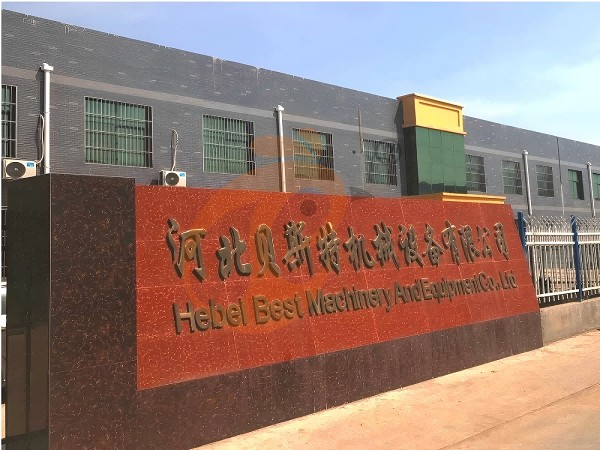
China Hebei Best Machinery And Equipment CO., LTD
Nigeria Vanke Machinery And Equipment CO., LTD
Tanzania Best Machinery And Equipment CO., LTD
Ethiopia Best Hebei Machinery Manufacturing PLC

Reception /24 WhatsApp NO. : +8618830120193
Share


More
 5 Steps To Properly Store Pellet Machine Feed Output
- Deep Litter System Maintenance Cost | 6 Long-Term Control Tips
- Is Free Range Poultry Farming Profitable? | 5 Decision Tips
- Floor Rearing System Lighting | 5 Essential Management Guidelines
- How To Improve Efficiency With Poultry Equipment | 6 Practical Methods
- Layer Chicken Cage Flooring | 6 Key Factors Affecting Hen Health
- How To Improve Water Hygiene With Nipple Drinkers | 6 Steps
- 5 Steps To Optimize Pralson Feeder Placement In Chicken Houses