NEWS
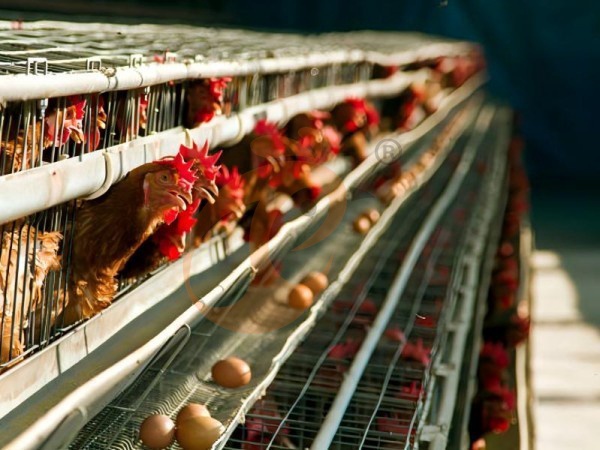
H type layer cage systems are widely adopted by large scale commercial farms to improve land efficiency, labor control, and production stability.
Commercial egg producers face rising costs in feed, labor, and construction investment.
High density housing enables predictable output and standardized flock management.
Automated cage systems reduce human error and operational variability.
Vertical layouts support scalable expansion without increasing land footprint.
Get professional poultry farm construction guidance, equipment selection solutions, and the latest price lists.
Please contact us, WhatsApp NO. : +8613582487372, click to learn more.
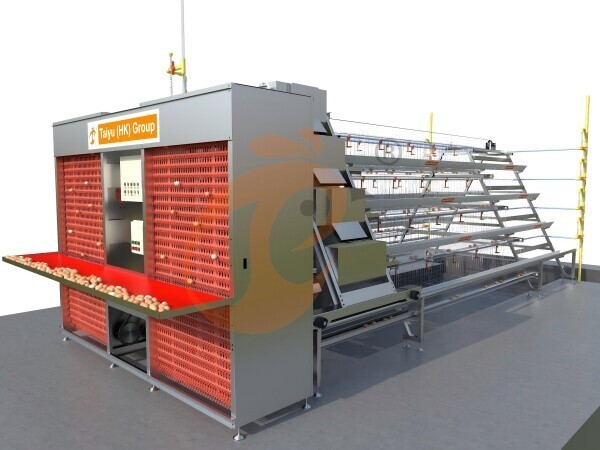
Hot Sale Poultry Farm Equipment
Land Utilization And Vertical Density
H type layer cage systems maximize vertical space usage inside poultry houses.
This structure allows significantly more birds to be raised within the same building footprint.
Reduced land demand directly lowers civil construction and infrastructure costs.
Data is for reference only.Swipe horizontally to view full table.
Higher density housing clearly demonstrates how vertical systems reduce land consumption per bird.
Environmental Control And Gas Concentrations
Environmental stability directly influences bird health and egg production performance.
H type cage layouts are designed for tunnel or longitudinal ventilation systems.
Data is for reference only.Swipe horizontally to view full table.
Stable airflow conditions support consistent bird comfort across all cage tiers.
Feed Conversion Ratio And Wastage Control
Feed represents the largest operating cost in egg production.
Automated feeding ensures accurate ration delivery and uniform nutrient intake.
Lower wastage directly improves farm profitability.
Data is for reference only.Swipe horizontally to view full table.
Improved feed efficiency results in measurable long-term cost savings.
Automation And Labor Productivity
Modern poultry cage equipment reduces reliance on manual labor.
Daily tasks shift from physical work to system monitoring and management.
Labor efficiency increases as flock size expands.
Data is for reference only.Swipe horizontally to view full table.
Labor reduction enables one technician to manage large bird populations efficiently.
Biosecurity And Disease Risk Reduction
High density poultry farming increases biological risk without proper system design.
H type layer cage systems isolate birds from manure through belt-based waste removal.
Reduced contact limits pathogen circulation inside the poultry house.
Automated watering and feeding systems prevent cross contamination between cage rows.
Centralized manure discharge improves sanitation management efficiency.
Controlled access aisles reduce unnecessary human movement inside the house.
This biosecurity oriented layout supports lower mortality rates.
Stable health conditions reduce medication costs and production interruptions.
Structural Engineering And Material Durability
High rise cage systems require strong load bearing structures.
Data is for reference only.Swipe horizontally to view full table.
Material selection directly affects system stability and long term operating safety.
Egg Quality And Revenue Optimization
Automated egg collection reduces impact and handling time.
Gentle belt systems minimize cracks and contamination.
Data is for reference only.Swipe horizontally to view full table.
Higher egg quality improves market acceptance and pricing stability.
Financial Return On Investment And Lifecycle Cost Analysis
Initial investment in automated systems is higher.
Operating expenses decrease significantly during production cycles.
Data is for reference only.Swipe horizontally to view full table.
Lifecycle cost comparison highlights the financial advantage of automation.
Frequently Asked Questions
Q1: Why are H type layer cages suitable for large farms?
A1: They support high density housing, stable environmental control, and reduced labor dependence.
Q2: How do H type systems improve egg production stability?
Uniform airflow and feeding improve flock consistency and peak laying rates.
Q3: Are H type cage systems suitable for long term investment?
A3: Lower operating costs and scalable design support sustainable profitability.
HB Best - One Of China Largest Poultry Cage Equipment Manufacturer
Over 20 years experience in poultry farm equipment manufacturing and turnkey projects.
Annual production capacity exceeding 120,000 cage sets supplied worldwide.
Direct factory supply of poultry cage systems, feeding, ventilation, and manure removal equipment.
Proven turn key poultry farm solutions delivered across global markets.
Integrated design, production, installation, and after sales technical support services.
Contact Us To Received Your Customized Poultry Farm Plan
Headquarters And Branchs
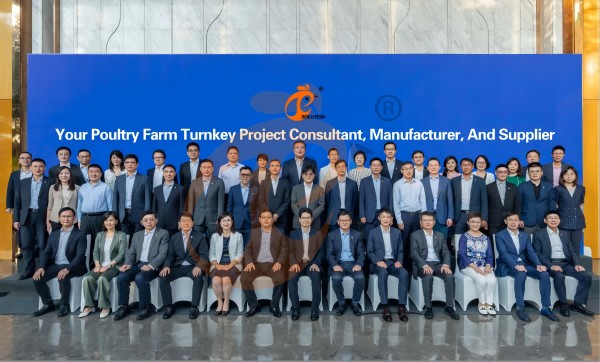
Hong Kong Headquarter Management Team
Hong Kong Headquarter Taiyu Industrial Group CO., LTD
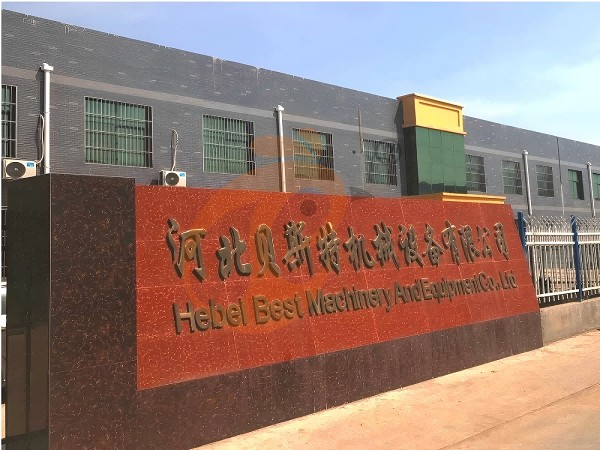
China Hebei Best Machinery And Equipment CO., LTD
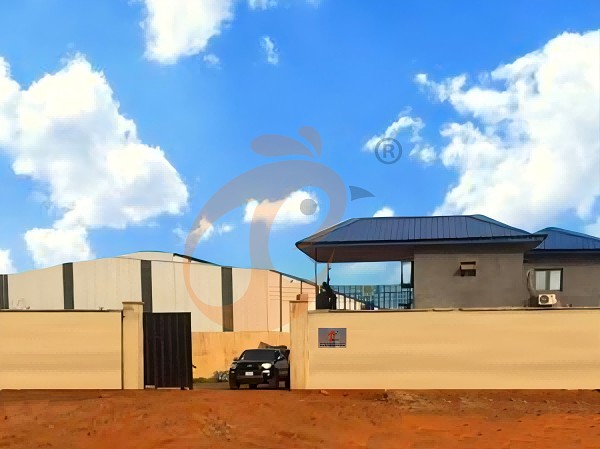
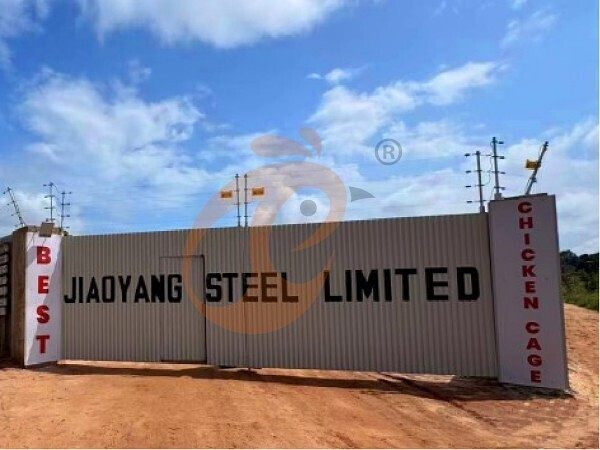
Nigeria Vanke Machinery And Equipment CO., LTD
Tanzania Best Machinery And Equipment CO., LTD
Ethiopia Best Hebei Machinery Manufacturing PLC
Reception /24 online WhatsApp NO. : +8613582487372
Share


More
 5 Steps To Properly Store Pellet Machine Feed Output
- Deep Litter System Maintenance Cost | 6 Long-Term Control Tips
- Is Free Range Poultry Farming Profitable? | 5 Decision Tips
- Floor Rearing System Lighting | 5 Essential Management Guidelines
- How To Improve Efficiency With Poultry Equipment | 6 Practical Methods
- Layer Chicken Cage Flooring | 6 Key Factors Affecting Hen Health
- How To Improve Water Hygiene With Nipple Drinkers | 6 Steps
- 5 Steps To Optimize Pralson Feeder Placement In Chicken Houses