NEWS
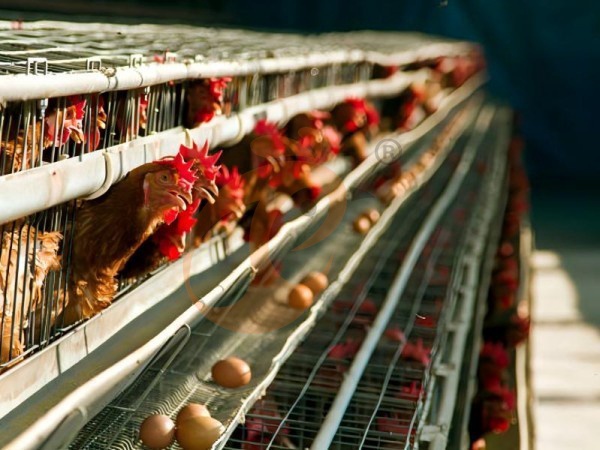
Improving hen welfare in an A type layer cage system is now a core goal for responsible commercial egg production
Modern layer farms must balance productivity, animal comfort, and long-term operational sustainability
Proper welfare design reduces stress, stabilizes egg quality, and lowers flock health risks
Well-managed cage systems support food security while meeting rising welfare expectations
Engineering precision and daily management together define real welfare outcomes
Get professional poultry farm construction guidance, equipment selection solutions, and the latest price lists.
Please contact us, WhatsApp NO. : +8613582487372, click to learn more:
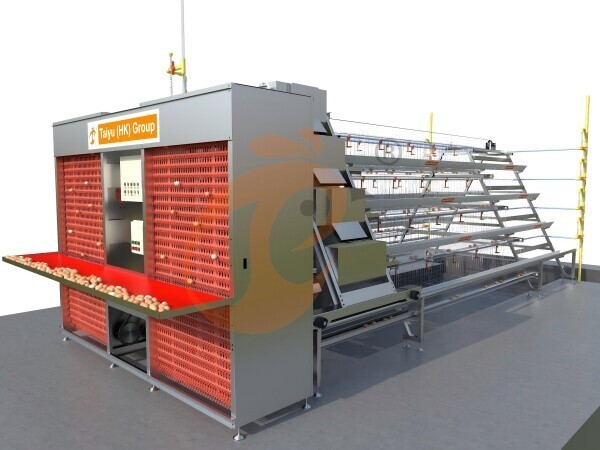
Hot Sale Poultry Farm Equipment
Optimizing Stocking Density And Structural Ergonomics
Providing adequate space is the foundation of welfare improvement in an A type layer cage system.
When hens are overcrowded, stress hormones increase, feather damage becomes common, and physical injuries rise.
Responsible cage design focuses on comfort-based density rather than maximum stocking capacity.
Data is for reference only. Swipe horizontally to view full table.
Lower bird density often increases egg mass output per hen.
Producers commonly recover capacity reductions through higher individual productivity and reduced mortality.
Implementing Precision Nutrition And Hydration Protocols
Nutrition directly shapes skeletal strength, egg shell quality, and immune stability.
Hens in cage systems require phase-specific feed formulas to avoid metabolic disorders.
Data is for reference only. Swipe horizontally to view full table.
Data is for reference only. Swipe horizontally to view full table.
Precision feeding reduces disease risk and improves feed efficiency across the flock.
Advanced Climate Control And Air Quality Management
Air quality strongly influences respiratory health and daily comfort.
Although A type cage systems support natural airflow, mechanical ventilation remains essential.
Data is for reference only. Swipe horizontally to view full table.
Maintaining the thermoneutral zone prevents heat stress and immune suppression.
Data is for reference only. Swipe horizontally to view full table.
Lighting Modulation And Behavioral Enrichment
Light quality affects hen behavior, hormone regulation, and laying rhythm.
Flicker-free LED systems prevent visual stress undetectable to humans.
Gradual sunrise and sunset simulations reduce panic and piling behavior.
Data is for reference only. Swipe horizontally to view full table.
Enrichment supports calmer flocks and more consistent production cycles.
Automated Waste Removal And Biosecurity Integration
Manure management plays a central role in welfare protection.
Frequent waste removal limits ammonia generation and pathogen growth.
Data is for reference only. Swipe horizontally to view full table.
Integrated hygiene systems protect both birds and farm profitability.
Monitoring Welfare Indicators And Daily Management Discipline
Daily observation converts system design into real welfare performance.
Even well-equipped A type layer cage systems require consistent human oversight.
Routine checks help identify early signs of stress, injury, or behavioral change.
Key indicators include feather condition, uniform body posture, vocalization levels, and feed intake consistency.
Digital record keeping improves accuracy and trend analysis across production cycles.
Data-driven management allows corrective action before welfare issues escalate.
Simple daily routines significantly reduce long-term losses and health interventions.
Frequently Asked Questions
Q1: Can an A type layer cage system meet modern welfare expectations?
A1: Yes.
When designed with proper space, ventilation, lighting, and nutrition, A type systems can deliver high welfare standards alongside strong productivity.
Q2: Does improving hen welfare reduce farm profitability?
A2: No.
Welfare improvements typically lower mortality, improve egg quality, and reduce medical costs, increasing long-term returns.
Q3: Which upgrade has the fastest welfare impact?
A3: Stocking density adjustment combined with improved ventilation usually delivers the quickest visible welfare improvement.
HB Best – One Of China Largest Cage System Manufacturer
Over 20 years of experience supplying poultry farm equipment worldwide
Factory-direct supply of poultry cage systems and automated feeding lines
Turnkey poultry farm projects covering design, installation, and training
Annual production capacity exceeding 120,000 cage sets for global markets
Typical complete farm investment ranges from USD 25,000 to USD 600,000, European union standard for reference only
Contact Us To Received Your Customized Poultry Farm Plan
Headquarters And Branchs
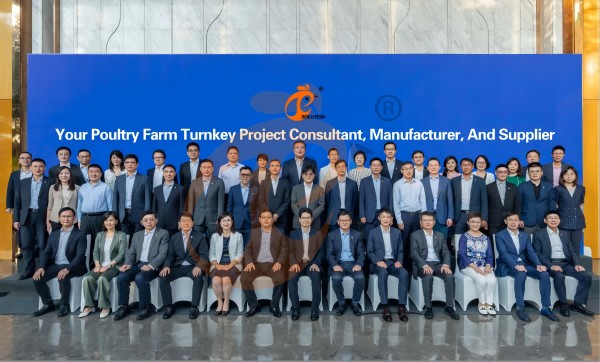
Hong Kong Headquarter Management Team
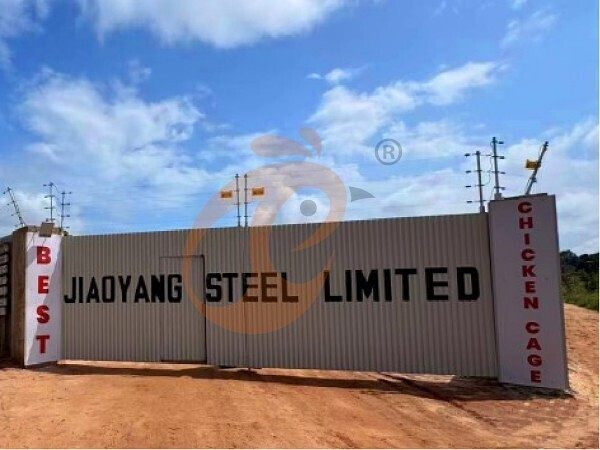
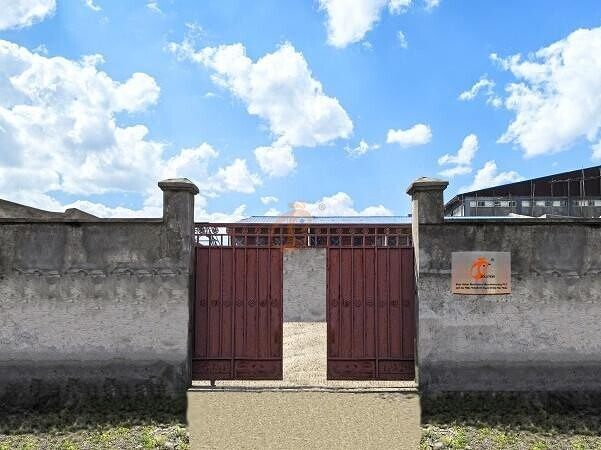
Hong Kong Headquarter Taiyu Industrial Group CO., LTD
China Hebei Best Machinery And Equipment CO., LTD
Nigeria Vanke Machinery And Equipment CO., LTD
Tanzania Best Machinery And Equipment CO., LTD
Ethiopia Best Hebei Machinery Manufacturing PLC
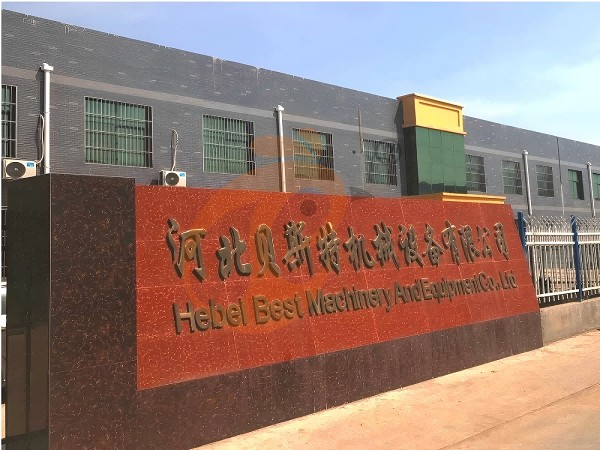
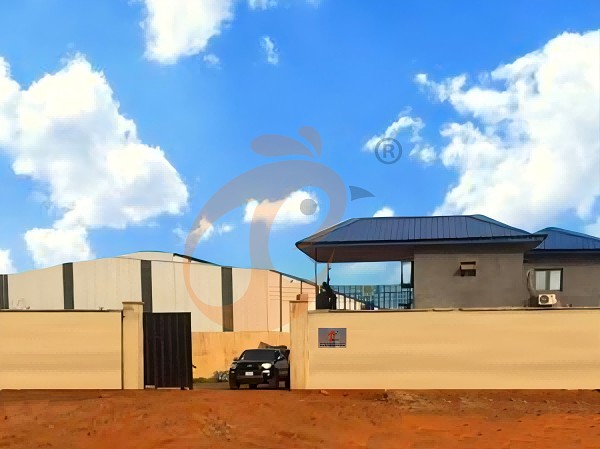
Reception /24 online WhatsApp NO. : +8613582487372
Share


More
 5 Steps To Properly Store Pellet Machine Feed Output
- Deep Litter System Maintenance Cost | 6 Long-Term Control Tips
- Is Free Range Poultry Farming Profitable? | 5 Decision Tips
- Floor Rearing System Lighting | 5 Essential Management Guidelines
- How To Improve Efficiency With Poultry Equipment | 6 Practical Methods
- Layer Chicken Cage Flooring | 6 Key Factors Affecting Hen Health
- How To Improve Water Hygiene With Nipple Drinkers | 6 Steps
- 5 Steps To Optimize Pralson Feeder Placement In Chicken Houses