NEWS
Investing in a poultry cage system requires careful planning to avoid hidden costs.
Poultry cage cost analysis helps identify potential price traps before committing capital.
Understanding battery cage system pricing ensures operational efficiency and lower long-term expenses.
Layer farm equipment investment includes material quality, automation, and feed efficiency considerations.
Technical audits of quotations prevent unexpected maintenance and replacement expenditures.
Get professional poultry farm construction guidance, equipment selection solutions, and the latest price lists.
Please contact us, WhatsApp NO. : +8613582487372, click to learn more.
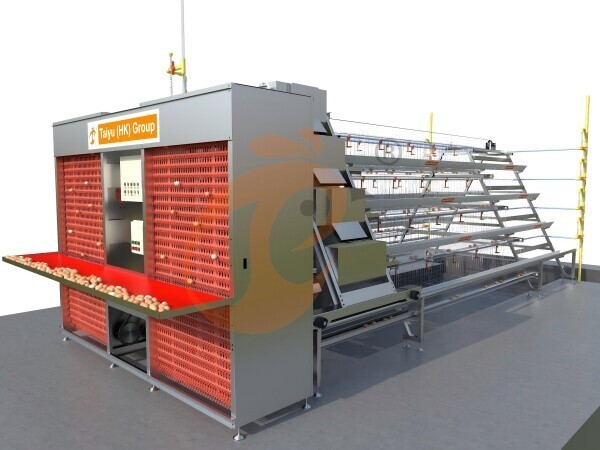
Hot Sale Poultry Farm Equipment
Material Specification And Anti-Corrosion Standards
The lifespan of a poultry cage is determined by the wire diameter and the galvanization process.
Many suppliers provide lower-cost quotes by utilizing thin wires or cold galvanizing (Electro-galvanizing) instead of Hot-dip galvanizing.
Wire Diameter Impact
Thinner wires (< 2.5 mm) lead to sagging floors and increased egg breakage.
Structural frames must maintain a thickness of at least 2.0 mm to support the weight of birds and automated systems.
Galvanization Metrics
Cold galvanizing often only reaches 20–50 g/m², leading to rust within 2–3 years in high ammonia environments.
Data is for reference only. Swipe horizontally to view full table.
Automated System Power Consumption And Component Origin
The motor efficiency and the brand of electronic components (plcs, sensors, and breakers) significantly dictate the operational expenditure (opex).
Cheap quotations often exclude the brand of motors or use high-energy-consumption generic units.
Motor Efficiency Requirements
Look for IP55-rated motors with high insulation classes (class f).
Efficiency ratings should meet IE2 or IE3 standards to minimize monthly electricity bills.
Electronic Reliability
Generic plcs lack global support and often fail under the dust and humidity of a poultry house.
Standardizing on brands like schneider, siemens, or omron ensures parts availability.
Data is for reference only. Swipe horizontally to view full table.
Feeding System Precision And Feed Wastage Ratios
Feed represents approximately 70% of poultry production costs.
A cage quotation that does not specify the feeding trough design and the feeding machine's leveling accuracy can lead to "hidden" feed wastage of up to 5 g per bird per day.
Trough Material And Shape
Deep "v" or "u" shaped troughs with inner rims prevent birds from flicking feed out.
Dispensing Accuracy
Automated feeding trolleys must include adjustable slides to calibrate feed volume precisely.
Data is for reference only. Swipe horizontally to view full table.
Egg Collection System Breakage Rates
The primary goal of a layer cage system is to deliver intact eggs.
If the quotation lacks detail on the egg collection belt material and the "transfer points" (where eggs move from the cage to the cross-conveyor), the buyer faces hidden costs through high breakage rates (> 0.5%).
Belt Material Science
Polypropylene (PP) belts are standard for hygiene and durability.
Anti-static and uv-resistant treatments prevent the belt from stretching or snapping.
Transition Protection
Soft-landing systems and egg-sorting brushes are essential to prevent hair-line cracks.
Data is for reference only. Swipe horizontally to view full table.
Manure Removal System Durability
The ammonia levels in a poultry house are highly corrosive.
A failure in the manure removal system leads to a rapid decline in bird health and structural damage to the cages.
Hidden costs often reside in the thickness and material of the manure belt.
Belt Thickness Specifications
Standard high-quality belts are 1.0 - 1.2 mm thick.
Cheaper quotes utilize 0.7 mm belts which stretch and tear under the weight of wet manure.
Drive Mechanism
Friction-driven rollers must be large enough to prevent belt slippage.
Data is for reference only. Swipe horizontally to view full table.
Installation, Logistics, And Hidden Commissioning Fees
A "cheap" FOB (Free on Board) price often hides the complexity and cost of installation.
Buyers must verify if the quotation includes specialized tools, supervision, or local shipping costs.
On-Site Supervision
Does the quote include the salary, flights, and insurance for the technician?
Are the specialized hydraulic tools for cage assembly provided?
Spare Parts Package
A quote without a "two-year wear parts" kit forces the buyer to pay high air-freight costs for small components later.
Data is for reference only. Swipe horizontally to view full table.
Summary Of Technical Audit Requirements
When comparing two quotations, do not look at the bottom-line price first.
Use the following technical audit table to equalize the offers.
This table shows practical values and the real impact on cost and operations for a 10,000-layer poultry farm.
Data is for reference only. Swipe horizontally to view full table.
Frequently Asked Questions
Q1: How can I identify hidden costs in poultry cage quotations?
A1: Check wire thickness, galvanization, motor efficiency, and feed wastage rates carefully.
Verify automation brand and spare parts inclusion to avoid extra charges.
Q2: Why is motor efficiency critical for poultry cage opex?
A2: High-efficiency motors reduce electricity consumption and minimize monthly operational costs.
Low-quality motors can increase energy bills by 20–30%.
Q3: What are common feed wastage issues in battery cage systems?
A3: Incorrect trough design or uneven feeding distribution can lead to 2–5% daily feed loss per 10k birds.
HB Best - One Of China Biggest Poultry Cage Manufacturer
Global factory direct sales with more than 15 years of experience in poultry equipment.
Provide complete turnkey solutions including poultry cage systems, farm equipment, and installation.
Supply high-quality battery cages, feeding systems, manure belts, and egg collection modules.
Professional engineering team ensures smooth commissioning and after sales support worldwide.
Competitive pricing in usd, European union standards for reference only, with clients in multiple continents.
Contact Us To Received Your Customized Poultry Farm Plan
Headquarters And Branchs
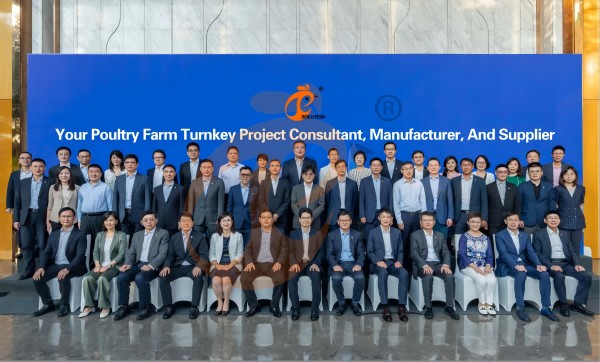
Hong Kong Headquarter Management Team
Hong Kong Headquarter Taiyu Industrial Group CO., LTD
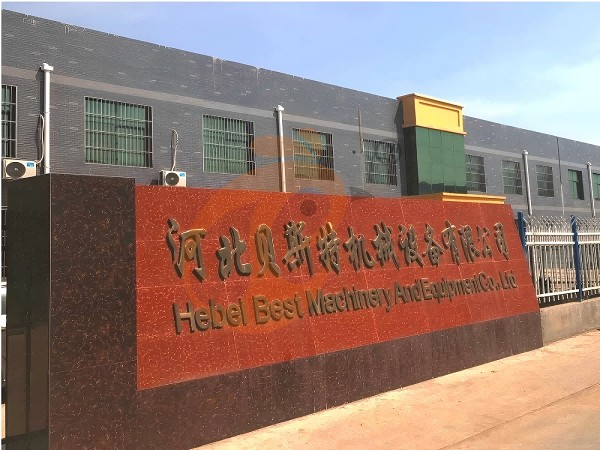
China Hebei Best Machinery And Equipment CO., LTD
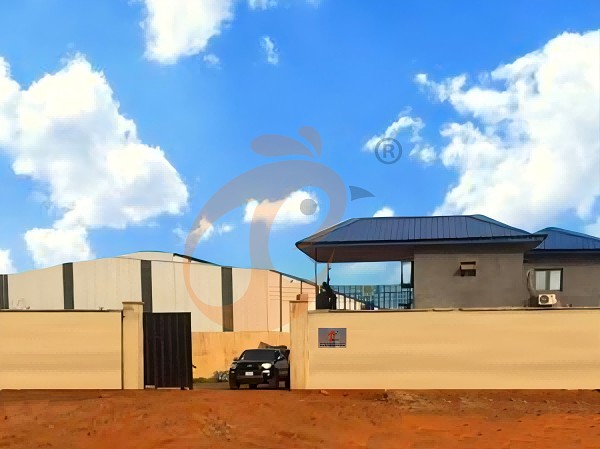
Nigeria Vanke Machinery And Equipment CO., LTD
Tanzania Best Machinery And Equipment CO., LTD
Ethiopia Best Hebei Machinery Manufacturing PLC
Reception /24 online WhatsApp NO. : +8613582487372
Share


More
 5 Steps To Properly Store Pellet Machine Feed Output
- Deep Litter System Maintenance Cost | 6 Long-Term Control Tips
- Is Free Range Poultry Farming Profitable? | 5 Decision Tips
- Floor Rearing System Lighting | 5 Essential Management Guidelines
- How To Improve Efficiency With Poultry Equipment | 6 Practical Methods
- Layer Chicken Cage Flooring | 6 Key Factors Affecting Hen Health
- How To Improve Water Hygiene With Nipple Drinkers | 6 Steps
- 5 Steps To Optimize Pralson Feeder Placement In Chicken Houses