NEWS
Chicken cage chicken laying cage
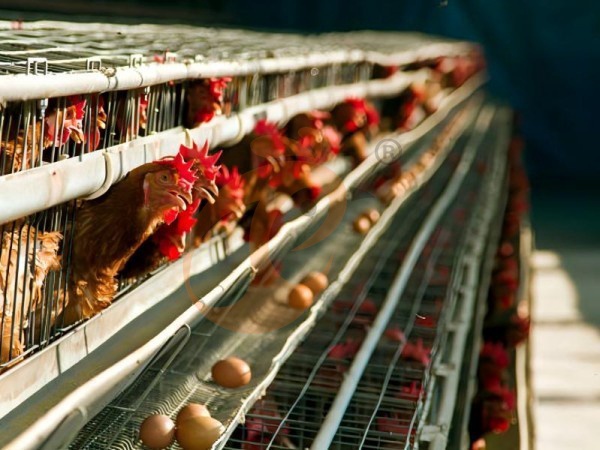
In modern poultry farming, providing a conducive environment for laying hens is paramount to ensure optimal egg production and bird welfare. Chicken cages, specifically designed for layer hens, have revolutionized the industry by offering a controlled and efficient housing system. A chicken cage is a specialized housing system designed to accommodate poultry, particularly laying hens. These cages provide individual compartments for each bird, ensuring space efficiency and facilitating proper management. A chicken laying cage, also known as a layer chicken cage, is a specific type of chicken cage designed exclusively for housing laying hens during their productive laying cycle. It is equipped with features that support egg production, bird comfort, and disease prevention
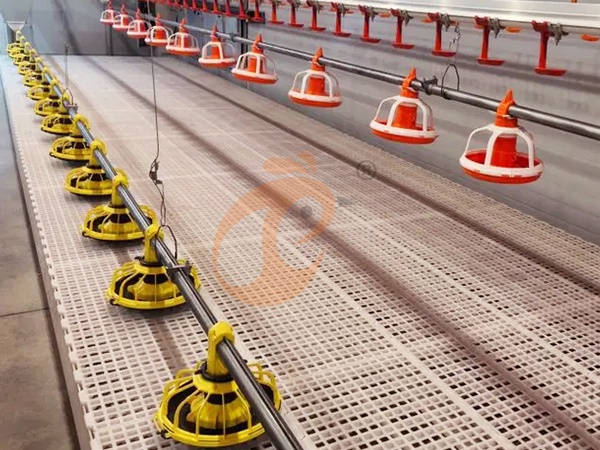
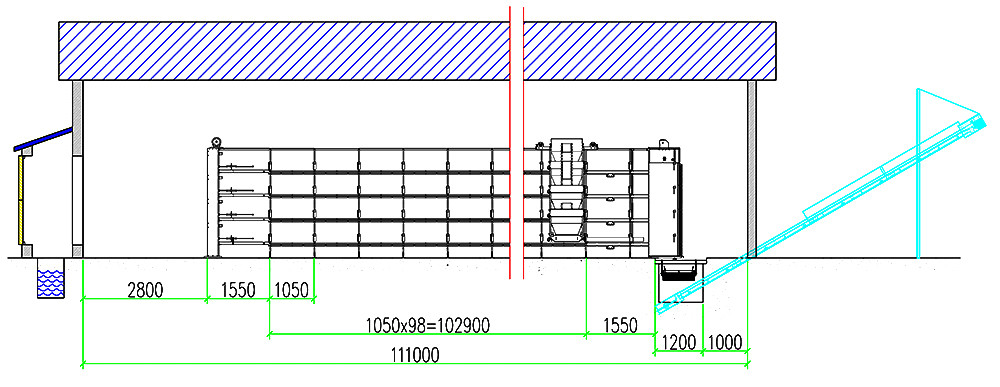
A part of my company's chicken house design, for reference only
Descriptions
1. Purpose and design of chicken laying cage
The primary purpose of the chicken laying cage is to create an optimal environment for laying hens, ensuring their well-being and productivity. These cages are typically constructed using high quality materials, offering durability and longevity
2. Compartmentalization for individual comfort
Chicken laying cages are designed with individual compartments, allowing each hen to have its own dedicated space. This compartmentalization promotes comfort, reduces stress, and minimizes aggressive behavior among the birds
3. Nesting boxes for egg laying
One of the essential features of the chicken laying cage is the inclusion of nesting boxes. These boxes provide private and secure spaces where hens can lay their eggs comfortably. The design ensures that eggs are protected from damage and contamination
4. Perches for natural behavior
Chicken laying cages are equipped with perches that enable the hens to roost and rest, encouraging natural behaviors and promoting bird well being
5. Manure collection system
Efficient manure management is a crucial aspect of chicken laying cages. The cages incorporate a system to collect and remove manure easily, ensuring a clean and hygienic environment for the birds
6. Feeding and watering systems
Chicken laying cages have built in feeding and watering systems to provide a continuous supply of food and water to the hens. These systems are designed to minimize feed wastage and ensure easy access for the birds
7. Ventilation and climate control:
Proper ventilation and climate control are vital in chicken laying cages. Adequate airflow and temperature regulation prevent heat stress and respiratory issues, supporting the birds' overall health
8. Animal welfare considerations
The design of chicken laying cages takes into account the welfare of the hens. Adequate space, perching areas, and nesting boxes provide a comfortable and stress-free environment for the birds during their laying cycle
Various service offers for poultry equipment and poultry feeding systems are available to our customers even after they have made a purchase, click the following link, you will get the solution of
1. Egg production of egg laying chicken and pullet
2. Broiler production of broiler
Leave your request to our website to getting your own solution based on your land size, location, rearing capacity and so on...
Advantages
1. Improved egg quality
Chicken laying cages provide a controlled and hygienic environment for the hens to lay their eggs. The inclusion of nesting boxes ensures that eggs are protected from contamination and damage, resulting in higher quality eggs with cleaner shells and reduced egg loss
2. Enhanced disease control
The compartmentalized design of chicken laying cages reduces the risk of disease transmission among the flock. This controlled environment allows for easier disease monitoring and biosecurity measures, contributing to healthier birds and reduced antibiotic usage
3. Optimal space utilization
Multi tiered chicken laying cages maximize vertical space, allowing farmers to house a larger number of hens in a smaller footprint. This efficient space utilization increases the farm's capacity and profitability
4. Reduced aggression and cannibalism
Chicken laying cages include perches and space to minimize feather pecking and aggressive behavior among the birds. This leads to a more harmonious flock and reduces stress related issues
5. Easy management and monitoring
The compartmentalized layout of chicken laying cages makes it easy for farmers to manage and monitor individual birds. Early detection of health issues or abnormalities is facilitated, allowing for timely intervention
6. Convenient egg collection
Chicken laying cages are designed to facilitate easy and clean egg collection. Eggs roll away from the nesting boxes, making it convenient for farmers to collect eggs without disturbing the hens or risking egg contamination
7. Improved manure management
Chicken laying cages have a built in manure collection system, keeping the cages clean and promoting better waste management. Proper manure disposal reduces odors and improves farm hygiene
8. Enhanced animal welfare
Chicken laying cages are designed to meet the welfare needs of the birds, providing adequate space, perches, and access to food and water. The cages are built with rounded edges and smooth surfaces to minimize the risk of injury to the birds. Regular monitoring and maintenance also contribute to the birds' well being
9. Cost effectiveness
Although the initial investment may be higher than traditional systems, chicken laying cages can lead to long-term cost savings. The efficient use of space, reduced feed wastage, and improved productivity can result in better financial returns
10. Biosecurity and pest control
The enclosed design of chicken laying cages helps prevent wild bird access and reduces the risk of disease introduction. It also helps in managing pests and external parasites, further safeguarding the flock's health
11. Easy cleaning and maintenance
Chicken laying cages are designed for easy cleaning and maintenance. Removable trays and components simplify regular cleaning and disinfection, promoting a hygienic environment and healthy birds
12. Increased egg production
With a well designed and controlled environment, chicken laying cages encourage consistent egg production, allowing farmers to achieve higher egg yields and a more predictable supply of
Benefits
1. Improved egg quality
Chicken laying cages provide a clean and controlled environment for the hens to lay their eggs the inclusion of nesting boxes ensures that eggs are protected from contamination and damage, resulting in higher-quality eggs with cleaner shells
2. Enhanced disease control
The compartmentalized design of chicken laying cages reduces the risk of disease transmission among the flock. It is easier to monitor and control the health of individual birds, leading to healthier hens and reduced disease outbreaks
3. Optimal space utilization
Chicken laying cages utilize vertical space efficiently, allowing farmers to house more hens in a smaller footprint. This space-saving feature maximizes the farm's capacity and helps farmers make the most of their available land
4. Reduced feed wastage
In chicken laying cages, feed is provided directly to individual birds, reducing feed wastage and lowering overall feed costs. This efficient feeding system results in improved feed conversion rates and cost-effectiveness
5. Minimized aggression and cannibalism
Each hen in a chicken laying cage has its own designated space, reducing aggressive behaviors and cannibalism commonly seen in traditional free-range setups. The hens can live comfortably without territorial disputes
6. Easy management and monitoring
Chicken laying cages facilitate easy management and monitoring of individual hens. Farmers can easily identify any sick or injured birds and provide timely veterinary care, improving the overall health of the flock
7. Convenient egg collection
Eggs in chicken laying cages roll away from the nesting boxes, making egg collection simple and efficient. This reduces the risk of egg breakage and ensures cleaner eggs for the market
8. Improved manure management
Chicken laying cages have a built-in manure collection system, making it easy to manage and remove manure regularly. Proper manure disposal reduces odor, prevents disease spread, and maintains a cleaner and healthier environment for the birds.
9. Enhanced animal welfare
Well designed chicken laying cages provide adequate space, perches, and nesting boxes, ensuring the comfort and well-being of the hens. The controlled environment reduces stress and supports the birds' natural behaviors
10. Sustainable farming
The efficient use of space, reduced resource wastage, and improved production rates make chicken laying cages a more sustainable option for poultry farming. They align with modern standards of responsible and eco-friendly agricultural practices
11. Predictable egg production
Chicken laying cages offer better control over the hens' environment, resulting in more consistent and predictable egg production. This helps farmers plan their egg supply and meet market demands more effectively
12. Biosecurity advantages
The enclosed design of chicken laying cages helps prevent wild birds and pests from accessing the flock, reducing the risk of disease introduction. This added layer of biosecurity protects the health of the hens and the overall farm biosecurity
Types
1. Battery cage system
The battery cage system is one of the most widely used types of chicken laying cages. It consists of multiple tiers of cages stacked on top of each other. Each cage provides individual compartments for the hens, allowing efficient space utilization and easy management of large flocks. Battery cages are equipped with feeding and watering systems, nesting boxes, and perches
2. A frame cage
The A Frame cage is shaped like an 'A' and is typically double sided. Each cage has sloping sides, providing easy access for egg collection. The A Frame design is popular for its simplicity, accessibility, and ease of egg gathering. These cages often have multiple compartments and are suitable for smaller-scale poultry farming
3. California cage
The California cage is a variation of the battery cage system, designed with sloping floors to allow eggs to roll away from the hens. This design prevents the eggs from coming into contact with the hens, reducing the risk of egg damage and contamination. California cages provide a more sanitary egg-laying environment
4. Enriched colony cage
The enriched colony cage is an improved version of the conventional battery cage. It provides more space and environmental enrichment for the hens, including perches and scratching areas. Enriched colony cages aim to offer a more comfortable and natural environment for the birds
5. Combi system
The combi system combines aspects of both the battery cage system and the aviary system. It typically includes multi-tiered cages with an open area or a platform where hens can move around and exercise. The combi system aims to provide hens with some freedom of movement while retaining the advantages of cage housing
6. Aviary system
The aviary system offers a cage free environment for the hens. It features multi-tiered structures with open areas, perches, and nesting boxes, allowing hens to move freely and exhibit more natural behaviors. The aviary system promotes better animal welfare but requires more space compared to cage systems
7. Free range system
While not a traditional cage system, free-range farming allows hens to roam freely both indoors and outdoors. However, in some cases, free-range systems may incorporate mobile or sheltered cage structures to provide protection and security for the birds
Our services
1. We offer customized cage design solutions for chicken laying cages, tailored to meet your farm's specific requirements. Our expert team works closely with you to create an optimal and efficient housing system for your laying hens
2. Our experienced technicians provide professional installation services for chicken laying cages. We ensure that all components are assembled accurately, creating a safe and comfortable environment for your birds
3. Regular maintenance is essential for the longevity and performance of chicken laying cages. Our maintenance services include thorough inspections, cleaning, and prompt repairs to keep the cages in top condition and ensure the well being of your hens
4. Enhance your chicken laying cage system with our range of accessories and upgrades. From automated feeding systems to climate control solutions, we offer options to improve efficiency and bird welfare
5. Our team of experts provides farm consultation services, guiding farmers in choosing the right chicken laying cage system and layout. We consider space utilization, bird behavior, and regulatory compliance to optimize your poultry farm's efficiency
6. Protect your flock with our biosecurity solutions. We provide measures to prevent disease transmission and maintain a hygienic environment within your chicken laying cage system, ensuring the health and productivity of your hens
Frequently ask questions
Q: Which type of chicken cage is best for my laying hens?
A: The best type of chicken cage depends on various factors, such as available space, budget, management practices, and the desired level of animal welfare. Battery cage systems offer efficient space utilization, while aviary systems provide a cage-free environment. Our farm consultation services can help you choose the most suitable option for your specific needs
Q: How many hens can be housed in a chicken laying cage?
A: The number of hens that can be housed in a chicken laying cage depends on the cage's size, design, and the space available in your poultry farm. It is important not to overcrowd the cages to ensure the well-being and productivity of the birds. Following industry guidelines for stocking density is essential for optimal egg production and bird health
Q: Are chicken laying cages humane for the hens?
A: Chicken laying cages, when designed and managed properly, can provide a humane environment for the hens. They offer individual space, nesting boxes, and perches, which cater to the natural behaviors and comfort of the birds. Proper management practices, such as providing enrichment and regular monitoring, contribute to the overall welfare of the hens in the cages
Share


More
 5 Steps To Properly Store Pellet Machine Feed Output
- Deep Litter System Maintenance Cost | 6 Long-Term Control Tips
- Is Free Range Poultry Farming Profitable? | 5 Decision Tips
- Floor Rearing System Lighting | 5 Essential Management Guidelines
- How To Improve Efficiency With Poultry Equipment | 6 Practical Methods
- Layer Chicken Cage Flooring | 6 Key Factors Affecting Hen Health
- How To Improve Water Hygiene With Nipple Drinkers | 6 Steps
- 5 Steps To Optimize Pralson Feeder Placement In Chicken Houses