NEWS
Poultry farm efficiency is the key to surviving rising protein costs.
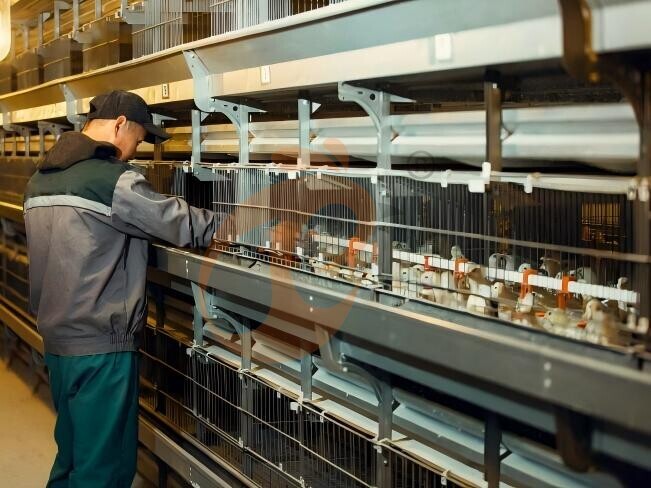
Modernizing facilities reduces labor intensity while improving feed utilization.
Precision automation and climate control enhance bird welfare and uniform growth.
IoT monitoring ensures timely interventions and operational stability.
Energy efficiency improvements reduce long-term operational costs significantly.
Get professional poultry farm construction guidance, equipment selection solutions, and the latest price lists.
Please contact us, whatsApp to +8618830120193, click to learn more:
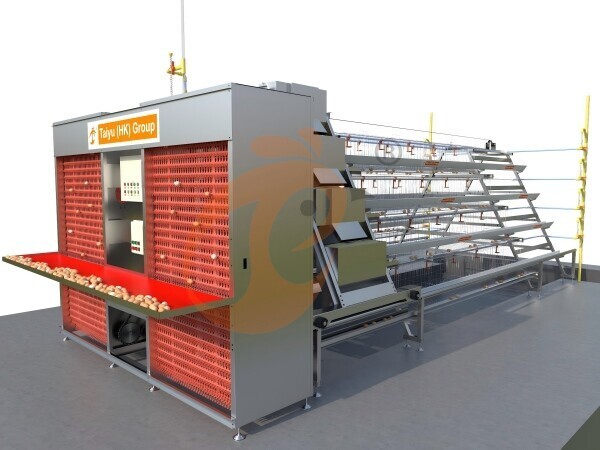
Hot Sale Poultry Farm Equipment
Implement High-Efficiency Climate Control Architecture
The modern broiler is a metabolic athlete.
To reach its genetic potential, it requires a thermoneutral zone where it doesn't waste energy staying warm or cooling down.
Proper environmental control directly impacts feed conversion ratio, mortality, and flock uniformity in any poultry farm operation.
Key Upgrades
Tunnel ventilation: Moves air like a high-speed piston to remove heat and moisture.
Evaporative cooling: Lowers incoming air temperature by up to 10°C in dry climates.
Sidewall curtains: Adjustable barriers optimize airflow distribution across the house.
Data is for reference only. Swipe horizontally to view full table.
Data is for reference only. Swipe horizontally to view full table.
Incorporating these measures, a poultry farm can maintain optimal growth environments even during extreme seasonal temperatures.
Industry adoption surveys show over 55% of operators prioritize climate-controlled poultry houses.
Transition To Automated Feeding And Hygienic Watering
In 2026, where feed accounts for 70% of total costs, precision feeding is your greatest profit driver.
Automation reduces human error and ensures consistent delivery of feed and water.
Key Upgrades
Sealed auger systems: Protects feed from mold, pests, and moisture.
Nipple drinkers: Eliminates open water pans that serve as bacterial breeding grounds.
Automated water monitoring: Tracks flow and consumption for early detection of leaks or blockages.
Data is for reference only. Swipe horizontally to view full table.
Data is for reference only. Swipe horizontally to view full table.
Integrating IoT-enabled feeding sensors can further optimize consumption patterns.
Deploy IoT Smart Monitoring Arrays
You cannot manage what you do not measure.
A smart poultry farm uses real-time sensors to detect ''silent killers'' like ammonia spikes or CO2 saturation before they cause clinical symptoms.
The Strategy
Centralize data: All sensors feed into a single dashboard.
Early warning: Mobile alerts for power outages or temperature swings.
Predictive analytics: Machine learning models anticipate environmental deviations.
Data is for reference only. Swipe horizontally to view full table.
50% of modern poultry operations now integrate these systems, reflecting recent industry adoption trends.
Reinforce Biosecurity And Waste Infrastructure
Biosecurity is your insurance policy.
With global avian influenza risks, your infrastructure must act as a fortress.
Infrastructure Needs
Physical barriers: Small-mesh fencing to exclude wild birds.
Mortality management: High-speed on-site composting or incineration.
Visitor control: Access logs and shower-in/shower-out rooms to reduce human vectors.
Data is for reference only. Swipe horizontally to view full table.
For larger poultry farm operations, centralized biosecurity dashboards and IoT-controlled gates reduce human error and enhance compliance monitoring.
Optimize Energy Efficiency Via Solar And LED
Energy is a volatile cost.
Modernizing lighting and power sources creates a predictable, lower-cost operation.
Key Upgrades
Spectrum-specific LED: Uses blue/green light to stimulate growth and red light to reduce aggression.
Solar PV + storage: Provides a backup for life-critical fans during grid failure.
Variable frequency drive fans: Reduce electricity consumption while maintaining airflow.
Data is for reference only. Swipe horizontally to view full table.
Solar + LED integration allows a poultry farm to achieve predictable operational budgets, reducing electricity expenses while improving sustainability metrics.
Engineering Specialized Physical Infrastructure And Floor Management
The structural integrity and floor design of a poultry farm house are often overlooked, yet they form the foundation for biosecurity, bird welfare, and long-term operational efficiency.
Upgrading to non-porous surfaces and high-load-bearing structures ensures the facility can withstand modern cleaning protocols, heavy automation, and frequent flock turnover.
Key upgrades
Epoxy-coated flooring: Replaces porous concrete to prevent bacterial deep-seeding and reduce pathogen accumulation.
Insulated sandwich panels (PIR): Offers superior thermal insulation and reduces energy demand.
Cool roof coating: Reflective surfaces lower attic temperatures, improving ventilation efficiency.
Optimized litter management: Correct depth and materials prevent breast blisters and maintain hygiene.
Data is for reference only. Swipe horizontally to view full table.
Strategic Implementation
Seal the envelope: Hermetically seal all panel joints to prevent thermal bridges and energy losses.
Gradient drainage: Floors sloped 1% toward central drains for rapid drying after wash-downs.
Foundation reinforcement: Strengthen silo bases to support modern bulk feed storage over 20 tons.
By focusing on flooring, insulation, and load-bearing upgrades, a poultry farm achieves a safer, more durable environment complementing climate control, automation, and IoT monitoring.
The Return On Investment Of Modernization
Upgrading poultry infrastructure is a high-yield investment.
A fully modernized poultry farm typically achieves
3.5% lower mortality: Better air and water quality save lives.
12% higher throughput: Faster growth cycles mean more flocks per year.
80% labor reduction: Automation allows one person to manage 100,000 birds.
Frequently Asked Questions
Q1: How much can climate control improve flock performance?
A1: Proper climate control can reduce mortality by 3-5% and increase uniformity.
Q2: Can IoT sensors prevent ammonia and CO2 spikes effectively?
A2: Yes, real-time monitoring allows early alerts before levels become harmful.
Q3: Is solar power cost-effective for poultry farm operations?
A3: Yes, it can reduce energy bills by up to 60% and stabilize operations.
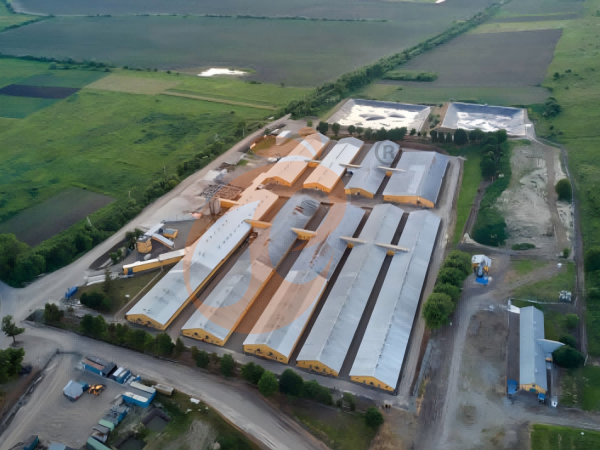
HB Best - One Of China Largest Poultry Farm Manufacturer
Global reach with direct factory sales supporting all continents.
Expertise in poultry farm equipment, poultry cage delivery.
Data-driven solutions for efficiency and cost reduction.
Full-service design, installation, and maintenance support worldwide.
Customizable turnkey projects tailored for large-scale operations.
Contact Us To Received Your Customized Poultry Farm Plan
Headquarters And Branchs

Hong Kong Headquarter Management Team
Hong Kong Headquarter Taiyu Industrial Group CO., LTD
China Hebei Best Machinery And Equipment CO., LTD
Nigeria Vanke Machinery And Equipment CO., LTD
Tanzania Best Machinery And Equipment CO., LTD
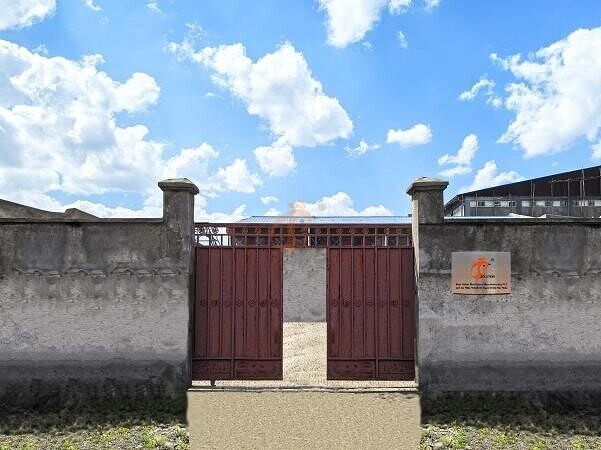
Ethiopia Best Hebei Machinery Manufacturing PLC
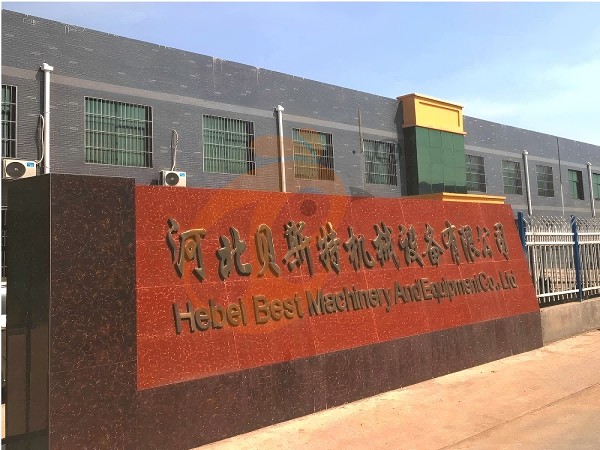
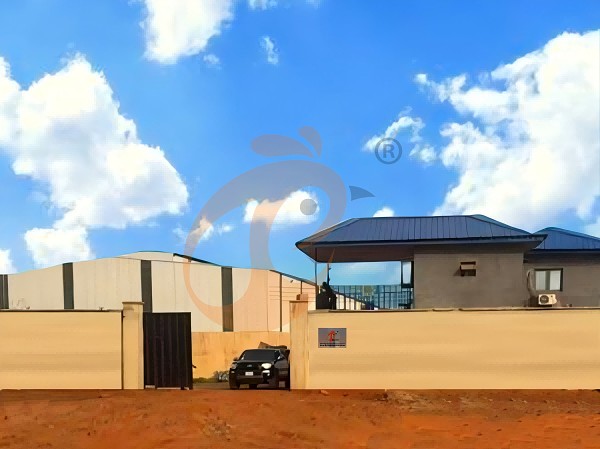
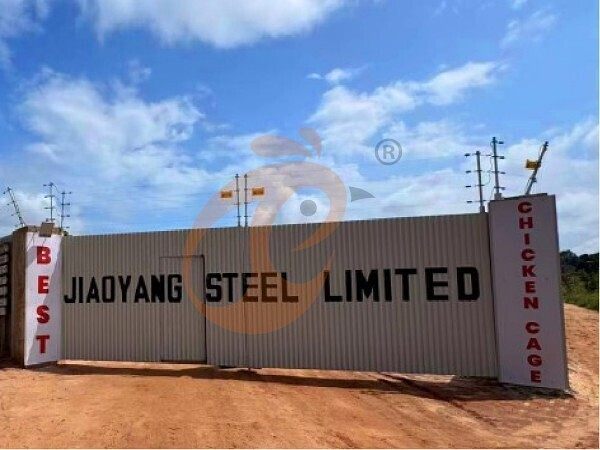
Reception /24 WhatsApp NO. : +8618830120193
Share


More
 How To Calculate Poultry Cage Cost For A New Farm? 5 Practical Methods
 What Is Included In A Poultry Cage Quotation? 6 Must-Check Items
- How Much Does An A Type Battery Cage Cost For Poultry Farm? 5 Price Ranges
- What Affects The Cost Of Poultry Battery Cage System? 6 Major Factors
 How To Get An Accurate Poultry Cage Quotation? 7 Buyer-Ready Steps
- What Is The Average Poultry Cage Price Per Bird? 5 Accurate Calculations
- How Much Does A Battery Cage For Layers Cost? 6 Real Pricing Details
- What Is The Price Of Poultry Cage System? 5 Key Cost Factors Explained