NEWS
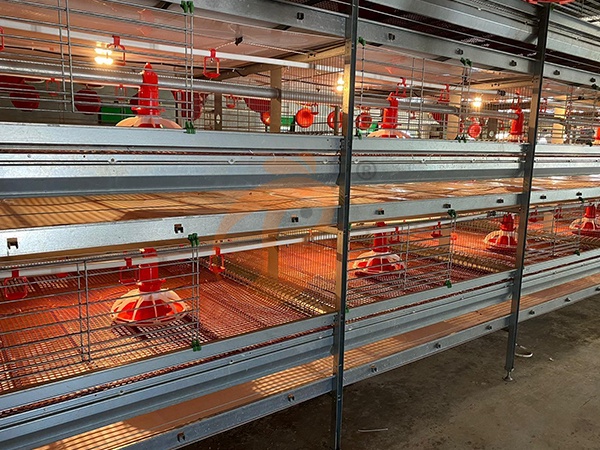
Automatic H type chicken battery cages enable scalable commercial egg production with predictable output.
Manual poultry operations struggle with labor inefficiency and inconsistent flock performance.
Automation replaces repetitive tasks with precision controlled mechanical systems.
Modern upgrades focus on density optimization, hygiene control, and operational standardization.
Data driven equipment selection reduces long term operational risk and maintenance cost.
Get professional poultry farm construction guidance, equipment selection solutions, and the latest price lists.
Please contact us, WhatsApp NO. : +8613582487372, click to learn more.
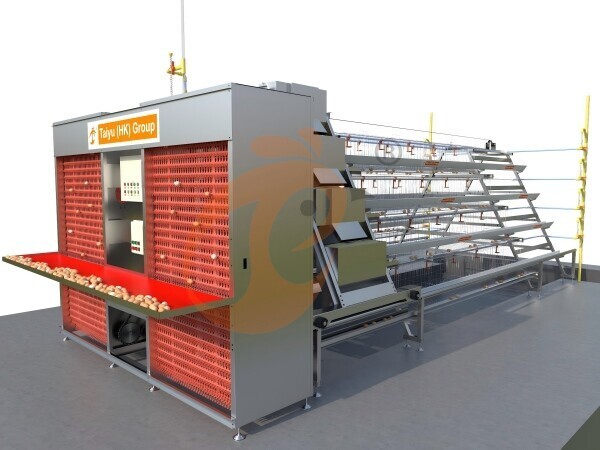
Hot Sale Poultry Farm Equipment
Step 1: Evaluating Infrastructure Dimensions And Bird Density Capabilities
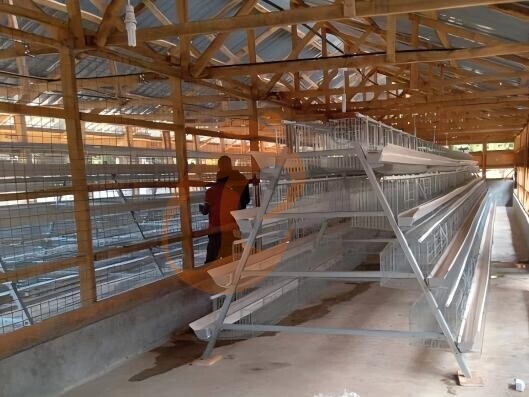
Before installing automatic H type chicken battery cages, the existing poultry house must be structurally evaluated.
Vertical expansion increases bird density but introduces strict requirements for height, airflow, and load-bearing safety.
Incorrect assessment at this stage leads to ventilation failure and uneven production distribution.
Vertical Clearance Requirements
Minimum ceiling height of 3.5 meters supports four-tier cage structures.
Minimum ceiling height of 4.5 meters supports five-tier and six-tier cage structures.
Floor Loading Capacity
Reinforced concrete floors must sustain 250 kg/m² under full operational load.
Bird Density Optimization
Manual systems average 10–12 birds/m² of house floor area.
Automated systems reach 50–60 birds/m² through vertical tier utilization.
Data is for reference only.Swipe horizontally to view full table.
Step 2: Selecting High Precision H Type Cage Configurations
The durability of automatic poultry cage systems depends on steel grade and surface treatment quality.
Proper material selection directly impacts corrosion resistance under high ammonia environments.
This step determines whether the cage system lasts ten years or exceeds twenty years.
Cage Door Design
Sliding or front opening doors with anti-backflow locking structure.
Wire Mesh Specifications
Bottom mesh wire diameter 2.5–3.0 mm.
Side and top mesh wire diameter 2.0–2.5 mm.
Data is for reference only.Swipe horizontally to view full table.
Step 3: Integrating Automated Feeding And Watering Systems
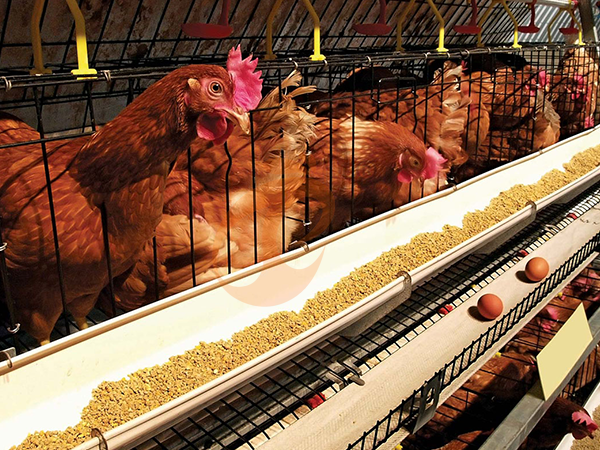
Automated feeding eliminates uneven distribution common in manual operations.
Precision delivery directly improves flock uniformity and egg consistency.
This upgrade is essential when transitioning to automatic H type layer cage systems.
Silo And Auger System
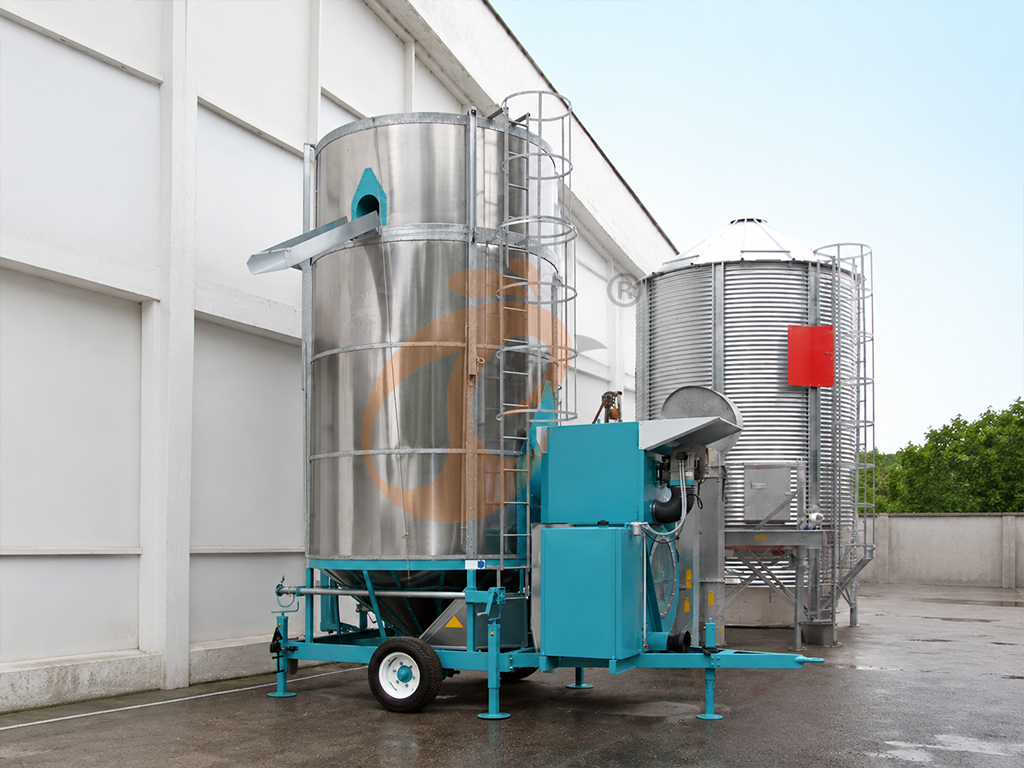
External silos built with 275 g/m² galvanized steel.
Auger diameter standardized at 90 mm.
Watering Precision
Nipple flow rate 80–100 ml per minute.
System pressure maintained between 0.2–0.6 bar.
Data is for reference only.Swipe horizontally to view full table.
Step 4: Implementing Smart Manure Removal Systems
Manure management defines internal air quality in automatic poultry farms.
Continuous belt removal minimizes ammonia accumulation.
Healthy respiratory conditions sustain long term laying performance.
Belt Material And Durability
Thickness between 1.0–1.2 mm.
Anti-static and uv-resistant polypropylene.
System Efficiency
Daily manure removal maintains ammonia below 15 ppm.
Data is for reference only.Swipe horizontally to view full table.
Step 5: Upgrading Climate Control And Ventilation Systems
High-density automatic H type poultry cage houses require tunnel ventilation.
Airflow velocity directly influences bird comfort and egg output.
Climate control stabilizes production under seasonal fluctuations.
Cooling Pad Parameters
Thickness 150 mm.
Temperature reduction 5–12°C.
Exhaust Fan Capacity
Diameter 1380 mm.
Air volume 44,000 m³/h.
Data is for reference only.Swipe horizontally to view full table.
Step 6: Optimizing Automatic Egg Collection And Packaging
Egg handling automation reduces labor dependency.
Breakage rates drop sharply through controlled belt speed.
This step finalizes the transition to fully automatic egg production systems.
Collection Belt Specs
Polypropylene or polyester hygienic belts.
Frequency inverter speed control.
Egg Elevator System
Centralized collection synchronization.
Soft plastic egg grippers
Data is for reference only.Swipe horizontally to view full table.
Digital Monitoring And Centralized Management Optimization
After hardware automation is completed, digital monitoring becomes the final productivity multiplier.
Centralized control systems convert mechanical operations into measurable performance indicators.
This layer allows beginners to manage large scale farms with minimal decision fatigue.
Core Monitoring Functions
Real-time feed consumption tracking per cage row
Water intake deviation alerts for early disease detection
Egg production data synchronized by tier and time period
Control System Parameters
Plc-based control cabinets with continuous operation stability
Touchscreen interface supporting multi-language operation
Data refresh interval within 3–5 seconds
Operational Benefits
Production anomalies identified within twelve hours
Reduced human error through automated alarm thresholds
Standardized management suitable for multi-house expansion
Frequently Asked Questions
Q1: What size poultry house is suitable for automatic H type chicken battery cages?
A1: A poultry house with sufficient height, reinforced flooring, and tunnel ventilation supports stable high density automation.
Q2: How long does installation and commissioning usually take?
A2: Standard projects require approximately thirty to forty five days depending on house length and automation level.
Q3: Is automatic H type equipment suitable for beginners?
A3: Yes. Centralized control systems simplify daily management and significantly reduce operational errors.
HB Best - One Of China Most Famous Poultry Cage Manufacturer
Over 18 years manufacturing poultry farm equipment with eu standard compliance for reference only
Factory-direct supply to more than 90 countries through global distribution networks
Complete poultry cage systems, poultry farm equipment, and turnkey engineering solutions
Annual production capacity exceeding 120,000 automated cage sets
Integrated design, installation, training, and after-sales technical support
Contact Us To Received Your Customized Poultry Farm Plan
Headquarters And Branchs

Hong Kong Headquarter Management Team
Hong Kong Headquarter Taiyu Industrial Group CO., LTD
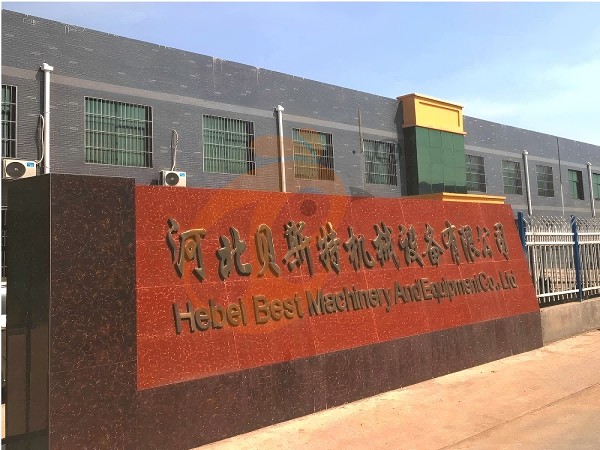
China Hebei Best Machinery And Equipment CO., LTD
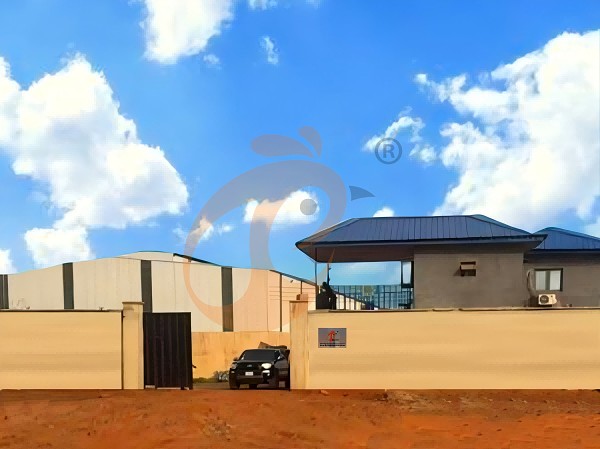
Nigeria Vanke Machinery And Equipment CO., LTD
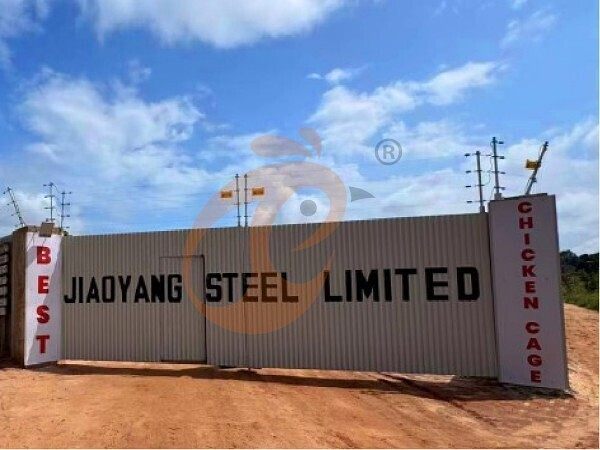
Tanzania Best Machinery And Equipment CO., LTD
Ethiopia Best Hebei Machinery Manufacturing PLC
Reception /24 online WhatsApp NO. : +8613582487372
Share


More
 Pellet Machine Operation | 7 Steps To Maximize Feed Production
- Broiler Chicken Cage Management | 7 Key Tips For Faster Broiler Growth
 Free Range Poultry System Biosecurity | 5 Essential Protection Measures
- Floor Rearing System Ventilation | 5 Essential Design Guidelines
- How To Build A Complete Poultry Equipment aList | 6 Practical Steps
 6 Practical Ways To Improve Feeding In Layer Chicken Cages
- Pellet Machine Installation | 6 Practical Steps For Beginners
- Automated Auxiliary Equipment Installation Tutorial: Common Hot Searches Answered