NEWS
Poultry ventilation system delivers balanced airflow management with smart temperature coordination for modern chicken farms.
Complete climate solutions combine fans, cooling pads, controllers, and sensors for stable farm environments.
Installation planning improves bird comfort, equipment efficiency, and long-term operation reliability.
Automated systems support houses ranging from small farms to large commercial projects above 10,000 birds.
Professional engineering designs help reduce heat stress risks through accurate environmental adjustment.
Get professional poultry farm construction guidance, equipment selection solutions, and the latest price lists.
Please contact us, WhatsApp NO. : +8613582487372, click to learn more
Understanding Poultry Climate Equipment
Modern chicken production requires precise environmental management because temperature, airflow, and humidity directly influence bird growth performance.
A complete poultry temperature control system integrates exhaust fans, cooling equipment, sensors, and intelligent controllers to maintain suitable conditions throughout different growth stages.
Advanced controllers collect temperature and humidity information, then automatically adjust connected equipment according to preset programs.
Commercial systems commonly combine negative pressure ventilation, evaporative cooling, and automatic air inlet adjustment to create stable airflow distribution.
Data is for reference only.Swipe horizontally to view full table.
Installation Planning Checklist
Before equipment installation begins, engineers should evaluate the building structure, bird capacity, climate conditions, and ventilation requirements.
A professional installation process starts with airflow calculation and equipment positioning.
Key preparation tasks include:
- Confirming fan wall locations.
- Measuring air inlet dimensions.
- Checking electrical supply capacity.
- Planning sensor installation points.
- Preparing maintenance access areas.
Proper planning allows a chicken house climate control system to operate smoothly while reducing unnecessary energy consumption.
Step One: Installing Ventilation Fans
Exhaust fans are the core airflow components of commercial poultry houses.
Installation teams should mount fans securely on end walls or side walls according to ventilation design.
Correct fan placement helps remove moisture, carbon dioxide, and excess heat from the building.
Fan selection depends on house length, stocking density, and seasonal operation requirements.
High-quality poultry ventilation fans normally use corrosion-resistant materials because chicken houses contain moisture and ammonia exposure.
Data is for reference only.Swipe horizontally to view full table.
Step Two: Installing Temperature Sensors And Controllers
Temperature sensors work as the information center of the climate management process.
Sensors should be installed at bird level because readings from unsuitable positions may not represent actual conditions.
A professional poultry temperature control system uses multiple monitoring points to avoid temperature differences between different areas.
The controller receives data from sensors and sends commands to fans, heaters, and cooling equipment.
This automation reduces manual adjustment requirements and improves environmental consistency.
Data is for reference only.Swipe horizontally to view full table.
Step Three: Installing Cooling Pad Systems
Cooling pads provide evaporative cooling during hot weather periods.
Water circulation pumps distribute moisture across the pad surface while incoming air passes through the wet material.
The evaporation process reduces incoming air temperature and helps birds maintain comfort during summer production.
Professional installation requires correct water flow, pad sealing, and drainage design.
Cooling pad systems are widely applied with tunnel ventilation structures because they create strong airflow cooling effects.
Data is for reference only.Swipe horizontally to view full table.
Step Four: Airflow Testing And System Adjustment
After installation, engineers must complete airflow testing before operation.
Testing procedures include
- Checking fan rotation direction.
- Measuring air velocity.
- Inspecting air inlet movement.
- Testing controller response.
- Confirming alarm functions.
A correctly adjusted system should provide even airflow without creating sudden drafts.
Farm operators should also review seasonal programs because ventilation requirements change between chick, growing, and adult bird stages.
Data is for reference only.Swipe horizontally to view full table.
Smart Control Advantages For Modern Farms
The development of automated poultry equipment has changed traditional farm management methods.
Smart climate platforms allow farmers to monitor environmental conditions remotely and adjust operation schedules automatically.
Integrated systems support different production buildings including broiler houses, layer houses, and breeder facilities.
For international farm projects, suppliers increasingly provide complete solutions including equipment supply, installation guidance, and technical support.
Data is for reference only.Swipe horizontally to view full table.
Common Installation Mistakes To Avoid
Poor installation may reduce equipment performance even when high-quality products are selected.
Frequent problems include incorrect fan positioning, insufficient sealing, and unsuitable sensor placement.
Farm owners should choose suppliers with engineering experience because complete system performance depends on design integration.
A reliable manufacturer provides equipment matching, installation drawings, and technical communication before project completion.
Frequently Asked Questions
Q1: How does a poultry ventilation system improve chicken house conditions?
A1: A poultry ventilation system controls fresh air exchange, removes excess moisture, and reduces harmful gas accumulation inside poultry buildings.
Proper airflow design helps maintain stable oxygen levels and supports healthier bird development.
Commercial systems often combine exhaust fans, air inlets, and environmental controllers to create balanced negative pressure ventilation.
Q2: What equipment is required for automatic temperature management in poultry houses?
A2: Automatic temperature management requires integrated equipment including sensors, controllers, fans, heaters, and cooling systems.
A complete poultry temperature control system collects environmental data and adjusts connected devices according to programmed conditions.
For example, digital controllers can coordinate multiple ventilation modes and cooling operations according to different production stages.
Q3: Why should farms choose a turn-key poultry climate project?
A3: A turn-key poultry climate project reduces installation risks because equipment selection, system design, and technical support are handled through one engineering process.
Professional suppliers provide complete solutions covering ventilation layout, temperature control equipment, installation guidance, and operation training.
This approach is suitable for commercial farms requiring scalable poultry equipment systems.
Taiyu (HK) Group - One Of Biggest Poultry Ventilation System Manufacturer
Poultry ventilation system integrates industrial exhaust fans, cooling equipment, intelligent controllers, and airflow solutions for modern poultry farms requiring stable environmental management.
Global factory direct supply provides competitive poultry equipment solutions with engineering support for international farm construction projects.
Professional poultry equipment production covers ventilation, feeding, cooling, and automatic climate management systems for different farming scales.
Turn-key engineering service delivers complete project planning, equipment installation guidance, and technical documentation for overseas customers.
Export-oriented manufacturing supports customized poultry house projects with reliable production capacity and long-term cooperation service.
Contact Us To Received Your Customized Poultry Farm Plan
Headquarters And Branchs

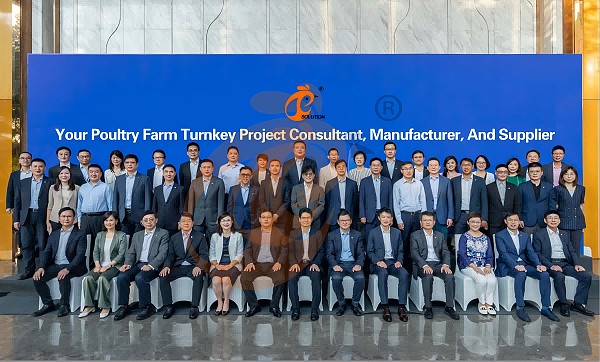
Hong Kong Headquarter Management Team
Hong Kong Headquarter Taiyu Industrial Group CO., LTD
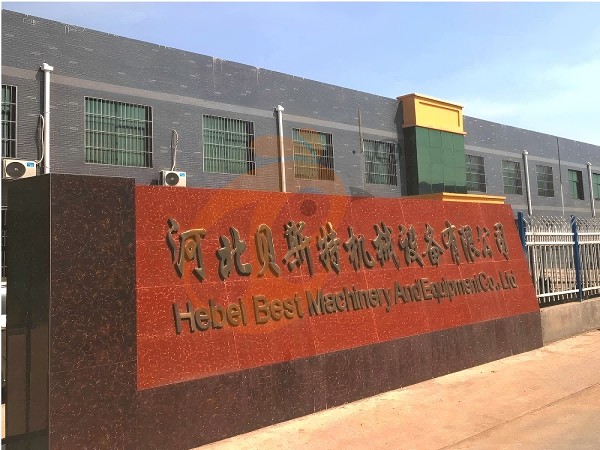
China Hebei Best Machinery And Equipment CO., LTD
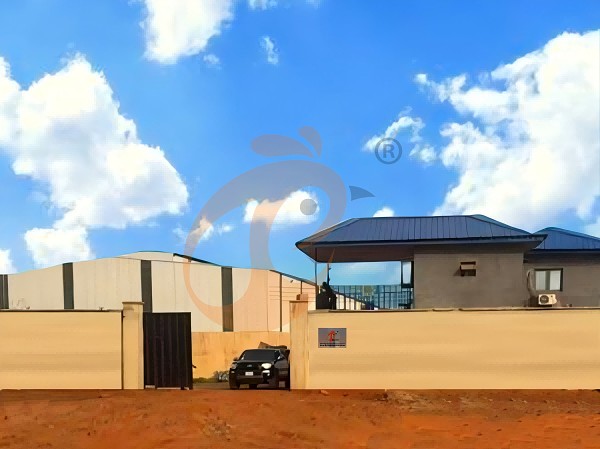
Nigeria Vanke Machinery And Equipment CO., LTD
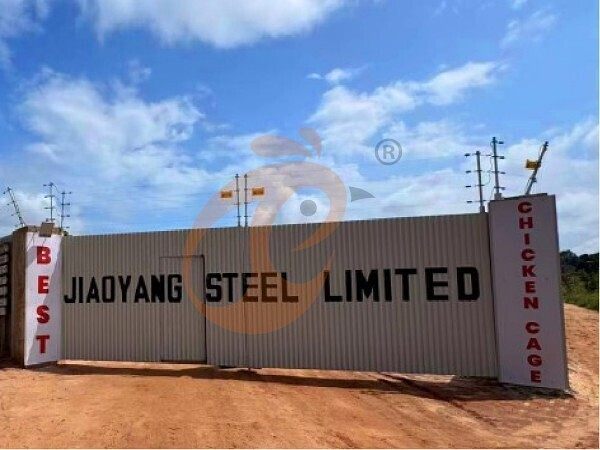
Tanzania Best Machinery And Equipment CO., LTD
Ethiopia Best Hebei Machinery Manufacturing PLC

Reception /24 online WhatsApp NO. : +8613582487372
Share


More
 Pellet Machine Operation | 7 Steps To Maximize Feed Production
- Broiler Chicken Cage Management | 7 Key Tips For Faster Broiler Growth
 Free Range Poultry System Biosecurity | 5 Essential Protection Measures
- Floor Rearing System Ventilation | 5 Essential Design Guidelines
- How To Build A Complete Poultry Equipment aList | 6 Practical Steps
 6 Practical Ways To Improve Feeding In Layer Chicken Cages
- Pellet Machine Installation | 6 Practical Steps For Beginners
- Automated Auxiliary Equipment Installation Tutorial: Common Hot Searches Answered