NEWS
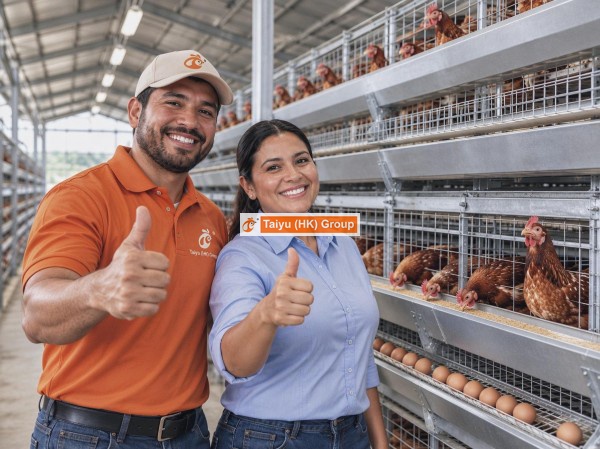
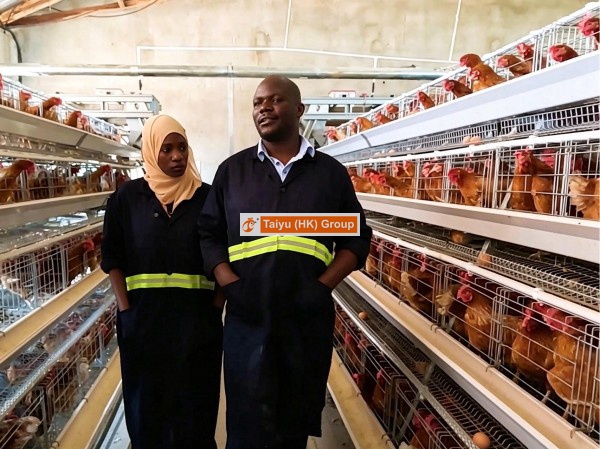
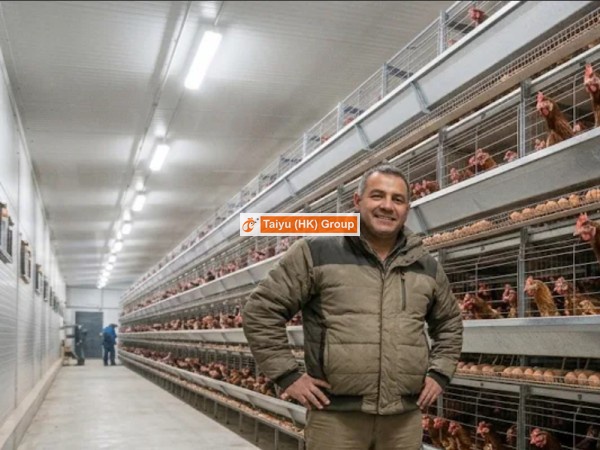
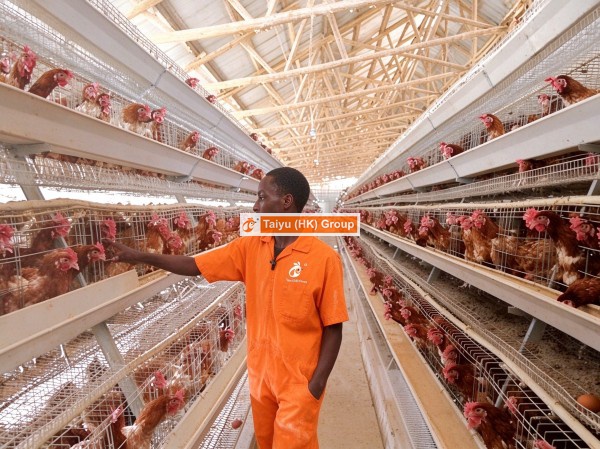
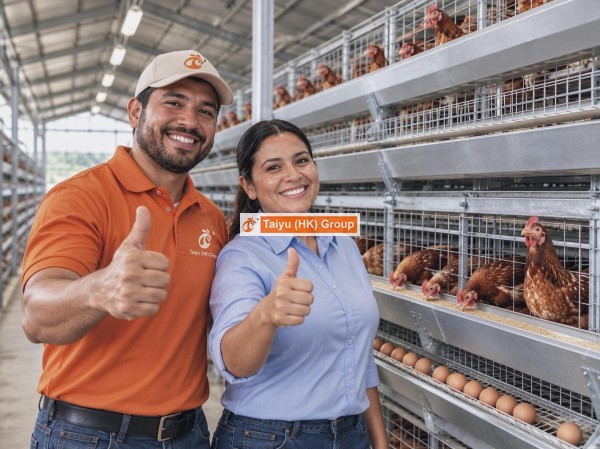
Advantage of battery cage systems are main 3 point
1. 90–96% laying rates peak production performance in commercial layer houses
2. One worker managing 10,000–50,000+ birds automatic feeding, drinking, egg collection, and manure removal replace manual labor
3. Feed conversion ratio of 1.9–2.2 less feed wasted per dozen eggs produced.
Engineered for global adaptability, our battery cage system delivers targeted performance advantages that solve the specific climate, labor, and operational challenges faced by poultry farmers in Africa, Southeast Asia, and Latin America.
Want to learn types chicken battery cage for your poultry farm?
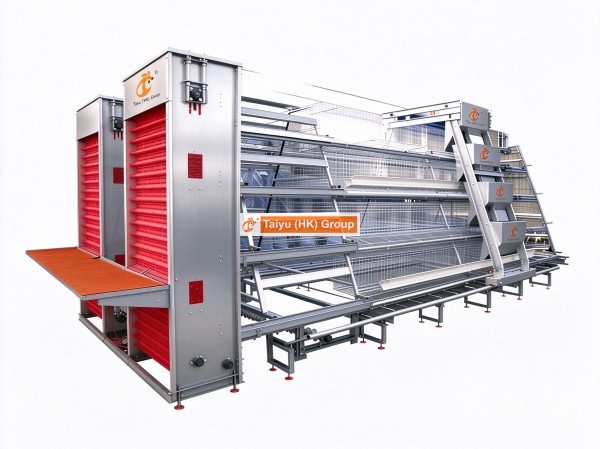
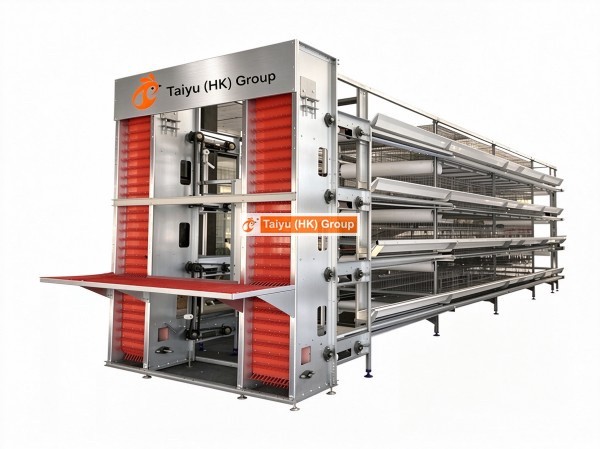
Different Advantages Of Battery Cage Systems In Three Major Markets
1. In Africa, the advantage of a battery cage system is return on investment a Ghana financial study recorded irr 41% vs. 27% and 38% higher year-5 profit than deep litter.
2. In Southeast Asia, the advantage of a chicken cage system is land multi-tier vertical stacking turns one building into several production levels, ideal where land is expensive.
3. In Latin America, the advantage of a poultry cage system is scalable standardization H-type tiers allow expansion toward 100,000+ birds with uniform, repeatable management.
Clients
My farm is in Kenya.
Will cages really make me more money than floor rearing?
Taiyu Group (HK)
In a Ghana study, cage farms earned 15–18% more revenue per year and stayed profitable even when feed prices rose 10% while floor farms went into loss.
Tell us your flock size and we will show you the numbers for your case.
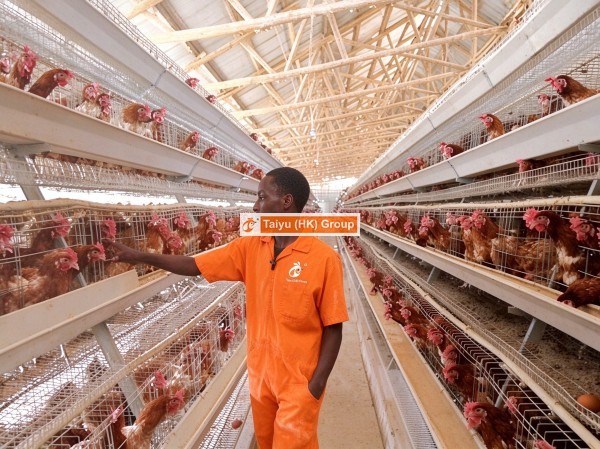
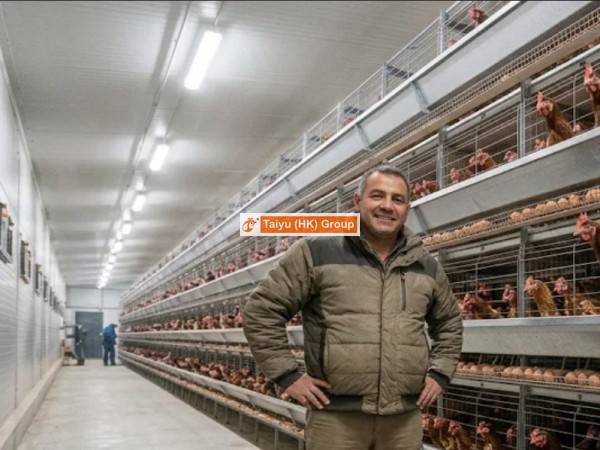
Learn More About Southeast Asia
Learn More About Latin America
1. Why Battery Cages Are A Smart Investment For Modern Poultry Farms
The Advantage of battery cage system lies in higher production efficiency, lower labor requirements, improved hygiene, and more predictable operating costs. Commercial layer farms can integrate automated equipment to manage large flocks while maintaining consistent production routines.
Key advantages include:
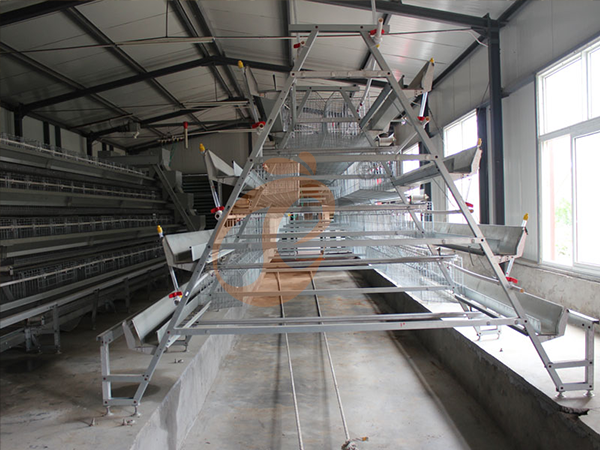
Higher space efficiency multi-tier configurations utilize vertical building space and increase the number of birds accommodated within a poultry house.
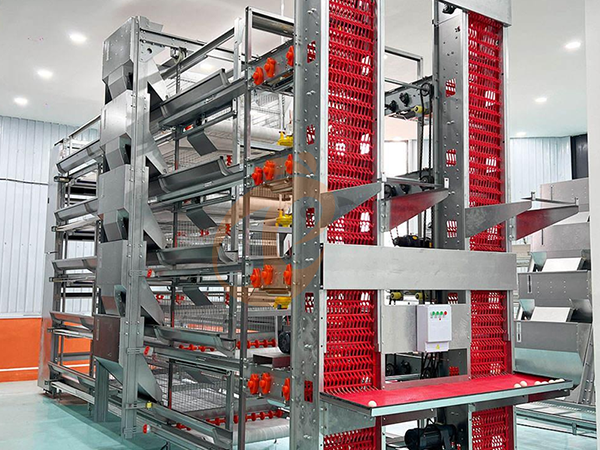
Lower labor costs automatic feeding, egg collection, and manure removal reduce repetitive manual operations.
Improved egg cleanliness sloped cage floors transfer eggs onto collection belts, reducing contact with manure and litter.
Better production management centralized feeding, nipple drinking, and egg collection simplify daily monitoring.
More predictable operating expenses standardized equipment improves production planning and maintenance scheduling.
Additional Engineering Parameters
Data is for reference only.Swipe horizontally to view full table.
Planning a poultry farm expansion? Get professional guidance to support your next stage of business growth. WhatsApp to +8618830120193.
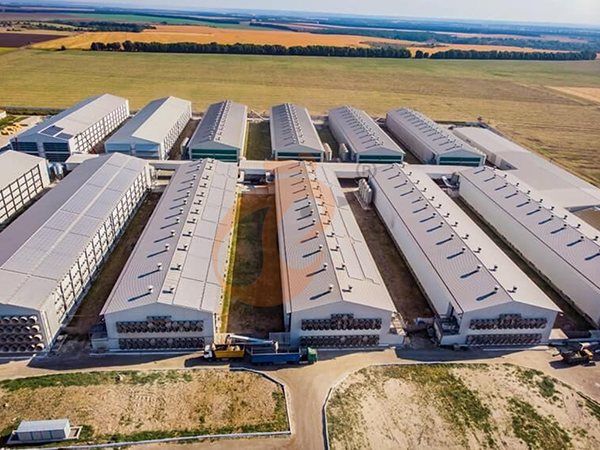
For example, a commercial poultry project measuring 90 m × 15 m can incorporate longitudinal ventilation, automatic egg conveyors, and manure belts.
During summer operation, ventilation capacity must account for bird weight, outdoor temperature, humidity, and house design.
A well-designed project should also include backup generators, alarm systems, water-pressure regulators, and independent ventilation controls.
Such equipment reduces operational risks during power interruptions and extreme weather.
Data is based on more than 20 years of after-sales follow-up records collected by Taiyu Group (HK).
2. One Worker Per 30,000 Birds: The Labor Advantage
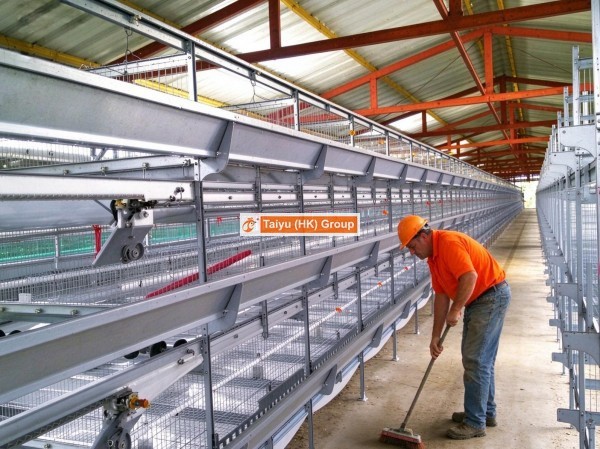
Labor efficiency represents one of the most significant benefits of automatic chicken battery cages.
Manual poultry systems generally require one worker for every 2,000–4,000 birds, while automated cage houses can support 10,000–30,000 birds per operator.
Labor requirements can decrease by approximately 50–70%, depending on automation levels, farm layout, and management practices.
2.1. Typical Labor Comparison
Data is for reference only.Swipe horizontally to view full table.
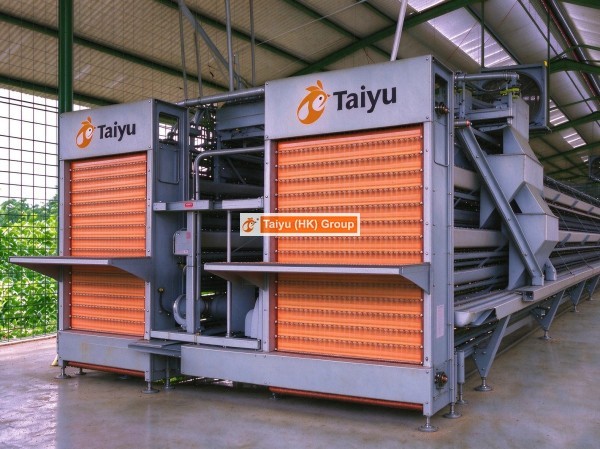
2.2. Additional Labor Management Parameters
Daily inspection should cover approximately 100% of cage rows and drinking lines.
Automatic feeding schedules commonly operate 4–6 times daily, depending on feed management.
Manure belt operation can be scheduled 1–2 times daily according to manure moisture and storage capacity.
Egg collection frequency can be adjusted to 2–4 cycles daily to reduce accumulation and handling risks.
Clients:
Labor is my biggest cost. How many workers do I need for 20,000 layers?
Taiyu Group (HK):
With automatic feeding, egg collection and manure belts, 20,000 layers typically run with 1–2 operators.
That is a 50–70% labor saving compared with manual floor systems.
3. From 1,000 To 100,000+ Birds: The Advantage At Every Scale
The Advantage of chicken battery cage changes with farm capacity.
Small farms benefit from affordable entry-level configurations, while large commercial operations gain greater efficiency through centralized automation and multi-tier equipment.
3.1. Recommended Configurations By Farm Size
Data is for reference only.Swipe horizontally to view full table.
3.2. Additional Engineering Parameters For Expansion
Data is for reference only.Swipe horizontally to view full table.
3.3. Planning Different Expansion Stages
Small farms A-type cages provide an economical starting point with straightforward maintenance.
Medium farms semi-automatic feeding and drinking systems reduce repetitive labor.
Large farms H-type cages, centralized conveyors, and automatic manure removal improve operational consistency.
Industrial farms turnkey projects integrate housing, ventilation, feeding, drinking, egg collection, and manure handling.
Clients:
I have 5,000 layers now and plan to reach 20,000.
Should I buy big from the start?
Taiyu Group (HK):
Start with an A-type system sized for 5,000 and a house layout designed for a second row.
When you expand to 20,000, you add tiers and automation not a new building.
4. Fewer Dead Birds, Lower Drug Bills: The Hygiene Advantage
The Advantage of poultry battery cage includes better separation between laying hens and accumulated manure.
Physical separation reduces exposure to contaminated droppings and helps interrupt transmission pathways for certain infectious diseases.
4.1. Main Hygiene Benefits
Reduced coccidiosis exposure birds have less direct contact with contaminated floor litter.
Lower parasite transmission risk separation from manure can reduce exposure to certain intestinal parasites.
Cleaner housing conditions manure belts facilitate regular waste removal.
Improved disease monitoring individual cage groups make abnormal behavior and reduced feed consumption easier to identify.
Better mortality management organized housing helps workers identify sick or injured birds earlier.
A survey-based finding reported that 55.7% of interviewed farmers confirmed very low mortality in cage-reared flocks.
Actual mortality depends on genetics, vaccination, ventilation, stocking density, nutrition, and biosecurity.
4.2. Additional Biosecurity And Environmental Parameters
Data is for reference only.Swipe horizontally to view full table.
4.3. Disease Prevention Management
Separate incoming replacement pullets from existing flocks during the quarantine period.
Maintain dedicated footwear and protective clothing for each poultry house.
Check drinking water quality and nipple operation regularly.
Remove manure according to the farm's hygiene schedule.
Implement vaccination programs based on local disease risks and veterinary recommendations.
Clients:
Every rainy season I lose birds to coccidiosis.
Can cages stop this?
Taiyu Group (HK):
Coccidiosis spreads through droppings on the floor. In a cage system birds never touch their droppings the infection cycle is broken at the source.
5. 90–96% Laying Rate And Clean Eggs: The Production Advantage
The Advantage of layer battery cage is closely associated with organized egg collection, reduced egg contamination, and easier production monitoring.
Sloped cage floors allow eggs to roll gently onto collection belts.
Automatic conveyors then transfer eggs toward centralized sorting and packing equipment.
5.1. Main Production Benefits
Higher egg cleanliness eggs avoid direct contact with floor litter and manure.
Reduced breakage controlled collection minimizes unnecessary manual handling.
Fewer floor eggs sloped floors guide eggs toward collection channels.
Better egg monitoring daily production records help identify changes in laying performance.
More organized packing conveyor systems connect poultry houses with grading and packaging areas.
Well-managed commercial layer operations can achieve laying rates of approximately 90–96%, depending on bird age, genetics, nutrition, and environmental conditions.
5.2. Egg Collection Performance Parameters
Data is for reference only.Swipe horizontally to view full table.
Improve farm productivity through better management, smarter planning, and efficient resource utilization. WhatsApp to +8618830120193.
5.3. Additional Egg Quality And Collection Parameters
Data is for reference only.Swipe horizontally to view full table.
Clients:
My buyers reject dirty eggs.
How do cages fix this?
Taiyu Group (HK):
In cages, eggs roll onto a belt within seconds they never touch litter or droppings.
Most farms see dirty-egg complaints drop close to zero in the first flock.
6. Less Feed Per Dozen Eggs: The Feed-Conversion Advantage
Feed commonly represents a major proportion of commercial egg production expenses.
Battery cage systems help improve feeding consistency through fixed troughs, controlled feed distribution, and reduced unnecessary bird movement.
6.1. Main Feed-Efficiency Advantages
Reduced feed spillage fixed troughs help prevent feed from being scattered across the floor.
Better feed monitoring measured distribution makes daily consumption easier to track.
Lower energy expenditure restricted unnecessary movement can reduce energy expenditure.
Improved production planning consistent feeding supports predictable flock management.
A feed conversion ratio (FCR) of approximately 1.9–2.2 kg of feed per kilogram of egg mass is a common performance benchmark in well-managed commercial cage operations.
6.2. Feed Efficiency Comparison
Data is for reference only.Swipe horizontally to view full table.
6.3. Additional Nutrition And Feeding Parameters
Data is for reference only.Swipe horizontally to view full table.
Actual nutritional specifications should follow the selected layer strain, production stage, feed ingredients, and veterinary nutrition recommendations.
Clients:
Feed is 70% of my cost.
How much can a cage system actually save?
Taiyu Group (HK):
Two savings less spillage from controlled troughs, and better conversion because birds move less fcr of 1.9–2.2 is a common benchmark in well-run cage houses.
7. Cage Vs. Deep Litter: Which One Wins On Your Farm?
Different poultry farming systems serve different production objectives.
Cage systems prioritize space efficiency, organized egg collection, and automation.
Deep litter and free-range systems offer different housing and management arrangements.
7.1. Comparison Of Main Poultry Farming Methods
Data is for reference only.Swipe horizontally to view full table.
7.2. Key Technical Differences
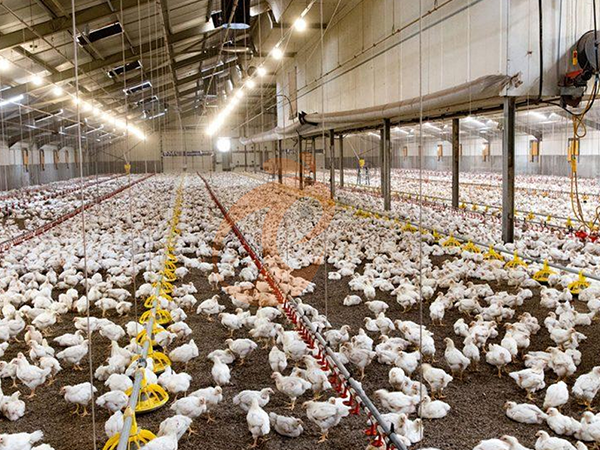
Space utilization multi-tier cages use vertical space, while deep litter and free-range systems require more usable floor and outdoor space.
Egg handling cage systems use conveyor belts; alternative systems generally require nest collection and additional inspection.
Manure management cages commonly use manure belts, while floor systems require litter maintenance and periodic removal.
Labor requirements automated cage systems generally require fewer workers for routine production activities.
Initial investment cage equipment increases upfront expenditure but can reduce recurring labor and handling risks.
7.3. Stocking Density And Housing Parameters
Data is for reference only.Swipe horizontally to view full table.
These figures are technical planning references rather than universal legal limits.
Actual stocking density must follow local animal-welfare regulations and the applicable housing category.
7.4. Additional Housing And Equipment Requirements
7.5. Five-Year Economic Comparison
One comparative study reported that cage farming required approximately 18.2% more initial investment, while achieving 38% higher net profit over five years than deep litter farming.
Data is for reference only.Swipe horizontally to view full table.
European union standard reference only.
Monetary comparisons should be converted into usd using the applicable exchange rate and adjusted for local construction, equipment, labor, and operating costs.
The percentages above represent comparative findings, not guaranteed financial returns.
7.6. When Should Farmers Choose Each System?
Battery cages suitable for commercial egg production prioritizing automation, standardized management, and high production capacity, where legally permitted.
Deep litter suitable for farms seeking lower initial equipment expenditure and floor-rearing production.
Free range suitable for producers targeting outdoor-access markets with sufficient land and appropriate biosecurity arrangements.
Aviary systems suitable for producers seeking multi-level non-cage housing with additional perching and nesting facilities.
Farmers should also consider local animal-welfare legislation.
Conventional battery cages are prohibited for laying hens in the European union.
Enriched-cage and alternative housing requirements are subject to applicable regulations and national implementation.
Clients:
Deep litter looks cheaper to start.
Why should I pay more for cages?
Taiyu Group (HK):
Floor rearing is cheaper on day one and more expensive by Year 5.
The same study showed cage farms ended 38% ahead in net profit.
You are not buying cages; you are buying lower cost per egg.
8. Taiyu (HK) Group - One Of China's Biggest Poultry Farm Equipment Supplier
1. Global Service Network
Headquartered in Hong Kong, with branches and factories in China, Vietnam, Thailand, Nigeria, Kenya, Ethiopia, and Tanzania, providing more localized project and after-sales support.
2. International Quality Standards
Strict quality control and double inspections.
Certifications and export documents include CE, SGS, ISO 9001, CCVO, PVOC, SONCAP, COC, ECTN, FORM F, and more.
3. One-To-One Vip Service
Dedicated account managers provide customized farm designs, equipment configurations, and quotations for projects ranging from 500 to 100,000+ birds per house.
4. Lifetime After-Sales Service
Installation guidance, equipment commissioning, operator training, remote technical support, spare parts supply, and ongoing maintenance.
9. Contact Us To Received Your Customized Poultry Farm Plan
Headquarters And Branchs
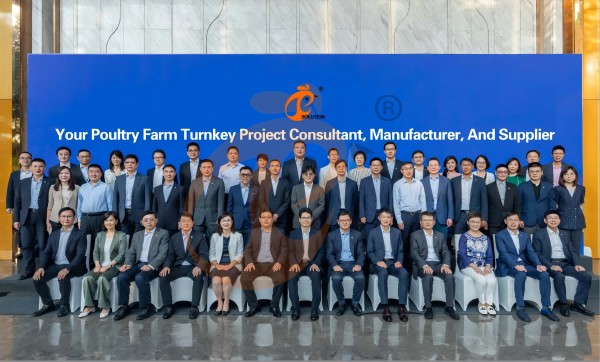
Hong Kong Headquarter Management Team
Hong Kong Headquarter Taiyu Industrial Group CO., LTD
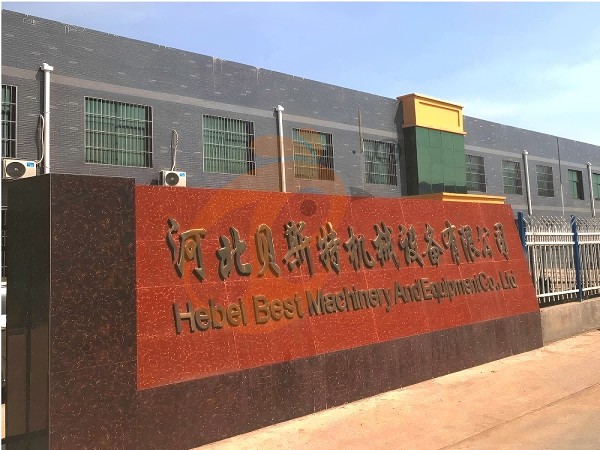
China Hebei Best Machinery And Equipment CO., LTD
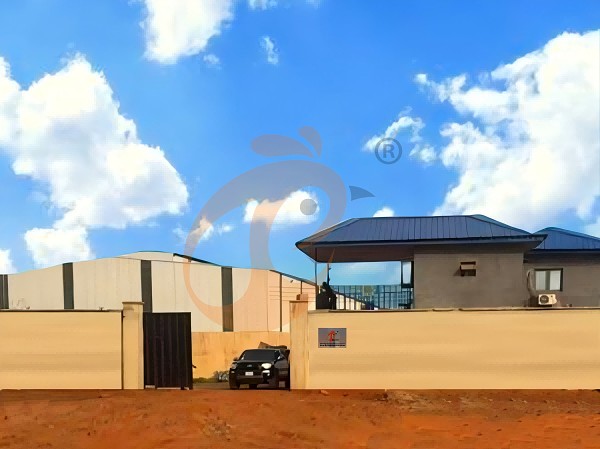
Nigeria Vanke Machinery And Equipment CO., LTD
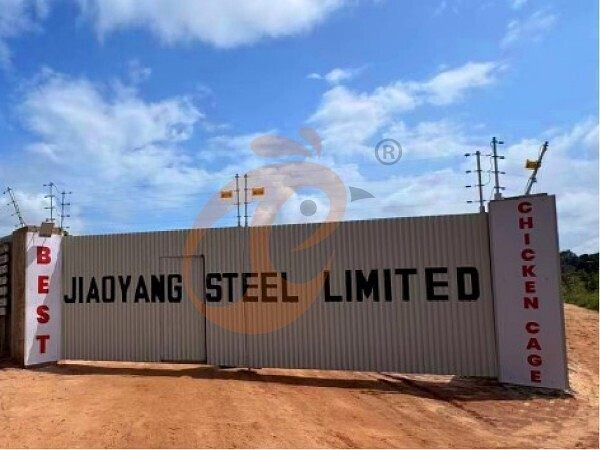
Tanzania Best Machinery And Equipment CO., LTD
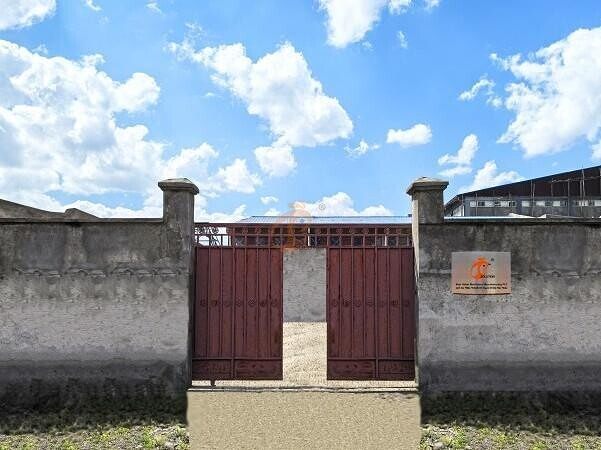
Ethiopia Best Hebei Machinery Manufacturing PLC
Reception /24 WhatsApp NO. : +8618830120193
Share


More
 Unmatched Advantage Of Battery Cage Systems In Latin America | Taiyu
- Key Advantages Of Chicken Battery Cage Designs In Africa | Taiyu
 Proven Advantages Of Chicken Cage Systems For Southeast Asia | Taiyu
- Essential Advantage Of Chicken Battery Cages
- Newest Poultry Equipment List And Price Complete Guide For 1,000 To 100,000+ Birds
- Newest Fully Automated Poultry Farm Equipment List And Cost For 1,000–100,000+ Birds
- Top 11 Popular And Different Poultry Farm Equipment For 1,000 To 100,000+ Chickens
- 11 Exact Tips Of Automatic Poultry Equipment Vs Semi-Automatic Poultry Equipment