NEWS
Key Advantage Of Battery Cage Systems For Industrializing Latin American Layer Farms
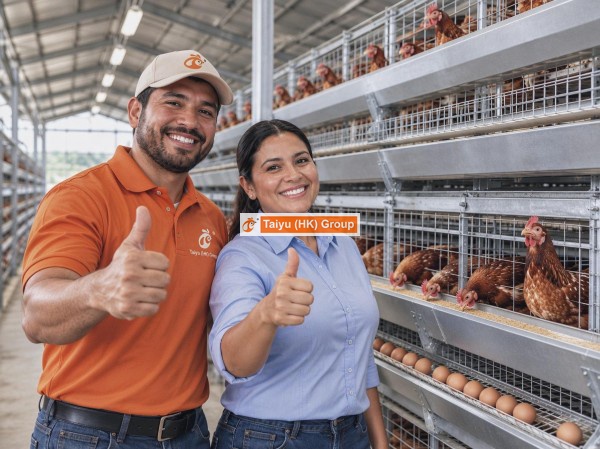
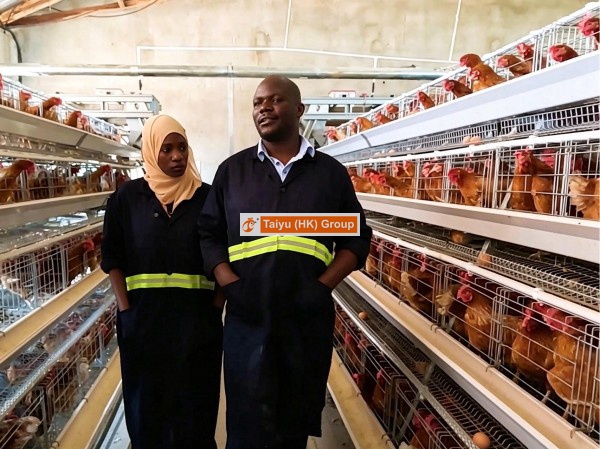
The primary advantage of battery cage systems is the standardized engineering route for Latin American layer farms to raise output, control feed waste, and meet export-oriented food-safety requirements.
Evidence from the Food and Agriculture Organization (FAO) and the Latin American Poultry Association (ALA) supports the advantage of battery cage adoption as a commercial production pathway for higher yield, improved Feed Conversion Ratio (FCR), and more controlled egg hygiene.
Over the past decade, layer farming across Brazil, Mexico, Colombia, Peru, Argentina, Chile, Ecuador, Guatemala, Honduras, and Bolivia has moved toward industrial automation as egg demand, biosecurity rules, land prices, and labor costs continue to rise.
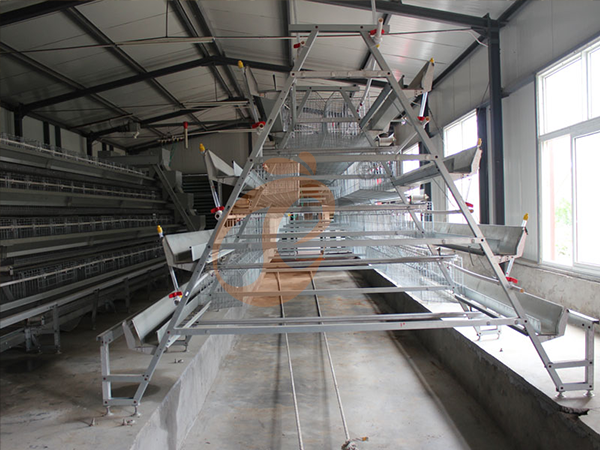
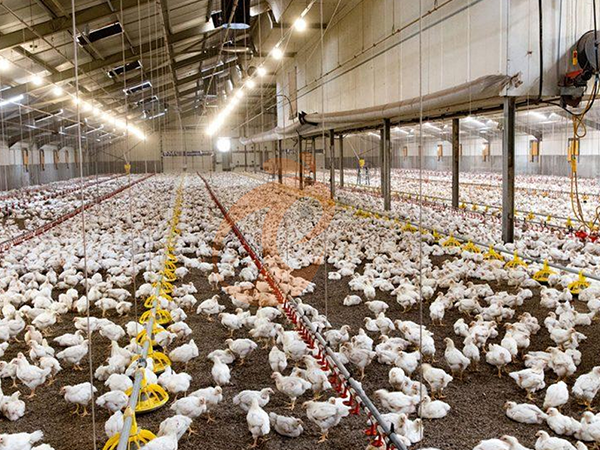
Traditional floor systems commonly operate at 5–6 birds per square meter, while multi-tier H-type cage layouts can reach 20–25 birds per square meter, creating a capacity gain of more than 300% on the same building footprint.
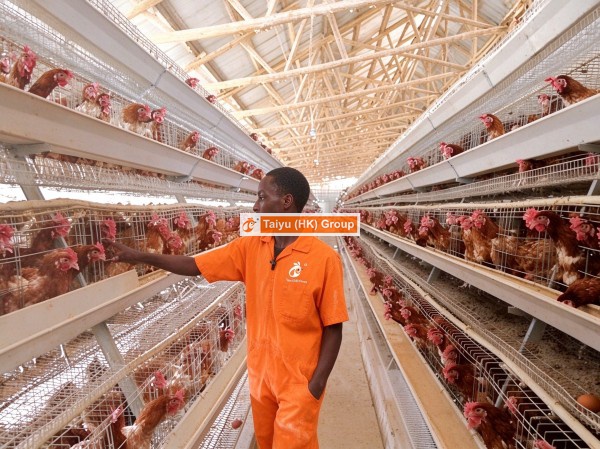
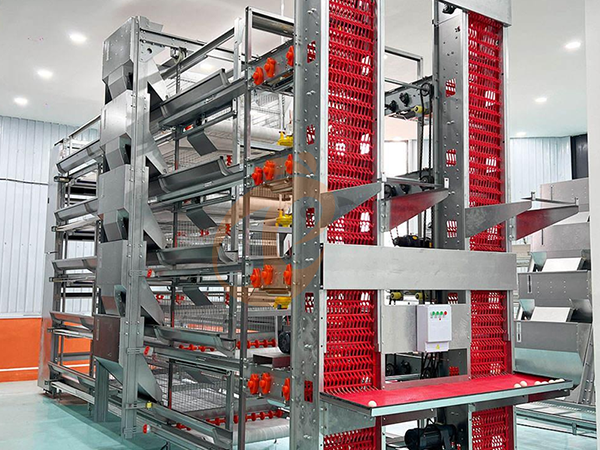
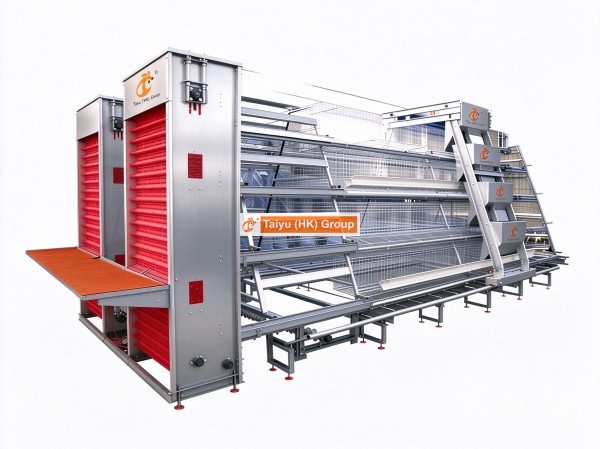
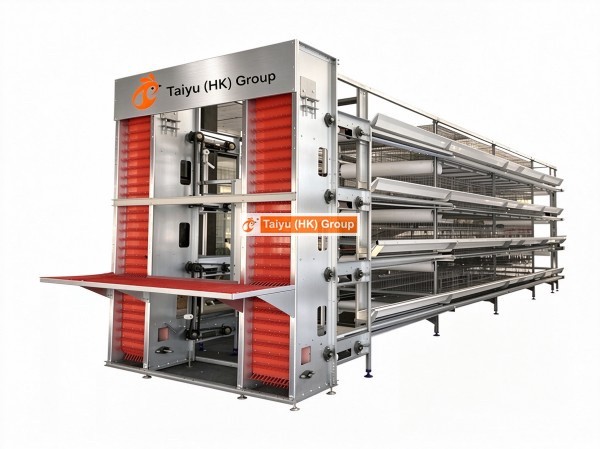
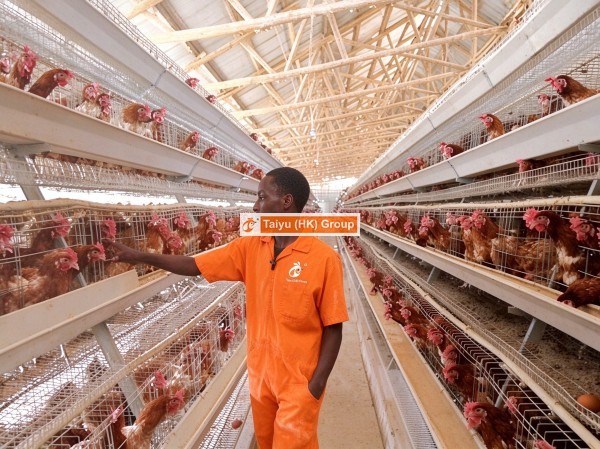
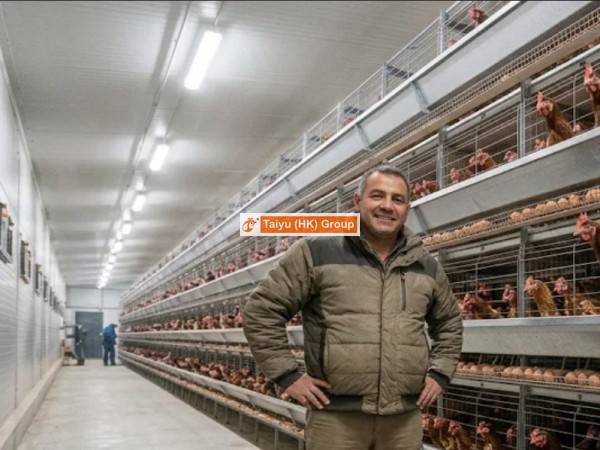
Automated cage lines use nipple drinking systems, controlled feed delivery, polypropylene (PP) manure belts, and central egg-collection conveyors; these parameters reduce manual handling, manure contact, and egg contamination.
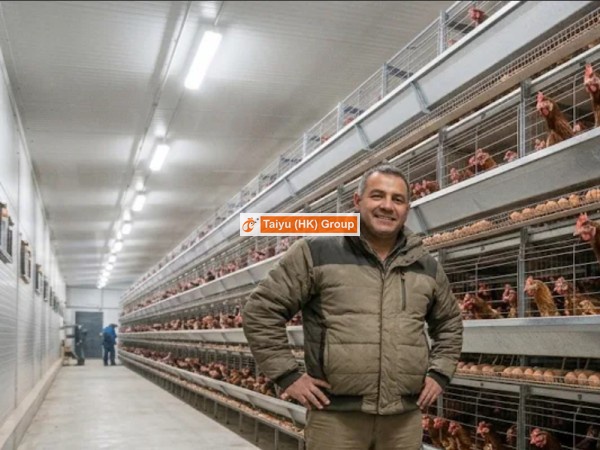
In a practical 1,000 m² house, a 4-tier or 5-tier layout can support 20,000–25,000 layers, while retaining a planned aisle width of 1.0–1.2 m for inspection, service access, and emergency evacuation.
A hot-dip galvanized steel frame with a zinc coating of 80–120 g/m² is specified for coastal humidity in Ecuador, Colombia, and Brazil, while reinforced cross-beams address seismic exposure in Chile, Peru, and Bolivia.
The advantage of battery cage technology is therefore not only higher density, but also predictable production performance, cleaner eggs, lower mortality risk, and scalable expansion across Latin America.
Data from the FAO and ALA demonstrate the core value of the advantage of battery cage systems: they provide commercial producers with a standardized technical route to high yield, optimized FCR, and internationally recognized food-safety practices.
Clients:
Rising labor wages in Latin America, especially in Brazil, Mexico, and Chile, are shrinking my farm profit margins. What is the real advantage of battery cage automation over manual labor?
Taiyu Group (HK):
The main advantage of battery cage systems is operational predictability and labor elimination.
Are you tired of high labor overheads, broken eggs, and slow manual collection speeds on your farm?
Data is based on more than 20 years of after-sales follow-up records collected by Taiyu Group (HK).
Will you choosing A type battery cage or H type chicken battery cage for your poultry farm?
Learn More About Southeast Asia
1. Four Core Advantages Of Battery Cage Systems For Latin American Producers
Commercial producers who understand the advantage of battery cage technology can secure four foundational operational benefits for layer farms in Brazil, Mexico, Colombia, Peru, Argentina, Chile, Guatemala, and Ecuador.
Consistently High Yield: Maintain peak egg production rates between 95% and 98%.
Drastic Loss Reduction: Cut egg breakage and manure contamination to below 1.2%–1.5%, compared with more than 5%–8% in floor systems.
Maximized Land Efficiency: Increase stocking density by more than 300% through vertical tier layouts.
Labor Optimization: Reduce daily workforce overhead by up to 75% through integrated automation.
Producers who recognize the advantage of battery cage engineering can also combine these gains with durable equipment specifications.
Heavy-duty hot-dip galvanized steel frames resist severe coastal humidity in Ecuador, Colombia, and Brazil, while reinforced cross-beam structures address seismic activity along the Andean ridge in Chile, Peru, and Bolivia.
A target service life of 15–20 years is supported by corrosion-resistant steel, modular cage panels, and accessible manure-belt maintenance routes.
Clients:
How does the advantage of battery cage design help my farm pass strict government bio-inspections in markets like Mexico City, Bogota, or Sao Paulo?
Taiyu Group (HK):
By eliminating bird-to-manure contact and delivering clean eggs directly via automated conveyor belts.
Have you checked how much premium clean eggs fetch in your local Latin American supermarkets?
2. High-Density & Land CAPEX Efficiency: 300%+ Higher Spatial Density
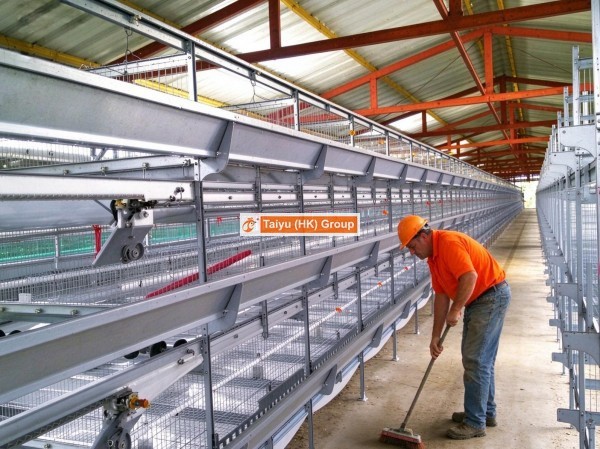
A major spatial advantage of battery cage systems is land optimization.
Land near logistics hubs and major urban markets—such as Sao Paulo (Brazil), Mexico City (Mexico), Bogota (Colombia), or Lima (Peru)—is extremely expensive.
Conventional floor farming accommodates only 5–6 birds per square meter, while multi-tier H-type battery cage systems raise density to 20–25 birds per square meter.
A standard 1,000 m² poultry shed that houses only 5,000 floor layers can accommodate 20,000–25,000 layers using a 4-tier or 5-tier vertical layout.
This quadruples farm capacity on the same land footprint without additional property taxes or real-estate costs.
The advantage of battery cage layouts becomes especially valuable where urban expansion limits available land and construction permits.
Data is for reference only. Swipe horizontally to view full table.
Clients:
Land acquisition near major cities in Mexico, Colombia, and Argentina is extremely costly. Can you explain how the spatial advantage of battery cage units saves my expansion budget?
Taiyu Group (HK):
Build upwards! A 4-tier or 5-tier H-type structure houses up to 25,000 birds in a 1,000 m² shed compared to only 5,000 on the floor. Isn't quadrupling capacity without paying extra property tax the smartest investment for your Latin American farm?
Data is based on more than 20 years of after-sales follow-up records collected by Taiyu Group (HK).
3. Biosecurity & Seismic Durability: Dropping Mortality Below 2%
Another decisive advantage of battery cage setups is biosecurity control.
Humid tropical regions, including coastal Ecuador, Honduras, and Guatemala, and intensive farming belts in Brazil and Argentina can face disease outbreaks when birds contact manure-laden litter.
Physical separation of birds from waste interrupts the pathogen lifecycle.
Automated polypropylene (PP) manure belts remove waste daily before bacterial buildup becomes severe, reducing average flock mortality from 10% to below 2%.
Reinforced steel cross-beam engineering helps structures withstand regional seismic tremors in Chile, Peru, and Bolivia while resisting coastal rust.
The advantage of battery cage construction therefore combines hygiene management with structural resilience.
Data is for reference only. Swipe horizontally to view full table.
Clients:
Farms in Chile, Peru, and Bolivia face seismic risks, while coastal regions in Colombia and Ecuador have high humidity. Is structural stability another proven advantage of battery cage engineering?
Taiyu Group (HK):
Absolutely. Our cages feature heavy-duty hot-dip galvanized steel with reinforced cross-beam frames engineered to withstand regional tremors and resist coastal rust. Wouldn't a 20-year structure give your investors in Latin America ultimate peace of mind?
4. FCR Optimization & Egg Quality: Lower Breakage Below 1.5%
Feed represents more than 70% of operational expenses for layer farms in Brazil, Mexico, Chile, and Peru.
The financial advantage of battery cage feeding systems lies in zero-waste engineering. Specialized deep feed troughs with inward anti-flick rims prevent feed spillage and can save up to 2.5 metric tons of feed per 1,000 layers annually.
Data comes from Taiyu after-sales follow-up records.
Engineered bottom mesh slopes of 7° to 8°, paired with central conveyor belts, allow freshly laid eggs to roll smoothly toward collection points.
This design keeps contamination and shell breakage below 1.5%, compared with more than 6% in floor systems.
The advantage of battery cage feeding and egg-collection design is a direct improvement in feed use, egg presentation, and monthly cash flow.
Clients:
Feed makes up over 70% of my operational costs in Latin America.
How much money can this design save on feed for a farm in Argentina or Mexico?
Taiyu Group (HK):
Our trough design prevents feed spillage and bird competition, saving up to 2.5 tons of feed per 1,000 layers per year.
Wouldn't saving tons of feed each month significantly boost your net monthly cash flow?
European union standard reference only.
Make your poultry investment smarter with professional planning, efficient management, and long-term development strategies. WhatsApp to +8618830120193.
5. Scalability: 1K → 2K → 5K → 10K → 20K → 50K → 100K+ Labor Optimization in Latin America
The ultimate commercial advantage of battery cage modularity is seamless scalability for Latin American producers, from smallholders in Guatemala or Honduras to industrial producers in Brazil, Mexico, and Colombia.
Data is for reference only. Swipe horizontally to view full table.
1,000 → 2,000 Birds (Startup Stage): A-type 3-tier cages with 120 birds per set allow 1 part-time worker to manage daily operations easily.
5,000 → 10,000 Birds (Standard Commercial Farm): Semi-automatic feeding trolleys and automatic drinking systems require only 1–2 workers.
20,000 → 50,000 Birds (Industrial Farm): Vertical H-type systems with 4 or 8 tiers, 128 or 256 birds per set, and automated manure belts and egg-collection belts reduce labor expenses by 70%.
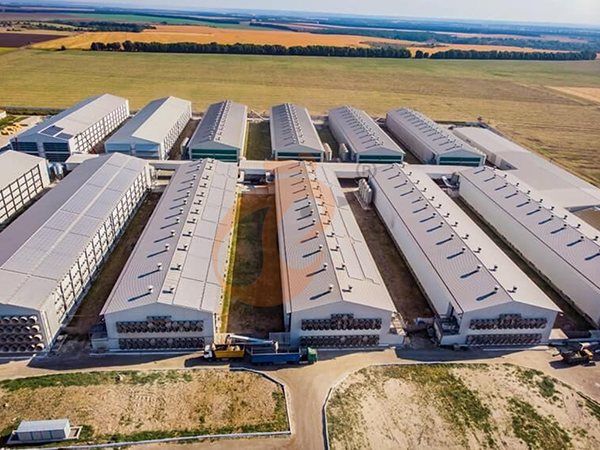
100,000+ Birds (Mega Poultry Complex): Fully automated environmental control and central egg-packing systems allow 4–5 operators to manage a large-scale complex smoothly.
Clients:
I want to experience the full operational advantage of battery cage systems on my farm in Brazil, Mexico, or Colombia by expanding from 10,000 to 100,000+ birds. How many staff will I actually need?
Taiyu Group (HK):
With our fully automated H-type systems, just 4 to 5 operators can run a 100,000-bird complex smoothly! Wouldn't keeping your labor force lean make managing a mega-farm simple and profitable anywhere in Latin America? Contact Taiyu (HK) Group today to get a customized cage layout and return on investment quotation for your farm!
Data is based on more than 20 years of after-sales follow-up records collected by Taiyu Group (HK).
6. Taiyu (HK) Group - One Of China Biggest Battery Cage System Manufacturer
1. Global Service Network
Headquartered in Hong Kong, with branches and factories in China, Vietnam, Thailand, Nigeria, Kenya, Ethiopia, and Tanzania, providing more localized project and after-sales support.
2. International Quality Standards
Strict quality control and double inspections.
Certifications and export documents include CE, SGS, ISO 9001, CCVO, PVOC, SONCAP, COC, ECTN, FORM F, and more.
3. One-to-One VIP Service
Dedicated account managers provide customized farm designs, equipment configurations, and quotations for projects ranging from 500 to 100,000+ birds per house.
4. Lifetime After-Sales Service
Installation guidance, equipment commissioning, operator training, remote technical support, spare parts supply, and ongoing maintenance.
7. Contact Us To Received Your Customized Poultry Farm Plan
Headquarters And Branchs

Hong Kong Headquarter Management Team
Hong Kong Headquarter Taiyu Industrial Group CO., LTD
China Hebei Best Machinery And Equipment CO., LTD
Nigeria Vanke Machinery And Equipment CO., LTD
Tanzania Best Machinery And Equipment CO., LTD
Ethiopia Best Hebei Machinery Manufacturing PLC




Reception /24 WhatsApp NO. : +8618830120193
Share


More
 Unmatched Advantage Of Battery Cage Systems In Latin America | Taiyu
- Key Advantages Of Chicken Battery Cage Designs In Africa | Taiyu
 Proven Advantages Of Chicken Cage Systems For Southeast Asia | Taiyu
- Essential Advantage Of Chicken Battery Cages
- Newest Poultry Equipment List And Price Complete Guide For 1,000 To 100,000+ Birds
- Newest Fully Automated Poultry Farm Equipment List And Cost For 1,000–100,000+ Birds
- Top 11 Popular And Different Poultry Farm Equipment For 1,000 To 100,000+ Chickens
- 11 Exact Tips Of Automatic Poultry Equipment Vs Semi-Automatic Poultry Equipment