NEWS
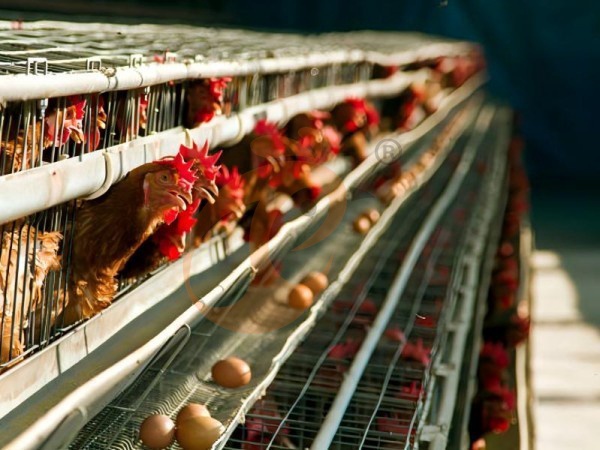
The implementation of high density layer housing within H type cage systems is the primary driver for maximizing output in modern egg production facilities.
This transition utilizes automated mechanical components to eliminate the inconsistencies associated with manual labor and traditional feeding methods.
By integrating synchronized delivery systems, producers achieve superior control over nutrient intake and metabolic health across all vertical tiers.
The system ensures that every bird receives precise rations, which fundamentally stabilizes the performance of the entire flock.
Get professional poultry farm construction guidance, equipment selection solutions, and the latest price lists.
Please contact us, WhatsApp NO. : +8613582487372, click to learn more.
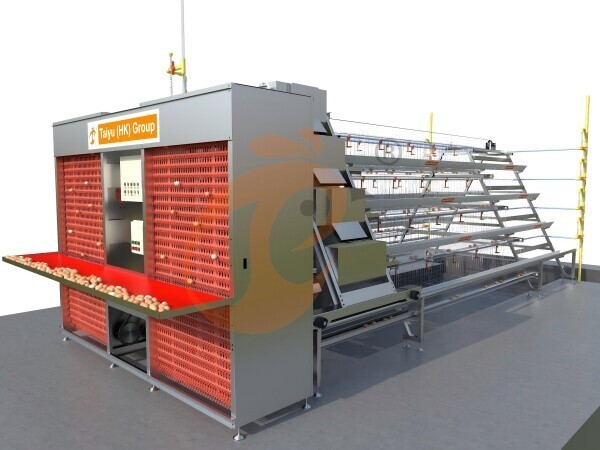
Hot Sale Poultry Farm Equipment
Structural Synergy Of H Type Design And Automated Feeding
The architectural configuration of H type cages allows for maximum bird density per square meter of floor space.
This vertical stacking requires a reliable delivery mechanism to reach upper tiers without nutrient loss.
battery cage automation systems solve the logistics of multi-tier feeding by using precision guided trolleys or chains.
These systems maintain a steady flow of feed that prevents the "starvation or gluttony" cycle often seen in manual operations.
Data is for reference only.Swipe horizontally to view full table.
Optimizing Feed Conversion Ratio For Maximum Profitability
The core objective of any poultry operation is improving the feed conversion ratio (FCR).
Automatic feeders are engineered to deliver feed in controlled depths to prevent birds from "flicking" feed out of the troughs.
This precision is vital for poultry feed efficiency, as it ensures that the expensive feed is consumed rather than wasted on the floor.
Reduced waste directly translates into lower operational costs and higher net margins per bird.
Data is for reference only.Swipe horizontally to view full table.
(Note: All monetary values follow European union standards for reference only.)
Ensuring Flock Uniformity Through Balanced Nutrition
In a manual setup, birds at the beginning of the row often consume the best part of the feed, leaving only "fines" for the birds at the end.
Automated systems move the feed at a high velocity to prevent this particle segregation.
This ensures that every bird, regardless of its position in the 150-meter row, receives the same ratio of protein and minerals.
Consistent nutrition leads to a uniform flock weight, which simplifies management and medical interventions.
Data is for reference only.Swipe horizontally to view full table.
Significant Reduction In Operational Labor Costs
Labor is one of the highest variable costs in poultry farming.
An automated H type house requires only a fraction of the staff compared to traditional methods.
The system operates on timers, allowing the manager to schedule feeding sessions without physical presence.
This allows the farm to scale up to hundreds of thousands of birds without a proportional increase in headcount.
Data is for reference only.Swipe horizontally to view full table.
(Note: All monetary values follow European union standards for reference only.)
Enhanced Air Quality And Respiratory Health
Dust from feed fines is a major contributor to respiratory issues in high density poultry environments.
Automated systems are typically enclosed, which prevents fine particles from becoming airborne.
Improved air quality reduces the stress on the birds' respiratory systems, leading to lower mortality rates.
A cleaner environment also extends the life of the ventilation fans and other mechanical equipment.
Data is for reference only.Swipe horizontally to view full table.
(Note: All monetary values follow European standards for reference only.)
Structural Preservation And Equipment Durability
Manual feeding carts are prone to human error, often bumping into cage frames and troughs.
Over time, these impacts damage the galvanization, leading to premature rust and structural failure.
Automatic feeders run on precision engineered rails that are integrated into the cage structure.
This frictionless movement preserves the equipment and ensures a much higher resale value for the facility.
Data is for reference only.Swipe horizontally to view full table.
(Note: All monetary values follow European union standards for reference only.)
Return On Investment And Financial Performance
The investment in automation for H type cages is justified by the rapid payback period.
The combination of feed savings, labor reduction, and increased egg production creates a high performance financial asset.
Farmers typically see a full return on the automation component within the first two years of operation.
Long term profitability is sustained by the increased efficiency and reduced overhead of the automated system.
Data is for reference only.Swipe horizontally to view full table.
(Note: All monetary values follow European union standards for reference only.)
Frequently Asked Questions
Q1: How does automatic feeding reduce feed waste in cages?
A1: The system uses adjustable dispensing gates that maintain a shallow feed depth in the troughs.
This prevents the birds from scattering feed outside the cage during their natural pecking behavior.
Q2: Can the feeding schedule be customized for different bird ages?
A2: Yes, the integrated controllers allow managers to program multiple feeding sessions throughout the day.
This supports different nutritional requirements as the birds progress through their laying cycle.
Q3: What happens to the performance if there is a power outage?
A3: Modern systems are equipped with manual overrides and can be connected to emergency backup generators.
The structural design of the troughs allows for temporary manual distribution if a long term outage occurs.
HB Best - One Of China Toppest H Type Chicken Cage Manufacturer
We operate the world's largest automated production facility for poultry farm equipment with factory direct sales worldwide.
Our company has successfully delivered over 500 turnkey projects across 80 countries including full poultry cage installations.
We utilize advanced robotic welding and hot-dip galvanizing processes that meet international quality and durability standards.
The annual production capacity exceeds 1,000,000 units ensuring rapid delivery for large-scale commercial poultry operations.
Our engineering team provides comprehensive design, installation, and after sales support for every H type system.
Contact Us To Received Your Customized Poultry Farm Plan
Headquarters And Branchs
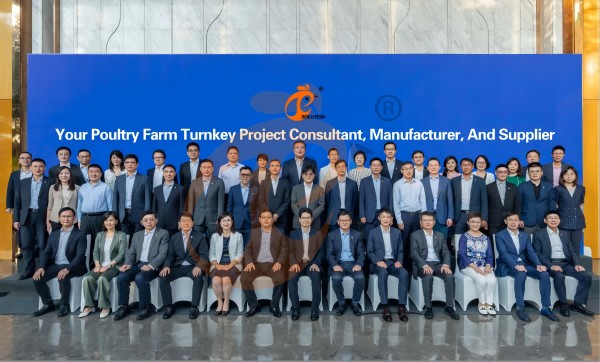
Hong Kong Headquarter Management Team
Hong Kong Headquarter Taiyu Industrial Group CO., LTD
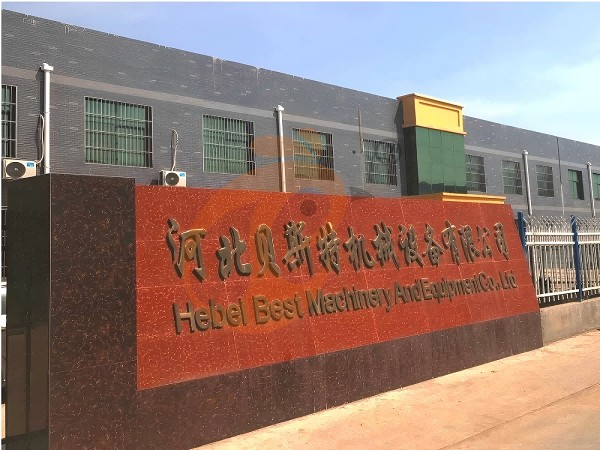
China Hebei Best Machinery And Equipment CO., LTD
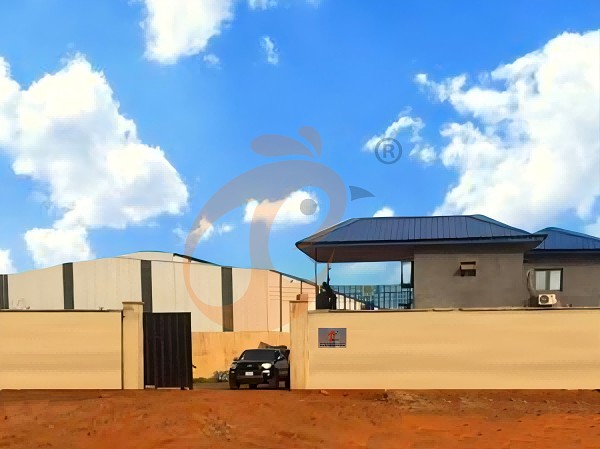
Nigeria Vanke Machinery And Equipment CO., LTD
Tanzania Best Machinery And Equipment CO., LTD
Ethiopia Best Hebei Machinery Manufacturing PLC
Reception /24 online WhatsApp NO. : +8613582487372
Share


More
 5 Steps To Properly Store Pellet Machine Feed Output
- Deep Litter System Maintenance Cost | 6 Long-Term Control Tips
- Is Free Range Poultry Farming Profitable? | 5 Decision Tips
- Floor Rearing System Lighting | 5 Essential Management Guidelines
- How To Improve Efficiency With Poultry Equipment | 6 Practical Methods
- Layer Chicken Cage Flooring | 6 Key Factors Affecting Hen Health
- How To Improve Water Hygiene With Nipple Drinkers | 6 Steps
- 5 Steps To Optimize Pralson Feeder Placement In Chicken Houses