NEWS
Manual vs automatic A-type poultry cage system is a key decision for poultry farms focusing on labor optimization
Labor cost pressure increases when daily tasks exceed 6 FTE per 1,000 birds
Automation shifts farm management from manpower driven to system driven operations
Consistent labor control improves production stability and cost predictability
Equipment based farms achieve scalable growth with controlled workforce size
Get professional poultry farm construction guidance, equipment selection solutions, and the latest price lists.
Please contact us, WhatsApp NO. : +8613582487372, click to learn more.
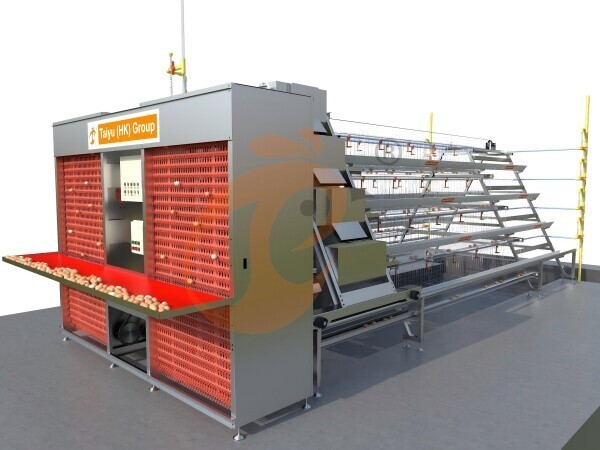
Hot Sale Poultry Farm Equipment
Labor Pressure In Modern Poultry Farming
Labor cost is no longer a fixed expense.
It fluctuates with workforce availability, productivity, and management efficiency.
Core daily labor tasks include
Feed distribution
Egg collection
Manure handling
Routine flock inspection
As flock size increases
Manual systems scale labor linearly
Automated systems scale labor marginally
Understanding Manual A-Type Poultry Cage Systems
Manual A-type poultry cage systems depend on human labor for most daily activities.
More than 85 percent of operational tasks require direct worker involvement.
Typical characteristics include
Manual feed delivery
Hand-operated egg collection
Scheduled manure removal
Visual health checks
These systems are suitable for
Small scale farms
Limited expansion plans
Short term production cycles
Data is for reference only.Swipe horizontally to view full table.
All currency values follow European standards, for reference only.
Understanding Automatic A-Type Poultry Cage Systems
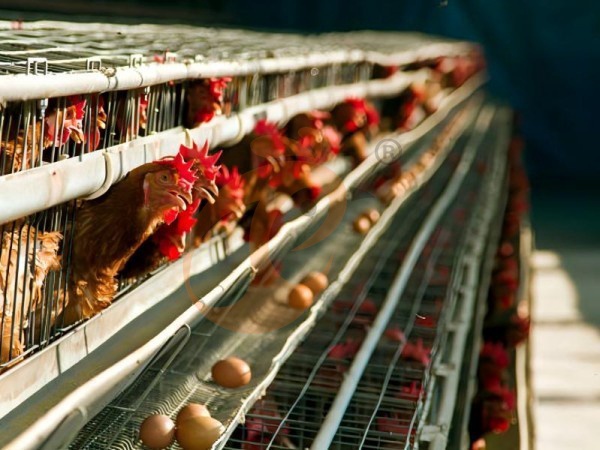
Automatic A-type poultry cage systems replace repetitive labor with mechanical processes.
More than 80 percent of daily tasks operate automatically.
Key automated functions include
Feed line distribution
Egg conveyor collection
Manure belt removal
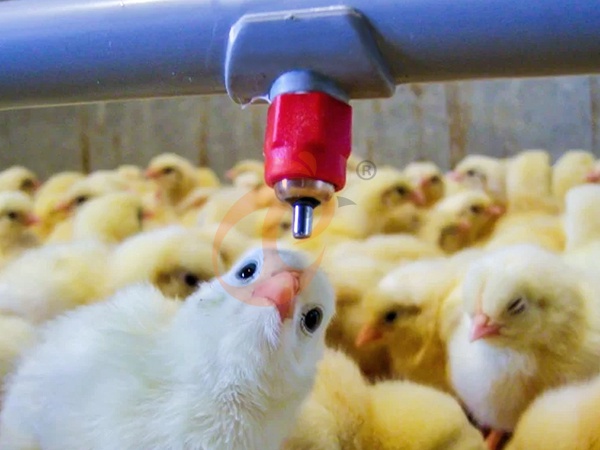
Nipple drinking systems
Labor focus shifts to
Equipment monitoring
Preventive maintenance
Data recording
Data is for reference only.Swipe horizontally to view full table.
All currency values follow European standards, for reference only.
Labor Task Comparison Between Systems
Labor efficiency differences appear clearly in daily task allocation.
Manual systems
Require multiple workers per house
Consume long hours in repetitive tasks
Automatic systems
Compress tasks into short supervision periods
Reduce physical labor intensity
Data is for reference only.Swipe horizontally to view full table.
Labor Cost Structure Analysis
Labor cost includes
Wages
Overtime
Productivity loss
Manual systems require more workers to maintain minimum standards.
Automatic systems reduce headcount while maintaining output.
Data is for reference only.Swipe horizontally to view full table.
All currency values follow European standards, for reference only.
Labor Efficiency Improvement Rates
Automation delivers measurable reductions in labor input.
Main efficiency gains come from
Egg collection automation
Continuous feed delivery
Data is for reference only.Swipe horizontally to view full table.
Impact On Production Stability
Manual operations show output variation exceeding ±10 percent.
This is caused by
Worker fatigue
Schedule inconsistency
Automatic systems maintain deviation within ±3 percent.
Mechanical consistency ensures stable daily output.
Long Term Labor Cost Projection And Return On Investment Comparison
A long term view highlights clear labor cost differences between manual and automatic A-type poultry cage system.
Manual systems require 1 worker per 3,000–4,000 layers
Automatic systems operate with 1 worker per 10,000–15,000 layers
Cost comparison over five years
Average monthly labor cost USD 120–250 per worker
Manual systems USD 18,000–30,000 per 10,000 birds
Automatic systems USD 6,000–10,000 per 10,000 birds
Efficiency impact
Daily labor time reduced by 45–60 percent
Egg breakage reduced to ≤ 2 percent
Manure removal reduced to 2–3 times per week
Investment recovery typically occurs within 24–36 months.
All currency values follow European standards, for reference only.
Long Term Cost Performance Comparison
Initial investment differs significantly between systems.
Labor savings dominate long term cost evaluation.
Data is for reference only.Swipe horizontally to view full table.
All currency values follow European standards, for reference only.
Scalability For Growing Poultry Farms
Manual systems expand with labor heavy models.
Each expansion phase increases workforce proportionally.
Automatic A type systems expand with minimal labor growth.
Key scalability comparison
Manual 8–10 workers per 10,000 birds
Automatic 1–2 workers per 10,000 birds
Biosecurity And Management Control
Human contact frequency impacts disease risk.
Manual systems
Over 25 human-bird contacts per house per day
Automatic systems
Fewer than 8 contacts per house per day
Reduced contact improves flock health control.
Practical Suitability By Farm Size
Data is for reference only.Swipe horizontally to view full table.
Investment Decision Perspective
The choice between manual and automatic A-type poultry cage systems defines future labor exposure.
Automation converts labor cost into a predictable operational parameter.
Frequently Asked Questions
Q1: Does automatic A-type poultry cage system really reduce labor cost?
Yes.
A1: Labor demand decreases from over 6 FTE to under 2 FTE per 1,000 birds.
Q2: Is the higher initial investment worth it?
A2: Yes.
Labor savings usually offset equipment cost within 8–12 months.
Q3: Can automatic systems operate reliably long term?
Yes.
Well designed systems maintain operation deviation within ±3 percent.
HB Best - One Of China Biggest Poultry Cage Manufacturer
Over 20 years experience in poultry farm equipment manufacturing
Annual production capacity exceeding 30,000 complete poultry cage systems
Factory direct supply covering more than 60 countries worldwide
Full solutions including poultry cage systems and turnkey poultry farm projects
Engineering services from design to commissioning
Contact Us To Received Your Customized Poultry Farm Plan
Headquarters And Branchs

Hong Kong Headquarter Management Team
Hong Kong Headquarter Taiyu Industrial Group CO., LTD
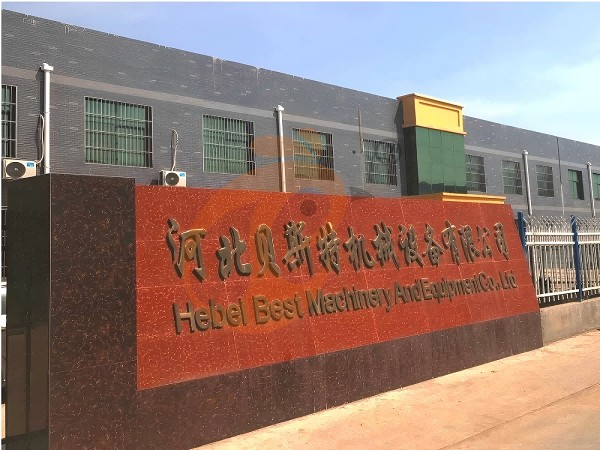
China Hebei Best Machinery And Equipment CO., LTD
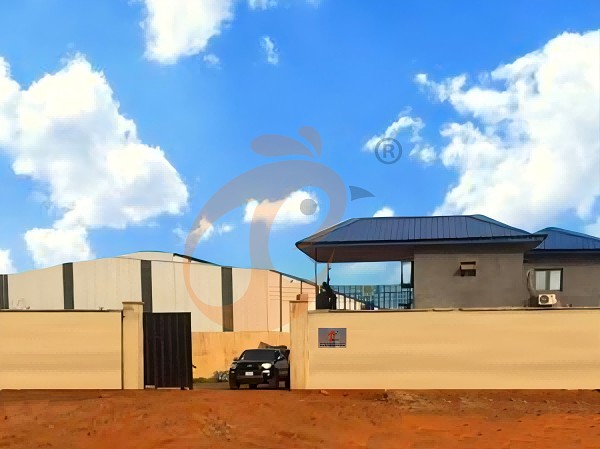
Nigeria Vanke Machinery And Equipment CO., LTD
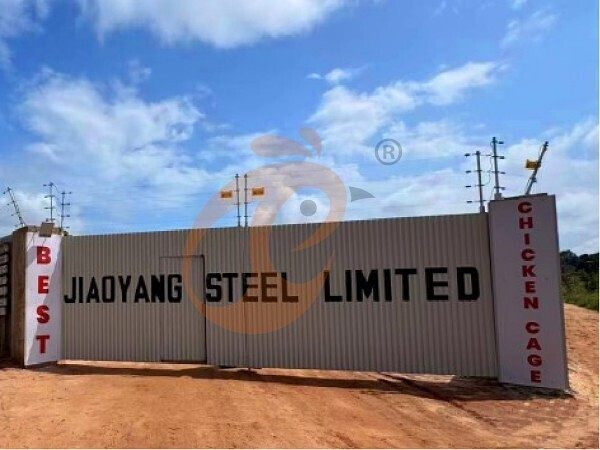
Tanzania Best Machinery And Equipment CO., LTD
Ethiopia Best Hebei Machinery Manufacturing PLC

Reception /24 online WhatsApp NO. : +8613582487372
Share


More
 5 Steps To Properly Store Pellet Machine Feed Output
- Deep Litter System Maintenance Cost | 6 Long-Term Control Tips
- Is Free Range Poultry Farming Profitable? | 5 Decision Tips
- Floor Rearing System Lighting | 5 Essential Management Guidelines
- How To Improve Efficiency With Poultry Equipment | 6 Practical Methods
- Layer Chicken Cage Flooring | 6 Key Factors Affecting Hen Health
- How To Improve Water Hygiene With Nipple Drinkers | 6 Steps
- 5 Steps To Optimize Pralson Feeder Placement In Chicken Houses