NEWS
Philippines poultry farming increasingly uses IoT and smart systems for feed, temperature, and bird health monitoring
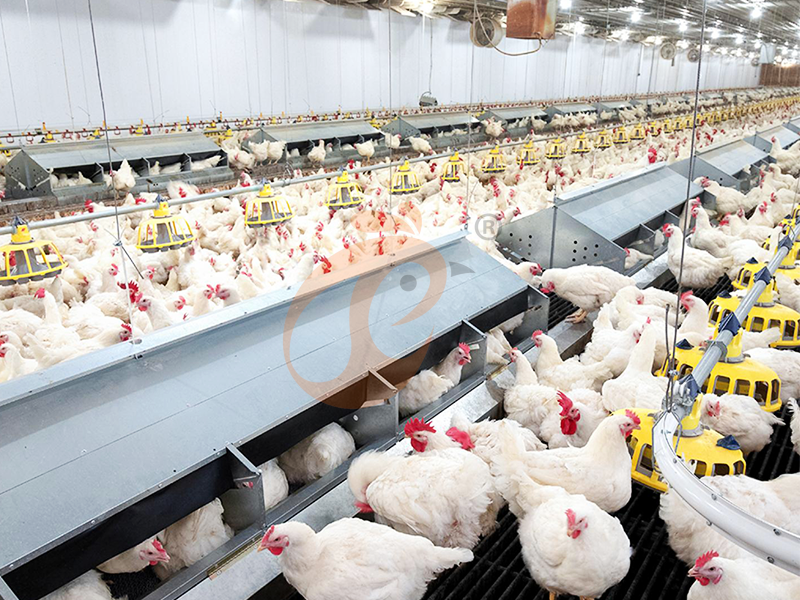
Modern poultry farms focus on automation, biosecurity, and space efficiency
Farms can raise 30,000–100,000 birds per cycle with proper management
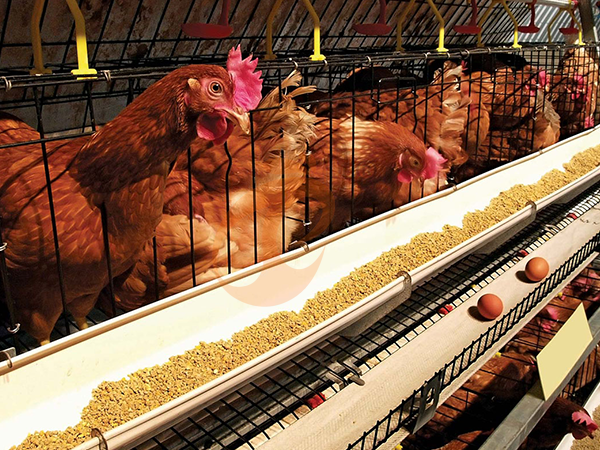
Layers produce 280–300 eggs per hen annually, reaching peak production at 20 weeks
Broilers reach market weight of 2.5 kg in 42–49 days
Automation reduces labor and improves egg quality
A modern poultry farm requires careful planning for housing, ventilation, and waste management.
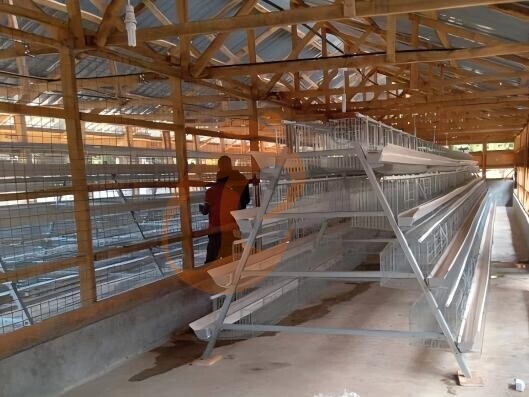
Houses are typically 100–120 m long and 12–15 m wide for commercial layers, accommodating 20,000–40,000 birds.
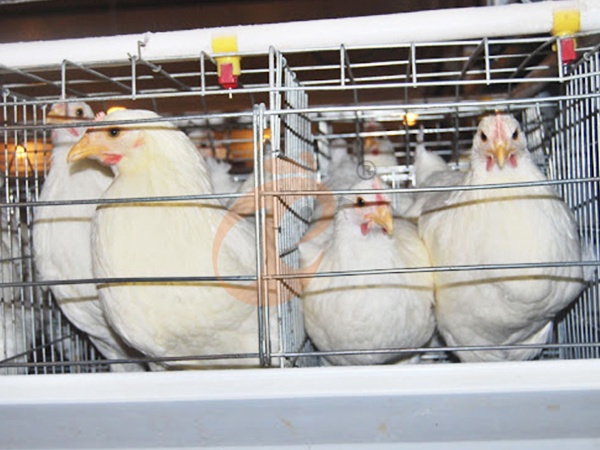
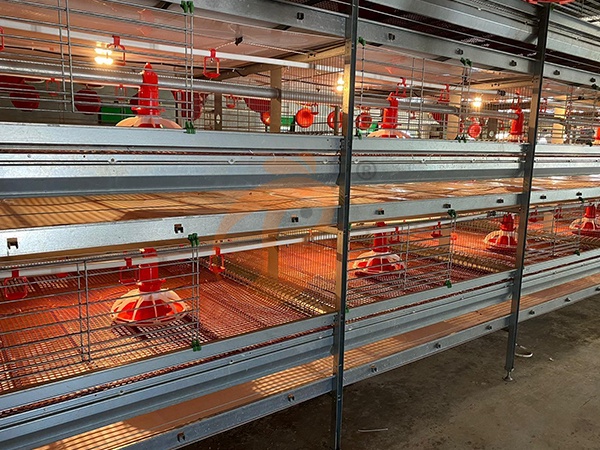
Layer cages use H-type or A-type designs with 3–5 tiers.
Broilers often use floor systems with deep litter or semi-automatic cages.
Data is for reference only. Swipe horizontally to view full table.
Layers require 460–510 cm² per bird;
Orientation and spacing improve airflow and light exposure.
Essential Poultry Equipment For Modern Farms
Automation is key to reduce labor and improve efficiency.
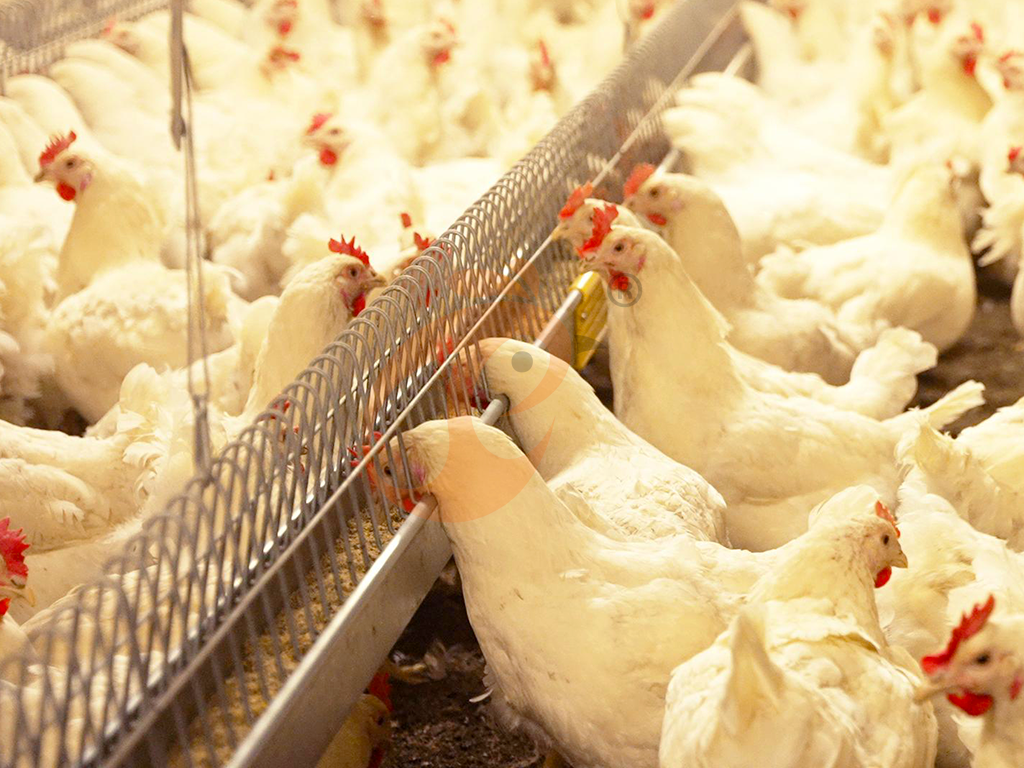
Essential equipment includes feeders, drinkers, lighting systems, heating, ventilation, egg collection, and manure removal.
Data is for reference only. Swipe horizontally to view full table.
Philippines poultry farming uses IoT-enabled feeders and drinkers for remote monitoring.
Smart egg conveyors increase collection efficiency by 25%.
Feeding And Water Management
Feed accounts for 60–70% of production cost.
Layer feed contains 16–18% protein, 3.5–4% calcium, and 2800–3000 kcal/kg metabolizable energy.
Broiler feed starts at 22–24% protein for chicks, decreasing to 18–20% for finishing birds.
Data is for reference only. Swipe horizontally to view full table.
Automated nipple systems reduce contamination and water wastage.
Ventilation And Climate Control
Philippines' tropical climate requires efficient ventilation.
High humidity and temperature reduce feed efficiency and egg production.
Data is for reference only. Swipe horizontally to view full table.
It maintains ammonia below 25 ppm.
Waste Management And Biosecurity
Data is for reference only. Swipe horizontally to view full table.
Smart control adoption reports 10–12% lower mortality.
Growth rate increases by 8% on average.
IoT And Smart Control Systems In Poultry Farms
Philippines poultry farming increasingly integrates IoT and cloud-based smart control.
Sensors track feed consumption, water intake, humidity, temperature, and light.
Real-time data allows predictive maintenance and alerts for abnormal bird behavior.
Google data indicates farms using IoT automation reduce labor by 20%.
Egg production improves by 15%.
Smart ventilation systems maintain stable conditions, reduce disease risk, and improve feed conversion ratios.
Poultry Farm Vaccination And Health Management
Effective vaccination and health management prevent disease outbreaks and improve overall flock performance.
Philippines poultry farming farms implement structured immunization schedules to protect birds from common viral and bacterial diseases.
Data is for reference only. Swipe horizontally to view full table.
Frequently Asked Questions
What is the optimal space per bird for layers and broilers?
Layers need 460–510 cm² per bird.
Broilers require 9–11 birds/m².
How often should water systems be cleaned?
Automated nipple systems should be flushed weekly.
Daily visual checks are recommended.
Can small farms implement IoT automation cost-effectively?
Yes.
Scaled IoT solutions with smart feeders and ventilation improve efficiency even for 10,000–20,000 birds.
HB BEST - One Of China Biggest Poultry Farming Manufacturer
Global presence with customers in over 50 countries worldwide.
Factory-direct pricing ensures cost savings in PHP (Philippine Peso).
Full range of poultry farm equipment: feeders, cages, drinkers, ventilation.
Turnkey poultry farm projects including design, installation, and training.
High-quality, durable equipment with production capacity of 100,000+ birds per cycle.
Contact Us To Received Your Customized Poultry Farm Plan
Headquarters And Branchs

Hong Kong Headquarter Management Team
Hong Kong Headquarter Taiyu Industrial Group CO., LTD
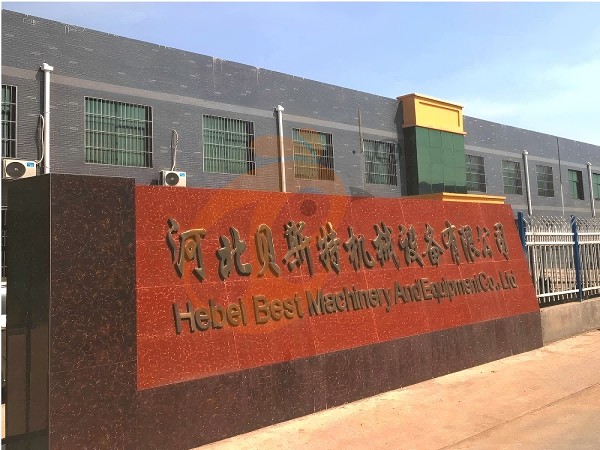
China Hebei Best Machinery And Equipment CO., LTD
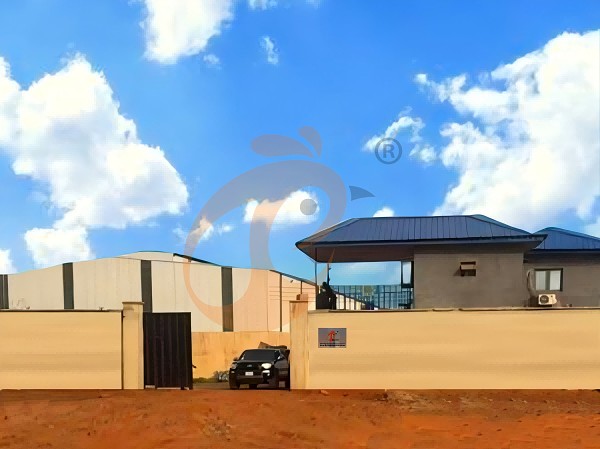
Nigeria Vanke Machinery And Equipment CO., LTD
Tanzania Best Machinery And Equipment CO., LTD
Ethiopia Best Hebei Machinery Manufacturing PLC


Reception /24 WhatsApp NO. : +8618830120193
Share


More
 Pellet Machine Operation | 7 Steps To Maximize Feed Production
- Broiler Chicken Cage Management | 7 Key Tips For Faster Broiler Growth
 Free Range Poultry System Biosecurity | 5 Essential Protection Measures
- Floor Rearing System Ventilation | 5 Essential Design Guidelines
- How To Build A Complete Poultry Equipment aList | 6 Practical Steps
 6 Practical Ways To Improve Feeding In Layer Chicken Cages
- Pellet Machine Installation | 6 Practical Steps For Beginners
- Automated Auxiliary Equipment Installation Tutorial: Common Hot Searches Answered