NEWS
Poultry house systems in 2026 focus on intelligent lighting, stable environments, and predictable production outcomes for commercial farms.
Smart environmental control improves flock consistency, reduces stress, and supports long-term operational planning.
Advanced lighting programs influence growth cycles, laying rhythms, and overall bird welfare under modern housing standards.
Integrated systems help farms lower energy consumption while improving productivity through precise automation and data feedback.
Get professional poultry farm construction guidance, equipment selection solutions, and the latest price lists.
Please contact us, whatsApp to +8618830120193, click to learn more:
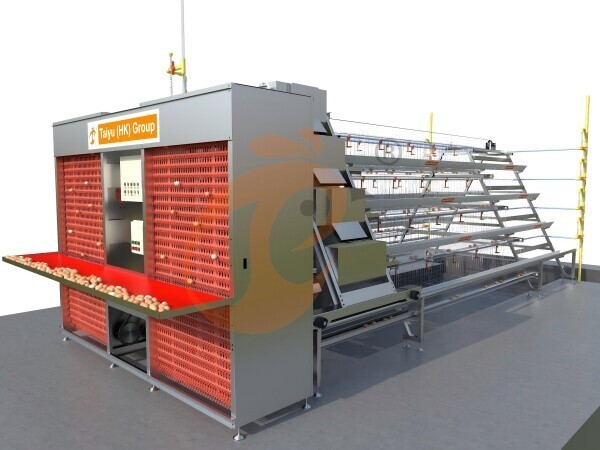
Hot Sale Poultry Farm Equipment
Global Poultry Industry Development Outlook
Global poultry production continues to grow steadily as poultry remains one of the most cost-efficient animal protein sources worldwide.
Modern poultry house infrastructure now plays a decisive role in stabilizing output while controlling feed, energy, and labor costs under intensive farming conditions.
By 2026, over 60% of newly constructed commercial farms are expected to adopt automated environmental control systems as standard.
Smart housing solutions reduce reliance on skilled labor by automating daily environmental adjustments.
As labor availability declines across agricultural regions, fully controlled poultry house environments have become essential infrastructure for scalable, efficient, and profitable poultry production.
Smart Lighting Market Expansion Trends
Data is for reference only.Swipe horizontally to view full table.
All currency values are in USD (EU standard for reference only)
The poultry house lighting segment continues to expand faster than traditional agricultural lighting due to proven gains in productivity, energy efficiency, and system lifespan.
Why Lighting Design Matters In Poultry Production
Lighting directly affects bird behavior, feed intake, immune response, and egg-laying performance.
In a modern poultry house, lighting is treated as a biological management tool rather than a basic utility.
Controlled light spectrum and intensity influence growth phases and laying stability, while gradual dimming reduces stress-related losses.
Precise lighting schedules improve flock uniformity, supporting stable production planning and market supply.
Lighting Parameters And Biological Impact
Data is for reference only.Swipe horizontally to view full table.
These parameters are widely applied in high-density poultry house projects focused on output consistency and bird welfare.
Energy Efficiency And Cost Control Benefits
Energy represents one of the largest operating costs in poultry farming.
Smart lighting systems significantly reduce electricity consumption compared with traditional lighting solutions.
Led-based poultry house lighting consumes up to 60% less power while offering operational lifespans exceeding 50,000 hours.
Medium-scale farms typically achieve annual lighting energy savings of 18,000–25,000 USD (EU standard for reference only), with additional indirect savings from reduced cooling demand.
Lighting System Cost Comparison
Data is for reference only.Swipe horizontally to view full table.
Environmental Control Integration Inside Poultry House
Modern poultry house layouts integrate lighting with temperature, humidity, airflow, and gas concentration control.
Sensors collect real-time data and automatically adjust equipment to maintain optimal conditions throughout production cycles.
Maintaining ammonia levels below 25 ppm and carbon dioxide below 2,500 ppm reduces respiratory stress and improves feed conversion.
Automated systems respond faster than manual adjustments, minimizing losses during sudden environmental fluctuations.
IoT And Intelligent Control Systems In Poultry Farming
IoT-based platforms are increasingly adopted in large-scale poultry house operations.
Industry data shows that farms using sensor-driven control systems improve feed efficiency by 5–8% while reducing labor input by over 30%.
Sensors continuously monitor temperature, humidity, light intensity, water consumption, and gas levels.
Intelligent controllers trigger alarms and automatic corrections, enabling centralized management across multiple farms.
Regional Adoption Patterns And Investment Focus
Data is for reference only.Swipe horizontally to view full table.
Investment in smart poultry house projects continues to rise as producers prioritize automation and climate resilience.
Production Performance Improvements
Data is for reference only.Swipe horizontally to view full table.
These improvements deliver cumulative financial benefits over successive production cycles.
Common Application Scenarios
Smart poultry house systems are widely applied in:
Commercial broiler production
Large-scale layer operations
Integrated poultry farm equipment projects
Turnkey poultry cage installations
Flexible configurations allow customization for different climates, bird types, and investment scales.
Frequently Asked Questions
Q1: Is smart lighting suitable for both broilers and layers
Yes. Lighting programs can be independently configured for broiler growth or layer production using the same control architecture.
Q2: How long does it take to recover investment cost
Most farms achieve full return on investment within 18–30 months through energy savings and improved productivity.
Q3: Can existing farms upgrade without rebuilding
Yes. Smart lighting and control systems are commonly retrofitted into existing poultry house structures.
HB BEST - One Of China Biggest Poultry House Manufacturer
Serving poultry farms worldwide across more than 60 countries
Factory direct supply with standardized large-scale manufacturing
Integrated solutions covering poultry farm equipment, poultry cage, and control systems
Turnkey engineering services including design, installation, and technical training
Proven production data supporting high-capacity commercial poultry house projects
Contact Us To Received Your Customized Poultry Farm Plan
Headquarters And Branchs
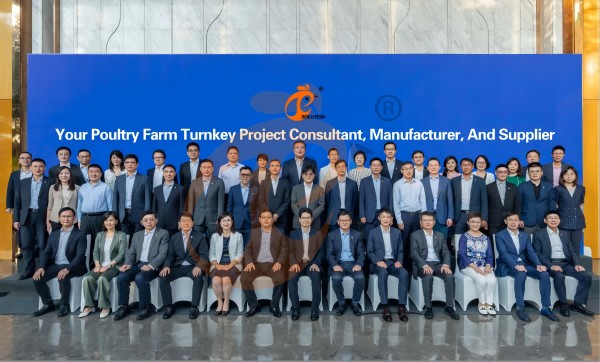
Hong Kong Headquarter Management Team
Hong Kong Headquarter Taiyu Industrial Group CO., LTD
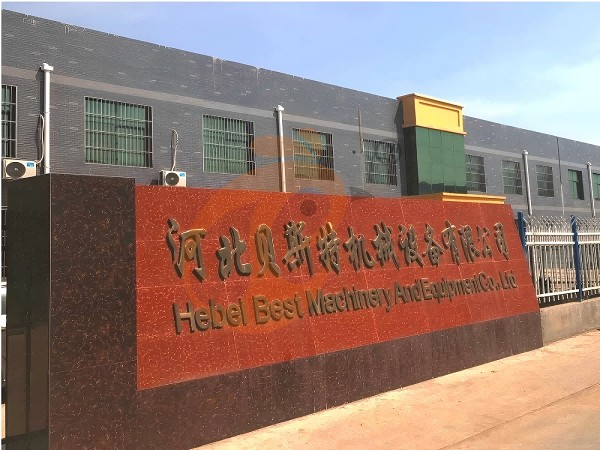
China Hebei Best Machinery And Equipment CO., LTD
Nigeria Vanke Machinery And Equipment CO., LTD
Tanzania Best Machinery And Equipment CO., LTD
Ethiopia Best Hebei Machinery Manufacturing PLC
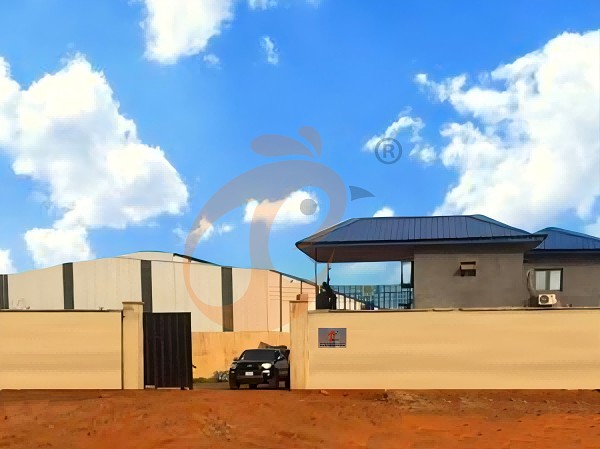
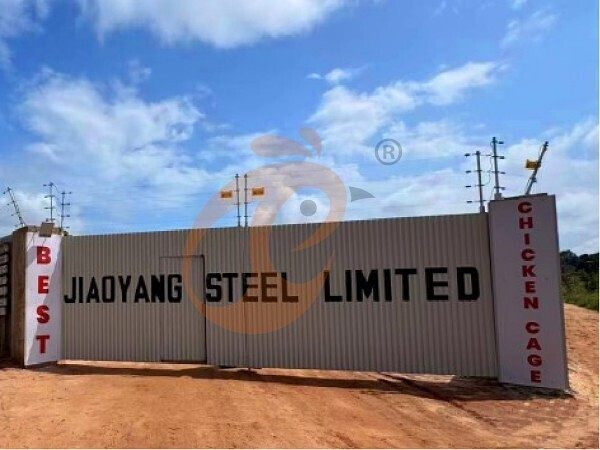

Reception /24 WhatsApp NO. : +8618830120193
Share


More
 5 Steps To Properly Store Pellet Machine Feed Output
- Deep Litter System Maintenance Cost | 6 Long-Term Control Tips
- Is Free Range Poultry Farming Profitable? | 5 Decision Tips
- Floor Rearing System Lighting | 5 Essential Management Guidelines
- How To Improve Efficiency With Poultry Equipment | 6 Practical Methods
- Layer Chicken Cage Flooring | 6 Key Factors Affecting Hen Health
- How To Improve Water Hygiene With Nipple Drinkers | 6 Steps
- 5 Steps To Optimize Pralson Feeder Placement In Chicken Houses