NEWS
A successful 1,000 layer farm design combines smart space planning, affordable equipment, efficient production, and future expansion potential. A well-planned poultry house helps beginners turn limited investment into a productive egg business.
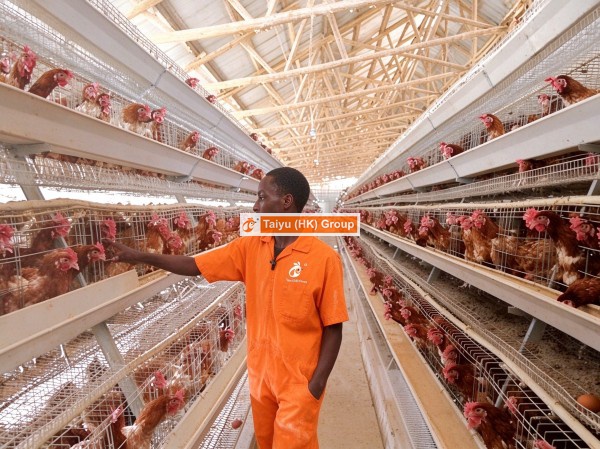
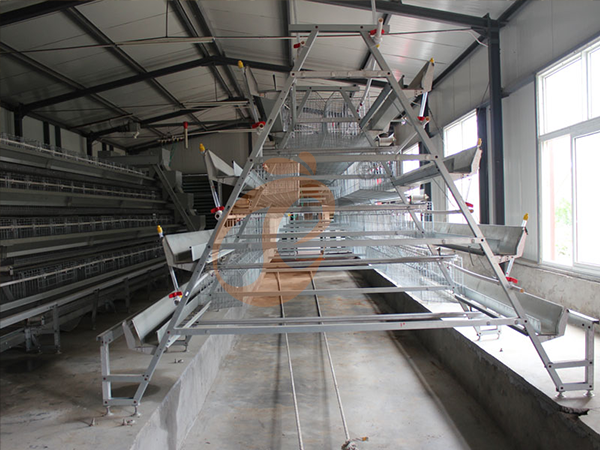
Smart Housing: A 126 m² poultry house accommodates 1,000 hens using 9 sets of 3-tier A-type cages, with 1,080-bird capacity.
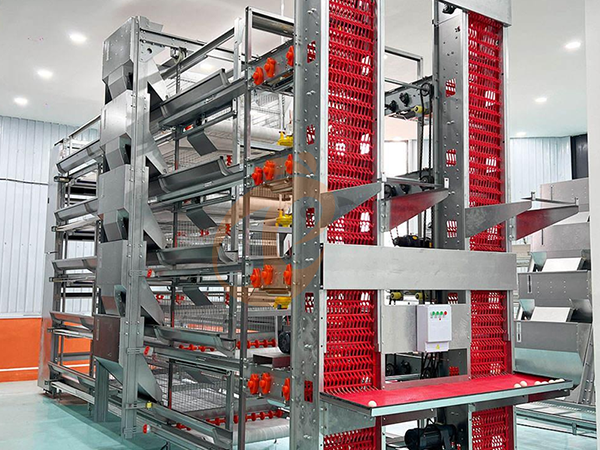
Practical Investment: Semi-automatic equipment simplifies daily feeding, watering, and egg collection while controlling startup costs.
Future Growth: Modular layouts and reserved working space support equipment upgrades and expanding egg production.
1. Is A 1,000-Layer Farm Suitable For A Small Commercial Business?
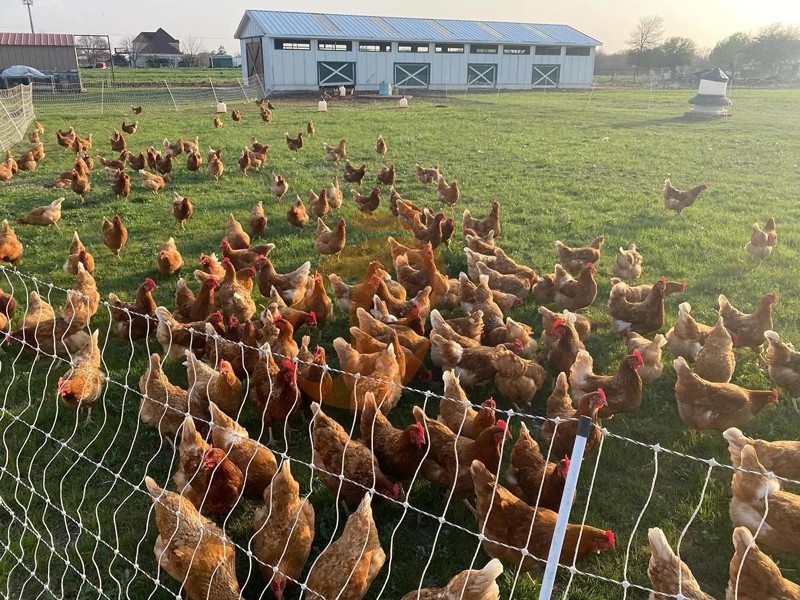
A 1,000-hen farm is a practical starting point for entrepreneurs entering commercial egg production.
At an 85%–95% laying rate, the flock can produce approximately 850–950 eggs daily.
Compared with larger commercial operations, initial investment and daily management requirements are more manageable.
Three housing systems are available:
Illustrative planning areas; actual requirements depend on local regulations and housing standards.
Cage systems offer compact layouts and convenient feeding management.
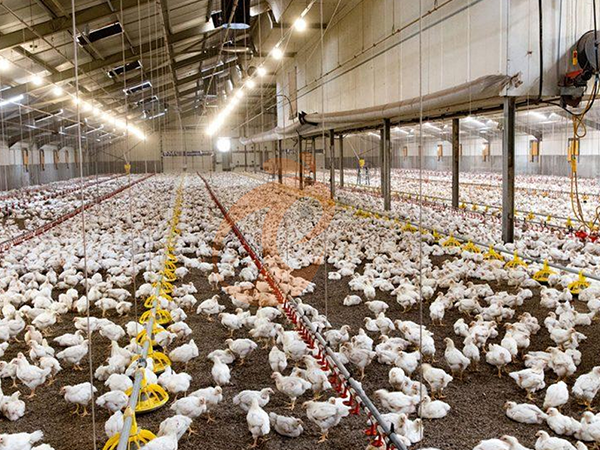
Floor-rearing requires litter, nesting boxes, and perches, while free-range production additionally needs outdoor access, fencing, and weather protection.
For beginners, the appropriate system depends on available land, local welfare requirements, labor costs, and egg market preferences.
Suitable A-Type Layer Cages can help organize a compact commercial housing layout where cage systems are permitted.
Get professional poultry farm construction guidance, equipment selection solutions, and the latest price lists. WhatsApp to +8618830120193.
2. Plan House Size And A-Type Cage Layout
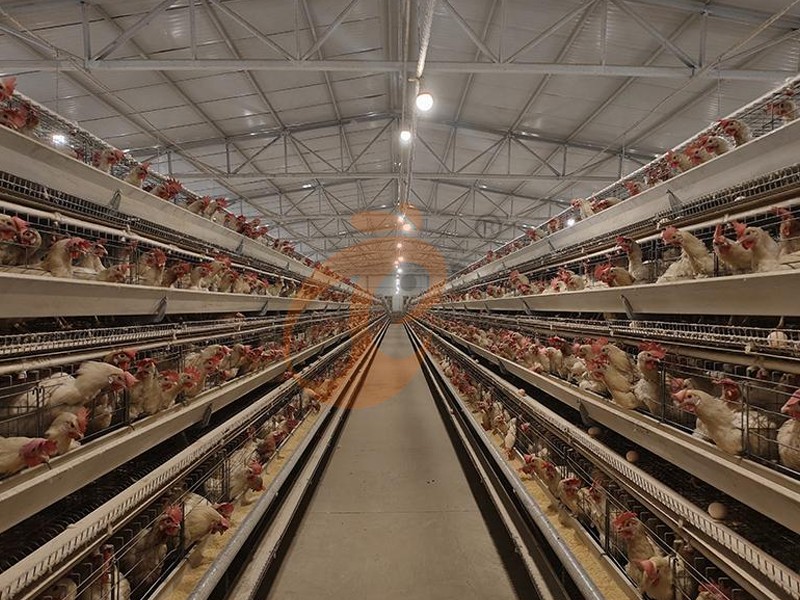
For a 1,000 layer farm design, a preliminary 12 × 15 m poultry house provides 180 m² of building area.
A 3-tier A-type cage system can utilize vertical space while maintaining access for feeding, inspection, and egg collection.
2.1 Calculate Cage Capacity
A practical layout should consider cage dimensions, bird positions, central working aisles, and maintenance clearance.
European Union enriched-cage regulations specify 750 cm² total cage area per hen, including at least 600 cm² usable area, alongside nesting, perching, and litter requirements.
2.2 Compare Housing Requirements
For floor-rearing, provide suitable litter, nesting boxes, and perches.
Free-range housing additionally requires outdoor access and secure fencing.
Each system needs appropriate ventilation and biosecurity arrangements.
For a small commercial farm with 1,000 hens, the 3-tier, 2-row semi-automatic A-type cage configuration offers a compact housing solution where permitted by local regulations.
3. Choose Essential Equipment: Start With Practical Automation
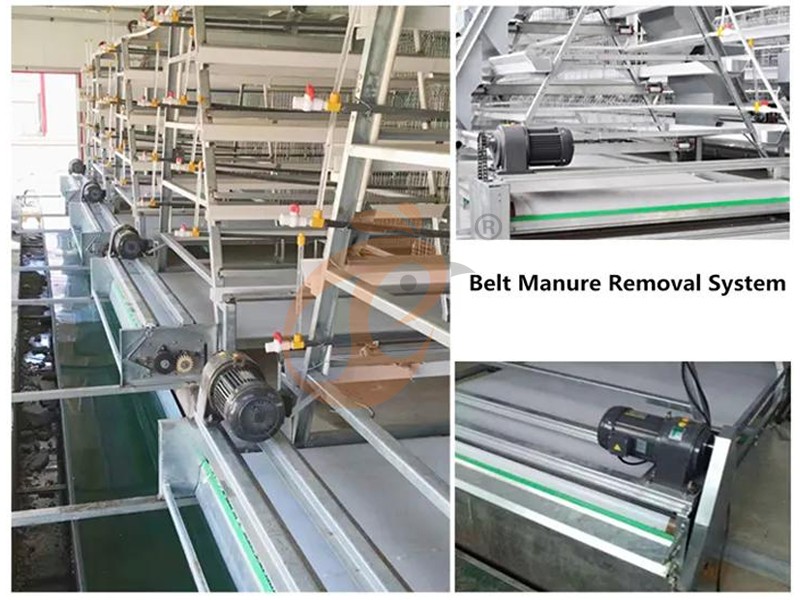
A 1,000-hen farm does not need a complete automated production line.
Beginners should prioritize essential equipment and introduce automation only when labor savings justify the additional investment.
3.1 Essential Equipment Configuration
Fan quantities and equipment capacities require engineering calculations based on climate and house dimensions.
3.2 Manual VS Semi-Automatic Equipment
At approximately 850–950 eggs daily, manual collection can be manageable depending on labor availability.
Manual feeding and cleaning may also reduce initial equipment expenditure.
For most beginners, basic or semi-automatic equipment offers a more balanced approach than purchasing an expensive integrated production line.
A modular Taiyu Group (HK) A-Type Layer Cage System can also be considered when selecting equipment with future upgrade compatibility.
Need a customized 1,000-bird poultry project?
Get professional construction guidance, equipment recommendations, and updated price lists. WhatsApp to +8618830120193.
4. Arrange Feed Storage, Egg Handling And Manure Management
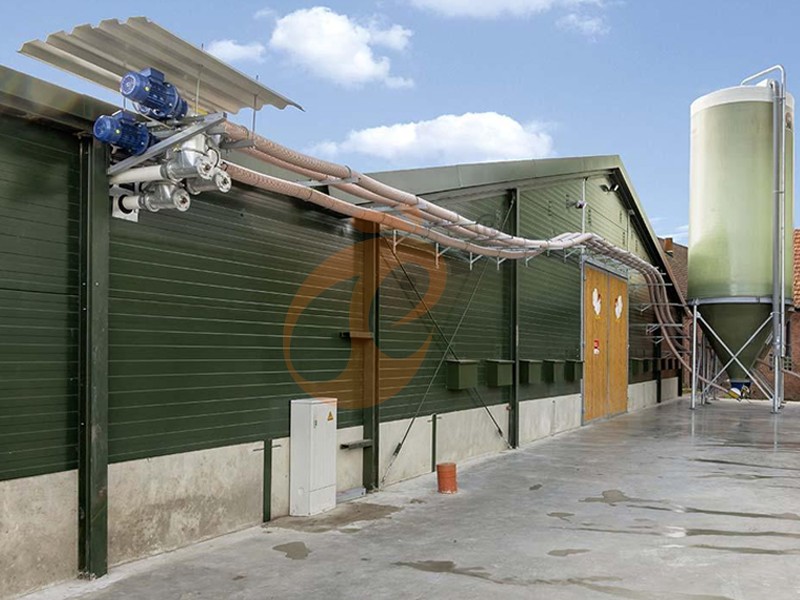
Supporting facilities should separate clean and dirty operating areas.
A small commercial project can initially allocate 15–25 m² for feed handling and 15–20 m² for egg sorting and packaging.
4.1 Egg Collection And Packaging
An output of 850–950 eggs daily requires clean collection trays, suitable packaging, and dry storage.
Manual grading can be sufficient during the initial production stage.
4.2 Manure Management
Allocate approximately 15–30 m² for covered temporary manure storage.
Composting and agricultural reuse may create additional value when local environmental regulations permit.
5. Estimate Startup Costs
A realistic budget should include construction, equipment, pullets, feed inventory, and labor reserves.
The following figures are illustrative estimates for a 1,000-
bird project.
All monetary estimates are in USD.
European union standard reference only.
Data is for reference only.Swipe horizontally to view full table.
Feed estimates cover approximately 30 days at 105–120 kg daily.
Actual costs vary by country, construction materials, equipment configuration, and bird prices.
The proposed poultry house measures 8.4 × 15 m, providing 126 m² of building area.
Construction and equipment costs should therefore be recalculated according to the actual building specifications and supplier quotations.
6. Prepare For Future Expansion
Even when starting with 1,000 hens, reserve suitable electrical capacity, water connections, equipment access, and additional land.
Modular cage layouts and expandable feeding lines can simplify future upgrades.
6.1 Apply EETA Planning
EETA represents Environment, Equipment, Technology, and Automation in this project-planning framework.
For a 1,000-bird farm, prioritize ventilation, drinking water quality, equipment compatibility, and basic environmental monitoring.
Avoid unnecessary automation before establishing stable production and sales.
A modular Taiyu Group (HK) Layer Farm Equipment System can be evaluated when planning equipment improvements without replacing the entire installation.
Planning your 1,000-layer farm?
Get professional poultry house design guidance, customized equipment solutions, and the latest price lists. WhatsApp to +8618830120193.
7. Frequently Asked Questions
Q1. How much space is needed for 1,000 laying hens?
A preliminary 180 m² cage-house layout is a useful example.
Floor-rearing and free-range systems require different housing and outdoor space calculations.
Q2. Does a 1,000-layer farm need fully automatic equipment?
No.
Basic or semi-automatic feeding, manual egg collection, and essential ventilation are sufficient for many small commercial operations.
Q3. Which housing system is best for beginners?
Cage, floor-rearing, and free-range systems have different investment and management requirements.
Choose according to local regulations, available land, and target egg markets.
8. Taiyu (HK) Group - One Of China's Largest Layer Farm Equipment Manufacturers
Layer farm equipment integrates 3-tier A-type cages with 1,000-bird feeding and drinking configurations.
Factory-direct poultry equipment supports international projects with customized cage and housing specifications.
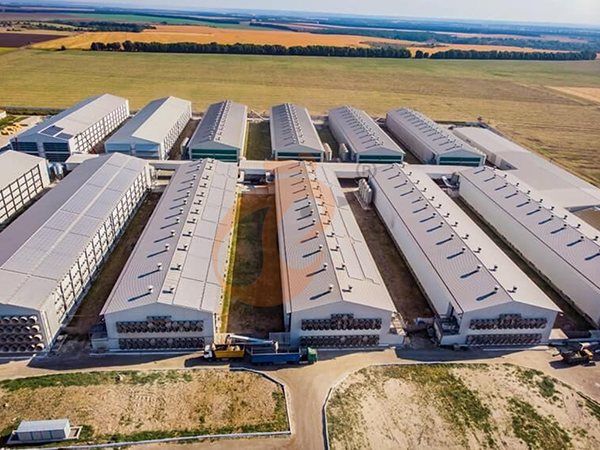
Turn-key engineering coordinates 12 × 15 m poultry houses, ventilation, utilities, and installation.
Customized poultry equipment integrates 2–4 tiers, nipple drinking, egg conveyors, and manure removal.
Technical services include layout design, structural calculations, commissioning, and spare-parts planning.
Contact Us To Received Your Customized Poultry Farm Plan
Headquarters And Branchs

Hong Kong Headquarter Management Team
Hong Kong Headquarter Taiyu Industrial Group CO., LTD
China Hebei Best Machinery And Equipment CO., LTD
Nigeria Vanke Machinery And Equipment CO., LTD
Tanzania Best Machinery And Equipment CO., LTD
Ethiopia Best Hebei Machinery Manufacturing PLC




Reception /24 WhatsApp NO. : +8618830120193
Share


More
 Unmatched Advantage Of Battery Cage Systems In Latin America | Taiyu
- Key Advantages Of Chicken Battery Cage Designs In Africa | Taiyu
 Proven Advantages Of Chicken Cage Systems For Southeast Asia | Taiyu
- Essential Advantage Of Chicken Battery Cages
- Newest Poultry Equipment List And Price Complete Guide For 1,000 To 100,000+ Birds
- Newest Fully Automated Poultry Farm Equipment List And Cost For 1,000–100,000+ Birds
- Top 11 Popular And Different Poultry Farm Equipment For 1,000 To 100,000+ Chickens
- 11 Exact Tips Of Automatic Poultry Equipment Vs Semi-Automatic Poultry Equipment