NEWS
Starting a successful poultry farm requires more than raising chickens. From 1,000 to 100,000 birds, every project needs coordinated housing design, equipment capacity, environmental control, and financial planning. Explore four essential stages to transform your investment into an efficient, scalable poultry business.
1. Production Planning: Compare layer and broiler farming, evaluate local demand, and select a flock size that matches your sales targets and available capital.
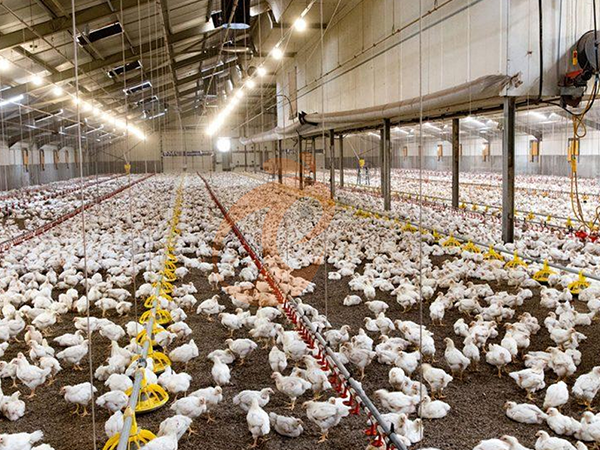
2. Poultry House Engineering: Plan approximately 70–100 m² of broiler floor space per 1,000 birds, with ventilation, drainage, and backup power designed around local climate conditions.
3. Equipment Configuration: Match feeding and drinking lines to flock capacity, maintain 24–48 hours of emergency water storage, and integrate automated controls where practical.
4. Farm Operations: Establish biosecurity procedures, monitor feed conversion and mortality, secure reliable buyers, and expand production based on measurable financial performance.
1. Choosing Between Layer Farming And Broiler Farming
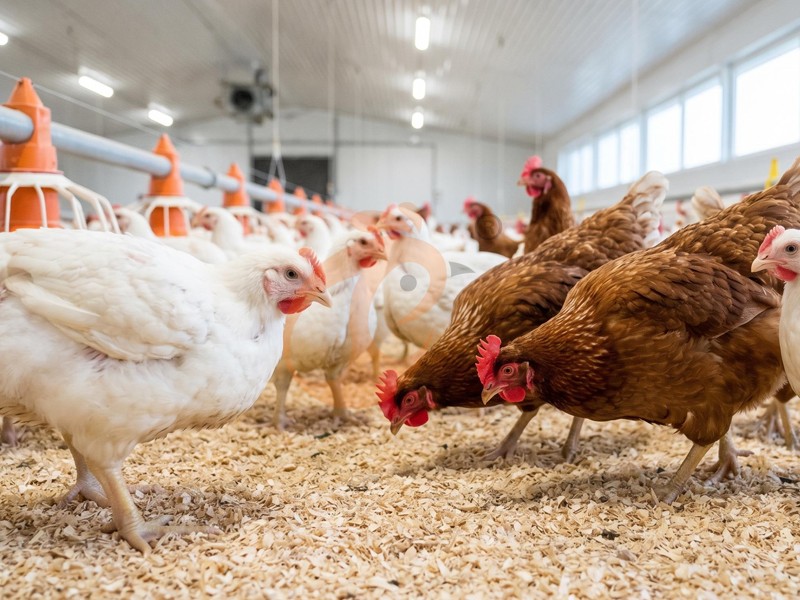
Choosing the right production model determines your investment, daily workload, and revenue cycle.
When evaluating how to start a chicken farm, begin with the products customers actually purchase: fresh eggs, live birds, or processed chicken meat.
1-1. Layer Farming Vs. Broiler Farming
Layer farming: Produces eggs for daily or weekly sales, with revenue beginning after pullets reach laying maturity, typically around 18–22 weeks.
Broiler farming: Produces meat chickens, often reaching market weight in approximately 5–8 weeks, depending on genetics, feed, and market specifications.
Data is for reference only.Swipe horizontally to view full table.
1-2. Match Production To Your Business Goals
Choose layers for recurring egg demand and broilers for faster production cycles.
Both require disciplined feeding, reliable water supplies, and disease prevention.
A suitable range of Poultry Farm Equipment helps beginners configure feeding, drinking, and environmental control systems according to their production goals.
Get professional poultry farm construction guidance, equipment selection solutions, and the latest price lists—WhatsApp +8618830120193.
2. Conducting Market Research For A Successful Chicken Farm

Market research prevents a common mistake: producing more eggs or meat than buyers can absorb.
Before investing, identify competitors, customer preferences, delivery distances, and seasonal price changes.
2-1. Identify Your Target Customers
Potential buyers include supermarkets, restaurants, hotels, food distributors, local retailers, and household consumers.
Ask prospective buyers about:
Required egg sizes, shell colors, packaging, and weekly quantities.
Preferred broiler live weight, processing requirements, and delivery schedules.
Payment terms, food safety standards, and supply agreements.
Data is for reference only.Swipe horizontally to view full table.
These values are illustrative planning targets, not industry averages.
2-2. Validate Demand Before Construction
Interview buyers and request indicative orders.
Compare local competitors' prices with your estimated production costs.
A farm with excellent equipment can still lose money when feed expenses and selling prices do not align.
3. Determining Farm Size And Calculating Startup Costs
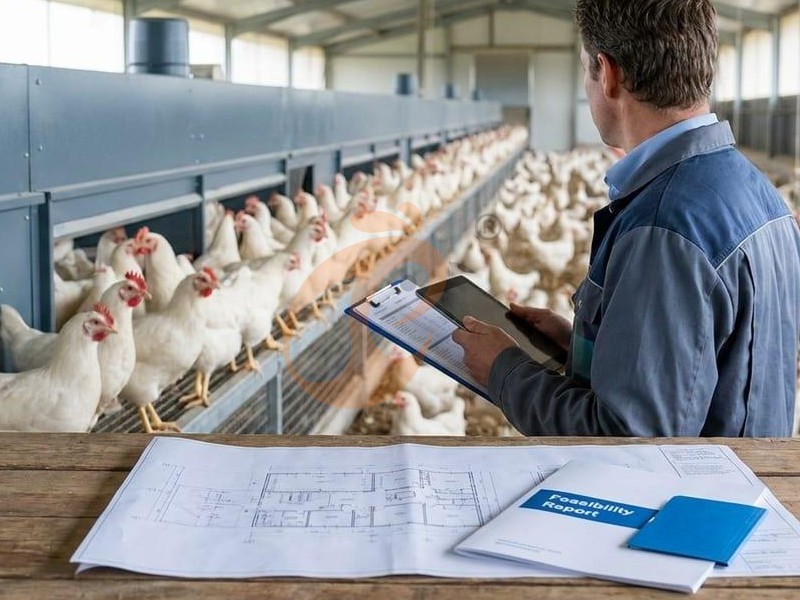
The next step in learning how to start chicken farm operations is preparing a realistic budget.
Include land preparation, buildings, equipment, chicks, feed, labor, utilities, veterinary care, transport, and working capital.
3-1. Estimate Your Initial Investment
Start with a manageable flock size and expand after reviewing the first production results.
For example, a 1,000-bird starter project can help test local demand and operating procedures before a larger commercial investment.
Data is for reference only.Swipe horizontally to view full table.
European union standard reference only.
Figures are illustrative USD planning estimates, not verified quotations or a universal European union cost standard.
Actual prices depend on location, capacity, automation, shipping, taxes, and construction specifications.
3-2. Calculate Operating Costs And Break-Even
Use a spreadsheet to estimate feed consumption, mortality, labor, energy, and expected selling prices.
For example, if monthly operating costs total $6,000 and the contribution margin after variable costs is $0.60 per dozen eggs, the operation needs 10,000 dozen in monthly contribution to cover that cost level.
Calculate break-even using your own cost structure rather than relying on an assumed industry margin.
4. Choosing The Right Location And Designing An Efficient Chicken House
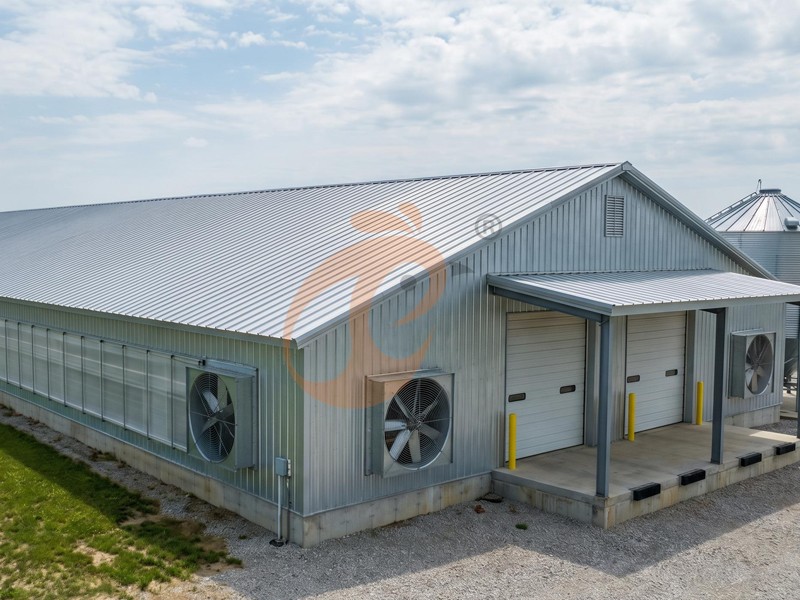
Location affects construction costs, animal health, utility reliability, and access to buyers.
Compare several sites before committing to land or building contracts.
4-1. Evaluate the Site
Check the following conditions:
Access: All-weather roads for feed trucks, chick deliveries, and product collection.
Utilities: Reliable electricity, clean water, and backup power where necessary.
Drainage: Protection against flooding, standing water, and contaminated runoff.
Compliance: Appropriate zoning, environmental permits, manure management, and separation distances required by local authorities.
4-2. Design For Ventilation And Bird Comfort
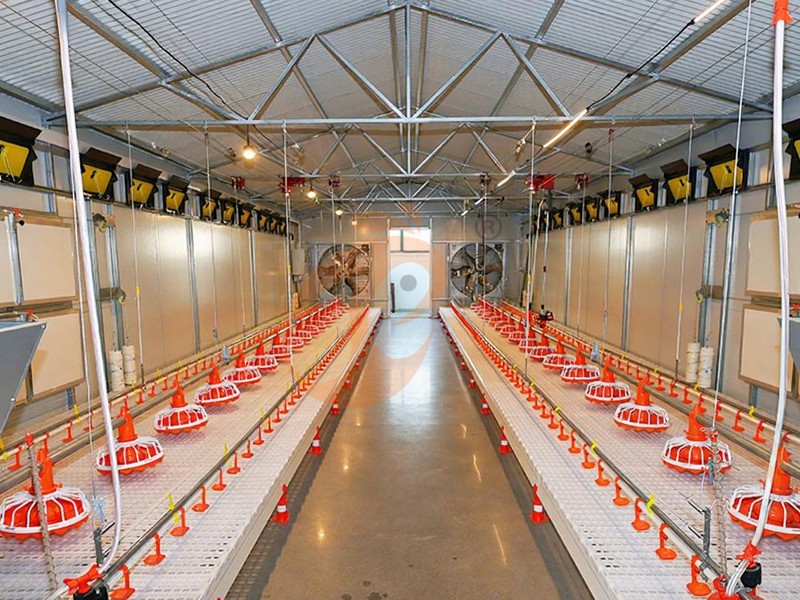
Housing must control temperature, humidity, air movement, lighting, and litter moisture.
Poor ventilation increases heat stress and moisture accumulation, while overcrowding can impair welfare and performance.
Data is for reference only.Swipe horizontally to view full table.
Get expert poultry house construction guidance, equipment selection support, and updated price lists via WhatsApp at +8618830120193.
5. Selecting Poultry Equipment, Purchasing Chicks, And Planning Disease Prevention
Equipment should match the flock size, building dimensions, labor availability, and production model.
Buying machinery before finalizing the house layout can create unnecessary costs and installation problems.
5-1. Select Essential Equipment
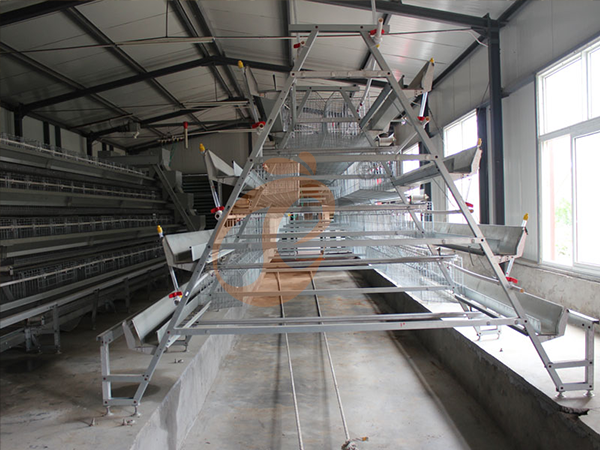
A suitable Poultry Feeding And Drinking Equipment Range can help align equipment capacity with the planned flock.
5-2. Purchase Healthy Chicks
Buy from reputable hatcheries that provide clear information about breed, vaccination, age, and health status.
Check chick activity, uniformity, and delivery conditions.
6. Building Sales Channels And Managing Daily Poultry Farm Operations
Successful production requires consistent operations and dependable buyers.
Even a well-designed farm can underperform when records, labor schedules, and delivery arrangements are poorly managed.
6-1. Build Reliable Sales Channels
Approach wholesalers, restaurants, grocery stores, processors, and local distributors before the first sale.
Consider direct sales for better customer relationships versus wholesale contracts for more predictable volumes.
Data is for reference only.Swipe horizontally to view full table.
6-2. Monitor Daily Performance
Record feed intake, water consumption, mortality, egg production, body weight, and sales.
Review the data daily and investigate sudden changes.
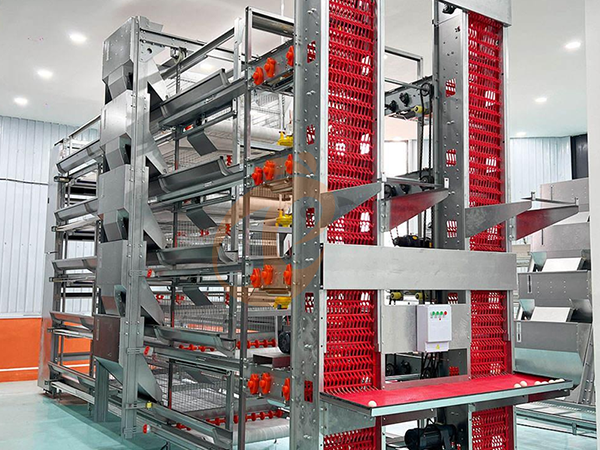
Consider Automatic Egg Collection Equipment when labor costs and flock size justify mechanization.
Integrated systems may improve workflow, but their value depends on installation costs, maintenance, and actual labor savings.
6-3. Scale Only After Reviewing Results
Compare each batch or month against your original budget.
Track feed conversion, mortality, production rate, and net cash flow before adding birds or buildings.
Plan a scalable poultry farm with professional construction guidance, suitable equipment solutions, and current price lists—WhatsApp +8618830120193.
Frequently Asked Questions
Q1: How much money do i need to start a poultry farm?
A small commercial project may require several thousand to tens of thousands of dollars, depending on land, housing, flock size, and automation.
Prepare a detailed capital budget and operating reserve before purchasing chicks.
Q2: How many chickens should a beginner start with?
A pilot flock of 300–500 birds can help beginners develop feeding routines, test sales channels, and evaluate costs.
Actual capacity should match available housing, labor, veterinary support, and confirmed demand.
Q3: What equipment is essential for a commercial chicken farm?
Essential equipment includes feeders, drinkers, ventilation systems, brooding equipment, environmental controls, and suitable storage facilities.
Layer farms may also need nesting and egg collection systems, while broiler farms prioritize climate control and efficient feeding.
Taiyu (HK) Group - One Of China Largest Poultry Equipment Manufacturer
Poultry farm equipment supports 1,000–100,000 birds per farm through coordinated feeding, drinking, and ventilation systems.
Factory-direct poultry equipment integrates 3–12 feeding lines, adjustable drinker lines, and engineered mounting layouts.
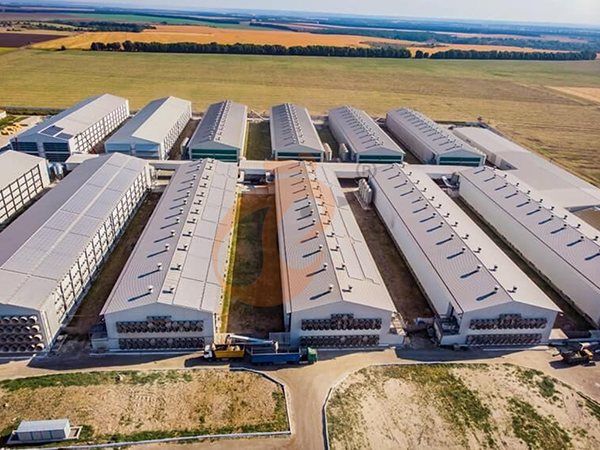
Turn-key poultry farm projects coordinate house dimensions, ventilation capacity, and electrical loads for 2–10-house commercial developments.
Global equipment supply covers broiler and layer farms with automated controls, configurable capacities, and project-specific engineering specifications.
Integrated poultry equipment solutions support farm expansion through modular layouts, installation planning, commissioning, and technical support.
Contact Us To Received Your Customized Poultry Farm Plan
Headquarters And Branchs

Hong Kong Headquarter Management Team
Hong Kong Headquarter Taiyu Industrial Group CO., LTD
China Hebei Best Machinery And Equipment CO., LTD
Nigeria Vanke Machinery And Equipment CO., LTD
Tanzania Best Machinery And Equipment CO., LTD
Ethiopia Best Hebei Machinery Manufacturing PLC




Reception /24 WhatsApp NO. : +8618830120193
Share


More
 Unmatched Advantage Of Battery Cage Systems In Latin America | Taiyu
- Key Advantages Of Chicken Battery Cage Designs In Africa | Taiyu
 Proven Advantages Of Chicken Cage Systems For Southeast Asia | Taiyu
- Essential Advantage Of Chicken Battery Cages
- Newest Poultry Equipment List And Price Complete Guide For 1,000 To 100,000+ Birds
- Newest Fully Automated Poultry Farm Equipment List And Cost For 1,000–100,000+ Birds
- Top 11 Popular And Different Poultry Farm Equipment For 1,000 To 100,000+ Chickens
- 11 Exact Tips Of Automatic Poultry Equipment Vs Semi-Automatic Poultry Equipment