NEWS
Building a profitable poultry business starts with accurate cost forecasting, efficient farm design, and carefully selected equipment.
From a 1,000-bird starter house to a 100,000-bird automated complex, every investment decision shapes production efficiency and long-term returns.
A practical poultry farm startup cost analysis helps investors turn available capital into a scalable operation.
Capacity & Infrastructure: Compare six farm sizes, with housing allowances of 1.2–1.8 sq. ft. per bird and layouts designed around production targets.
Equipment & Automation: Explore galvanized chicken cages, 3–5-tier A-type systems, 4–16-tier H-type configurations, automatic feeding, and manure removal.
1. Factors That Affect Startup Costs
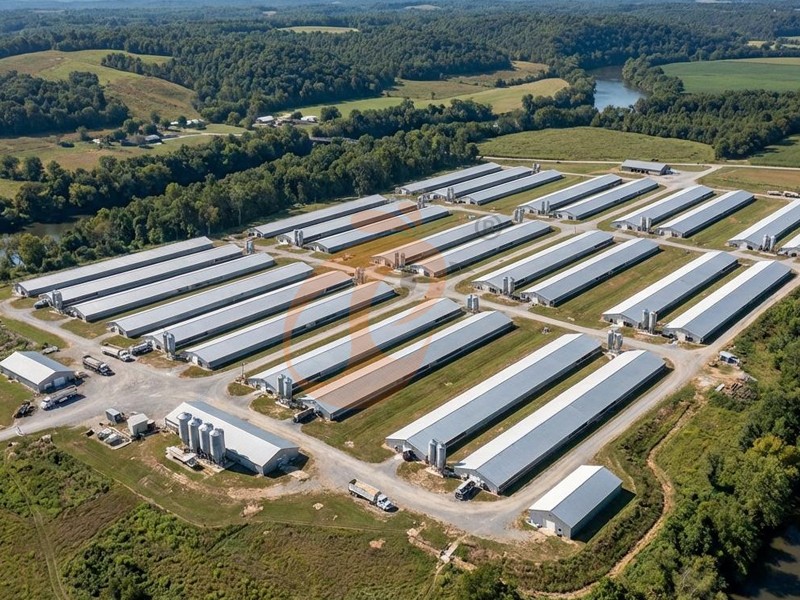
Starting a poultry farm requires investment in land, housing, chickens, equipment, utilities, and working capital.
A 1,000-bird farm with manual equipment costs considerably less than a 100,000-bird automated facility.
The main cost factors include
Farming type broiler farms require floor-rearing equipment, while layer farms need chicken cages and egg collection systems.
Farm capacity larger facilities generally reduce fixed infrastructure costs per bird.
Housing design open-sided buildings cost less than insulated, environmentally controlled poultry houses.
Automation automatic feeding, drinking, and ventilation systems increase initial investment.
Location land prices, construction materials, and electricity tariffs affect the budget.
A detailed poultry farm business plan should identify these technical requirements before purchasing equipment.
Explore Automatic Poultry Feeding Equipment for suitable farm configurations.
Get professional poultry farm construction guidance, equipment selection solutions, and the latest price lists. WhatsApp to +8618830120193.
2. Land And Poultry House Construction Costs
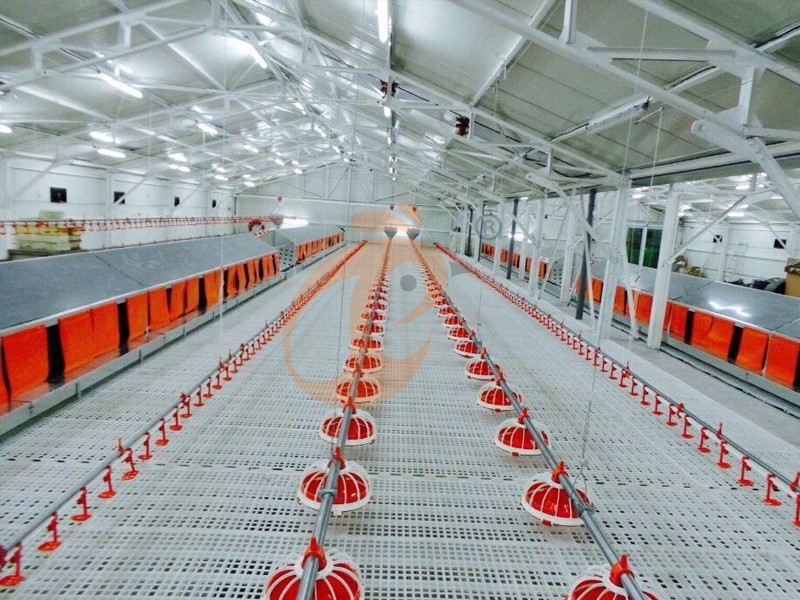
Construction costs depend on building materials, insulation, ventilation, drainage, and local regulations.
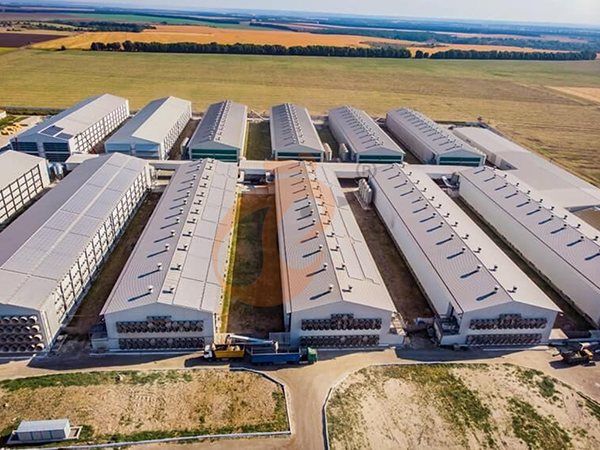
Multiple smaller poultry houses may provide better environmental control than one oversized building.
2.1 Estimated Construction Budget
Data is for reference only.Swipe horizontally to view full table.
Land purchase is excluded. Figures are illustrative construction allowances.
3. Chick Or Pullet Purchase Costs
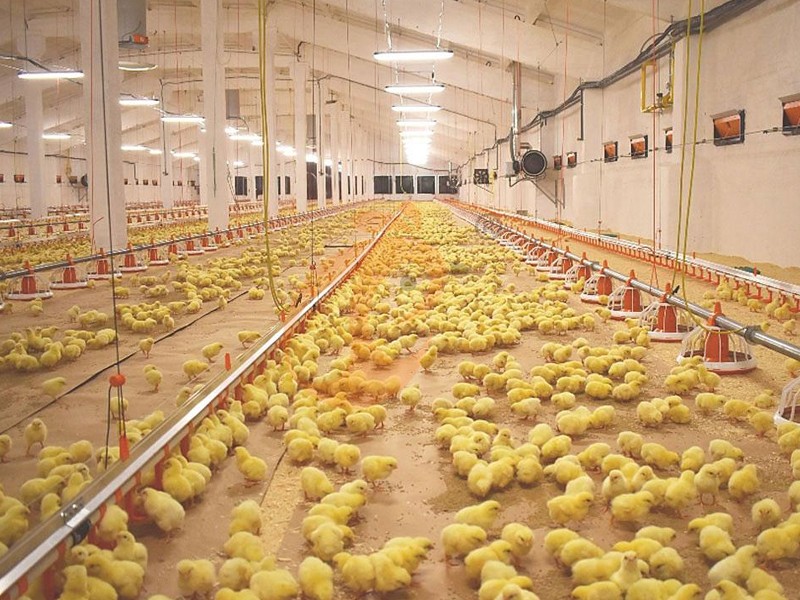
Bird prices depend on breed, age, vaccination, and transportation.
Broiler chicks generally cost less than ready-to-lay pullets because pullets require additional rearing.
3.1 Estimated Bird Purchase Costs
Data is for reference only.Swipe horizontally to view full table.
Include transportation and initial mortality allowances when calculating the purchase quantity.
4. Equipment And Installation Costs
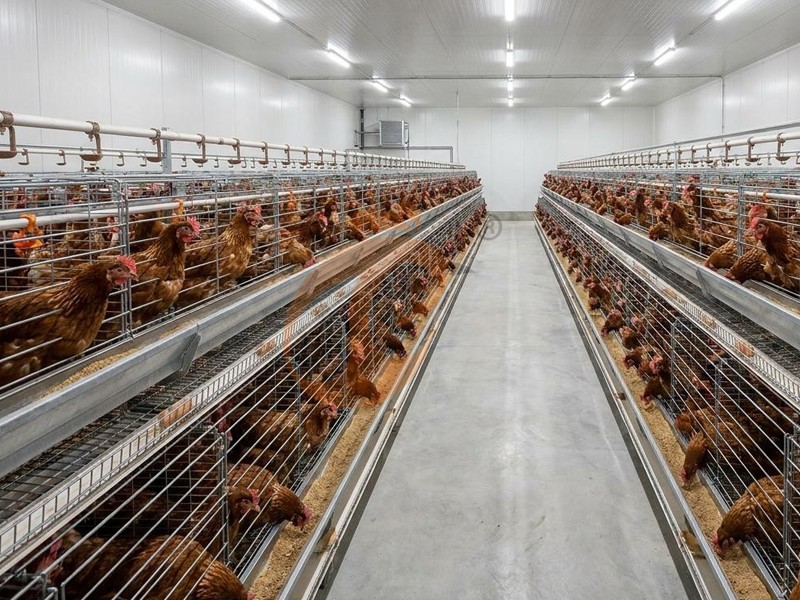
Poultry equipment supports feeding, drinking, ventilation, temperature control, and manure management.
4.1 Chicken Cage Systems
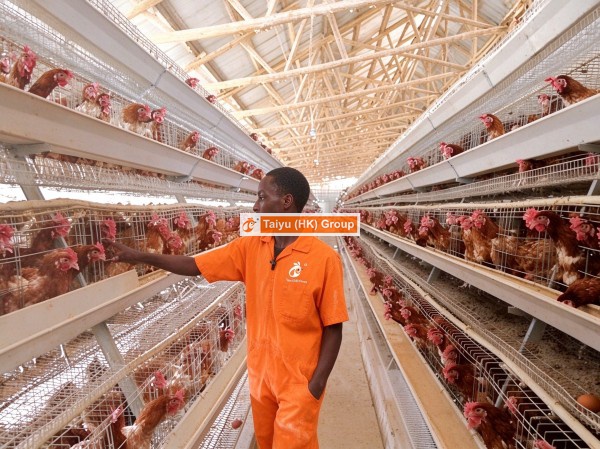
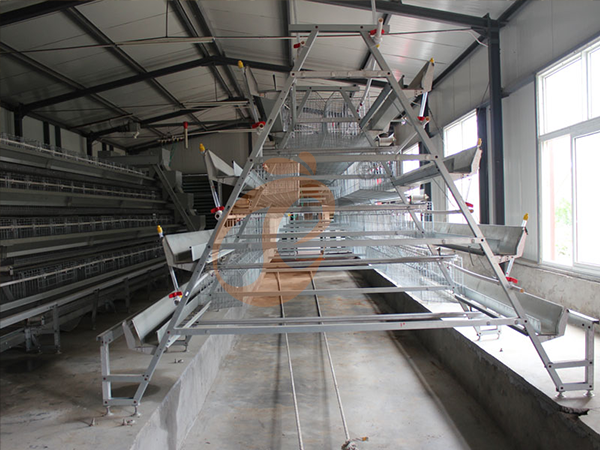
Commercial layer farms commonly use galvanized steel A-type or H-type chicken cage systems:
A-type cages 3–5 tiers, suitable for conventional layer house configurations.
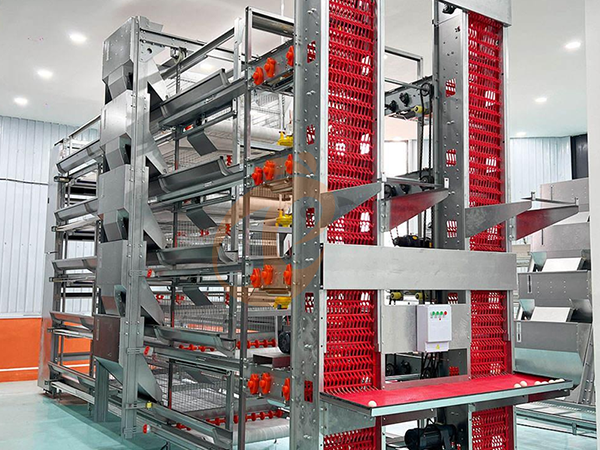
H-type cages 4–16 tiers, suitable for large-scale automated facilities.
Essential components include cage frames, automatic feeding troughs, nipple drinkers, manure removal belts, and egg collection conveyors.
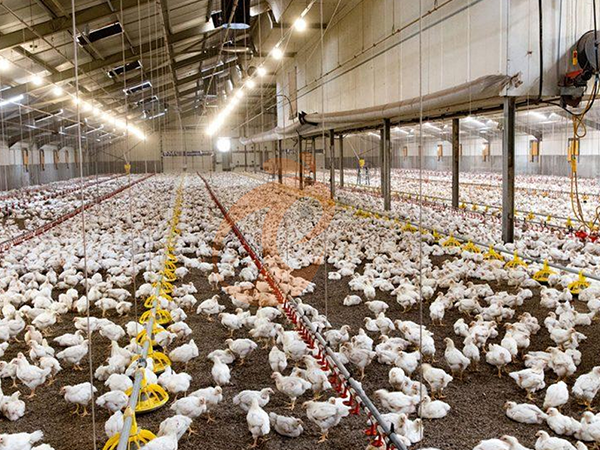
Broiler farms generally use floor-rearing systems with feeders, drinkers, brooders, and litter-management equipment.
4.2 Equipment Cost Estimates
Installation, shipping, and commissioning are additional expenses.
For customized chicken cages, automatic feeding lines, and ventilation systems, Taiyu Group (HK) Poultry Equipment offers equipment configurations for different commercial farm capacities.
Need a customized poultry farming solution?
Get professional construction guidance, equipment selection support, and updated price lists. WhatsApp to +8618830120193.
5.Feed, Labor, Electricity, And Water Costs
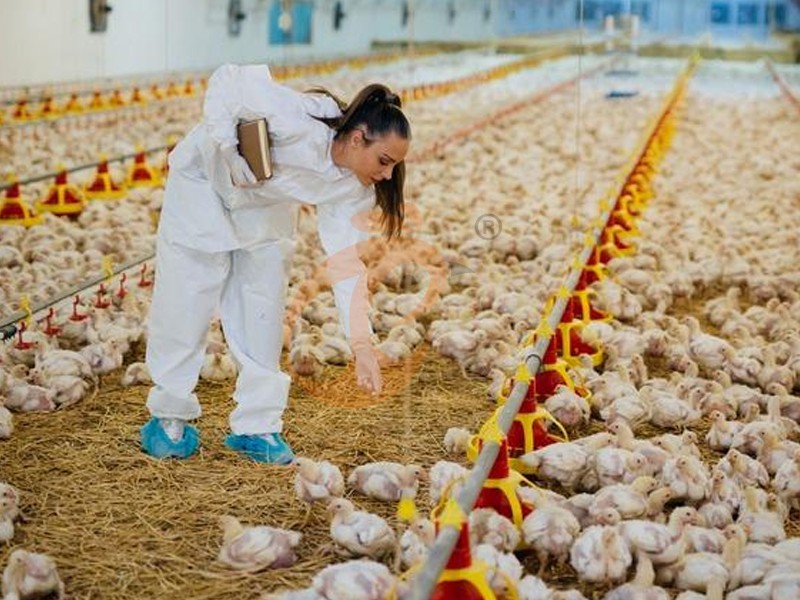
Feed is one of the largest recurring expenses.
Broilers may consume approximately 4.0–5.0 kg of feed per bird during a production cycle, depending on breed and target weight.
5.1 Initial Operating Budget
Data is for reference only.Swipe horizontally to view full table.
Layer farms require separate feed calculations because their production cycles are longer.
6. Veterinary, Biosecurity, And Other Expenses
Disease prevention is essential for protecting flock health.
Initial expenses should include vaccination, veterinary services, disinfection, pest control, and mortality disposal.
6.1 Additional Expense Allowances
Data is for reference only.Swipe horizontally to view full table.
Local veterinary requirements determine the actual budget.
7. Working Capital And Emergency Funds
Working capital covers expenses before the first production cycle is completed.
Reserving 2–3 months of operating expenses helps manage feed price changes, equipment failures, and unexpected veterinary costs.
7.1 Recommended Financial Reserves
Data is for reference only.Swipe horizontally to view full table.
8. How To Estimate Your Total Startup Budget
Calculate total investment by combining construction, equipment, bird purchases, initial operating expenses, and financial reserves.
8.1 Estimated Total Startup Investment
Data is for reference only.Swipe horizontally to view full table.
Illustrative estimates exclude land purchase, financing, processing facilities, and major off-site infrastructure.
For commercial projects involving 30,000–100,000+ birds, Taiyu Group (HK) Automatic Poultry Farming Equipment can be considered when evaluating equipment specifications, transportation, installation, and turn-key engineering requirements.
Get expert poultry farm construction guidance, customized equipment selection solutions, and the latest quotations. WhatsApp to +8618830120193.
Frequently Asked Questions
Q1: How much does a 1,000-bird poultry farm cost?
A1: An estimated $15,000–$33,000 covers basic construction, equipment, birds, and initial operations, excluding land.
Q2: Are broiler farms cheaper than layer farms?
A2: Generally, broiler farms require fewer specialized cage and egg collection systems, while layer farms need additional equipment.
Q3: What is the biggest poultry farm startup expense?
A3: Housing construction and poultry equipment are major fixed investments, while feed is a significant recurring expense.
Taiyu (HK) Group - One Of China Largest Poultry Equipment Manufacturer
Poultry farm equipment integrates galvanized chicken cages, automatic feeding, nipple drinking, and ventilation for 10,000–100,000+ birds.
Global factory-direct poultry equipment supply supports 1,000–100,000+ bird projects with customized 2.5–3.0 mm galvanized steel components.
Turn-key engineering covers farm design, manufacturing, installation, and commissioning for 2–10 poultry houses.
Integrated systems combine automatic feeding, egg collection, and manure removal with customized A-type and H-type cage configurations.
International services provide technical drawings, equipment delivery, and installation guidance for 2–4 production sections.
Contact Us To Received Your Customized Poultry Farm Plan
Headquarters And Branchs

Hong Kong Headquarter Management Team
Hong Kong Headquarter Taiyu Industrial Group CO., LTD
China Hebei Best Machinery And Equipment CO., LTD
Nigeria Vanke Machinery And Equipment CO., LTD
Tanzania Best Machinery And Equipment CO., LTD
Ethiopia Best Hebei Machinery Manufacturing PLC




Reception /24 WhatsApp NO. : +8618830120193
Share


More
 Unmatched Advantage Of Battery Cage Systems In Latin America | Taiyu
- Key Advantages Of Chicken Battery Cage Designs In Africa | Taiyu
 Proven Advantages Of Chicken Cage Systems For Southeast Asia | Taiyu
- Essential Advantage Of Chicken Battery Cages
- Newest Poultry Equipment List And Price Complete Guide For 1,000 To 100,000+ Birds
- Newest Fully Automated Poultry Farm Equipment List And Cost For 1,000–100,000+ Birds
- Top 11 Popular And Different Poultry Farm Equipment For 1,000 To 100,000+ Chickens
- 11 Exact Tips Of Automatic Poultry Equipment Vs Semi-Automatic Poultry Equipment