NEWS
Commercial poultry farming requires strategic planning, suitable housing systems, advanced equipment, and efficient flock management. From small starter farms to 100,000 bird facilities, understanding production models and engineering requirements helps investors build profitable, scalable operations.
1. Production & Investment: Compare layer, broiler, breeder, and hatchery businesses, evaluating production cycles, feed costs, and market opportunities.
2. Housing & Engineering: Explore cage, floor, and aviary systems, including 750 cm² per hen for enriched cages under EU requirements.
3. Management & Expansion: Understand biosecurity, flock performance, and financial planning to develop a scalable commercial poultry farm with reliable poultry farm equipment and integrated engineering solutions.
1. Layer Farming Vs. Broiler Farming
Choosing between layer and broiler farming determines investment, production cycles, and revenue.
For a 1,000–100,000+ bird operation, evaluate local demand, feed costs, and available buyers.
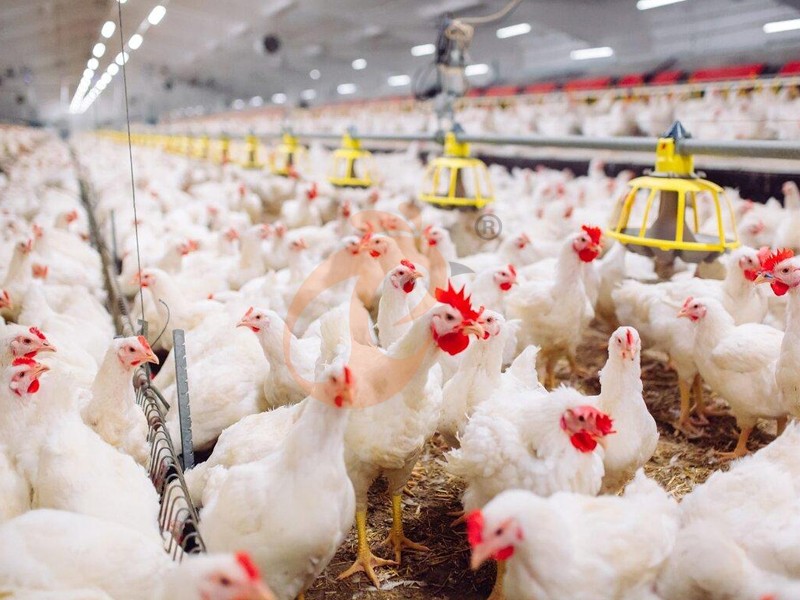
Broiler farming produces meat, with commercial chickens commonly reaching market weight within 35–45 days, depending on genetics and management.
Data is for reference only.Swipe horizontally to view full table.
Layers provide recurring income, whereas broilers offer faster turnover.
Which model suits your investment and local market?
Explore Commercial Layer And Broiler Equipment for integrated farm configurations.
Get professional poultry farm construction guidance, equipment selection solutions, and the latest price lists via WhatsApp at +8618830120193.
2. Breeder Farming And Other Poultry Business Options
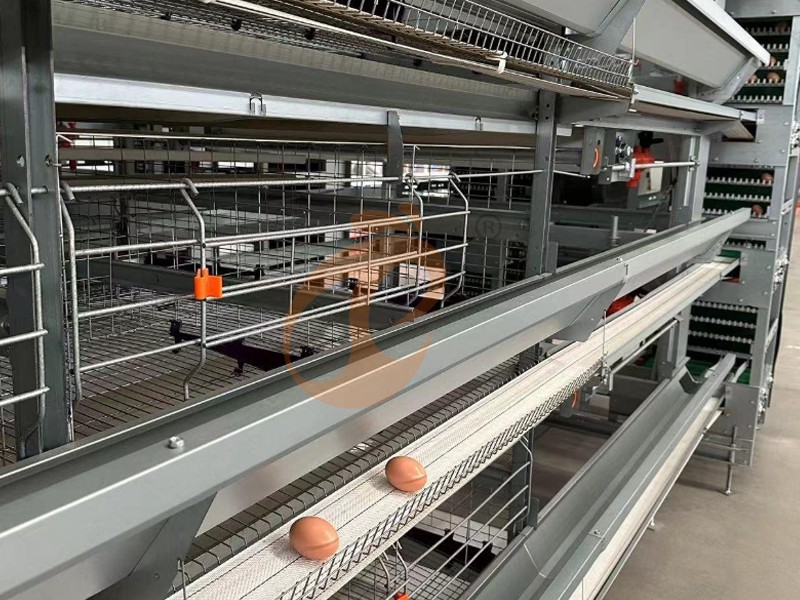
Breeder farms produce fertilized eggs for hatcheries.
A 10,000–40,000-bird operation requires specialized nutrition, mating management, nest boxes, and egg sanitation.
Other opportunities include pullet rearing, hatcheries, and manure processing.
Data is for reference only.Swipe horizontally to view full table.
Beginners should secure reliable buyers before expanding into integrated production.
3. Cage System Vs. Floor System
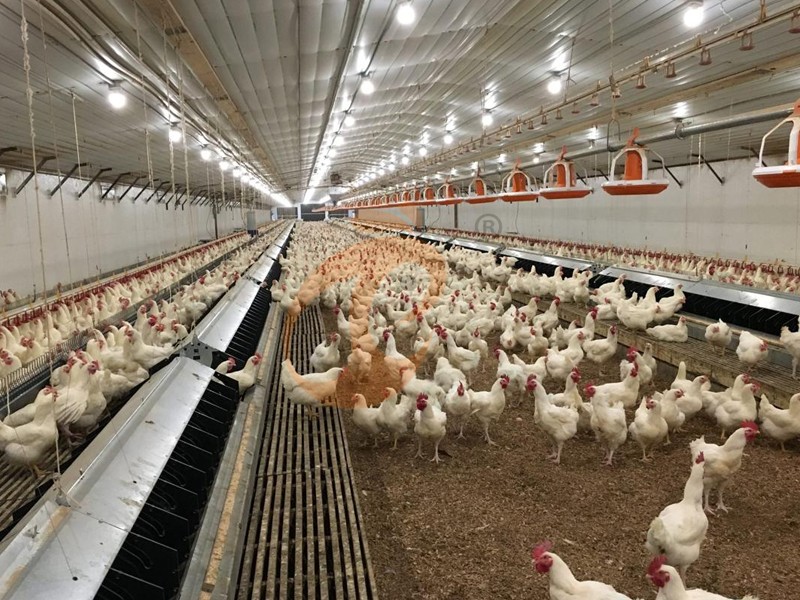
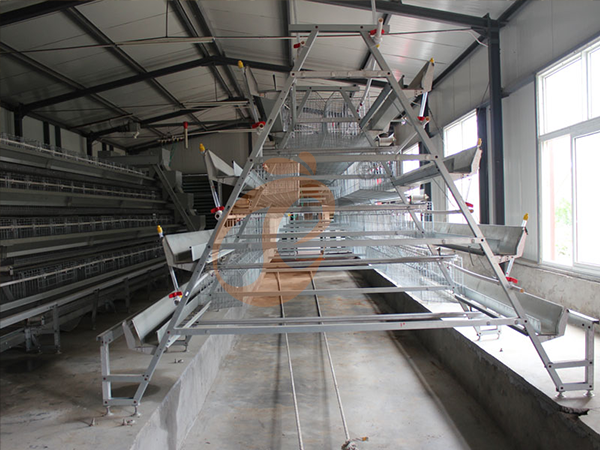
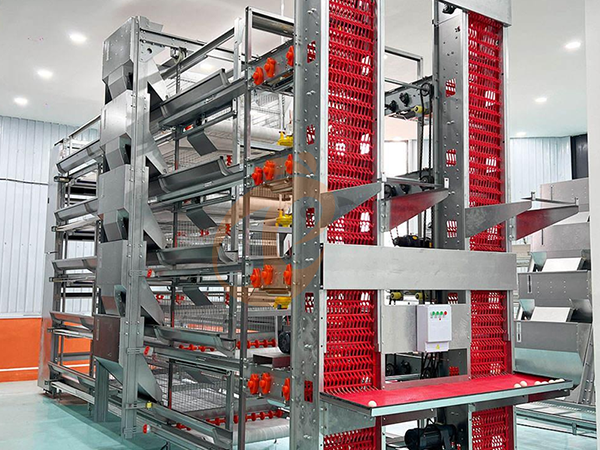
Cage systems integrate feeding troughs, nipple drinkers, manure belts, and egg conveyors.
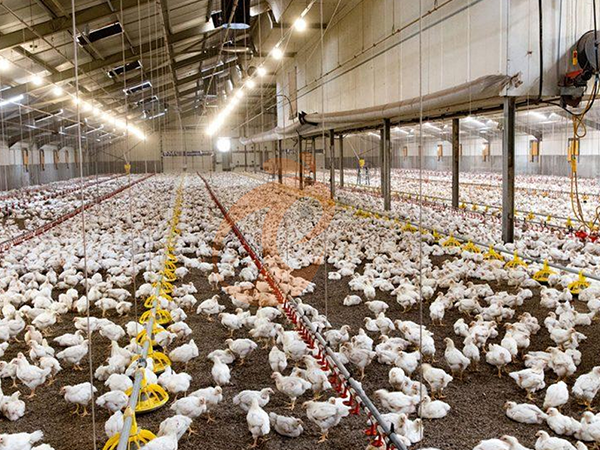
Floor systems provide greater movement through litter areas, nests, and perches.
The European union prohibits conventional battery cages. Its enriched-cage rules require 750 cm² per hen, while alternative systems have a maximum stocking density of 9 hens per m² of usable area.
Local regulations must always guide equipment selection.
Data is for reference only.Swipe horizontally to view full table.
For a 20,000-hen project, compare construction costs, welfare requirements, and retailer expectations.
4. Differences In Housing And Daily Management
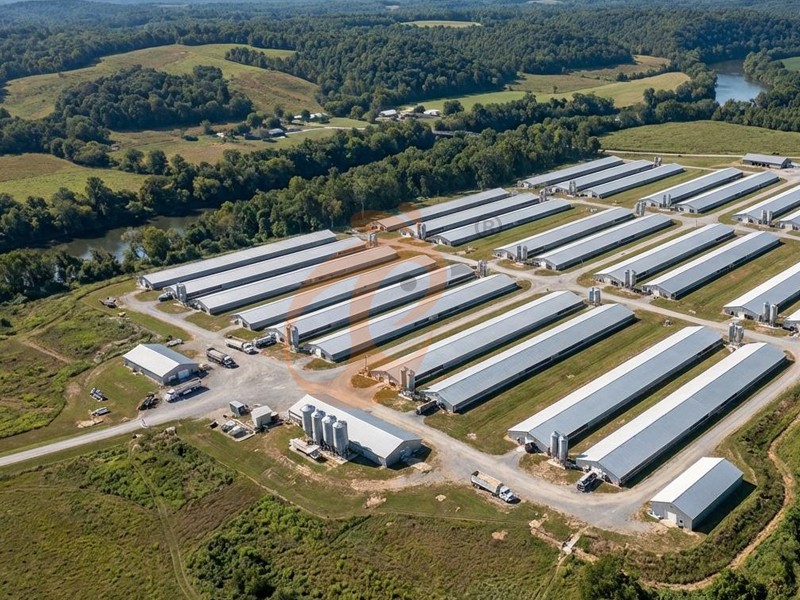
Broiler houses require litter, pan feeders, nipple drinkers, and tunnel ventilation.
Layer buildings additionally need egg collection and manure removal systems.
The eeta approach energy, equipment, technology, and automation helps coordinate farm infrastructure.
Projects managing 30,000–100,000+ birds should consider digital monitoring and backup electricity.
Data is for reference only.Swipe horizontally to view full table.
Daily inspections should cover feed, water, temperature, mortality, and sanitation.
Taiyu Group (HK) Poultry Feeding And Ventilation Equipment supports equipment planning for different commercial housing configurations.
For 10,000–100,000+ bird projects, request professional construction guidance, customized equipment solutions, and updated price lists via WhatsApp at +8618830120193.
5. Production Cycles And Market Requirements
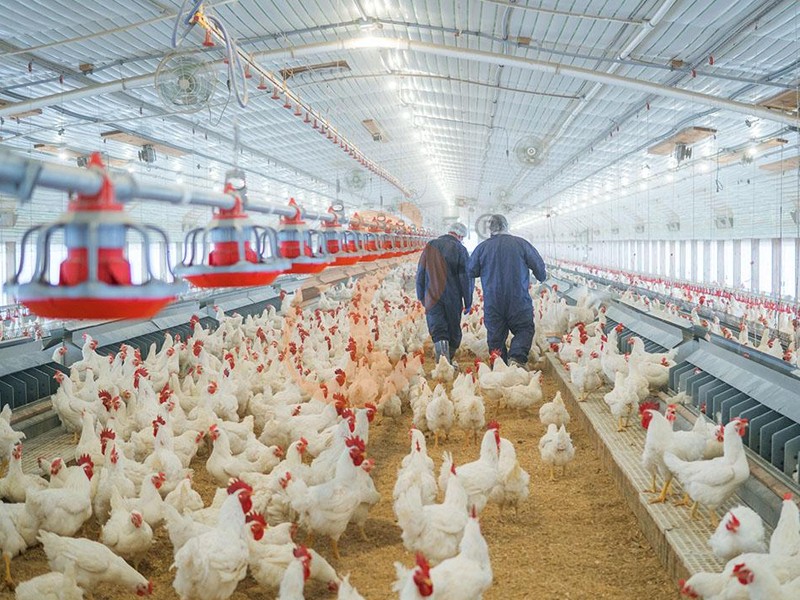
Layers require approximately 16–18 weeks of rearing before production.
Broilers generally complete growing within 35–45 days, followed by cleaning and disinfection before restocking.
Data is for reference only.Swipe horizontally to view full table.
A 40,000-hen farm needs reliable egg grading and packaging, while a 60,000-bird broiler project requires dependable processing and transportation.
Financial planning should include feed, labor, electricity, mortality, and equipment depreciation.
6. How To Choose The Right Farming Model
Poultry farming for beginners requires market research, engineering, and financial planning.
Consider five factors
Market demand for eggs or chicken meat.
Investment capacity and working capital.
Veterinary support and management experience.
Animal welfare and environmental regulations.
Infrastructure for future expansion.
Data is for reference only.Swipe horizontally to view full table.
A 5,000–10,000-bird project offers a practical learning opportunity.
Larger operations need professional engineering, water treatment, backup generators, and biosecurity.
For scalable projects, Taiyu Group (HK) Turn-Key Poultry Equipment provides an equipment reference for commercial farm planning.
Developing a 1,000–100,000+ bird farm?
Get professional construction guidance, customized equipment selection, and the latest quotations via WhatsApp at +8618830120193.
Frequently Asked Questions
Q1: Should beginners choose layers or broilers?
A1: Broilers suit shorter production cycles, while layers provide recurring egg sales.
Q2: Are cages better than floor systems?
A2: Cages simplify egg collection, while floor systems allow greater movement.
Follow local welfare regulations.
Q3: How many birds should beginners start with?
A3: A 1,000–5,000-bird project offers manageable initial experience before commercial expansion.
Taiyu (HK) Group - One Of China Largest Poultry Equipment Manufacturer
Poultry farm equipment supports 1,000–100,000+ birds with automated feeding and ventilation.
Global factory-direct supply serves projects across 100+ international markets.
Turn-key engineering covers planning, manufacturing, installation, and commissioning.
Integrated systems include galvanized cages, egg conveyors, and manure belts.
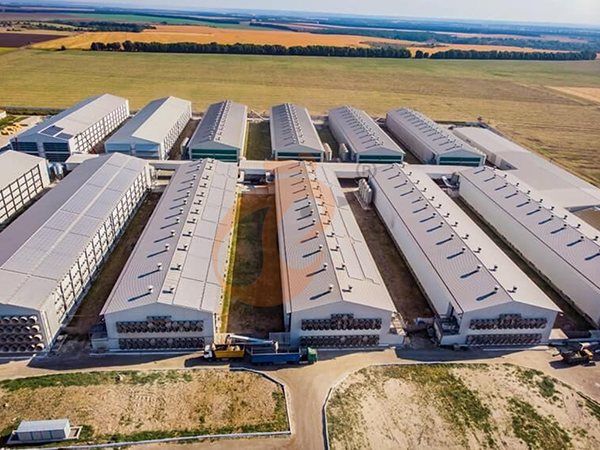
Professional engineering supports multi-house layouts and centralized controls.
Contact Us To Received Your Customized Poultry Farm Plan
Headquarters And Branchs

Hong Kong Headquarter Management Team
Hong Kong Headquarter Taiyu Industrial Group CO., LTD
China Hebei Best Machinery And Equipment CO., LTD
Nigeria Vanke Machinery And Equipment CO., LTD
Tanzania Best Machinery And Equipment CO., LTD
Ethiopia Best Hebei Machinery Manufacturing PLC




Reception /24 WhatsApp NO. : +8618830120193
Share


More
 Unmatched Advantage Of Battery Cage Systems In Latin America | Taiyu
- Key Advantages Of Chicken Battery Cage Designs In Africa | Taiyu
 Proven Advantages Of Chicken Cage Systems For Southeast Asia | Taiyu
- Essential Advantage Of Chicken Battery Cages
- Newest Poultry Equipment List And Price Complete Guide For 1,000 To 100,000+ Birds
- Newest Fully Automated Poultry Farm Equipment List And Cost For 1,000–100,000+ Birds
- Top 11 Popular And Different Poultry Farm Equipment For 1,000 To 100,000+ Chickens
- 11 Exact Tips Of Automatic Poultry Equipment Vs Semi-Automatic Poultry Equipment