NEWS
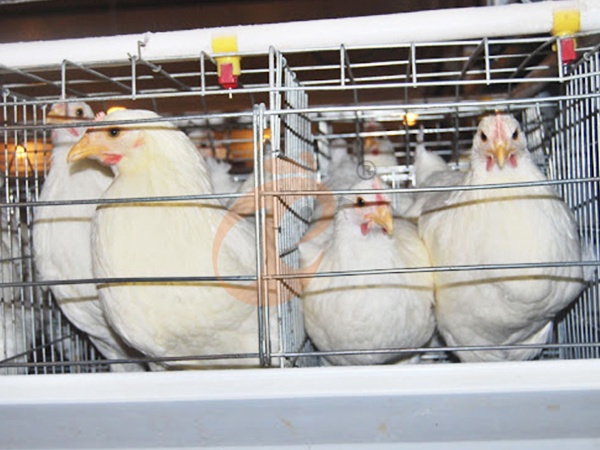
Broiler chicken cages selection depends on material durability, corrosion resistance, and housing density planning.
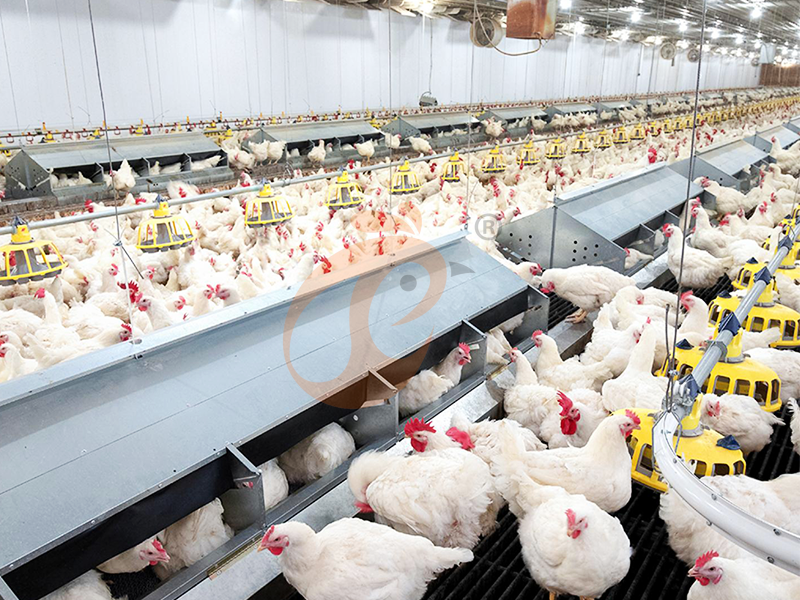
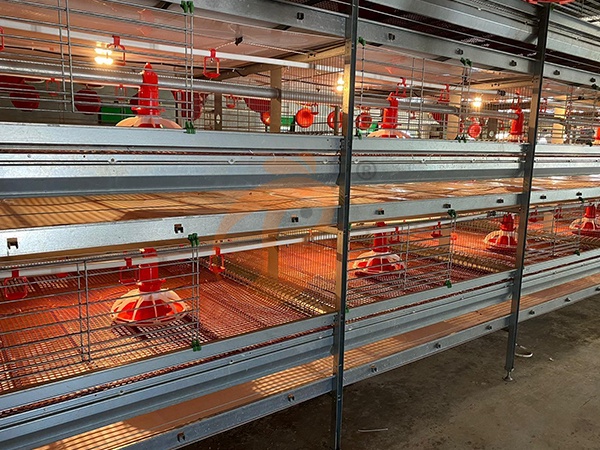
Modern poultry housing integrates automatic feeding, drinking, and manure removal systems for stable production output.
Ventilation performance plays a key role in maintaining thermal balance and reducing stress in broilers.
Investment decisions require evaluation of installation cost, maintenance cycle, and operational lifespan.
This guide explains technical parameters and structured decision steps for commercial poultry operations.
Get professional poultry farm construction guidance, equipment selection solutions, and the latest price lists.
Please contact us, WhatsApp NO. : +8613582487372, click to learn more.
Broiler Cage System Categories And Structural Design
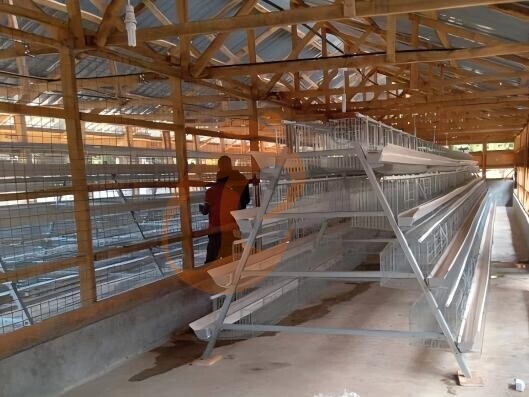
Broiler cage systems vary in structural strength, coating technology, and housing density configuration.
Material selection directly impacts lifespan and maintenance requirements in humid poultry environments.
Data is for reference only.Swipe horizontally to view full table.
These configurations determine structural load distribution, corrosion resistance, and long term deformation stability in intensive poultry housing systems.
Ventilation Engineering In Cage Houses
Ventilation systems regulate ammonia concentration, humidity control, and thermal balance in multi-tier broiler houses.
Airflow design must match stocking density and cage layout geometry.
Data is for reference only.Swipe horizontally to view full table.
Proper airflow design reduces heat accumulation in stacked cage systems and stabilizes feed conversion performance.
Feeding System Configuration
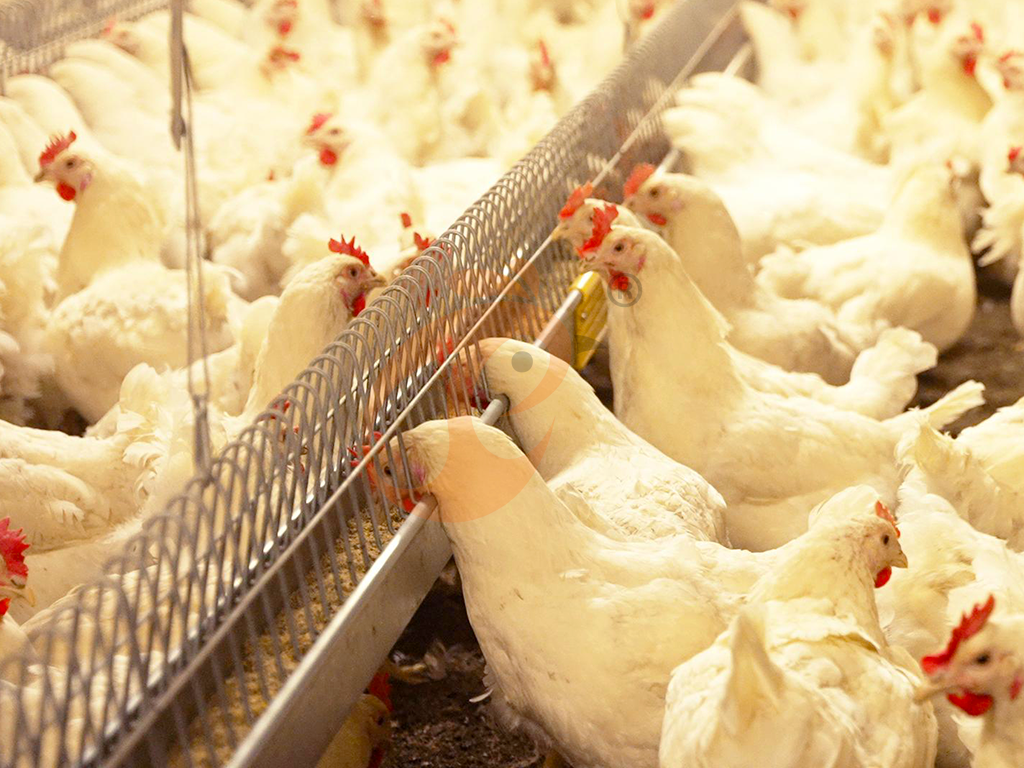
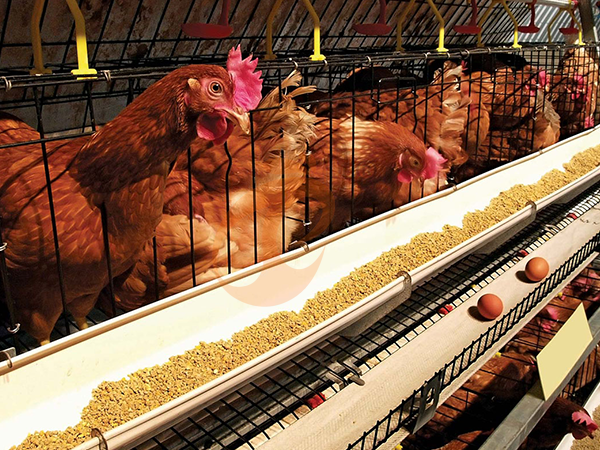
Feed delivery systems must ensure uniform distribution across long poultry houses and multiple cage tiers.
Mechanical precision reduces feed loss and improves growth uniformity.
Data is for reference only.Swipe horizontally to view full table.
Feeding consistency directly affects uniform body weight development and reduces waste accumulation in cage environments.
Drinking System Precision Control
Water system stability is essential for metabolic regulation and digestion efficiency in broiler production cycles.
Data is for reference only.Swipe horizontally to view full table.
Stable hydration systems reduce dehydration risk and support consistent growth rate performance in high density housing.
Scientific Background: Why Cage Design Affects Growth
Broiler growth performance is strongly influenced by environmental stability and controlled movement space.
Scientific studies in poultry physiology show that reduced energy expenditure on movement increases nutrient allocation toward muscle development.
Stable temperature control between 25–33°c supports enzymatic digestion efficiency and immune system balance.
Controlled airflow reduces airborne pathogen concentration and improves respiratory health conditions.
Consistent lighting cycles regulate feeding behavior and metabolic rhythm synchronization.
Modern cage systems improve biosecurity by limiting manure contact exposure and cross contamination risk.
Integrated systems enhance production predictability across multiple growth cycles.
Investment Structure And Cost Distribution
Commercial poultry cage investment includes structural equipment, automation systems, and environmental control units.
Cost distribution varies depending on system complexity and farm scale.
Data is for reference only.Swipe horizontally to view full table.
European union standard reference only
Investment planning must consider lifecycle efficiency rather than initial procurement expenditure alone.
Biosecurity And Disease Control In Cage Systems
Sanitation management reduces microbial load and improves flock health stability in intensive poultry environments.
Data is for reference only.Swipe horizontally to view full table.
Effective sanitation scheduling reduces outbreak probability in high density broiler systems.
Environmental Control Parameters In Cage Houses
Environmental control systems regulate temperature, humidity, and gas concentration for optimized growth conditions.
Data is for reference only.Swipe horizontally to view full table.
Stable environmental parameters improve feed conversion efficiency and reduce mortality risk.
Step By Step Selection Process For Broiler Cages
Proper cage selection requires alignment between housing scale, automation level, and environmental requirements.
Step 1: Determine flock capacity requirements
Step 2: Match cage structure with building geometr
Step 3: Select ventilation system based on heat load analysis
Step 4: Configure feeding and drinking automation level
Step 5: Evaluate maintenance accessibility and sanitation design
Step 6: Calculate lifecycle cost including replacement cycles
Each step ensures system compatibility with production targets and operational efficiency.
Frequently Asked Questions
Q1: What is the ideal stocking density in broiler chicken cages?
A1: Typical density ranges from 10 to 18 birds per cage unit depending on cage model and ventilation capacity.
Higher density requires improved airflow design and precise feeding control.
Q2: How long do broiler chicken cage systems last?
A2: Most galvanized steel systems operate between 15 and 20 years depending on corrosion protection and maintenance frequency.
Stainless alloy structures may extend beyond this range under controlled environments.
Q3: What ventilation capacity is required for large poultry houses?
A3: Industrial systems often require airflow rates between 22000 and 42000 m³/h per fan unit depending on house volume and stocking intensity.
Taiyu (HK) Group - One Of China Toppest Broiler Chicken Cage Manufacturer
Broiler chicken cage systems are engineered for intensive poultry production environments requiring stable structural performance and controlled automation integration.
Industrial projects include cage installation, ventilation matching, and feed line calibration for large scale poultry houses.
Global factory direct supply chain supports standardized poultry equipment manufacturing and modular system assembly.
Turn key engineering solutions cover housing design, installation supervision, and production optimization services.
Poultry equipment integration includes feeding systems, drinking systems, and climate control units for commercial farms.
Contact Us To Received Your Customized Poultry Farm Plan
Headquarters And Branchs

Hong Kong Headquarter Management Team
Hong Kong Headquarter Taiyu Industrial Group CO., LTD
China Hebei Best Machinery And Equipment CO., LTD
Nigeria Vanke Machinery And Equipment CO., LTD
Tanzania Best Machinery And Equipment CO., LTD
Ethiopia Best Hebei Machinery Manufacturing PLC




Reception /24 online WhatsApp NO. : +8613582487372
Share


More
 Pellet Machine Operation | 7 Steps To Maximize Feed Production
- Broiler Chicken Cage Management | 7 Key Tips For Faster Broiler Growth
 Free Range Poultry System Biosecurity | 5 Essential Protection Measures
- Floor Rearing System Ventilation | 5 Essential Design Guidelines
- How To Build A Complete Poultry Equipment aList | 6 Practical Steps
 6 Practical Ways To Improve Feeding In Layer Chicken Cages
- Pellet Machine Installation | 6 Practical Steps For Beginners
- Automated Auxiliary Equipment Installation Tutorial: Common Hot Searches Answered