NEWS
A commercial poultry farm combines housing, feeding, drinking water, climate control, flock health, and product handling into one coordinated production system.
Depending on the business model, a farm may raise broilers for meat or maintain laying hens for egg production, with each operation requiring specialized equipment, production targets, and quality controls.
Understanding how a poultry farm works helps investors evaluate equipment capacity, estimate operating costs, and plan efficient daily workflows.
The following guide explains the main operating stages using practical engineering and management parameters, while recognizing that final specifications depend on bird breed, age, climate, building design, and local regulations.
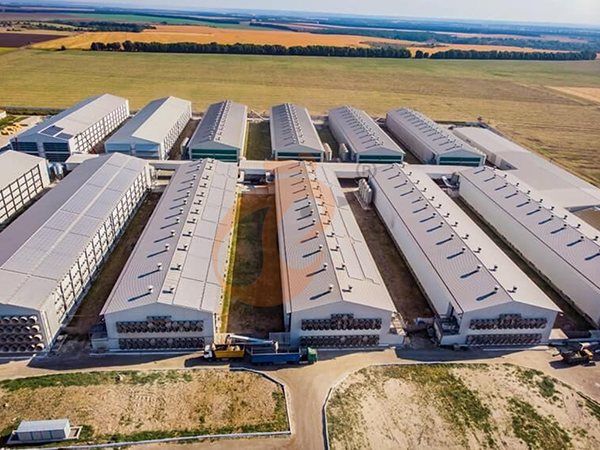
Commercial poultry farms can be designed for capacities ranging from 1,000 to 100,000 birds, depending on project requirements.
1. Poultry House Preparation And Chick Placement
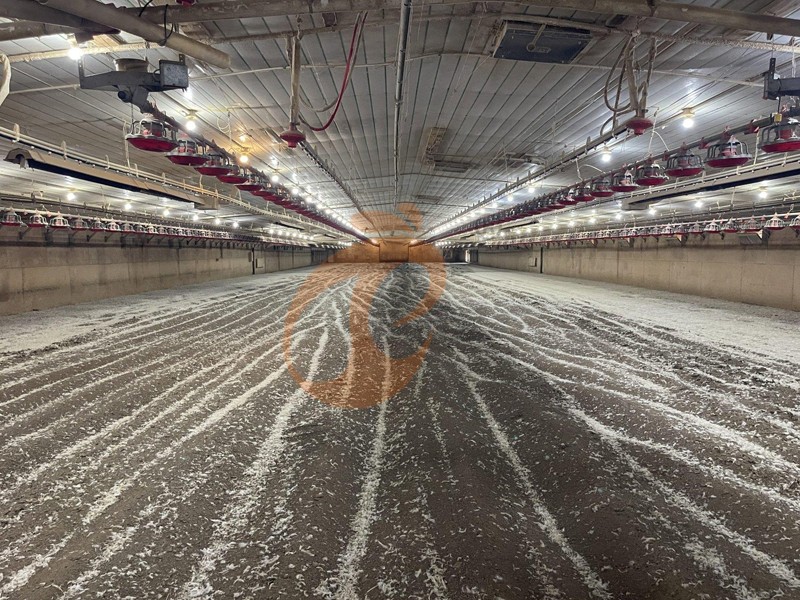
Before a new flock arrives, staff must clean, disinfect, dry, and inspect the poultry house.
Workers should inspect electrical circuits, heating units, ventilation fans, feed silos, water pipelines, and alarm systems.
On arrival, chicks should be distributed evenly and given immediate access to feed and water.
During the first 24–48 hours, staff should check chick activity, crop filling, body condition, and access to drinkers to identify early problems.
2. Feeding And Drinking Management
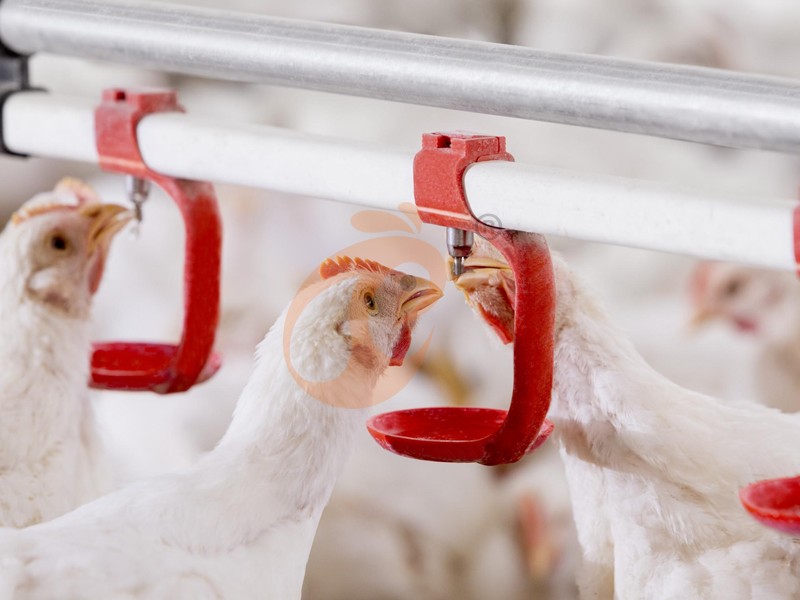
Feeding and drinking systems supply the nutrients and water required for growth, maintenance, and egg production.
Broiler programs commonly use 3 diet phases—starter, grower, and finisher—while layer programs adjust protein, calcium, and other nutrients according to development and laying performance.
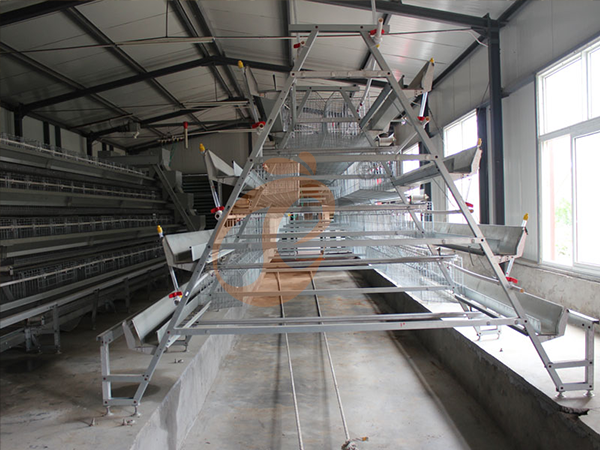
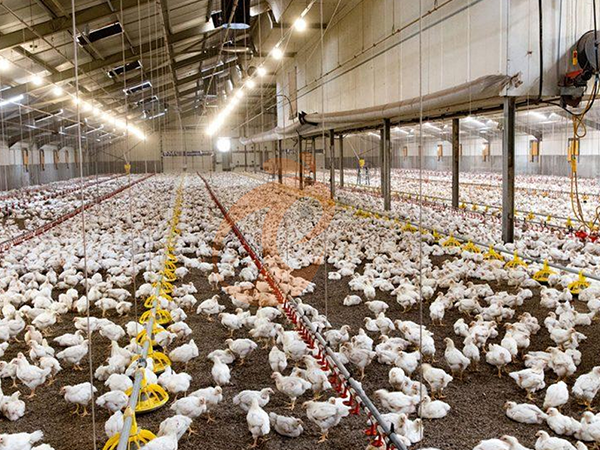
Automatic feeding equipment transfers feed from silos through augers into pans or troughs.
Nipple drinkers, pressure regulators, filtration units, and water meters support consistent water delivery across long poultry houses.
Water quality should be checked through laboratory testing based on source-water risks, with a documented sampling schedule and additional testing after suspected contamination.
Feed formulation, drinker height, water pressure, and feeder settings must follow the applicable nutrition plan and equipment specifications.
For integrated equipment planning, review the Poultry Farm Equipment Product Range for feeding, drinking, and related farm systems.
Get professional poultry farm construction guidance, equipment selection solutions, and the latest price lists, what’sApp to +8618830120193
3. Ventilation, Temperature, And Lighting Control
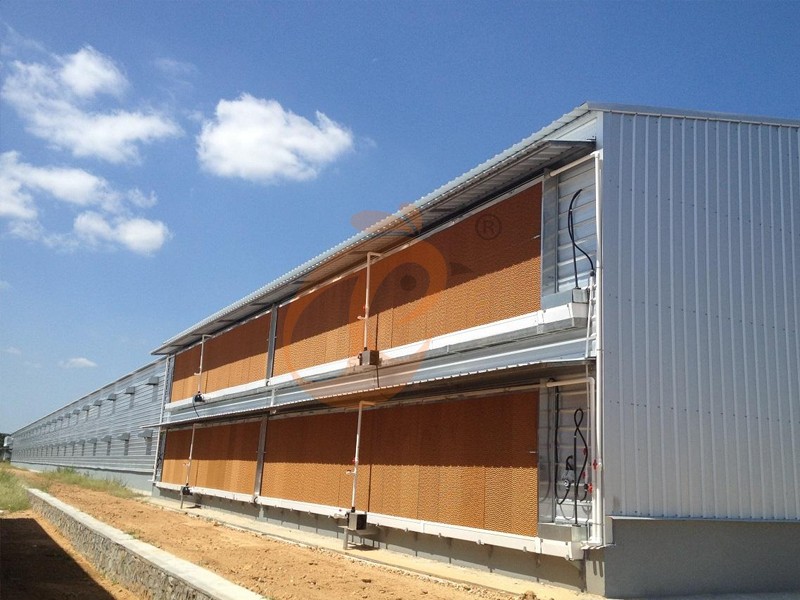
Environmental control systems regulate temperature, humidity, airflow, and lighting throughout the production cycle.
Poultry houses use exhaust fans, air inlets, heaters, cooling pads, and electronic controllers to maintain suitable conditions across changing bird ages and outdoor weather.
Lighting intensity and photoperiod should follow breed guidance, bird age, and local welfare standards rather than a single fixed schedule.
In hot climates, tunnel ventilation and evaporative cooling can improve heat removal, but their performance depends on fan capacity, inlet design, humidity, and outside temperature.
Automatic controllers can coordinate multiple devices, yet sensors, alarms, and backup power still require routine testing.
A well-designed system should provide clear fault alerts and documented emergency procedures for fan failure or power interruption.
4. Daily Bird Health Monitoring And Biosecurity
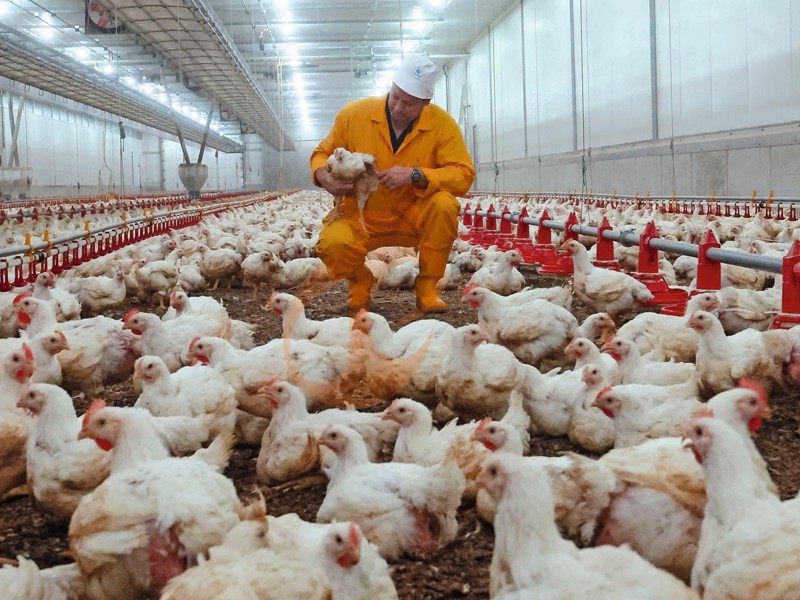
Daily monitoring combines visual inspections, production records, and biosecurity procedures to identify potential problems early.
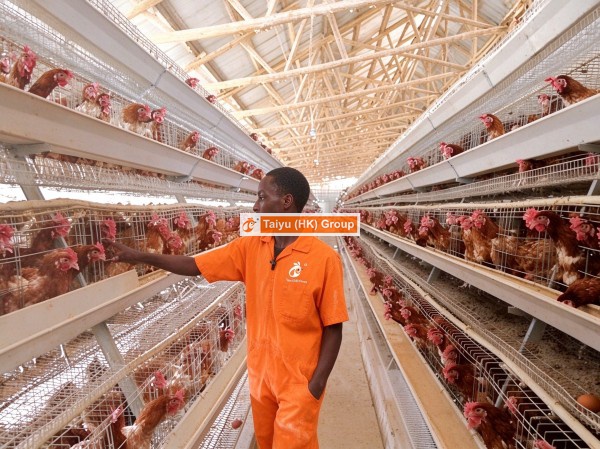
Staff should observe bird distribution, breathing, posture, litter condition, and changes in feed or water consumption during at least 2 routine inspection rounds per day, with additional checks whenever risks increase.
A house-level record should track mortality, feed intake, water consumption, body weight, environmental readings, vaccination, and treatment information. Comparing the current day's results with the previous 7-day trend helps staff distinguish normal variation from potentially significant changes.
Biosecurity should cover visitor access, vehicle movement, footwear, clothing, pest control, carcass disposal, and cleaning between flocks.
Where practical, an all-in/all-out system reduces contact between different flock ages, while documented cleaning and disinfection procedures help limit pathogen transfer.
When mortality rises unexpectedly or respiratory signs appear, staff should check ventilation, water delivery, and feed availability before escalating the findings to a qualified veterinarian.
Suspected notifiable diseases must be reported and managed under the applicable government requirements.
Get professional poultry farm construction guidance, equipment selection solutions, and the latest price lists, what’sApp to +8618830120193
5. Egg Collection Or Broiler Harvesting
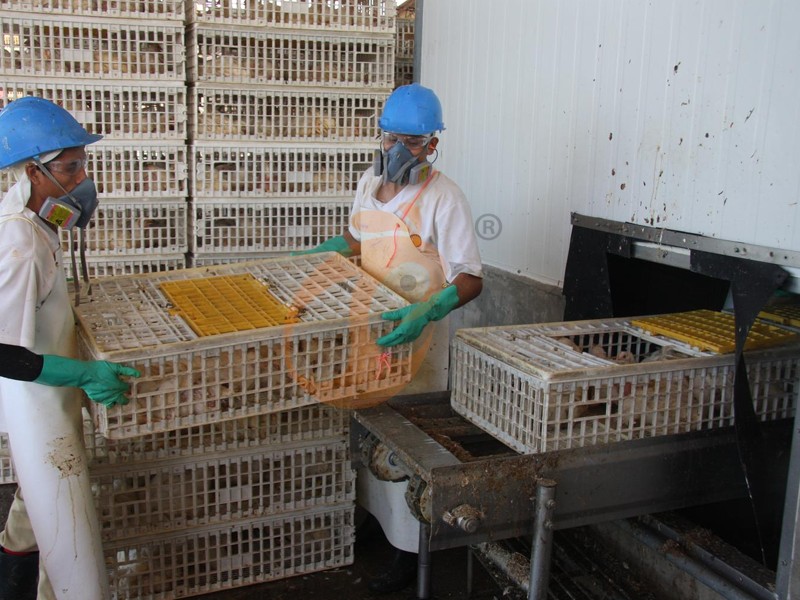
The final production stage depends on whether the farm operates as a layer facility or a broiler facility.
Both systems require coordinated labor, reliable equipment, traceable records, and careful product handling, but their collection schedules and downstream requirements differ.
5.1 Egg collection In layer farms
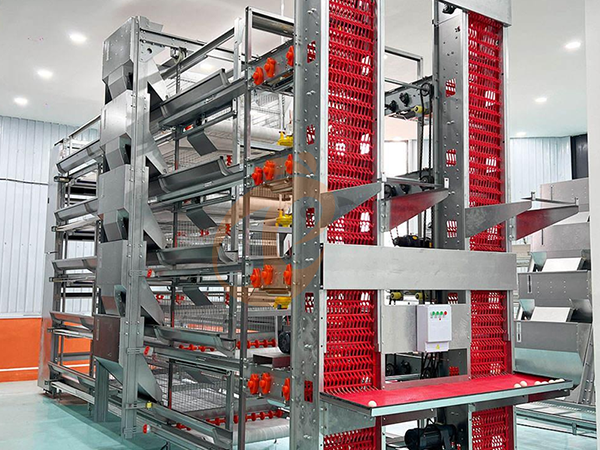
Automated egg belts transfer eggs from nests to a collection point, where workers or grading equipment identify cracked, dirty, or otherwise unsuitable eggs. Collection frequency depends on nest design, flock size, belt capacity, and market requirements, with several collection rounds per day helping reduce breakage and contamination.
5.2 Broiler harvesting And transport
Broiler harvesting begins when birds reach the weight and age required by the production contract.
Farm managers coordinate catching crews, transport vehicles, processing capacity, and required feed-withdrawal procedures, while following veterinary, food safety, and animal welfare rules.
Successful harvesting depends on coordination between farm staff, transport providers, and the processing plant.
Understanding how a poultry farm works means managing the entire production chain—from chick placement and environmental control to final collection—with measurable performance targets and documented operating procedures.
6. Frequently Asked Questions
Q1. How many times should poultry farm staff inspect birds each day?
A practical schedule includes at least 2 routine inspection rounds daily, with additional checks during extreme weather, equipment failures, or suspected health problems.
Q2. Which equipment is essential for a commercial poultry farm?
Core systems include feeders, drinkers, ventilation fans, heating equipment, environmental controllers, and alarms; layer farms also require egg collection systems, while broiler farms need suitable harvesting and transport arrangements.
Q3. How can farm owners improve operating efficiency?
Monitor feed conversion, water consumption, mortality, and growth against weekly targets, then use preventive maintenance, automated controls, and biosecurity audits to reduce avoidable losses.
7. Taiyu (HK) Group - One Of China Largest Poultry Farm Equipment Manufacturer
Poultry farm equipment integrates feeding, drinking, ventilation, and monitoring, supporting project designs for 10,000–100,000 birds per house with coordinated environmental controls.
Our global factory-direct poultry equipment supply covers 8–16 m house widths, with engineered airflow layouts and equipment capacities matched to site conditions.
Turn-key engineering coordinates site planning, equipment selection, installation, and commissioning across 3–10 production houses under a unified project specification.
Automated poultry equipment supports 24-hour monitoring, configurable alarms, and scheduled maintenance plans to improve operating continuity across multi-house commercial facilities.
International project services coordinate manufacturing, logistics, and technical documentation, supporting phased installation programs and measurable commissioning acceptance criteria for global customers.
8. Contact Us To Received Your Customized Poultry Farm Plan
Headquarters And Branchs

Hong Kong Headquarter Management Team
Hong Kong Headquarter Taiyu Industrial Group CO., LTD
China Hebei Best Machinery And Equipment CO., LTD
Nigeria Vanke Machinery And Equipment CO., LTD
Tanzania Best Machinery And Equipment CO., LTD
Ethiopia Best Hebei Machinery Manufacturing PLC




Reception /24 WhatsApp NO. : +8618830120193
Share


More
 Unmatched Advantage Of Battery Cage Systems In Latin America | Taiyu
- Key Advantages Of Chicken Battery Cage Designs In Africa | Taiyu
 Proven Advantages Of Chicken Cage Systems For Southeast Asia | Taiyu
- Essential Advantage Of Chicken Battery Cages
- Newest Poultry Equipment List And Price Complete Guide For 1,000 To 100,000+ Birds
- Newest Fully Automated Poultry Farm Equipment List And Cost For 1,000–100,000+ Birds
- Top 11 Popular And Different Poultry Farm Equipment For 1,000 To 100,000+ Chickens
- 11 Exact Tips Of Automatic Poultry Equipment Vs Semi-Automatic Poultry Equipment