NEWS
1. 50000 Layer Farm Design
A successful 50000 layer farm design is not simply a building that holds 50,000 hens; the project must connect engineering capacity, biological performance, market access and financial resilience.
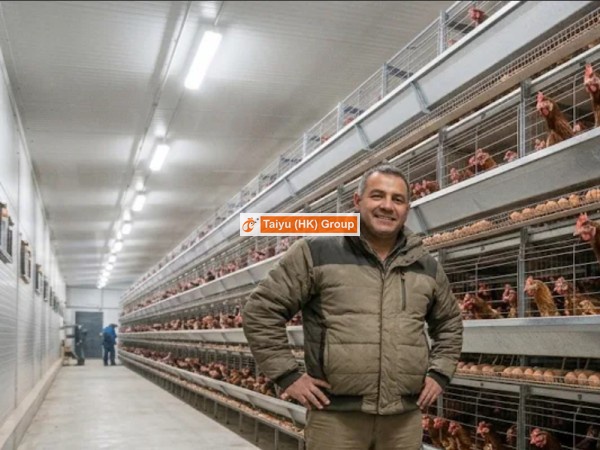
Imagine a farm receiving its first flock: ventilation starts automatically, feed moves through controlled lines, eggs travel to a central collection point, and alarms alert staff before equipment failure becomes a production crisis.
Engineering feasibility: assess land, building structure, utilities and local regulations before construction.
Housing configuration: compare one large H-type house with two independent houses, including access, equipment and workflow.
Operational continuity: plan backup power, water, alarms and maintenance around critical failure scenarios.
Investment performance: model construction costs, operating expenses and egg revenue under changing market conditions.
The following 50000 layer farm design framework uses practical project dimensions and illustrative financial assumptions.
Actual specifications depend on climate, breed, welfare rules and local construction prices.
2. Engineering Feasibility In 50000 Layer Farm Design
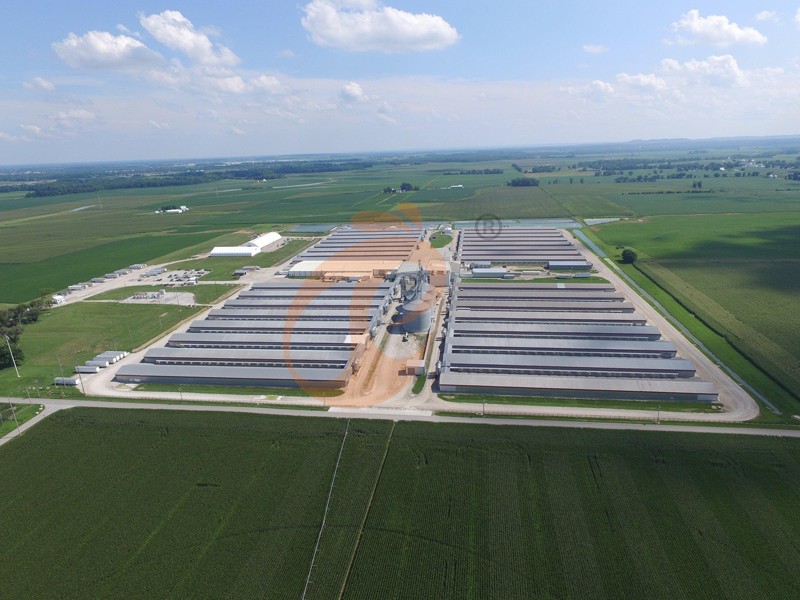
Before purchasing equipment, confirm whether the site can support continuous poultry production.
A practical feasibility study should evaluate land drainage, truck access, biosecurity separation, grid reliability and water quality.
A site with adequate land but unstable electricity may be less suitable than a smaller site with reliable utilities.
For investors evaluating commercial poultry projects, Taiyu Group (HK) poultry farm equipment provides an additional reference for understanding integrated farm planning and equipment coordination.
Plan your 50,000-layer project with professional engineering support. WhatsApp to +8618830120193.
3. Housing And Equipment Options In 50000 Layer Farm Design
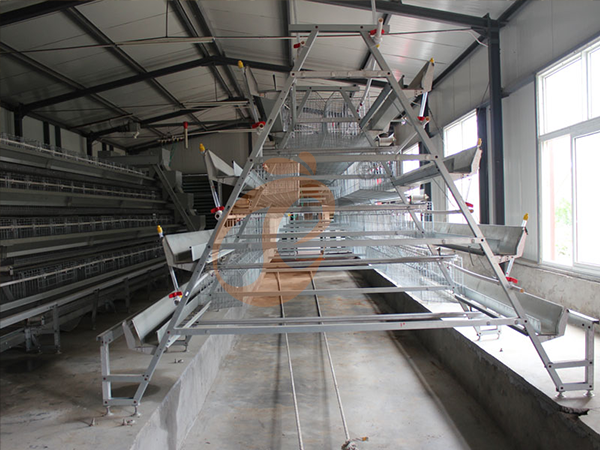
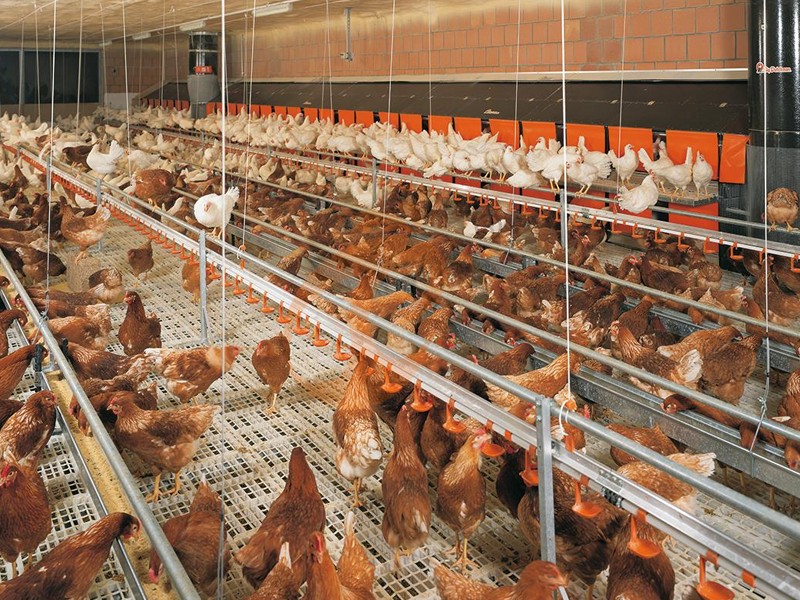
An H-type layer cage system can accommodate the full flock in one poultry house or divide production between two independent houses.
The choice affects building span, equipment duplication, biosecurity and the consequences of a single system failure.
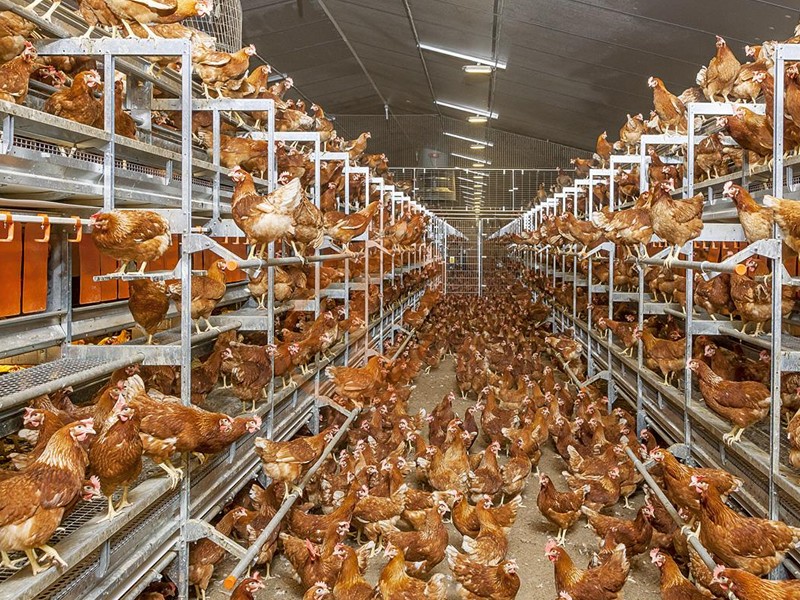
For Option A, the layout uses approximately 75 sets per row; Option B uses approximately 72.
The project layout also allows for a 1.7 m passage between cage rows, 1.5 m wall clearance and 1.2 m net aisle, subject to final equipment drawings.
Front and rear working zones each reserve 5 m.
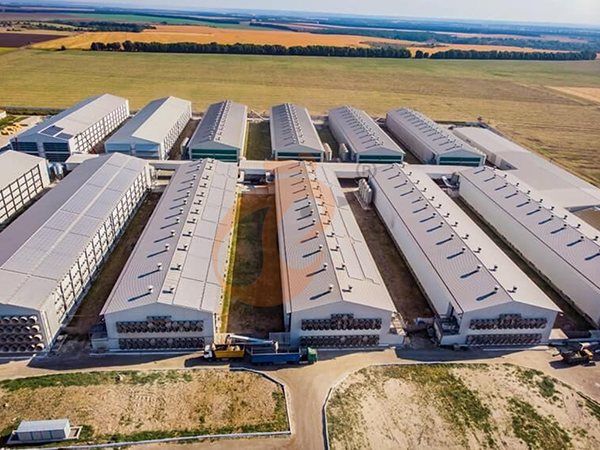
One house VS two houses: a single building may reduce duplicated equipment and simplify egg handling, while two 25,000-hen houses can isolate disease events and allow phased maintenance.
However, the second house adds building, control and utility costs.
Which option better matches the investor's risk tolerance?
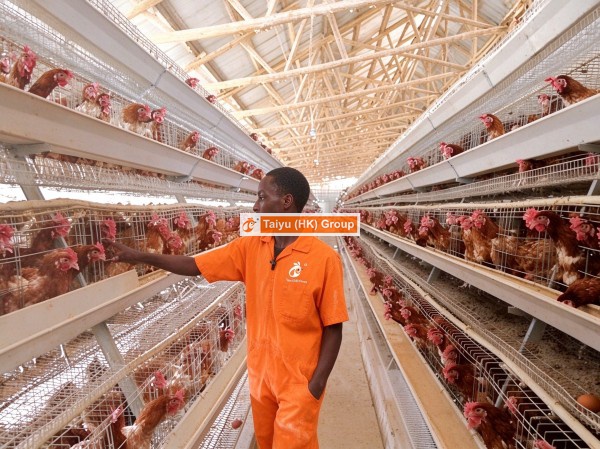
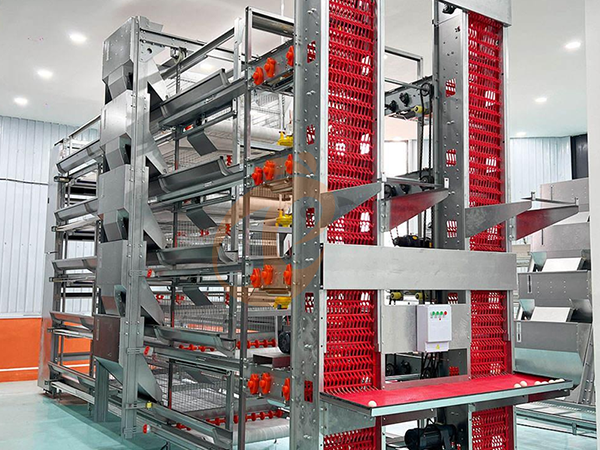
The equipment package should integrate automatic feeding, nipple drinking, egg collection, manure belts, ventilation, cooling and environmental controls.
Cage systems are available in configurations from 4 to 16 tiers; final tier selection must match building height, welfare requirements and service access.
Other housing methods require different engineering:
Cage housing: multi-tier H-type cages, automated feed and egg conveyors, manure belts and controlled ventilation.
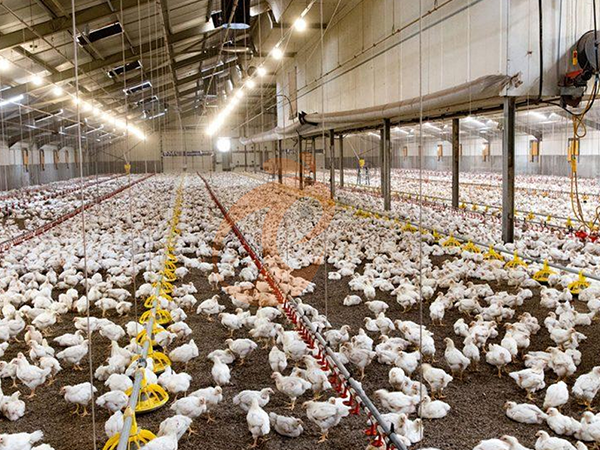
Floor housing: litter floors, nest boxes, perches and floor-egg management; litter depth commonly starts around 5–10 cm.
Free-range housing: indoor nests and perches plus secure outdoor runs, fencing, drainage and predator control.
Aviary housing: multi-level platforms, nests, perches and carefully designed lighting and manure management.
Free-range outdoor space varies by jurisdiction; some European union systems use 4 m² per hen as a reference.
Housing choice must be confirmed against the destination market’s rules.
4. Operational Continuity And 50000 Layer Farm Design Risks
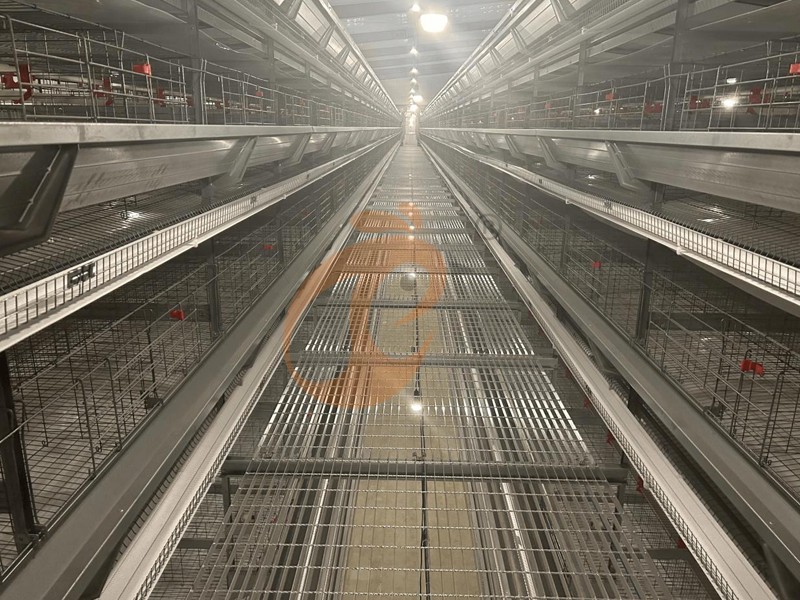
A high-capacity farm depends on equipment that operates continuously.
A ventilation failure during hot weather can become an animal-welfare emergency within a short period; a conveyor failure can interrupt egg dispatch even when laying remains normal.
Install independent high-temperature alarms, generator testing, emergency ventilation procedures and staff escalation protocols.
A maintenance schedule should cover daily inspection, weekly functional checks and planned monthly servicing.
Keep critical motors, belts, sensors and pump components in local inventory.
5. Project Budget And 50000 Layer Farm Design Costs
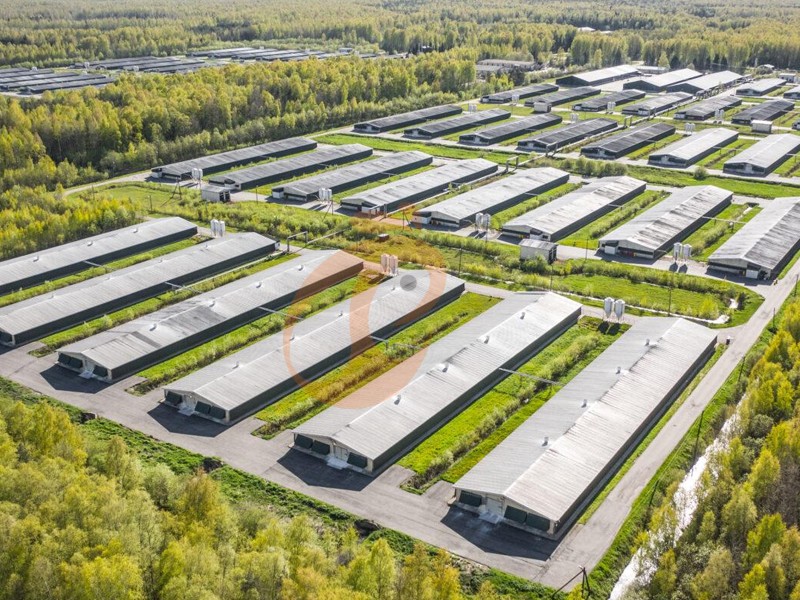
The following preliminary budget is an illustrative planning range, not a supplier quotation.
Local labor, steel prices, insulation standards, import duties and automation scope can change final costs substantially.
European union standard reference only: the figures are illustrative USD planning allowances, not European union construction benchmarks or certified quotations.
Operating costs require a separate model.
Feed, labor, electricity, packaging, veterinary services, transport, replacement pullets, repairs and financing should be recorded monthly.
Investors should also reserve working capital for delayed commissioning or temporary market disruption.
Integrated poultry farm planning also benefits from reliable engineering coordination. Explore Taiyu Group (HK) poultry farm equipment for commercial project planning and complete farm infrastructure solutions.
Build operational reliability into your poultry investment with factory-direct engineering support. WhatsApp to +8618830120193.
6. Production And 50000 Layer Farm Design Return On Investment
Egg revenue depends on saleable output and realized selling price, not theoretical flock capacity.
A change in feed price or laying rate can outweigh small savings in construction.
These scenarios are illustrative, not price forecasts; egg size, grading, breakage, packaging and market contracts affect realized revenue.
Feed cost should be stress-tested separately because feed is a major variable expense.
For example, compare a 10% feed-price increase against a 5-percentage-point decline in laying rate.
Which shock reduces cash flow more?
Calculate both using actual supplier quotations and farm performance assumptions.
For a more comprehensive investment assessment, Taiyu Group (HK) poultry farm equipment offers a useful reference for connecting equipment configuration, farm construction and commercial production planning.
Request a customized 50,000-layer farm equipment and turnkey project proposal. WhatsApp to +8618830120193.
Use the following investment measures:
Gross revenue: saleable eggs × realized selling price.
Operating margin: revenue minus variable and fixed operating expenses.
Break-even egg price: total annual costs ÷ saleable eggs.
Payback period: initial investment ÷ annual free cash flow.
Do not approve a project based only on gross revenue.
Include loan interest, depreciation, taxes, replacement cycles and a downside scenario before calculating investor returns.
7. Frequently Asked Questions
Q1. Is one poultry house suitable for 50,000 laying hens?
Yes, when building span, ventilation, equipment access and local welfare requirements are properly engineered.
Two-house layouts may offer stronger operational separation.
Q2. Which equipment is essential for an automated layer farm?
Feeding, drinking, egg collection, manure removal, ventilation, cooling and environmental alarm systems form the core package.
Q3. What is the biggest investment risk?
Feed-price volatility, weak egg markets, power interruptions and disease outbreaks can all affect profitability.
Financial stress testing is essential before construction.
8. Taiyu (HK) Group - One Of China Largest Layer Farm Equipment Manufacturer
Integrated layer farm equipment supports 50,000-hen projects with H-type cages, feeding lines and egg conveyors engineered for coordinated daily production.
Global factory-direct poultry equipment supply supports projects requiring 7-tier or 11-tier cage layouts and automated manure handling.
Turn-key engineering coordinates house planning, ventilation and installation for commercial farms operating across varied climates.
Project-based equipment configuration aligns 25,000-hen house modules with site dimensions, utility capacity and maintenance access.
International project support connects equipment selection, commissioning and operational training to long-term farm productivity and investment control.
Contact Us To Received Your Customized Poultry Farm Plan
Headquarters And Branchs

Hong Kong Headquarter Management Team
Hong Kong Headquarter Taiyu Industrial Group CO., LTD
China Hebei Best Machinery And Equipment CO., LTD
Nigeria Vanke Machinery And Equipment CO., LTD
Tanzania Best Machinery And Equipment CO., LTD
Ethiopia Best Hebei Machinery Manufacturing PLC




Reception /24 WhatsApp NO. : +8618830120193
Share


More
 Unmatched Advantage Of Battery Cage Systems In Latin America | Taiyu
- Key Advantages Of Chicken Battery Cage Designs In Africa | Taiyu
 Proven Advantages Of Chicken Cage Systems For Southeast Asia | Taiyu
- Essential Advantage Of Chicken Battery Cages
- Newest Poultry Equipment List And Price Complete Guide For 1,000 To 100,000+ Birds
- Newest Fully Automated Poultry Farm Equipment List And Cost For 1,000–100,000+ Birds
- Top 11 Popular And Different Poultry Farm Equipment For 1,000 To 100,000+ Chickens
- 11 Exact Tips Of Automatic Poultry Equipment Vs Semi-Automatic Poultry Equipment